mirror of
https://github.com/Facepunch/sbox-public.git
synced 2026-01-12 00:08:38 -05:00
 47915c600b
* Fix leaky swapchain when resizing on game mode and dispose of handle after usage
VideoRecorder would get a strong handle copy of the swapchain every frame and retain it, causing native to fail to shutdown the copies from it
Made usage of getting native swapchain consistent on managed on other stuff, doing it like this ensures GC properly disposes of the strong handles even not disposing explicitly

Remove now unused ScreenRecorder.def and ScreenshotService.def

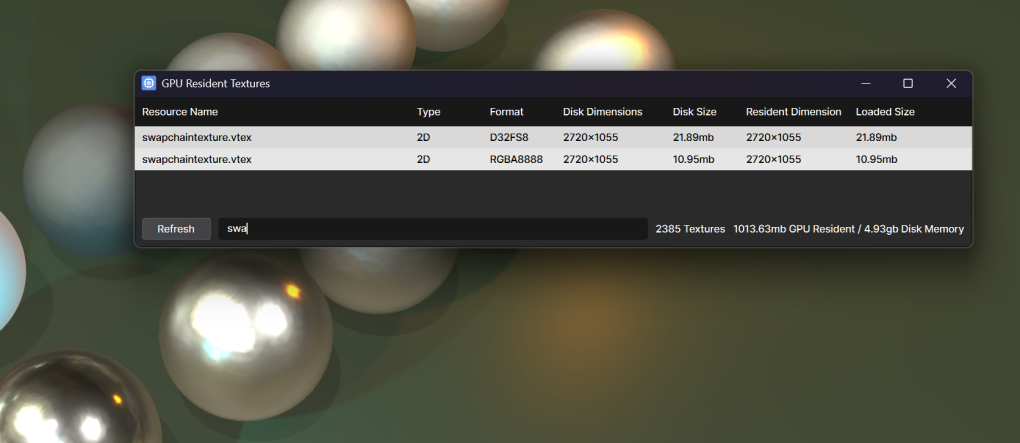
There are still optimizations to swapchain I'd like to send on another commit, game is allocating way more swapchains than needed even without the leak, has two completely different paths depending if you are MSAA or not, this can all be much simpler
https://files.facepunch.com/sampavlovic/1b1811b1/EjDyxbTahs.png

* Remove NativeLayerRenderTarget, was unused and fucked

* Keep it as an ITexture/HRenderTextureStrong in managed so we avoid IDisposable, ReadTextureAsync with ITexture
434 lines
16 KiB
C#
434 lines
16 KiB
C#
using NativeEngine;
|
|
using System.Runtime.CompilerServices;
|
|
|
|
namespace Sandbox;
|
|
|
|
/// <summary>
|
|
/// Used to render to the screen using your Graphics Card, or whatever you
|
|
/// kids are using in your crazy future computers. Whatever it is I'm sure
|
|
/// it isn't fungible and everyone has free money and no-one has to ever work.
|
|
/// </summary>
|
|
public static partial class Graphics
|
|
{
|
|
public enum PrimitiveType
|
|
{
|
|
Points = NativeEngine.RenderPrimitiveType.RENDER_PRIM_POINTS,
|
|
Lines = NativeEngine.RenderPrimitiveType.RENDER_PRIM_LINES,
|
|
LinesWithAdjacency = NativeEngine.RenderPrimitiveType.RENDER_PRIM_LINES_WITH_ADJACENCY,
|
|
LineStrip = NativeEngine.RenderPrimitiveType.RENDER_PRIM_LINE_STRIP,
|
|
LineStripWithAdjacency = NativeEngine.RenderPrimitiveType.RENDER_PRIM_LINE_STRIP_WITH_ADJACENCY,
|
|
Triangles = NativeEngine.RenderPrimitiveType.RENDER_PRIM_TRIANGLES,
|
|
TrianglesWithAdjacency = NativeEngine.RenderPrimitiveType.RENDER_PRIM_TRIANGLES_WITH_ADJACENCY,
|
|
TriangleStrip = NativeEngine.RenderPrimitiveType.RENDER_PRIM_TRIANGLE_STRIP,
|
|
TriangleStripWithAdjacency = NativeEngine.RenderPrimitiveType.RENDER_PRIM_TRIANGLE_STRIP_WITH_ADJACENCY,
|
|
}
|
|
|
|
/// <summary>
|
|
/// If true then we're currently rendering and
|
|
/// you are safe to use the contents of this class
|
|
/// </summary>
|
|
public static bool IsActive => _state.active;
|
|
|
|
/// <summary>
|
|
/// The current layer type. This is useful to tell whether you're meant to be drawing opaque, transparent or shadow. You mainly
|
|
/// don't need to think about this, but when you do, it's here.
|
|
/// </summary>
|
|
public static SceneLayerType LayerType => _state.layerType;
|
|
|
|
struct RenderState
|
|
{
|
|
public bool active;
|
|
public IRenderContext renderContext;
|
|
public ISceneLayer sceneLayer;
|
|
public ISceneView sceneView;
|
|
public SceneLayerType layerType;
|
|
public RenderAttributes attributes;
|
|
internal SceneSystemPerFrameStats_t stats;
|
|
public ImageFormat colorFormat;
|
|
public MultisampleAmount msaaLevel;
|
|
public Transform cameraTransform;
|
|
internal RenderAttributes frameAttributes;
|
|
internal RenderTarget renderTarget;
|
|
internal float defaultMinZ;
|
|
internal float defaultMaxZ;
|
|
}
|
|
|
|
[ThreadStatic]
|
|
private static RenderState _state;
|
|
|
|
internal static IRenderContext Context => _state.renderContext;
|
|
internal static ISceneLayer SceneLayer => _state.sceneLayer;
|
|
internal static ISceneView SceneView => _state.sceneView;
|
|
internal static ImageFormat IdealColorFormat => _state.colorFormat;
|
|
internal static MultisampleAmount IdealMsaaLevel => _state.msaaLevel;
|
|
internal static SceneSystemPerFrameStats_t Stats => _state.stats;
|
|
|
|
/// <summary>
|
|
/// When Frame grabbing, we store the result in this pooled render target. It stays checked out
|
|
/// until the end of this render scope.
|
|
/// </summary>
|
|
[ThreadStatic]
|
|
static HashSet<RenderTarget> grabbedTextures;
|
|
|
|
/// <summary>
|
|
/// In pixel size, where are we rendering to?
|
|
/// </summary>
|
|
public static Rect Viewport
|
|
{
|
|
get => Context.GetViewport().Rect;
|
|
set => Context.SetViewport( value );
|
|
}
|
|
|
|
/// <summary>
|
|
/// Access to the current render context's attributes. These will be used
|
|
/// to set attributes in materials/shaders. This is cleared at the end of the render block.
|
|
/// </summary>
|
|
public static RenderAttributes Attributes => _state.attributes;
|
|
|
|
|
|
/// <summary>
|
|
/// Access to the current frame's attributes.
|
|
/// These will live until the end of the frame.
|
|
/// </summary>
|
|
internal static RenderAttributes FrameAttributes => _state.frameAttributes;
|
|
|
|
/// <summary>
|
|
/// The camera transform of the currently rendering view
|
|
/// </summary>
|
|
public static Transform CameraTransform => _state.cameraTransform;
|
|
|
|
/// <summary>
|
|
/// The camera position of the currently rendering view
|
|
/// </summary>
|
|
public static Vector3 CameraPosition => CameraTransform.Position;
|
|
|
|
/// <summary>
|
|
/// The camera rotation of the currently rendering view
|
|
/// </summary>
|
|
public static Rotation CameraRotation => CameraTransform.Rotation;
|
|
|
|
|
|
/// <summary>
|
|
/// The field of view of the currently rendering camera view, in degrees.
|
|
/// </summary>
|
|
public static float FieldOfView => _state.sceneView.GetFrustum().GetCameraFOV();
|
|
|
|
/// <summary>
|
|
/// The frustum of the currently rendering camera view.
|
|
/// </summary>
|
|
public static Frustum Frustum
|
|
{
|
|
get
|
|
{
|
|
AssertRenderBlock();
|
|
|
|
var cf = _state.sceneView.GetFrustum();
|
|
|
|
// Extract planes from native CFrustum
|
|
// Plane indices: RIGHT=0, LEFT=1, TOP=2, BOTTOM=3, NEAR=4, FAR=5
|
|
cf.GetPlane( 0, out var rn, out var rd );
|
|
cf.GetPlane( 1, out var ln, out var ld );
|
|
cf.GetPlane( 2, out var tn, out var td );
|
|
cf.GetPlane( 3, out var bn, out var bd );
|
|
cf.GetPlane( 4, out var nn, out var nd );
|
|
cf.GetPlane( 5, out var fn, out var fd );
|
|
|
|
return new Frustum(
|
|
right: new Plane( ln, ld ),
|
|
left: new Plane( ln, rd ),
|
|
top: new Plane( tn, td ),
|
|
bottom: new Plane( bn, bd ),
|
|
near: new Plane( nn, nd ),
|
|
far: new Plane( fn, fd )
|
|
);
|
|
}
|
|
}
|
|
|
|
|
|
internal static int RenderMultiSampleToNum( RenderMultisampleType msaaLevel )
|
|
{
|
|
switch ( msaaLevel )
|
|
{
|
|
case RenderMultisampleType.RENDER_MULTISAMPLE_NONE:
|
|
return 1;
|
|
case RenderMultisampleType.RENDER_MULTISAMPLE_2X:
|
|
return 2;
|
|
case RenderMultisampleType.RENDER_MULTISAMPLE_4X:
|
|
return 4;
|
|
case RenderMultisampleType.RENDER_MULTISAMPLE_6X:
|
|
return 6;
|
|
case RenderMultisampleType.RENDER_MULTISAMPLE_8X:
|
|
return 8;
|
|
case RenderMultisampleType.RENDER_MULTISAMPLE_16X:
|
|
return 16;
|
|
default:
|
|
throw new System.Exception( "Unknown multisample amount" );
|
|
}
|
|
}
|
|
|
|
/// <summary>
|
|
/// Creates a scope where Graphics is safe to use.
|
|
/// </summary>
|
|
internal ref struct Scope
|
|
{
|
|
RenderState _previous;
|
|
|
|
public Scope( in ManagedRenderSetup_t setup )
|
|
{
|
|
_previous = _state;
|
|
|
|
_state = new RenderState();
|
|
|
|
var frustum = setup.sceneView.GetFrustum();
|
|
|
|
_state.active = true;
|
|
_state.sceneLayer = setup.sceneLayer;
|
|
_state.sceneView = setup.sceneView;
|
|
_state.renderContext = setup.renderContext;
|
|
_state.layerType = setup.sceneLayer.LayerEnum;
|
|
_state.colorFormat = setup.colorImageFormat;
|
|
_state.msaaLevel = setup.msaaLevel.FromEngine();
|
|
_state.cameraTransform = new Transform( frustum.GetCameraPosition(), frustum.GetCameraAngles() );
|
|
_state.stats = setup.stats;
|
|
|
|
_state.attributes = ObjectPool<RenderAttributes>.Get();
|
|
_state.attributes.Set( setup.renderContext.GetAttributesPtrForModify() );
|
|
|
|
_state.frameAttributes = ObjectPool<RenderAttributes>.Get();
|
|
_state.frameAttributes.Set( setup.sceneView.GetRenderAttributesPtr() );
|
|
}
|
|
|
|
public void Dispose()
|
|
{
|
|
if ( _state.attributes is not null )
|
|
{
|
|
_state.attributes.Set( default( CRenderAttributes ) );
|
|
ObjectPool<RenderAttributes>.Return( _state.attributes );
|
|
}
|
|
|
|
if ( _state.frameAttributes is not null )
|
|
{
|
|
_state.frameAttributes.Set( default( CRenderAttributes ) );
|
|
ObjectPool<RenderAttributes>.Return( _state.frameAttributes );
|
|
}
|
|
|
|
_state = _previous;
|
|
|
|
if ( grabbedTextures is not null )
|
|
{
|
|
// return to the pool
|
|
foreach ( var tex in grabbedTextures )
|
|
{
|
|
tex.Dispose();
|
|
}
|
|
grabbedTextures.Clear();
|
|
}
|
|
}
|
|
}
|
|
|
|
[MethodImpl( MethodImplOptions.AggressiveInlining )]
|
|
internal static void AssertRenderBlock()
|
|
{
|
|
if ( !IsActive )
|
|
throw new System.Exception( "Tried to render outside of rendering block" );
|
|
}
|
|
|
|
/// <summary>
|
|
/// Setup the lighting attributes for this current object. Place them in the targetAttributes
|
|
/// </summary>
|
|
public static void SetupLighting( SceneObject obj, RenderAttributes targetAttributes = null )
|
|
{
|
|
targetAttributes ??= Attributes;
|
|
|
|
Assert.NotNull( targetAttributes );
|
|
Assert.IsValid( obj );
|
|
|
|
NativeEngine.CSceneSystem.SetupPerObjectLighting( targetAttributes.Get(), obj, SceneLayer );
|
|
}
|
|
|
|
/// <summary>
|
|
/// Grabs the current viewport's color texture and stores it in targetName on renderAttributes.
|
|
/// </summary>
|
|
public static RenderTarget GrabFrameTexture( string targetName = "FrameTexture", RenderAttributes renderAttributes = null, DownsampleMethod downsampleMethod = DownsampleMethod.None )
|
|
{
|
|
renderAttributes ??= Attributes;
|
|
|
|
AssertRenderBlock();
|
|
|
|
bool withMips = downsampleMethod != DownsampleMethod.None;
|
|
var numMips = withMips ? (int)Math.Log2( Math.Max( Viewport.Width, Viewport.Height ) ) : 1;
|
|
|
|
// Grab a new one - which may very well be the one we just returned
|
|
var frameTexture = RenderTarget.GetTemporary( 1, ImageFormat.Default, ImageFormat.None, msaa: MultisampleAmount.MultisampleNone, numMips: numMips, targetName );
|
|
|
|
RenderTools.ResolveFrameBuffer( Context, frameTexture.ColorTarget.native, Viewport );
|
|
|
|
// Generate a mip chain if we want one
|
|
if ( withMips ) GenerateMipMaps( frameTexture.ColorTarget, downsampleMethod );
|
|
|
|
grabbedTextures ??= new();
|
|
grabbedTextures.Add( frameTexture );
|
|
|
|
renderAttributes.Set( targetName, frameTexture.ColorTarget );
|
|
|
|
return frameTexture;
|
|
}
|
|
|
|
[Obsolete( "Use GrabFrameTexture with DownsampleMethod instead" )]
|
|
public static void GrabFrameTexture( string targetName, RenderAttributes renderAttributes, bool withMips )
|
|
{
|
|
GrabFrameTexture( targetName, renderAttributes, withMips ? DownsampleMethod.GaussianBlur : DownsampleMethod.None );
|
|
}
|
|
|
|
/// <summary>
|
|
/// Grabs the current depth texture and stores it in targetName on renderAttributes.
|
|
/// </summary>
|
|
public static RenderTarget GrabDepthTexture( string targetName = "DepthTexture", RenderAttributes renderAttributes = null )
|
|
{
|
|
renderAttributes ??= Attributes;
|
|
|
|
AssertRenderBlock();
|
|
|
|
// Grab a new one - which may very well be the one we just returned
|
|
var grabbedTexture = RenderTarget.GetTemporary( 1, ImageFormat.None, ImageFormat.Default, msaa: MultisampleAmount.MultisampleScreen, targetName: targetName );
|
|
|
|
RenderTools.ResolveDepthBuffer( Context, grabbedTexture.DepthTarget.native, Viewport );
|
|
|
|
grabbedTextures ??= new();
|
|
grabbedTextures.Add( grabbedTexture );
|
|
|
|
renderAttributes.Set( targetName, grabbedTexture.DepthTarget );
|
|
|
|
return grabbedTexture;
|
|
}
|
|
|
|
|
|
|
|
|
|
|
|
/// <summary>
|
|
/// Get or set the current render target. Setting this will bind the render target and change the viewport to match it.
|
|
/// </summary>
|
|
public static RenderTarget RenderTarget
|
|
{
|
|
get => _state.renderTarget;
|
|
set
|
|
{
|
|
if ( _state.renderTarget == value )
|
|
return;
|
|
|
|
// Going from default render target to custom render target
|
|
if ( _state.renderTarget == null )
|
|
{
|
|
var viewport = Context.GetViewport();
|
|
// Save off min/max Z values here, so we can restore them later.
|
|
_state.defaultMinZ = viewport.MinZ;
|
|
_state.defaultMaxZ = viewport.MaxZ;
|
|
}
|
|
|
|
_state.renderTarget = value;
|
|
|
|
// Resetting to default render target
|
|
if ( _state.renderTarget == null )
|
|
{
|
|
// alex: if we don't restore min/max Z values properly when setting back to
|
|
// the default render target, we get a lot of weird depth issues.
|
|
// This mainly only applies to things like worldpanels when we render filtered
|
|
// elements, but could probably happen in other places too?
|
|
var viewport = new RenderViewport( SceneLayer.m_viewport.Rect, _state.defaultMinZ, _state.defaultMaxZ );
|
|
Context.SetViewport( viewport );
|
|
Context.RestoreRenderTargets( SceneLayer );
|
|
return;
|
|
}
|
|
|
|
Context.BindRenderTargets( _state.renderTarget.ColorTarget?.native ?? default, _state.renderTarget.DepthTarget?.native ?? default, SceneLayer );
|
|
Viewport = new Rect( 0, 0, _state.renderTarget.Width, _state.renderTarget.Height );
|
|
}
|
|
}
|
|
|
|
/// <summary>
|
|
/// Clear the current drawing context to given color.
|
|
/// </summary>
|
|
/// <param name="color">Color to clear to.</param>
|
|
/// <param name="clearColor">Whether to clear the color buffer at all.</param>
|
|
/// <param name="clearDepth">Whether to clear the depth buffer.</param>
|
|
/// <param name="clearStencil">Whether to clear the stencil buffer.</param>
|
|
public static void Clear( Color color, bool clearColor = true, bool clearDepth = true, bool clearStencil = true )
|
|
{
|
|
Context.Clear( color, clearColor, clearDepth, clearStencil );
|
|
}
|
|
|
|
/// <summary>
|
|
/// Clear the current drawing context to given color.
|
|
/// </summary>
|
|
/// <param name="clearColor">Whether to clear the color buffer to transparent color.</param>
|
|
/// <param name="clearDepth">Whether to clear the depth buffer.</param>
|
|
public static void Clear( bool clearColor = true, bool clearDepth = true )
|
|
{
|
|
Clear( Color.Transparent, clearColor, clearDepth, false );
|
|
}
|
|
|
|
/// <summary>
|
|
/// Render this camera to the specified texture target
|
|
/// </summary>
|
|
[Obsolete( "Use CameraComponent.RenderToTexture" )]
|
|
public static bool RenderToTexture( SceneCamera camera, Texture target )
|
|
{
|
|
return false;
|
|
}
|
|
|
|
/// <summary>
|
|
/// Copies pixel data from one texture to another on the GPU.
|
|
/// This does not automatically resize or scale the texture, format and size should be equal.
|
|
/// </summary>
|
|
public static void CopyTexture( Texture srcTexture, Texture dstTexture )
|
|
{
|
|
if ( srcTexture == null ) throw new ArgumentNullException( nameof( srcTexture ) );
|
|
if ( dstTexture == null ) throw new ArgumentNullException( nameof( dstTexture ) );
|
|
if ( srcTexture.ImageFormat != dstTexture.ImageFormat ) throw new ArgumentException( "Source and destination texture format must match!" );
|
|
if ( srcTexture.Size != dstTexture.Size ) throw new ArgumentException( "Source and destination texture size must match!" );
|
|
|
|
RenderTools.CopyTexture( Context, srcTexture.native, dstTexture.native, default, 0, 0, 0, 0, 0, 0 );
|
|
}
|
|
|
|
[Obsolete( "Use the CopyTexture overload without 'srcMipLevels' and 'dstMipLevels' parameters instead." )]
|
|
public static void CopyTexture( Texture srcTexture, Texture dstTexture, int srcMipSlice = 0, int srcArraySlice = 0, int srcMipLevels = 1, int dstMipSlice = 0, int dstArraySlice = 0, int dstMipLevels = 1 )
|
|
{
|
|
CopyTexture( srcTexture, dstTexture, srcMipSlice, srcArraySlice, dstMipSlice, dstArraySlice );
|
|
}
|
|
|
|
/// <summary>
|
|
/// Copies pixel data from one texture to another on the GPU.
|
|
/// This does not automatically resize or scale the texture, format and size should be equal.
|
|
/// This one lets you copy to/from arrays / specific mips.
|
|
/// </summary>
|
|
public static void CopyTexture( Texture srcTexture, Texture dstTexture, int srcMipSlice = 0, int srcArraySlice = 0, int dstMipSlice = 0, int dstArraySlice = 0 )
|
|
{
|
|
if ( srcTexture == null ) throw new ArgumentNullException( nameof( srcTexture ) );
|
|
if ( dstTexture == null ) throw new ArgumentNullException( nameof( dstTexture ) );
|
|
|
|
if ( srcTexture.ImageFormat != dstTexture.ImageFormat ) throw new ArgumentException( "Source and destination texture format must match!" );
|
|
|
|
if ( srcMipSlice < 0 || srcMipSlice >= srcTexture.Mips ) throw new ArgumentException( $"{nameof( srcMipSlice )} out of bounds" );
|
|
if ( dstMipSlice < 0 || dstMipSlice >= dstTexture.Mips ) throw new ArgumentException( $"{nameof( dstMipSlice )} out of bounds" );
|
|
|
|
var srcDesc = srcTexture.Desc;
|
|
var dstDesc = dstTexture.Desc;
|
|
|
|
if ( srcArraySlice < 0 || srcArraySlice >= srcDesc.ArrayCount ) throw new ArgumentException( $"{nameof( srcArraySlice )} out of bounds" );
|
|
if ( dstArraySlice < 0 || dstArraySlice >= dstDesc.ArrayCount ) throw new ArgumentException( $"{nameof( dstArraySlice )} out of bounds" );
|
|
|
|
var srcMipWidth = Math.Max( 1, srcTexture.Width >> srcMipSlice );
|
|
var srcMipHeight = Math.Max( 1, srcTexture.Height >> srcMipSlice );
|
|
var dstMipWidth = Math.Max( 1, dstTexture.Width >> dstMipSlice );
|
|
var dstMipHeight = Math.Max( 1, dstTexture.Height >> dstMipSlice );
|
|
|
|
if ( srcMipWidth != dstMipWidth || srcMipHeight != dstMipHeight )
|
|
throw new ArgumentException( "Source and destination texture mip level sizes must match!" );
|
|
|
|
RenderTools.CopyTexture( Context, srcTexture.native, dstTexture.native, default, 0, 0,
|
|
(uint)srcMipSlice, (uint)srcArraySlice,
|
|
(uint)dstMipSlice, (uint)dstArraySlice );
|
|
}
|
|
}
|