mirror of
https://github.com/Facepunch/sbox-public.git
synced 2026-08-03 17:23:40 -04:00
 67bcdf37af
- This adds a `CameraComponent.RenderToBitmap(target, renderUI)` overload so you can render out bitmaps from a Camera without the UI (useful for in-game screenshot tools that use the player's camera which already contains a HUD)

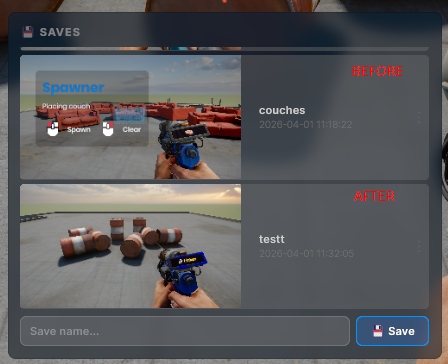
https://files.facepunch.com/CarsonKompon/2026/May/19_10-23-WigglyGoldenmantledgroundsquirrel.png

- Fixed an issue where the UI would scale improperly (as seen in the BEFORE image above), so now the UI will scale to the size of the bitmap when choosing to render the UI

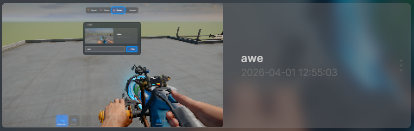
https://files.facepunch.com/CarsonKompon/2026/April/01_12-55-PositiveWildebeast.png
812 lines
22 KiB
C#
812 lines
22 KiB
C#
|
|
using Sandbox.Rendering;
|
|
using Sandbox.UI;
|
|
using System.Drawing;
|
|
using System.Text.Json.Serialization;
|
|
|
|
namespace Sandbox;
|
|
|
|
/// <summary>
|
|
/// Every scene should have at least one Camera.
|
|
/// </summary>
|
|
[Expose]
|
|
[Title( "Camera" )]
|
|
[Category( "Rendering" )]
|
|
[Icon( "videocam" )]
|
|
[EditorHandle( "materials/gizmo/camera.png" )]
|
|
public sealed partial class CameraComponent : Component, Component.ExecuteInEditor, Component.ISceneStage
|
|
{
|
|
SceneCamera sceneCamera;
|
|
|
|
/// <summary>
|
|
/// The clear flags for this camera.
|
|
/// </summary>
|
|
[Property]
|
|
public ClearFlags ClearFlags { get; set; } = ClearFlags.Color | ClearFlags.Stencil | ClearFlags.Depth;
|
|
|
|
/// <summary>
|
|
/// The background color of this camera's view if there's no 2D Sky in the scene.
|
|
/// </summary>
|
|
[Property]
|
|
public Color BackgroundColor { get; set; } = "#557685";
|
|
|
|
bool _isMainCamera = true;
|
|
int _priority = 1;
|
|
|
|
/// <summary>
|
|
/// Returns true if this is the main game camera.
|
|
/// </summary>
|
|
[Property]
|
|
public bool IsMainCamera
|
|
{
|
|
get => _isMainCamera;
|
|
set
|
|
{
|
|
if ( _isMainCamera == value )
|
|
return;
|
|
|
|
_isMainCamera = value;
|
|
Scene.UpdateMainCamera();
|
|
}
|
|
}
|
|
|
|
/// <summary>
|
|
/// The axis to use for the field of view.
|
|
/// </summary>
|
|
[Property, Title( "FOV Axis" ), HideIf( nameof( Orthographic ), true )]
|
|
public Axis FovAxis { get; set; } = Axis.Horizontal;
|
|
|
|
/// <summary>
|
|
/// The field of view of this camera.
|
|
/// </summary>
|
|
[Property, Range( 1, 179 ), HideIf( nameof( Orthographic ), true )]
|
|
public float FieldOfView { get; set; } = 60;
|
|
|
|
/// <summary>
|
|
/// The camera's near clip plane distance. This is the closest distance this camera will be able to render.
|
|
/// A good value for this is about 5. Below 5 and particularly below 1 you're going to start to see
|
|
/// a lot of artifacts like z-fighting.
|
|
/// </summary>
|
|
[Property, Range( 1, 1000 ), Step( 1 )]
|
|
public float ZNear { get; set; } = 10;
|
|
|
|
/// <summary>
|
|
/// The camera's far clip plane distance. This is the furthest distance this camera will be able to render.
|
|
/// This value totally depends on the game you're making. Shorter the better, sensible ranges would be
|
|
/// between about 1000 and 30000, but if you want it to be further out you can balance that out by making
|
|
/// ZNear larger.
|
|
/// </summary>
|
|
[Property, Range( 1, 100000 ), Step( 1 )]
|
|
public float ZFar { get; set; } = 10000;
|
|
|
|
/// <summary>
|
|
/// The priority of this camera. Dictates which camera gets rendered on top of another. Higher means it'll be rendered on top.
|
|
/// </summary>
|
|
[Property, Range( 1, 16 )]
|
|
public int Priority
|
|
{
|
|
get => _priority;
|
|
set
|
|
{
|
|
if ( _priority == value ) return;
|
|
|
|
_priority = value;
|
|
Scene.UpdateMainCamera();
|
|
}
|
|
}
|
|
|
|
/// <summary>
|
|
/// Whether or not to use orthographic projection instead of perspective.
|
|
/// </summary>
|
|
[Property]
|
|
public bool Orthographic { get; set; }
|
|
|
|
/// <summary>
|
|
/// The orthographic size for this camera while <see cref="Orthographic"/> is set to true.
|
|
/// </summary>
|
|
[Property]
|
|
public float OrthographicHeight { get; set; } = 1204;
|
|
|
|
/// <summary>
|
|
/// The HMD eye that this camera is targeting.
|
|
/// Use <see cref="StereoTargetEye.None"/> for the user's monitor (i.e. the companion window).
|
|
/// </summary>
|
|
[Property]
|
|
public StereoTargetEye TargetEye { get; set; } = StereoTargetEye.None;
|
|
|
|
/// <summary>
|
|
/// A list of tags that will be checked to include specific game objects when rendering this camera.
|
|
/// If none are set, it will include everything.
|
|
/// </summary>
|
|
[Property]
|
|
public TagSet RenderTags { get; set; } = new();
|
|
|
|
/// <summary>
|
|
/// A list of tags that will be checked to exclude specific game objects when rendering this camera.
|
|
/// </summary>
|
|
[Property]
|
|
public TagSet RenderExcludeTags { get; set; } = new();
|
|
|
|
/// <summary>
|
|
/// The size of the camera represented on the screen. Normalized between 0 and 1.
|
|
/// </summary>
|
|
[Property, Range( 0, 1, slider: false )]
|
|
public Vector4 Viewport { get; set; } = new( 0.0f, 0.0f, 1.0f, 1.0f ); // todo this should use a rect
|
|
|
|
/// <summary>
|
|
/// If specified, this camera will render to this RenderTexture instead of the screen.
|
|
/// This can then be used in other stuff like materials.
|
|
/// </summary>
|
|
[Property]
|
|
public RenderTextureAsset RenderTexture;
|
|
|
|
/// <summary>
|
|
/// Since we are rendering to a texture, better to generate mipmaps for it.
|
|
/// </summary>
|
|
private CommandList _renderTextureMipGenCommandList
|
|
{
|
|
get
|
|
{
|
|
var cmd = new CommandList( "Generate MipMaps For RenderTexture" );
|
|
|
|
if ( RenderTexture != null && RenderTexture.Texture != null && RenderTexture.Texture.Mips > 1 )
|
|
cmd.GenerateMipMaps( RenderTexture.Texture );
|
|
|
|
return cmd;
|
|
}
|
|
}
|
|
|
|
private Texture _renderTarget;
|
|
|
|
/// <summary>
|
|
/// The texture to draw this camera to.
|
|
/// Requires <see cref="Texture.CreateRenderTarget()"/>
|
|
/// </summary>
|
|
[JsonIgnore, Hide]
|
|
public Texture RenderTarget
|
|
{
|
|
get => RenderTexture?.Texture ?? _renderTarget;
|
|
set
|
|
{
|
|
if ( _renderTarget == value )
|
|
return;
|
|
|
|
if ( value is not null )
|
|
{
|
|
if ( !value.Desc.m_nFlags.HasFlag( NativeEngine.RuntimeTextureSpecificationFlags.TSPEC_RENDER_TARGET ) )
|
|
throw new Exception( $"{nameof( RenderTarget )} texture needs to be a render target" );
|
|
}
|
|
|
|
_renderTarget = value;
|
|
}
|
|
}
|
|
|
|
/// <summary>
|
|
/// Render this camera using a different render mode
|
|
/// </summary>
|
|
[JsonIgnore, Hide]
|
|
public SceneCameraDebugMode DebugMode { get; set; }
|
|
|
|
/// <summary>
|
|
/// Render this camera using a wireframe view.
|
|
/// </summary>
|
|
[JsonIgnore, Hide]
|
|
public bool WireframeMode { get; set; }
|
|
|
|
/// <summary>
|
|
/// Accessor for getting this Camera Component's SceneCamera
|
|
/// </summary>
|
|
internal SceneCamera SceneCamera
|
|
{
|
|
get => sceneCamera;
|
|
}
|
|
|
|
public override void Reset()
|
|
{
|
|
base.Reset();
|
|
|
|
RenderTags = new();
|
|
RenderExcludeTags = new();
|
|
Viewport = new( 0.0f, 0.0f, 1.0f, 1.0f );
|
|
ClearFlags = ClearFlags.Color | ClearFlags.Stencil | ClearFlags.Depth;
|
|
}
|
|
|
|
private void EnsureSceneCameraCreated()
|
|
{
|
|
if ( sceneCamera is not null ) return;
|
|
|
|
// scene should be scoped in!
|
|
Assert.NotNull( Scene );
|
|
if ( Game.IsPlaying )
|
|
{
|
|
// Only assert active scene in play mode, since we want to create cameras anywhere in the editor
|
|
Assert.AreEqual( Game.ActiveScene, Scene, "Camera scene is not active scene" );
|
|
}
|
|
|
|
// Use the GameObject name so we can identify the camera when debugging
|
|
sceneCamera = new( GameObject.Name );
|
|
|
|
sceneCamera.OnRenderStageHook = ExecuteCommandLists;
|
|
}
|
|
|
|
protected override void OnAwake()
|
|
{
|
|
EnsureSceneCameraCreated();
|
|
Scene.Cameras.Add( this );
|
|
}
|
|
|
|
protected override void OnDestroy()
|
|
{
|
|
Scene.Cameras.Remove( this );
|
|
sceneCamera?.Dispose();
|
|
sceneCamera = null;
|
|
}
|
|
|
|
protected override void DrawGizmos()
|
|
{
|
|
if ( sceneCamera is null )
|
|
return;
|
|
|
|
using var scope = Gizmo.Scope( $"{GetHashCode()}" );
|
|
|
|
Gizmo.Transform = global::Transform.Zero;
|
|
|
|
UpdateSceneCameraTransform( sceneCamera );
|
|
|
|
var frustum = sceneCamera.GetFrustum( new Rect( 0f, 0f, 1920f, 1080f ), new Vector2( 1920, 1080 ) );
|
|
|
|
Gizmo.Draw.Color = Color.White.WithAlpha( 0.4f );
|
|
Gizmo.Draw.LineFrustum( frustum );
|
|
}
|
|
|
|
internal void UpdateSceneCameraTransform( SceneCamera camera )
|
|
{
|
|
camera.Position = WorldPosition;
|
|
camera.Rotation = WorldRotation;
|
|
camera.ZNear = ZNear;
|
|
camera.ZFar = ZFar;
|
|
camera.Rect = new Rect( Viewport.x, Viewport.y, Viewport.z, Viewport.w );
|
|
camera.Size = ScreenRect.Size;
|
|
camera.Ortho = Orthographic;
|
|
camera.OrthoHeight = OrthographicHeight;
|
|
|
|
if ( FovAxis == Axis.Vertical )
|
|
camera.FieldOfView = Screen.CreateVerticalFieldOfView( FieldOfView );
|
|
else
|
|
camera.FieldOfView = FieldOfView;
|
|
}
|
|
|
|
internal void UpdateSceneCameraStereo( SceneCamera camera )
|
|
{
|
|
camera.TargetEye = TargetEye;
|
|
camera.WantsStereoSubmit = !Scene.IsEditor;
|
|
}
|
|
|
|
/// <summary>
|
|
/// Update a SceneCamera with the settings from this component
|
|
/// </summary>
|
|
public void UpdateSceneCamera( SceneCamera camera, bool includeTags = true )
|
|
{
|
|
if ( Scene is null )
|
|
{
|
|
Log.Warning( $"Trying to update camera from {this} but has no scene" );
|
|
return;
|
|
}
|
|
|
|
UpdateSceneCameraTransform( camera );
|
|
|
|
camera.World = Scene.SceneWorld;
|
|
camera.ClearFlags = ClearFlags;
|
|
camera.Worlds.Clear();
|
|
camera.Worlds.Add( Scene.DebugSceneWorld );
|
|
|
|
// Also render any active gizmos
|
|
if ( Gizmo.Active is not null )
|
|
camera.Worlds.Add( Gizmo.Active.World );
|
|
|
|
CopyPostProcessing( camera );
|
|
|
|
// A camera (such as the editor viewport) might not want to take render tags into account
|
|
// from an existing camera source
|
|
if ( includeTags )
|
|
{
|
|
camera.RenderTags.SetFrom( RenderTags );
|
|
camera.ExcludeTags.SetFrom( RenderExcludeTags );
|
|
}
|
|
|
|
// Merge our global Scene attributes into the camera
|
|
Scene.RenderAttributes.MergeTo( camera.Attributes );
|
|
|
|
camera.DebugMode = DebugMode;
|
|
camera.WireframeMode = WireframeMode;
|
|
camera.EnablePostProcessing = EnablePostProcessing;
|
|
camera.BackgroundColor = ClearFlags.Contains( ClearFlags.Color ) ? BackgroundColor : Color.Transparent;
|
|
}
|
|
|
|
internal void CopyPostProcessing( SceneCamera camera )
|
|
{
|
|
if ( Scene is null )
|
|
{
|
|
Log.Warning( $"Trying to update camera from {this} but has no scene" );
|
|
return;
|
|
}
|
|
|
|
// defaults - let components override
|
|
camera.CubemapFog.Enabled = false;
|
|
camera.Bloom.Enabled = false;
|
|
|
|
AutoExposure.Apply( camera );
|
|
|
|
// Don't set the background colour if we don't clear color
|
|
// Also don't hook into render overlays, nor volumetric fog stuff.
|
|
if ( ClearFlags.Contains( ClearFlags.Color ) )
|
|
{
|
|
camera.VolumetricFog.Enabled = Scene.GetAllComponents<VolumetricFogVolume>().Count() > 0;
|
|
camera.VolumetricFog.DrawDistance = 4096;
|
|
camera.VolumetricFog.FadeInStart = 64;
|
|
camera.VolumetricFog.FadeInEnd = 256;
|
|
camera.VolumetricFog.IndirectStrength = 1.0f;
|
|
camera.VolumetricFog.Anisotropy = 1;
|
|
camera.VolumetricFog.Scattering = 1.0f;
|
|
camera.VolumetricFog.BakedIndirectTexture = Scene.GetAllComponents<VolumetricFogController>().FirstOrDefault()?.BakedFogTexture;
|
|
}
|
|
|
|
#pragma warning disable CS0612
|
|
GameObject.RunEvent<ISceneCameraSetup>( x => x.SetupCamera( this, camera ) );
|
|
#pragma warning restore CS0612
|
|
|
|
//
|
|
// Child camera executes command lists from this camera
|
|
//
|
|
camera.OnRenderStageHook = ExecuteCommandLists;
|
|
|
|
//
|
|
// Hack because I don't want this to have to be on a camera. This
|
|
// is hidden from users, so we'll figure out how to square it later
|
|
//
|
|
foreach ( var cubemapFog in Scene.GetAllComponents<CubemapFog>() )
|
|
{
|
|
if ( cubemapFog.Tags.HasAny( RenderExcludeTags ) )
|
|
continue;
|
|
|
|
cubemapFog.SetupCamera( this, camera );
|
|
}
|
|
}
|
|
|
|
/// <summary>
|
|
/// Update the SceneCamera UI with the settings from this component
|
|
/// </summary>
|
|
private void UpdateSceneCameraUI( SceneCamera camera )
|
|
{
|
|
if ( Scene is null )
|
|
return;
|
|
|
|
camera.OnRenderUI = () => OnCameraRenderUI( camera );
|
|
}
|
|
|
|
[Obsolete( "Use CommandList" )]
|
|
public IDisposable AddHookAfterOpaque( string debugName, int order, Action<SceneCamera> renderEffect ) => null;
|
|
|
|
/// <summary>
|
|
/// Obsolete 09/06/2025
|
|
/// </summary>
|
|
[Obsolete( "Use CommandList" )]
|
|
public IDisposable AddHookAfterTransparent( string debugName, int order, Action<SceneCamera> renderEffect ) => null;
|
|
|
|
/// <summary>
|
|
/// Obsolete 09/06/2025
|
|
/// </summary>
|
|
[Obsolete( "Use CommandList" )]
|
|
public IDisposable AddHookBeforeOverlay( string debugName, int order, Action<SceneCamera> renderEffect ) => null;
|
|
|
|
/// <summary>
|
|
/// Obsolete 02/10/2025
|
|
/// </summary>
|
|
[Obsolete( "Use CommandList" )]
|
|
public IDisposable AddHookAfterUI( string debugName, int order, Action<SceneCamera> renderEffect ) => null;
|
|
|
|
private void OnCameraRenderUI( SceneCamera camera )
|
|
{
|
|
if ( Scene is null )
|
|
return;
|
|
|
|
foreach ( var c in Scene.GetAll<ScreenPanel>().OrderBy( x => x.ZIndex ) )
|
|
{
|
|
if ( !c.Active ) continue;
|
|
var target = c.TargetCamera ?? (IsMainCamera ? this : null);
|
|
if ( target != this ) continue;
|
|
if ( RenderExcludeTags.HasAny( c.GameObject.Tags ) ) continue;
|
|
|
|
c.Render();
|
|
}
|
|
}
|
|
|
|
/// <summary>
|
|
/// Obsolete 02/10/2025
|
|
/// </summary>
|
|
[Obsolete]
|
|
public interface ISceneCameraSetup
|
|
{
|
|
void SetupCamera( CameraComponent camera, SceneCamera sceneCamera );
|
|
}
|
|
|
|
internal bool IsSceneEditorCamera;
|
|
|
|
internal void InitializeRendering( bool renderUI = true )
|
|
{
|
|
using ( Scene.Push() )
|
|
{
|
|
EnsureSceneCameraCreated();
|
|
|
|
if ( IsSceneEditorCamera )
|
|
{
|
|
UpdateSceneCamera( sceneCamera );
|
|
Scene.Camera?.CopyPostProcessing( sceneCamera );
|
|
}
|
|
else
|
|
{
|
|
UpdateSceneCamera( sceneCamera );
|
|
}
|
|
|
|
UpdateSceneCameraUI( sceneCamera );
|
|
sceneCamera.RenderUI = renderUI;
|
|
UpdateSceneCameraStereo( sceneCamera );
|
|
}
|
|
}
|
|
|
|
/// <summary>
|
|
/// This should only be called when creating render lists!!
|
|
/// </summary>
|
|
internal void AddToRenderList( SwapChainHandle_t swapChain, Vector2? size )
|
|
{
|
|
if ( !Active )
|
|
return;
|
|
|
|
// if width and height are too small, skip it
|
|
if ( Viewport.z <= 0 ) return;
|
|
if ( Viewport.w <= 0 ) return;
|
|
|
|
using ( Scene.Push() )
|
|
{
|
|
InitializeRendering();
|
|
|
|
if ( RenderTarget is not null && RenderTarget.native.IsValid )
|
|
{
|
|
SceneCamera.RenderToTexture( RenderTarget, CustomSize ?? size, default );
|
|
}
|
|
else
|
|
{
|
|
SceneCamera.AddToRenderList( swapChain, CustomSize ?? size );
|
|
}
|
|
}
|
|
}
|
|
|
|
public Vector2 PointToScreenNormal( in Vector3 worldPosition )
|
|
{
|
|
EnsureSceneCameraCreated();
|
|
UpdateSceneCameraTransform( sceneCamera );
|
|
|
|
return sceneCamera.ToScreenNormal( worldPosition );
|
|
}
|
|
|
|
public Vector2 PointToScreenPixels( in Vector3 worldPosition )
|
|
{
|
|
var sr = ScreenRect;
|
|
var v = PointToScreenNormal( worldPosition );
|
|
return new Vector2( v.x, v.y ) * sr.Size;
|
|
}
|
|
|
|
/// <summary>
|
|
/// The size of the viewport, in screen coordinates
|
|
/// </summary>
|
|
public Rect ScreenRect
|
|
{
|
|
get
|
|
{
|
|
var ss = CustomSize ?? Screen.Size;
|
|
return new Rect( ss.x * Viewport.x, ss.y * Viewport.y, ss.x * Viewport.z, ss.y * Viewport.w );
|
|
}
|
|
}
|
|
|
|
/// <summary>
|
|
/// Given a BBox in world space, will return the screen space rect that totally contains the box.
|
|
/// </summary>
|
|
public Rect BBoxToScreenPixels( BBox bounds, out bool isBehind )
|
|
{
|
|
Vector2[] corners = new Vector2[8];
|
|
Vector3 min = bounds.Mins;
|
|
Vector3 max = bounds.Maxs;
|
|
|
|
isBehind = true;
|
|
|
|
corners[0] = PointToScreenPixels( new Vector3( min.x, min.y, min.z ) );
|
|
corners[1] = PointToScreenPixels( new Vector3( max.x, min.y, min.z ) );
|
|
corners[2] = PointToScreenPixels( new Vector3( min.x, max.y, min.z ) );
|
|
corners[3] = PointToScreenPixels( new Vector3( min.x, min.y, max.z ) );
|
|
corners[4] = PointToScreenPixels( new Vector3( max.x, max.y, min.z ) );
|
|
corners[5] = PointToScreenPixels( new Vector3( min.x, max.y, max.z ) );
|
|
corners[6] = PointToScreenPixels( new Vector3( max.x, min.y, max.z ) );
|
|
corners[7] = PointToScreenPixels( new Vector3( max.x, max.y, max.z ) );
|
|
|
|
Vector2 minScreen = corners[0];
|
|
Vector2 maxScreen = corners[0];
|
|
|
|
for ( int i = 1; i < 8; i++ )
|
|
{
|
|
minScreen = Vector2.Min( minScreen, corners[i] );
|
|
maxScreen = Vector2.Max( maxScreen, corners[i] );
|
|
}
|
|
|
|
var ss = CustomSize ?? Screen.Size;
|
|
|
|
// off screen
|
|
if ( maxScreen.x < 0 ) isBehind = true;
|
|
if ( maxScreen.y < 0 ) isBehind = true;
|
|
if ( minScreen.x > ss.x ) isBehind = true;
|
|
if ( minScreen.y > ss.y ) isBehind = true;
|
|
|
|
return Rect.FromPoints( minScreen, maxScreen );
|
|
}
|
|
|
|
public Vector2 PointToScreenPixels( Vector3 worldPosition, out bool isBehind )
|
|
{
|
|
EnsureSceneCameraCreated();
|
|
UpdateSceneCameraTransform( sceneCamera );
|
|
|
|
var sr = ScreenRect;
|
|
var v = sceneCamera.ToScreenWithDirection( worldPosition );
|
|
isBehind = v.z <= 0.0f;
|
|
return new Vector2( v.x, v.y ) * sr.Size;
|
|
}
|
|
|
|
public Vector2 PointToScreenNormal( Vector3 worldPosition, out bool isBehind )
|
|
{
|
|
EnsureSceneCameraCreated();
|
|
UpdateSceneCameraTransform( sceneCamera );
|
|
|
|
var v = sceneCamera.ToScreenWithDirection( worldPosition );
|
|
isBehind = v.z <= 0.0f;
|
|
return new Vector2( v.x, v.y );
|
|
}
|
|
|
|
public Ray ScreenPixelToRay( Vector2 pixelPosition )
|
|
{
|
|
EnsureSceneCameraCreated();
|
|
UpdateSceneCameraTransform( sceneCamera );
|
|
|
|
return sceneCamera.GetRay( pixelPosition, ScreenRect.Size );
|
|
}
|
|
|
|
public Ray ScreenNormalToRay( Vector3 normalPosition )
|
|
{
|
|
var pixelPosition = new Vector3(
|
|
normalPosition.x * ScreenRect.Size.x,
|
|
normalPosition.y * ScreenRect.Size.y,
|
|
normalPosition.z );
|
|
|
|
return ScreenPixelToRay( pixelPosition );
|
|
}
|
|
|
|
/// <summary>
|
|
/// Convert from screen coords to world coords on the near frustum plane.
|
|
/// </summary>
|
|
public Vector3 ScreenToWorld( Vector2 screen )
|
|
{
|
|
EnsureSceneCameraCreated();
|
|
UpdateSceneCameraTransform( sceneCamera );
|
|
|
|
return sceneCamera.ToWorld( screen );
|
|
}
|
|
|
|
protected override void OnEnabled()
|
|
{
|
|
Scene?.UpdateMainCamera();
|
|
|
|
AddCommandList( _hudCommandList, Rendering.Stage.AfterPostProcess, 5000 );
|
|
AddCommandList( _overlayCommandList, Rendering.Stage.AfterUI, 5000 );
|
|
|
|
if ( RenderTexture is not null )
|
|
AddCommandList( _renderTextureMipGenCommandList, Rendering.Stage.AfterPostProcess, 10000 );
|
|
}
|
|
|
|
protected override void OnDisabled()
|
|
{
|
|
Scene?.UpdateMainCamera();
|
|
|
|
RemoveCommandList( _hudCommandList );
|
|
RemoveCommandList( _overlayCommandList );
|
|
RemoveCommandList( _renderTextureMipGenCommandList );
|
|
}
|
|
|
|
/// <summary>
|
|
/// Returns the view frustum of the current screen rect.
|
|
/// </summary>
|
|
public Frustum GetFrustum()
|
|
{
|
|
UpdateSceneCameraTransform( sceneCamera );
|
|
return sceneCamera.GetFrustum( ScreenRect );
|
|
}
|
|
|
|
/// <summary>
|
|
/// Given a pixel rect return a frustum on the current camera.
|
|
/// </summary>
|
|
public Frustum GetFrustum( Rect screenRect )
|
|
{
|
|
// Note: Updating every time might cause issues if too much pressure is put on this function. Keep an eye on it.
|
|
UpdateSceneCameraTransform( sceneCamera );
|
|
return sceneCamera.GetFrustum( screenRect );
|
|
}
|
|
|
|
/// <summary>
|
|
/// Given a pixel rect return a frustum on the current camera. Pass in 1 to ScreenSize to use normalized screen coords.
|
|
/// </summary>
|
|
public Frustum GetFrustum( Rect screenRect, Vector3 screenSize )
|
|
{
|
|
// Same as above
|
|
UpdateSceneCameraTransform( sceneCamera );
|
|
return sceneCamera.GetFrustum( screenRect, screenSize );
|
|
}
|
|
|
|
/// <summary>
|
|
/// Render scene to a texture from this camera's point of view
|
|
/// </summary>
|
|
public bool RenderToTexture( Texture target, in ViewSetup config = default )
|
|
{
|
|
if ( target is null || target.native.IsNull )
|
|
return false;
|
|
|
|
// TODO: we need to get rid of this guard, it's a hack
|
|
if ( !Graphics.IsActive )
|
|
{
|
|
Scene.PreCameraRender();
|
|
// TODO: not sure why we call this again PreCameraRender should init all cameras
|
|
InitializeRendering();
|
|
}
|
|
|
|
using var setup = new CameraRenderer( $"{GameObject.Name}.RenderToTexture", sceneCamera._cameraId );
|
|
|
|
lock ( this )
|
|
{
|
|
setup.Configure( sceneCamera, config );
|
|
|
|
//
|
|
// Adds the views to the scene system
|
|
//
|
|
setup.Native.RenderToTexture( target.native, Graphics.SceneView );
|
|
setup.Native.ClearSceneWorlds();
|
|
}
|
|
|
|
|
|
return true;
|
|
}
|
|
|
|
/// <summary>
|
|
/// Allows specifying a custom projection matrix for this camera
|
|
/// </summary>
|
|
public Matrix? CustomProjectionMatrix
|
|
{
|
|
get => SceneCamera.CustomProjectionMatrix;
|
|
set => SceneCamera.CustomProjectionMatrix = value;
|
|
}
|
|
|
|
/// <summary>
|
|
/// Allows specifying a custom aspect ratio for this camera.
|
|
/// By default (or when null) the camera size is screen size or render target size.
|
|
/// </summary>
|
|
[JsonIgnore, Hide]
|
|
public Vector2? CustomSize { get; set; }
|
|
|
|
/// <summary>
|
|
/// Get frustum projection matrix.
|
|
/// </summary>
|
|
public Matrix ProjectionMatrix => sceneCamera.ProjectionMatrix;
|
|
|
|
/// <summary>
|
|
/// Calculates a projection matrix with an oblique clip-plane defined in world space.
|
|
/// </summary>
|
|
public Matrix CalculateObliqueMatrix( Plane clipPlane )
|
|
{
|
|
var tx = WorldTransform;
|
|
var normal = tx.Rotation.Inverse * clipPlane.Normal;
|
|
normal = new Vector3( normal.y, -normal.z, normal.x ).Normal;
|
|
|
|
System.Numerics.Matrix4x4 m = ProjectionMatrix;
|
|
|
|
Vector4 q = default;
|
|
|
|
q.x = (MathF.Sign( normal.x ) - m.M13) / m.M11;
|
|
q.y = (MathF.Sign( normal.y ) - m.M23) / m.M22;
|
|
q.z = 1f;
|
|
q.w = (1f - m.M33) / m.M34;
|
|
|
|
var plane = new Vector4( normal, Vector3.Dot( tx.Position - clipPlane.Position, clipPlane.Normal ) );
|
|
var c = plane * (1.0f / System.Numerics.Vector4.Dot( plane, q ));
|
|
|
|
m.M31 = -c.x;
|
|
m.M32 = -c.y;
|
|
m.M33 = -c.z;
|
|
m.M34 = c.w;
|
|
|
|
return m;
|
|
}
|
|
|
|
public enum Axis
|
|
{
|
|
/// <summary>
|
|
/// Fits the view within the x-axis.
|
|
/// </summary>
|
|
[Icon( "panorama_horizontal" )]
|
|
Horizontal,
|
|
|
|
/// <summary>
|
|
/// Fits the view within the y-axis.
|
|
/// </summary>
|
|
[Icon( "panorama_vertical" )]
|
|
Vertical
|
|
}
|
|
|
|
/// <summary>
|
|
/// Render this camera to the target bitmap.
|
|
/// </summary>
|
|
public void RenderToBitmap( Bitmap targetBitmap ) => RenderToBitmap( targetBitmap, true );
|
|
|
|
/// <summary>
|
|
/// Render this camera to the target bitmap, with the option to include or exclude the drawn UI.
|
|
/// </summary>
|
|
public void RenderToBitmap( Bitmap targetBitmap, bool renderUI )
|
|
{
|
|
if ( targetBitmap == null || targetBitmap.Width <= 1 || targetBitmap.Height <= 1 )
|
|
return;
|
|
|
|
if ( !this.IsValid() )
|
|
return;
|
|
|
|
using ( Scene.Push() )
|
|
{
|
|
Scene.PreCameraRender();
|
|
InitializeRendering( renderUI );
|
|
|
|
// Resize the UI to the target bitmap size
|
|
if ( renderUI )
|
|
ResizeUI( targetBitmap.Size );
|
|
|
|
SceneCamera.OnPreRender( targetBitmap.Size );
|
|
SceneCamera.RenderToBitmap( targetBitmap );
|
|
|
|
// Resize the UI back to the screen size
|
|
if ( renderUI )
|
|
ResizeUI( new Vector2( Screen.Width, Screen.Height ) );
|
|
}
|
|
}
|
|
|
|
private void ResizeUI( Vector2 size )
|
|
{
|
|
if ( Scene is null )
|
|
return;
|
|
|
|
foreach ( var panel in Scene.GetAll<ScreenPanel>() )
|
|
{
|
|
if ( !panel.IsValid() || !panel.Active )
|
|
continue;
|
|
|
|
var target = panel.TargetCamera ?? (IsMainCamera ? this : null);
|
|
if ( target != this )
|
|
continue;
|
|
|
|
if ( RenderExcludeTags.HasAny( panel.GameObject.Tags ) )
|
|
continue;
|
|
|
|
if ( panel.GetPanel() is not RootPanel rootPanel || !rootPanel.IsValid() )
|
|
continue;
|
|
|
|
var screenRect = new Rect( 0, 0, size.x, size.y );
|
|
|
|
rootPanel.PreLayout( screenRect );
|
|
rootPanel.CalculateLayout();
|
|
rootPanel.PostLayout();
|
|
|
|
rootPanel.BuildCommandList();
|
|
}
|
|
}
|
|
}
|