mirror of
https://github.com/Facepunch/sbox-public.git
synced 2026-04-20 06:19:05 -04:00
 73eb8b7dba
* Log warning isntead of asserting when a prefab file is missing

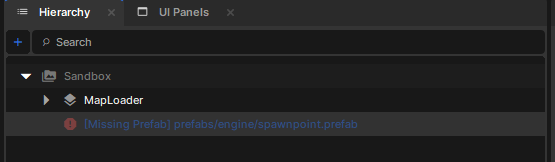
* Prefab Instances with missing prefab files now show up as broken in the hierarchy

Their data is retained similar to missing components so if the file gets restored the instance will recreate properly

https://files.facepunch.com/lolleko/2026/April/07_15-50-CarelessIraniangroundjay.png
1027 lines
32 KiB
C#
1027 lines
32 KiB
C#
using Facepunch.ActionGraphs;
|
|
using Sandbox.ActionGraphs;
|
|
using System.Text.Json;
|
|
using System.Text.Json.Nodes;
|
|
|
|
namespace Sandbox;
|
|
|
|
public partial class GameObject
|
|
{
|
|
internal const int GameObjectVersion = 2;
|
|
|
|
/// <summary>
|
|
/// Helper variable for editor refreshes during deserialization.
|
|
/// </summary>
|
|
private bool _removeAfterDeserializationRefresh = false;
|
|
|
|
public class SerializeOptions
|
|
{
|
|
/// <summary>
|
|
/// If we're serializing for network, we won't include any networked objects
|
|
/// </summary>
|
|
public bool SceneForNetwork { get; set; }
|
|
|
|
/// <summary>
|
|
/// We're cloning this object
|
|
/// </summary>
|
|
[Obsolete( "Has no effect" )]
|
|
public bool Cloning { get; set; }
|
|
|
|
/// <summary>
|
|
/// We're going to send a single network object
|
|
/// </summary>
|
|
public bool SingleNetworkObject { get; set; }
|
|
|
|
/// <summary>
|
|
/// Serialize the full hierarchy, prefab instances will be expanded to include all their children and components.
|
|
/// All instances will be considered nested instances.
|
|
/// The path to the prefab instance will be included in the JSON <see cref="JsonKeys.EditorPrefabInstanceNestedSource"/>
|
|
/// Implies
|
|
/// </summary>
|
|
internal bool SerializePrefabForDiff { get; set; }
|
|
|
|
/// <summary>
|
|
/// Serialize the prefab instance so it can be used to update the state of the prefab.
|
|
/// Makes sure TopLevel nested prefabs are flagged, so they can get converted to a full prefab instance in the prefab.
|
|
/// </summary>
|
|
internal bool SerializeForPrefabInstanceToPrefabUpdate { get; set; }
|
|
|
|
/// <summary>
|
|
/// Don't serialize gameObject children.
|
|
/// </summary>
|
|
internal bool IgnoreChildren { get; set; }
|
|
|
|
/// <summary>
|
|
/// Don't serialize gameObject components.
|
|
/// </summary>
|
|
internal bool IgnoreComponents { get; set; }
|
|
|
|
/// <summary>
|
|
/// Skip null member values during serialization to reduce output size.
|
|
/// On the receive side, deserialize with <see cref="DeserializeOptions.ClearAbsentFields"/> set to
|
|
/// <see langword="true"/> so that missing keys are treated as an explicit null for reference/nullable types,
|
|
/// clearing any stale value on the receiver.
|
|
/// Value types are never skipped (they cannot be null) so they are always safe.
|
|
/// </summary>
|
|
internal bool SkipNulls { get; set; }
|
|
|
|
internal bool ShouldSave( GameObject gameObject )
|
|
{
|
|
var shouldIgnoreNotSavedFlag = SingleNetworkObject || SceneForNetwork;
|
|
|
|
// Marked as do not save. This means to disk, really.
|
|
if ( gameObject.Flags.Contains( GameObjectFlags.NotSaved ) && !shouldIgnoreNotSavedFlag ) return false;
|
|
|
|
// We're saving for the network.
|
|
if ( SceneForNetwork || SingleNetworkObject )
|
|
{
|
|
if ( gameObject.NetworkMode == NetworkMode.Never ) return false;
|
|
if ( gameObject.Flags.Contains( GameObjectFlags.NotNetworked ) ) return false;
|
|
}
|
|
|
|
var isObjectNetworked = gameObject.Network.Active || gameObject.NetworkMode == NetworkMode.Object;
|
|
|
|
//
|
|
// If we're serializing the entire scene to send down the network, then don't send this
|
|
// object if it's a network object, it'll get sent in the snapshots.
|
|
//
|
|
if ( SceneForNetwork && isObjectNetworked ) return false;
|
|
|
|
return true;
|
|
}
|
|
}
|
|
|
|
private static readonly SerializeOptions _defaultSerializeOptions = new();
|
|
|
|
public struct DeserializeOptions
|
|
{
|
|
/// <summary>
|
|
///
|
|
/// When true, updates the existing GameObject hierarchy instead of creating a new one from scratch.
|
|
/// This preserves C# object references and identity, used for undo/redo operations,
|
|
/// and prefab instance patching.
|
|
///
|
|
/// During refreshing:
|
|
/// - Existing GameObjects and Components are updated rather than recreated
|
|
/// - Objects are matched by their GUIDs
|
|
/// - Only missing objects are created
|
|
/// - Existing objects not present in the JSON are removed
|
|
/// - Component ordering is preserved as specified in the JSON
|
|
/// </summary>
|
|
internal bool IsRefreshing { get; set; }
|
|
|
|
/// <summary>
|
|
/// Should be used in Conjunction with <see cref="IsRefreshing"/>.
|
|
/// Makes sure child networked objects are not removed during refresh.
|
|
/// </summary>
|
|
internal bool IsNetworkRefresh { get; set; }
|
|
|
|
/// <summary>
|
|
/// When true, component properties absent from the JSON (e.g. omitted by
|
|
/// <see cref="SerializeOptions.SkipNulls"/>) are explicitly cleared to null/default
|
|
/// rather than left at their existing value.
|
|
/// </summary>
|
|
internal bool ClearAbsentFields { get; set; }
|
|
|
|
/// <summary>
|
|
/// Allows overriding the transform when deserializing. Will apply only to the root object.
|
|
/// </summary>
|
|
public Transform? TransformOverride { get; set; }
|
|
}
|
|
|
|
private static readonly DeserializeOptions _defaultDeserializeOptions = new();
|
|
|
|
// Stashed by Deserialize(), consumed by InvokeCallback(Deserialize) to avoid a closure allocation.
|
|
private DeserializeOptions _pendingDeserializeOptions;
|
|
|
|
/// <summary>
|
|
/// Returns either a full JsonObject with all the GameObjects data,
|
|
/// or if this GameObject is a prefab instance, it will return an object containing the patch/diff between instance and prefab.
|
|
/// </summary>
|
|
public virtual JsonObject Serialize( SerializeOptions options = null )
|
|
{
|
|
options ??= _defaultSerializeOptions;
|
|
|
|
if ( !options.ShouldSave( this ) ) return null;
|
|
|
|
if ( IsOutermostPrefabInstanceRoot && !options.SerializePrefabForDiff && !options.SingleNetworkObject && !options.SceneForNetwork )
|
|
{
|
|
return SerializePrefabInstance();
|
|
}
|
|
|
|
var json = SerializeStandard( options );
|
|
|
|
return json;
|
|
}
|
|
|
|
/// <summary>
|
|
/// Creates a JSON representation of this prefab instance including its overrides and GUID mappings.
|
|
/// </summary>
|
|
private JsonObject SerializePrefabInstance()
|
|
{
|
|
PrefabInstance.RefreshPatch();
|
|
|
|
var json = new JsonObject();
|
|
|
|
json[JsonKeys.Id] = Id;
|
|
if ( GameObjectVersion != 0 ) json[JsonKeys.Version] = GameObjectVersion;
|
|
json[JsonKeys.PrefabInstanceSource] = JsonValue.Create( PrefabInstance.PrefabSource );
|
|
json[JsonKeys.PrefabInstancePatch] = Json.ToNode( PrefabInstance.Patch );
|
|
json[JsonKeys.PrefabIdToInstanceId] = Json.ToNode( PrefabInstance.PrefabToInstanceLookup );
|
|
|
|
return json;
|
|
}
|
|
|
|
/// <summary>
|
|
/// Returns a JsonObject containing all the GameObject's data.
|
|
/// </summary>
|
|
internal virtual JsonObject SerializeStandard( SerializeOptions options )
|
|
{
|
|
using var sceneScope = Scene.Push();
|
|
|
|
// Will omit serializing the target of embedded Action Graphs
|
|
using var targetScope = ActionGraph.PushTarget( InputDefinition.Target( typeof( GameObject ) ) );
|
|
|
|
if ( !options.ShouldSave( this ) ) return null;
|
|
|
|
var json = new JsonObject();
|
|
|
|
json[JsonKeys.Id] = Id;
|
|
if ( GameObjectVersion != 0 ) json[JsonKeys.Version] = GameObjectVersion;
|
|
json[JsonKeys.Flags] = (long)Flags;
|
|
json[JsonKeys.Name] = Name;
|
|
|
|
SerializeTransform( json );
|
|
|
|
json.Add( JsonKeys.Tags, string.Join( ",", Tags.TryGetAll( false ) ) );
|
|
json.Add( JsonKeys.Enabled, Enabled );
|
|
json.Add( JsonKeys.NetworkMode, (int)NetworkMode );
|
|
json.Add( JsonKeys.NetworkFlags, (int)NetworkFlags );
|
|
json.Add( JsonKeys.NetworkOrphaned, (int)NetworkOrphaned );
|
|
json.Add( JsonKeys.AlwaysTransmit, AlwaysTransmit );
|
|
json.Add( JsonKeys.OwnerTransfer, (int)OwnerTransfer );
|
|
|
|
if ( (!options.SceneForNetwork && !options.SingleNetworkObject)
|
|
&& (IsNestedPrefabInstanceRoot || (IsOutermostPrefabInstanceRoot && options.SerializePrefabForDiff)) )
|
|
{
|
|
if ( options.SerializeForPrefabInstanceToPrefabUpdate && Parent is not null && Parent.IsOutermostPrefabInstanceRoot )
|
|
{
|
|
json[JsonKeys.EditorSkipPrefabBreakOnRefresh] = true;
|
|
}
|
|
else
|
|
{
|
|
json[JsonKeys.EditorPrefabInstanceNestedSource] = JsonValue.Create( PrefabInstance.PrefabSource );
|
|
}
|
|
}
|
|
|
|
// Preserve the prefab path when networking an instance
|
|
if ( options.SingleNetworkObject && IsPrefabInstanceRoot )
|
|
{
|
|
json[JsonKeys.NetworkedPrefabInstance] = PrefabInstanceSource;
|
|
}
|
|
|
|
if ( !options.IgnoreComponents )
|
|
{
|
|
var components = new JsonArray();
|
|
|
|
foreach ( var component in Components.GetAll() )
|
|
{
|
|
if ( component is null ) continue;
|
|
|
|
if ( component is MissingComponent missing )
|
|
{
|
|
components.Add( missing.GetJson() );
|
|
continue;
|
|
}
|
|
|
|
try
|
|
{
|
|
var result = component.Serialize( options );
|
|
if ( result is null ) continue;
|
|
|
|
components.Add( result );
|
|
}
|
|
catch ( System.Exception e )
|
|
{
|
|
Log.Warning( e, $"Exception when serializing {component} - skipping!" );
|
|
}
|
|
}
|
|
|
|
json.Add( JsonKeys.Components, components );
|
|
}
|
|
|
|
if ( !options.IgnoreChildren )
|
|
{
|
|
var children = new JsonArray();
|
|
|
|
for ( int i = 0; i < Children.Count; i++ )
|
|
{
|
|
var child = Children[i];
|
|
|
|
if ( child is null ) continue;
|
|
|
|
// Child GameObjects that are being destroyed don't want to be serialized
|
|
if ( child.IsDestroyed ) continue;
|
|
|
|
// check both our current network status, and our wish network status
|
|
// because we might be in the middle of spawning, and will become network
|
|
// active after this.
|
|
bool childIsNetworked = child.IsNetworkRoot || child.NetworkMode == NetworkMode.Object;
|
|
|
|
// If this child is an independently networked object, and we're already serializing a
|
|
// single network object we should not include it.
|
|
if ( options.SingleNetworkObject && childIsNetworked ) continue;
|
|
|
|
try
|
|
{
|
|
var result = child.Serialize( options );
|
|
|
|
if ( result is not null )
|
|
{
|
|
children.Add( result );
|
|
}
|
|
}
|
|
catch ( System.Exception e )
|
|
{
|
|
Log.Warning( e, $"Exception when serializing GameObject" );
|
|
}
|
|
}
|
|
|
|
json.Add( JsonKeys.Children, children );
|
|
}
|
|
|
|
return json;
|
|
}
|
|
|
|
public virtual void Deserialize( JsonObject node ) => Deserialize( node, _defaultDeserializeOptions );
|
|
|
|
public virtual void Deserialize( JsonObject node, DeserializeOptions options )
|
|
{
|
|
ArgumentNullException.ThrowIfNull( node, nameof( node ) );
|
|
|
|
using var sceneScope = Scene.Push();
|
|
|
|
var serializedVersion = (int)(node[JsonKeys.Version] ?? 0);
|
|
if ( serializedVersion < GameObjectVersion )
|
|
{
|
|
JsonUpgrader.Upgrade( serializedVersion, node, GetType() );
|
|
}
|
|
|
|
DeserializeFlags( node, options );
|
|
Flags |= GameObjectFlags.Deserializing;
|
|
|
|
if ( node[JsonKeys.EditorSkipPrefabBreakOnRefresh] is null )
|
|
{
|
|
_prefabInstanceData = null;
|
|
}
|
|
|
|
// Handle nested prefab instances
|
|
// Only init with a path, we don't have any patches or lookups for nested instances.
|
|
if ( node[JsonKeys.EditorPrefabInstanceNestedSource] is JsonValue __PrefabNestedInstance && __PrefabNestedInstance.TryGetValue( out string prefabSource ) )
|
|
{
|
|
if ( this is not PrefabScene )
|
|
{
|
|
InitPrefabInstance( prefabSource, true );
|
|
|
|
var prefabFile = ResourceLibrary.Get<PrefabFile>( PrefabInstance.PrefabSource );
|
|
if ( !IsPrefabLoaded( prefabFile ) )
|
|
{
|
|
PostDeserialize( options );
|
|
return;
|
|
}
|
|
|
|
// Need to create those since they are not stored
|
|
if ( !PrefabInstance.InitMappingsForNestedInstance( node[JsonKeys.Id].Deserialize<Guid>() ) )
|
|
{
|
|
PostDeserialize( options );
|
|
return;
|
|
}
|
|
}
|
|
}
|
|
// Handle full prefab instances
|
|
else if ( node[JsonKeys.PrefabInstanceSource] is JsonValue __prefab && __prefab.TryGetValue( out prefabSource ) )
|
|
{
|
|
InitPrefabInstance( prefabSource, false );
|
|
|
|
var prefabFile = ResourceLibrary.Get<PrefabFile>( PrefabInstance.PrefabSource );
|
|
if ( !IsPrefabLoaded( prefabFile ) )
|
|
{
|
|
// Preserve patch and GUID mappings so the instance data survives save/load round-trips
|
|
// and can be fully restored when the prefab file comes back.
|
|
if ( node[JsonKeys.PrefabInstancePatch] is JsonObject stubPatchJson )
|
|
{
|
|
PrefabInstance.InitPatch( Json.FromNode<Json.Patch>( stubPatchJson ) );
|
|
PrefabInstance.InitLookups( node[JsonKeys.PrefabIdToInstanceId]?.Deserialize<Dictionary<Guid, Guid>>() ?? new Dictionary<Guid, Guid>() );
|
|
}
|
|
|
|
// Keep this object visible in the hierarchy as a disabled stub.
|
|
DeserializeId( node );
|
|
Name = $"[Missing Prefab] {PrefabInstance.PrefabSource}";
|
|
_enabled = false;
|
|
Flags |= GameObjectFlags.Error;
|
|
|
|
PostDeserialize( options );
|
|
UpdateEnabledStatus();
|
|
return;
|
|
}
|
|
|
|
Json.Patch instancePatch = null;
|
|
Dictionary<Guid, Guid> nodePrefabToInstanceId = null;
|
|
if ( node[JsonKeys.PrefabInstancePatch] is JsonObject patchJson )
|
|
{
|
|
instancePatch = Json.FromNode<Json.Patch>( patchJson );
|
|
nodePrefabToInstanceId = node[JsonKeys.PrefabIdToInstanceId]?.Deserialize<Dictionary<Guid, Guid>>() ?? new Dictionary<Guid, Guid>();
|
|
}
|
|
else
|
|
{
|
|
// This shouldn't be able to happen in a valid project, if it for some reason does we want to know about it.
|
|
|
|
// The prefab is missing, catch this and demote to a warning
|
|
if ( prefabFile.IsPromise )
|
|
{
|
|
Log.Warning( $"Unable to load prefab '{PrefabInstance.PrefabSource}'" );
|
|
}
|
|
else
|
|
{
|
|
Log.Error( $"Prefab instance '{PrefabInstance.PrefabSource}' missing overrides, upgrader did not run for some reason." );
|
|
}
|
|
|
|
PostDeserialize( options );
|
|
return;
|
|
}
|
|
|
|
var prefabScene = (PrefabCacheScene)GetPrefab( prefabSource );
|
|
Assert.IsValid( prefabScene );
|
|
|
|
var fullPrefabData = prefabScene.FullPrefabInstanceJson;
|
|
node = Json.ApplyPatch( fullPrefabData, instancePatch, DiffObjectDefinitions );
|
|
PrefabInstance.InitLookups( nodePrefabToInstanceId );
|
|
PrefabInstance.InitPatch( instancePatch );
|
|
PrefabInstance.RemapPrefabIdsToInstanceIds( ref node );
|
|
}
|
|
|
|
// Handle networked prefab instances, we just init the path
|
|
if ( node[JsonKeys.NetworkedPrefabInstance] is JsonValue _prefab && _prefab.TryGetValue( out prefabSource ) )
|
|
{
|
|
InitPrefabInstance( prefabSource, false );
|
|
}
|
|
|
|
// Stop right here if we are EditorOnly
|
|
// If we are a PrefabRoot/PrefabCacheScene marked as editor only we still want to load as the Prefab might be referenced by instances
|
|
if ( !Scene.IsEditor && Flags.Contains( GameObjectFlags.EditorOnly ) && this is not PrefabCacheScene )
|
|
{
|
|
// Immediately destroy this GameObject, we don't want it in the scene.
|
|
DestroyImmediate();
|
|
return;
|
|
}
|
|
|
|
Name = node.GetPropertyValue( "Name", Name );
|
|
DeserializeTransform( node, options );
|
|
|
|
_enabled = node.GetPropertyValue( "Enabled", false );
|
|
|
|
using var batchGroup = CallbackBatch.Batch();
|
|
|
|
DeserializeId( node );
|
|
|
|
if ( node[JsonKeys.Tags].Deserialize<string>() is { } tags )
|
|
{
|
|
Tags.RemoveAll();
|
|
Tags.Add( tags.Split( ',', StringSplitOptions.RemoveEmptyEntries ) );
|
|
}
|
|
|
|
if ( node.TryGetPropertyValue( JsonKeys.NetworkMode, out var propertyNode ) ) NetworkMode = (NetworkMode)(int)propertyNode;
|
|
if ( node.TryGetPropertyValue( JsonKeys.NetworkOrphaned, out propertyNode ) ) NetworkOrphaned = (NetworkOrphaned)(int)propertyNode;
|
|
if ( node.TryGetPropertyValue( JsonKeys.AlwaysTransmit, out propertyNode ) ) AlwaysTransmit = (bool)propertyNode;
|
|
if ( node.TryGetPropertyValue( JsonKeys.OwnerTransfer, out propertyNode ) ) OwnerTransfer = (OwnerTransfer)(int)propertyNode;
|
|
if ( node.TryGetPropertyValue( JsonKeys.NetworkFlags, out propertyNode ) ) NetworkFlags = (NetworkFlags)(int)propertyNode;
|
|
|
|
if ( node[JsonKeys.Components] is JsonArray componentArray )
|
|
{
|
|
var existingComponents = options.IsRefreshing ? Components.GetAll().ToHashSet() : null;
|
|
var processedComponents = options.IsRefreshing ? new HashSet<Component>( existingComponents.Count ) : null;
|
|
|
|
for ( int componentIndex = 0; componentIndex < componentArray.Count; componentIndex++ )
|
|
{
|
|
var component = componentArray[componentIndex];
|
|
|
|
if ( component is not JsonObject componentJson )
|
|
{
|
|
Log.Warning( $"Component entry is not an object!" );
|
|
continue;
|
|
}
|
|
|
|
string componentTypeName = componentJson.GetPropertyValue( Component.JsonKeys.Type, "" );
|
|
|
|
// This is pretty delicate here, it's not explicit what it's doing, so here it is.
|
|
// Say we have a component named the same in our game addon - I want to choose that one. Because my assumption
|
|
// is that they might have code with [RequireComponent] that is referencing that type.
|
|
// This might also be useful to us when developing, where we can copy paste the component into our code
|
|
// and have it still work and be able to edit hotloading.
|
|
// This code chooses the type in a dynamic assembly (addon code) so they always have priority over the engine stuff.
|
|
var componentType = Game.TypeLibrary.GetType<Component>( componentTypeName, true );
|
|
|
|
// We didn't find this component type. So lets cut them some slack by searching
|
|
// for it without the namespace - because maybe they refactored and didn't want
|
|
// everything to break..
|
|
if ( componentType is null )
|
|
{
|
|
var idx = componentTypeName.LastIndexOf( '.' );
|
|
if ( idx > 0 && idx < componentTypeName.Length - 1 )
|
|
{
|
|
var componentClassName = componentTypeName[(idx + 1)..];
|
|
componentType = Game.TypeLibrary.GetType<Component>( componentClassName, true );
|
|
}
|
|
}
|
|
|
|
//
|
|
// Okay definitely not found, lets give up
|
|
//
|
|
if ( componentType is null || componentType.TargetType.IsAbstract )
|
|
{
|
|
Log.Warning( $"Missing Component: couldn't find Component type {componentTypeName} on {this}" );
|
|
|
|
var missing = new MissingComponent( componentJson );
|
|
Components.AddMissing( missing );
|
|
continue;
|
|
}
|
|
|
|
Component c = null;
|
|
|
|
if ( options.IsRefreshing )
|
|
{
|
|
var guid = componentJson[Component.JsonKeys.Id].Deserialize<Guid>();
|
|
c = Scene.Directory.FindComponentByGuid( guid );
|
|
}
|
|
|
|
// Components should be created disabled, and then enabled in deserialize
|
|
// because if not, disabled components will enable and then disable.
|
|
try
|
|
{
|
|
c ??= Components.Create( componentType, false );
|
|
}
|
|
catch ( Exception e )
|
|
{
|
|
Log.Error( e );
|
|
}
|
|
|
|
if ( c is null )
|
|
{
|
|
// The component was null, maybe there was an error creating it. Add a missing component reference.
|
|
var missing = new MissingComponent( componentJson );
|
|
Components.AddMissing( missing );
|
|
continue;
|
|
}
|
|
|
|
if ( options.ClearAbsentFields )
|
|
{
|
|
c.DeserializeInternal( componentJson, true );
|
|
}
|
|
else
|
|
{
|
|
c.Deserialize( componentJson );
|
|
}
|
|
|
|
if ( options.IsRefreshing )
|
|
{
|
|
processedComponents.Add( c );
|
|
|
|
// change order of components needed
|
|
if ( Components.IndexOf( c ) != componentIndex )
|
|
{
|
|
Components.MoveToIndex( c, componentIndex );
|
|
}
|
|
}
|
|
}
|
|
|
|
if ( options.IsRefreshing )
|
|
{
|
|
// For network refresh, filter out components that shouldn't be networked
|
|
if ( options.IsNetworkRefresh )
|
|
{
|
|
existingComponents.RemoveWhere( c => c.Flags.Contains( ComponentFlags.NotNetworked ) );
|
|
}
|
|
|
|
// Common operation for both refresh types
|
|
existingComponents.ExceptWith( processedComponents );
|
|
|
|
// Common destruction for both refresh types
|
|
foreach ( var existingComponent in existingComponents )
|
|
{
|
|
existingComponent.Destroy();
|
|
}
|
|
}
|
|
}
|
|
|
|
if ( node[JsonKeys.Children] is JsonArray childArray )
|
|
{
|
|
if ( options.IsRefreshing )
|
|
{
|
|
// Flag all our children for removal
|
|
// flag will be cleared if the child is found in the JSON somewhere
|
|
foreach ( var child in Children )
|
|
{
|
|
child._removeAfterDeserializationRefresh = true;
|
|
}
|
|
}
|
|
|
|
for ( int childIndex = 0; childIndex < childArray.Count; childIndex++ )
|
|
{
|
|
var child = childArray[childIndex];
|
|
|
|
if ( child is not JsonObject jso ) continue;
|
|
|
|
// This GameObject is only for the editor. Don't load it!
|
|
if ( Flags.Contains( GameObjectFlags.EditorOnly ) && !Scene.IsEditor ) continue;
|
|
|
|
GameObject go = null;
|
|
|
|
if ( options.IsRefreshing )
|
|
{
|
|
var guid = jso[JsonKeys.Id].Deserialize<Guid>();
|
|
go = Scene.Directory.FindByGuid( guid );
|
|
|
|
if ( go is not null )
|
|
{
|
|
// Existing object may have been moved here from another go make sure we update the parent
|
|
go.Parent = this;
|
|
go._removeAfterDeserializationRefresh = false;
|
|
}
|
|
}
|
|
|
|
go ??= new GameObject( this, false );
|
|
go.Deserialize( jso, options with { TransformOverride = default } );
|
|
|
|
if ( options.IsRefreshing )
|
|
{
|
|
// change order of if GOs needed
|
|
var childActualIndex = Children.IndexOf( go );
|
|
if ( childActualIndex != childIndex )
|
|
{
|
|
// Swap the GameObject in the hierarchy to match the order in the JSON.
|
|
Children[childActualIndex] = Children[childIndex];
|
|
Children[childIndex] = go;
|
|
}
|
|
}
|
|
}
|
|
}
|
|
|
|
Components.ForEach( "OnLoadInternal", true, c => c.OnLoadInternal() );
|
|
Components.ForEach( "OnValidate", true, c => c.Validate() );
|
|
|
|
// PostDeserialize recurses into children, so if our parent is deserializing
|
|
// we don't need to queue a call to it ourselves
|
|
|
|
if ( Parent is null || (Parent.Flags & GameObjectFlags.Deserializing) == 0 )
|
|
{
|
|
_pendingDeserializeOptions = options;
|
|
CallbackBatch.Add( CommonCallback.Deserialize, this, "PostDeserialize" );
|
|
}
|
|
|
|
// Trigger OnEnabled after the GameObject has been deserialized fully, _enabled was set before, so OnAwake calls properly
|
|
UpdateEnabledStatus();
|
|
}
|
|
|
|
private void DeserializeFlags( JsonObject node, DeserializeOptions options )
|
|
{
|
|
if ( !node.TryGetPropertyValue( JsonKeys.Flags, out var inFlagNode ) )
|
|
return;
|
|
|
|
var inFlags = (GameObjectFlags)(long)inFlagNode;
|
|
|
|
if ( options.IsRefreshing )
|
|
{
|
|
Flags = inFlags;
|
|
return;
|
|
}
|
|
|
|
// We only want to deserialize certain flags, the rest are runtime only.
|
|
const GameObjectFlags FlagsToKeep =
|
|
GameObjectFlags.ProceduralBone |
|
|
GameObjectFlags.EditorOnly |
|
|
GameObjectFlags.NotNetworked |
|
|
GameObjectFlags.Absolute |
|
|
GameObjectFlags.PhysicsBone |
|
|
GameObjectFlags.Hidden;
|
|
|
|
// Clear the flags we're about to deserialize
|
|
Flags &= ~FlagsToKeep;
|
|
|
|
// Copy set flags from source
|
|
Flags |= (inFlags & FlagsToKeep);
|
|
|
|
}
|
|
|
|
private bool IsPrefabLoaded( PrefabFile prefabFile )
|
|
{
|
|
if ( prefabFile?.RootObject is null )
|
|
{
|
|
// Sol: the prefab is missing, register a promise like the REAL resource
|
|
// json converter does, so we know it's wanted.
|
|
GameResource.GetPromise( typeof( PrefabFile ), PrefabInstance.PrefabSource );
|
|
}
|
|
|
|
if ( prefabFile == null || prefabFile.IsPromise )
|
|
{
|
|
Log.Warning( $"Unable to load prefab '{PrefabInstance.PrefabSource}'. Prefab is not loaded or does not exist." );
|
|
return false;
|
|
}
|
|
|
|
return true;
|
|
}
|
|
|
|
/// <summary>
|
|
/// Serializing the transform depends on a bunch of stuff, so split it into this method for clarity.
|
|
/// </summary>
|
|
private void SerializeTransform( JsonObject json )
|
|
{
|
|
//
|
|
// If we're a physics bone then we need to serialize the local position.
|
|
//
|
|
if ( Flags.Contains( GameObjectFlags.PhysicsBone ) )
|
|
{
|
|
var localTx = Parent?.WorldTransform.ToLocal( WorldTransform ) ?? WorldTransform;
|
|
|
|
json.Add( JsonKeys.Position, JsonValue.Create( localTx.Position ) );
|
|
json.Add( JsonKeys.Rotation, JsonValue.Create( localTx.Rotation ) );
|
|
json.Add( JsonKeys.Scale, JsonValue.Create( localTx.Scale ) );
|
|
return;
|
|
}
|
|
|
|
//
|
|
// If it's an animated bone, we don't bother with the transform position at all
|
|
//
|
|
var isAttachment = Flags.Contains( GameObjectFlags.Attachment );
|
|
var isAnimated = Flags.Contains( GameObjectFlags.Bone ) && !Flags.Contains( GameObjectFlags.ProceduralBone );
|
|
|
|
if ( isAttachment || isAnimated )
|
|
{
|
|
json.Add( JsonKeys.Position, JsonValue.Create( Vector3.Zero ) );
|
|
json.Add( JsonKeys.Rotation, JsonValue.Create( Rotation.Identity ) );
|
|
json.Add( JsonKeys.Scale, JsonValue.Create( Vector3.One ) );
|
|
return;
|
|
}
|
|
|
|
//
|
|
// The default is to just save the local transform
|
|
//
|
|
{
|
|
var tx = LocalTransform;
|
|
|
|
json.Add( JsonKeys.Position, JsonValue.Create( tx.Position ) );
|
|
json.Add( JsonKeys.Rotation, JsonValue.Create( tx.Rotation ) );
|
|
json.Add( JsonKeys.Scale, JsonValue.Create( tx.Scale ) );
|
|
}
|
|
}
|
|
|
|
/// <summary>
|
|
/// Again - this can be complicated, so this is extracted
|
|
/// </summary>
|
|
private void DeserializeTransform( JsonObject node, DeserializeOptions options )
|
|
{
|
|
//
|
|
// They're doing something special. Maybe they're creating a "duplication" at a certain position.
|
|
//
|
|
if ( options.TransformOverride is Transform overrideTransform )
|
|
{
|
|
WorldTransform = overrideTransform;
|
|
return;
|
|
}
|
|
|
|
//
|
|
// If we're a physics bone then we need to serialize the local position.
|
|
//
|
|
if ( Flags.Contains( GameObjectFlags.PhysicsBone ) )
|
|
{
|
|
var tx = global::Transform.Zero;
|
|
tx.Position = node[JsonKeys.Position]?.Deserialize<Vector3>() ?? Vector3.Zero;
|
|
tx.Rotation = node[JsonKeys.Rotation]?.Deserialize<Rotation>() ?? Rotation.Identity;
|
|
tx.Scale = node[JsonKeys.Scale]?.Deserialize<Vector3>() ?? Vector3.One;
|
|
|
|
var worldTx = Parent?.WorldTransform.ToWorld( tx ) ?? tx;
|
|
WorldTransform = worldTx;
|
|
|
|
return;
|
|
}
|
|
|
|
// Only update transform if we're not refreshing or we aren't a bone. Bones use proxy transforms
|
|
// and we don't want to set overrides here because then they won't animate correctly.
|
|
if ( !(options.IsRefreshing && options.IsNetworkRefresh) || !Flags.Contains( GameObjectFlags.Bone ) )
|
|
{
|
|
var tx = global::Transform.Zero;
|
|
tx.Position = node[JsonKeys.Position]?.Deserialize<Vector3>() ?? Vector3.Zero;
|
|
tx.Rotation = node[JsonKeys.Rotation]?.Deserialize<Rotation>() ?? Rotation.Identity;
|
|
tx.Scale = node[JsonKeys.Scale]?.Deserialize<Vector3>() ?? Vector3.One;
|
|
LocalTransform = tx;
|
|
}
|
|
}
|
|
|
|
internal void DeserializeId( JsonObject node )
|
|
{
|
|
if ( node.TryGetPropertyValue( JsonKeys.Id, out var propertyNode ) ) SetDeterministicId( (Guid)propertyNode );
|
|
}
|
|
|
|
/// <summary>
|
|
/// Only needed for legacy support, when cloning.
|
|
/// </summary>
|
|
/// <param name="variables"></param>
|
|
internal void DeserializePrefabVariables( JsonObject variables )
|
|
{
|
|
if ( variables is null || variables.Count == 0 ) return;
|
|
|
|
var prefabFile = ResourceLibrary.Get<PrefabFile>( PrefabInstance.PrefabSource );
|
|
if ( prefabFile is null ) return;
|
|
|
|
var prefabScene = SceneUtility.GetPrefabScene( prefabFile );
|
|
if ( prefabScene is null ) return;
|
|
|
|
foreach ( (string name, JsonNode value) in variables )
|
|
{
|
|
#pragma warning disable CS0612
|
|
var variable = prefabScene.Variables.Where( x => x.Id == name ).FirstOrDefault();
|
|
#pragma warning restore CS0612
|
|
if ( variable is null )
|
|
{
|
|
Log.Warning( $"Prefab Variable not in prefab: {name}" );
|
|
continue;
|
|
}
|
|
|
|
foreach ( var target in variable.Targets )
|
|
{
|
|
if ( !PrefabInstance.PrefabToInstanceLookup.TryGetValue( target.Id, out Guid guid ) )
|
|
{
|
|
Log.Warning( $"Prefab variable target '{target.Id}' not found" );
|
|
continue;
|
|
}
|
|
|
|
var component = Scene.Directory.FindComponentByGuid( guid );
|
|
if ( component.IsValid() )
|
|
{
|
|
var t = Game.TypeLibrary.GetType( component.GetType() );
|
|
|
|
if ( value is null )
|
|
return;
|
|
|
|
// TODO when we eventually get rid of DeserializePrefabVariables, make DeserializeProperty private again
|
|
component.DeserializeProperty( t.Members.FirstOrDefault( x => x.Name == target.Property ), value );
|
|
}
|
|
}
|
|
}
|
|
}
|
|
|
|
/// <summary>
|
|
/// Push ActionGraph source location and cache if we're a prefab instance or map object.
|
|
/// </summary>
|
|
private ActionGraph.SerializationOptionsScope? PushDeserializeContext()
|
|
{
|
|
if ( IsPrefabInstanceRoot )
|
|
{
|
|
var prefabFile = ResourceLibrary.Get<PrefabFile>( PrefabInstanceSource );
|
|
|
|
if ( prefabFile is null )
|
|
{
|
|
Log.Warning( $"Unable to find prefab source file: \"{PrefabInstanceSource}\"." );
|
|
return null;
|
|
}
|
|
|
|
return ActionGraph.PushSerializationOptions( prefabFile.SerializationOptions with
|
|
{
|
|
ForceUpdateCached = false,
|
|
GuidMap = PrefabInstance.InstanceToPrefabLookup
|
|
} );
|
|
}
|
|
|
|
if ( IsMapInstanceRoot )
|
|
{
|
|
var mapSourceLoc = MapSourceLocation.Get( MapSource );
|
|
|
|
return ActionGraph.PushSerializationOptions( mapSourceLoc.SerializationOptions with
|
|
{
|
|
ForceUpdateCached = false,
|
|
GuidMap = PrefabInstance?.InstanceToPrefabLookup
|
|
} );
|
|
}
|
|
|
|
return null;
|
|
}
|
|
|
|
internal void PostDeserialize( DeserializeOptions options )
|
|
{
|
|
using var prefabContext = PushDeserializeContext();
|
|
|
|
Components.ForEach( "PostDeserialize", true, c => c.PostDeserialize() );
|
|
|
|
for ( int i = 0; i < Children.Count; i++ )
|
|
{
|
|
Children[i].PostDeserialize( options );
|
|
}
|
|
|
|
if ( options.IsRefreshing )
|
|
{
|
|
// Iterate all children check which are pending deletion and destroy them
|
|
foreach ( var child in Children )
|
|
{
|
|
if ( options.IsNetworkRefresh )
|
|
{
|
|
// Only consider networked snapshot children for pruning during network refresh
|
|
// Skip independently networked objects and objects marked as not networked
|
|
if ( child.NetworkMode != NetworkMode.Snapshot || child.Flags.Contains( GameObjectFlags.NotNetworked ) )
|
|
{
|
|
continue;
|
|
}
|
|
}
|
|
|
|
if ( child._removeAfterDeserializationRefresh )
|
|
{
|
|
child.DestroyImmediate();
|
|
}
|
|
}
|
|
Components.ForEach( "OnRefresh", true, c => c.OnRefreshInternal() );
|
|
}
|
|
|
|
Flags &= ~GameObjectFlags.Deserializing;
|
|
}
|
|
|
|
enum NetworkReferenceType
|
|
{
|
|
Invalid = 0,
|
|
GameObject = 1,
|
|
Prefab = 2,
|
|
}
|
|
|
|
static object BytePack.ISerializer.BytePackRead( ref ByteStream bs, Type targetType )
|
|
{
|
|
var refType = (NetworkReferenceType)bs.Read<byte>();
|
|
|
|
switch ( refType )
|
|
{
|
|
case NetworkReferenceType.Invalid:
|
|
return default;
|
|
case NetworkReferenceType.GameObject:
|
|
if ( !Game.ActiveScene.IsValid() ) return default;
|
|
var id = bs.Read<Guid>();
|
|
return Game.ActiveScene.Directory.FindByGuid( id );
|
|
case NetworkReferenceType.Prefab:
|
|
var resourceId = bs.Read<ulong>();
|
|
var prefabFile = Game.Resources.GetByIdLong<PrefabFile>( resourceId );
|
|
return SceneUtility.GetPrefabScene( prefabFile );
|
|
default:
|
|
return default;
|
|
}
|
|
}
|
|
|
|
static void BytePack.ISerializer.BytePackWrite( object value, ref ByteStream bs )
|
|
{
|
|
if ( value is not GameObject go )
|
|
{
|
|
bs.Write( (byte)NetworkReferenceType.Invalid );
|
|
return;
|
|
}
|
|
|
|
if ( go is PrefabScene prefabScene )
|
|
{
|
|
bs.Write( (byte)NetworkReferenceType.Prefab );
|
|
bs.Write( prefabScene.Source.ResourceIdLong );
|
|
return;
|
|
}
|
|
|
|
bs.Write( (byte)NetworkReferenceType.GameObject );
|
|
bs.Write( go.Id );
|
|
}
|
|
|
|
public static object JsonRead( ref Utf8JsonReader reader, Type targetType )
|
|
{
|
|
if ( reader.TokenType == JsonTokenType.StartObject )
|
|
{
|
|
var goRef = JsonSerializer.Deserialize<GameObjectReference>( ref reader );
|
|
|
|
return goRef.Resolve( Game.ActiveScene, warn: true );
|
|
}
|
|
|
|
//
|
|
// Legacy way, guid or prefab
|
|
//
|
|
if ( reader.TokenType == JsonTokenType.String )
|
|
{
|
|
if ( reader.TryGetGuid( out Guid guid ) )
|
|
{
|
|
var go = Game.ActiveScene.Directory.FindByGuid( guid );
|
|
|
|
if ( go is null )
|
|
{
|
|
Log.Warning( $"Couldn't find GameObject {guid}" );
|
|
}
|
|
|
|
return go;
|
|
}
|
|
|
|
var stringValue = reader.GetString();
|
|
|
|
// Added 12 dec 2023
|
|
stringValue = stringValue.Replace( ".object", ".prefab", StringComparison.OrdinalIgnoreCase );
|
|
|
|
if ( ResourceLibrary.TryGet( stringValue, out PrefabFile prefabFile ) )
|
|
{
|
|
return SceneUtility.GetPrefabScene( prefabFile );
|
|
}
|
|
|
|
throw new Exception( $"Prefab not found '{prefabFile}'" );
|
|
}
|
|
|
|
reader.Skip();
|
|
return null;
|
|
}
|
|
|
|
public static void JsonWrite( object value, Utf8JsonWriter writer )
|
|
{
|
|
if ( value is not GameObject go )
|
|
throw new NotImplementedException();
|
|
|
|
if ( !go.IsValid )
|
|
{
|
|
writer.WriteNullValue();
|
|
return;
|
|
}
|
|
|
|
JsonSerializer.Serialize( writer, GameObjectReference.FromInstance( go ), Json.options );
|
|
}
|
|
|
|
/// <summary>
|
|
/// Json Keys used for serialization and deserialization of GameObjects.
|
|
/// Kept here so they are easier to change, and we are less susceptible to typos.
|
|
/// </summary>
|
|
internal static class JsonKeys
|
|
{
|
|
internal const string PrefabInstanceSource = "__Prefab";
|
|
internal const string PrefabInstancePatch = "__PrefabInstancePatch";
|
|
internal const string PrefabIdToInstanceId = "__PrefabIdToInstanceId";
|
|
internal const string PrefabInstanceVariables = "__PrefabVariables"; // Legacy
|
|
|
|
internal const string Id = "__guid";
|
|
internal const string Children = "Children";
|
|
internal const string Components = "Components";
|
|
internal const string Flags = "Flags";
|
|
internal const string Name = "Name";
|
|
internal const string Position = "Position";
|
|
internal const string Rotation = "Rotation";
|
|
internal const string Scale = "Scale";
|
|
internal const string Enabled = "Enabled";
|
|
internal const string Tags = "Tags";
|
|
internal const string Version = "__version";
|
|
internal const string NetworkMode = "NetworkMode";
|
|
internal const string NetworkFlags = "NetworkFlags";
|
|
internal const string NetworkOrphaned = "NetworkOrphaned";
|
|
internal const string AlwaysTransmit = "NetworkTransmit";
|
|
internal const string OwnerTransfer = "OwnerTransfer";
|
|
internal const string NetworkInterpolation = "NetworkInterpolation"; // Legacy
|
|
|
|
// Network kyes for spawning prefa instance
|
|
internal const string NetworkedPrefabInstance = "__NetworkedPrefaInstance";
|
|
|
|
// Editor only keys used to influence serialization logic when performing editor actions
|
|
internal const string EditorPrefabInstanceNestedSource = "__EditorPrefabNestedInstance";
|
|
internal const string EditorSkipPrefabBreakOnRefresh = "__EditorSkipPrefabBreakOnRefresh";
|
|
}
|
|
|
|
}
|