mirror of
https://github.com/fastapi/fastapi.git
synced 2026-02-06 04:11:14 -05:00
Compare commits
230 Commits
0.127.0
...
translate-
| Author | SHA1 | Date | |
|---|---|---|---|

|
d6e602f926 | ||
|
|
672f06d6c2 | ||
|
|
e8c37d1dd6 | ||
|
|
399598b0bd | ||
|
|
79406a4b04 | ||
|
|
de56c96c64 | ||
|
|
570e592a03 | ||
|
|
110b45d9b2 | ||
|
|
72325f698f | ||
|
|
8bdbd3725f | ||
|
|
23ddf09dd1 | ||
|
|
6646e2b94f | ||
|
|
c5fd75a321 | ||
|
|
54f8aeeb9a | ||
|
|
97145588f5 | ||
|
|
0dd42b746e | ||
|
|
b49435becd | ||
|
|
464c359bb0 | ||
|
|
457cd75c23 | ||
|
|
2838dcb4a8 | ||
|
|
b82993643e | ||
|
|
b892c3126c | ||
|
|
3578270af4 | ||
|
|
2224b4e63b | ||
|
|
136d5f0a56 | ||
|
|
afb44f0ff8 | ||
|
|
4fe06cc24a | ||
|
|
cae2659678 | ||
|
|
da9e101d50 | ||
|
|
8488d31aff | ||
|
|
dcfd432c36 | ||
|
|
c7682a198a | ||
|
|
b5d276bda8 | ||
|
|
2c5a844c44 | ||
|
|
6ff8ff5b57 | ||
|
|
f23ea3bd95 | ||
|
|
b4ed7e5b06 | ||
|
|
c00cebc5c6 | ||
|
|
31faba8e41 | ||
|
|
64d0ee9104 | ||
|
|
2e170b9585 | ||
|
|
5ca11c59e3 | ||
|
|
0e68d36cd5 | ||
|
|
1de0de56c8 | ||
|
|
734c95b05a | ||
|
|
84a5bcf82d | ||
|
|
0e064009fb | ||
|
|
ad29e44c81 | ||
|
|
71ceac20da | ||
|
|
b0e99d66e8 | ||
|
|
cec4be00ba | ||
|
|
aea61373ae | ||
|
|
fe5b617aec | ||
|
|
ee0c12521f | ||
|
|
4a3a71f1c1 | ||
|
|
75c47187f3 | ||
|
|
1e5e8b44cb | ||
|
|
440bfd70a9 | ||
|
|
5d50b74915 | ||
|
|
09f5941f0e | ||
|
|
c944add5a9 | ||
|
|
1d96b3e3f1 | ||
|
|
3675e284ab | ||
|
|
741f77d571 | ||
|
|
9656e925a9 | ||
|
|
0748214c43 | ||
|
|
a1bb70e5a5 | ||
|
|
9df1f8293d | ||
|
|
b134f406d1 | ||
|
|
3ee652dd0c | ||
|
|
a4297066c2 | ||
|
|
61f95c9606 | ||
|
|
9e0f4ca77a | ||
|
|
41352de24c | ||
|
|
ca4692a8c6 | ||
|
|
08dad5c69f | ||
|
|
6ab68c62b8 | ||
|
|
3a41403ccd | ||
|
|
c9e512d808 | ||
|
|
4414286f2c | ||
|
|
938c5f3500 | ||
|
|
21b7b0893b | ||
|
|
5083f27e03 | ||
|
|
741c7345ea | ||
|
|
f6ba0141f4 | ||
|
|
27b91d4ad6 | ||
|
|
e3a66494c9 | ||
|
|
dc3278654f | ||
|
|
573c593dd0 | ||
|
|
261736ab4c | ||
|
|
dd780f8caa | ||
|
|
7621a3aa4b | ||
|
|
eacbce24c9 | ||
|
|
f3f498100f | ||
|
|
2247750d74 | ||
|
|
ec07e62e1c | ||
|
|
82959de14c | ||
|
|
bc9ad6b134 | ||
|
|
608ff552ba | ||
|
|
87b5333e8a | ||
|
|
ecb1444738 | ||
|
|
5c3f0307ae | ||
|
|
f2487ce88c | ||
|
|
a0e34c7473 | ||
|
|
da4083c30f | ||
|
|
b833e53ade | ||
|
|
6173733200 | ||
|
|
20ff394d75 | ||
|
|
779f7ddc37 | ||
|
|
3626d764c1 | ||
|
|
07f08fc79a | ||
|
|
df6530e002 | ||
|
|
08924400c2 | ||
|
|
c9629e0eb2 | ||
|
|
9348a5e2cf | ||
|
|
a3dccaeb14 | ||
|
|
8c32e91c10 | ||
|
|
7a0589466c | ||
|
|
442d007e76 | ||
|
|
eaf07c5d84 | ||
|
|
597b435ae7 | ||
|
|
74cc27fd5a | ||
|
|
f1a39cab12 | ||
|
|
509afeb475 | ||
|
|
6e47171e9c | ||
|
|
b9b75ba5f1 | ||
|
|
e0abd210f6 | ||
|
|
2eb978b87a | ||
|
|
50a78bf840 | ||
|
|
2d459e4845 | ||
|
|
7faa7089d6 | ||
|
|
0ab68a762f | ||
|
|
7443bc7a46 | ||
|
|
6afb15c518 | ||
|
|
ad6b2901a6 | ||
|
|
463a3a24d7 | ||
|
|
db5441eba1 | ||
|
|
536a5bafe7 | ||
|
|
0c7f2b66d7 | ||
|
|
9fec72687f | ||
|
|
8fa635c718 | ||
|
|
fb15bba819 | ||
|
|
23bcfa094d | ||
|
|
f317ede223 | ||
|
|
c597d9cb53 | ||
|
|
a96dd013a4 | ||
|
|
a456e92a21 | ||
|
|
1be80f4885 | ||
|
|
e63f382b0f | ||
|
|
7b864acf37 | ||
|
|
e9e0419ed0 | ||
|
|
249a776b70 | ||
|
|
97aa825422 | ||
|
|
1054fbd256 | ||
|
|
effe493ae0 | ||
|
|
612a2d20bc | ||
|
|
14f3068762 | ||
|
|
d05b18ec40 | ||
|
|
9a76f2fec9 | ||
|
|
0383fb3ab9 | ||
|
|
50fa3f7c88 | ||
|
|
5ec2615b1a | ||
|
|
16e583413c | ||
|
|
1fedd1c73b | ||
|
|
cf8dc98aad | ||
|
|
6f977366a4 | ||
|
|
154ce03ff0 | ||
|
|
49653aa295 | ||
|
|
f03a1502a0 | ||
|
|
a2912ffa26 | ||
|
|
8183e748ee | ||
|
|
cefd50702a | ||
|
|
3d1f9268fc | ||
|
|
7eac6e3169 | ||
|
|
21d2c5cea0 | ||
|
|
c75ae058e4 | ||
|
|
961b2e844a | ||
|
|
b4ba7f4652 | ||
|
|
c35e1fd4b4 | ||
|
|
d1c67c0055 | ||
|
|
18762e38a9 | ||
|
|
b1db1395b6 | ||
|
|
f2687dc1bb | ||
|
|
862c3f4f94 | ||
|
|
052d6e86c2 | ||
|
|
31c7ffcdfe | ||
|
|
6854be9ebc | ||
|
|
258deb925d | ||
|
|
53d2453d1a | ||
|
|
d9b7b65b81 | ||
|
|
9ed5f246ed | ||
|
|
edf7995775 | ||
|
|
47391ea8fb | ||
|
|
3b1b4f034b | ||
|
|
f362fdc234 | ||
|
|
4ce34686d9 | ||
|
|
dbe83f3919 | ||
|
|
13743e115a | ||
|
|
52842fb8d3 | ||
|
|
4d4fb28f9f | ||
|
|
a1735d6d11 | ||
|
|
1b42639296 | ||
|
|
ded035a421 | ||
|
|
44c849c4fc | ||
|
|
8322a4445a | ||
|
|
4b2cfcfd34 | ||
|
|
e300630551 | ||
|
|
1b3bea8b6b | ||
|
|
34e884156f | ||
|
|
cd90c78391 | ||
|
|
93f4dfd88b | ||
|
|
535b5daa31 | ||
|
|
6b53786f62 | ||
|
|
d98f4eb56e | ||
|
|
8cefc4b7cc | ||
|
|
3063ada72f | ||
|
|
5eb8d6ed8a | ||
|
|
7c751a2e1c | ||
|
|
55b556a7d1 | ||
|
|
a4d04c9b7e | ||
|
|
23caa2709b | ||
|
|
c264467efe | ||
|
|
2b212ddd76 | ||
|
|
7203e860b3 | ||
|
|
e55f223b46 | ||
|
|
a329baaa54 | ||
|
|
a7a0aee984 | ||
|
|
6539b80d9f | ||
|
|
e1bd9f3e33 | ||
|
|
b9b2793bda |
2
.github/dependabot.yml
vendored
2
.github/dependabot.yml
vendored
@@ -8,7 +8,7 @@ updates:
|
||||
commit-message:
|
||||
prefix: ⬆
|
||||
# Python
|
||||
- package-ecosystem: "pip"
|
||||
- package-ecosystem: "uv"
|
||||
directory: "/"
|
||||
schedule:
|
||||
interval: "monthly"
|
||||
|
||||
1
.github/labeler.yml
vendored
1
.github/labeler.yml
vendored
@@ -31,6 +31,7 @@ internal:
|
||||
- .pre-commit-config.yaml
|
||||
- pdm_build.py
|
||||
- requirements*.txt
|
||||
- uv.lock
|
||||
- docs/en/data/sponsors.yml
|
||||
- docs/en/overrides/main.html
|
||||
- all-globs-to-all-files:
|
||||
|
||||
31
.github/workflows/build-docs.yml
vendored
31
.github/workflows/build-docs.yml
vendored
@@ -8,9 +8,6 @@ on:
|
||||
- opened
|
||||
- synchronize
|
||||
|
||||
env:
|
||||
UV_SYSTEM_PYTHON: 1
|
||||
|
||||
jobs:
|
||||
changes:
|
||||
runs-on: ubuntu-latest
|
||||
@@ -31,8 +28,8 @@ jobs:
|
||||
- README.md
|
||||
- docs/**
|
||||
- docs_src/**
|
||||
- requirements-docs.txt
|
||||
- pyproject.toml
|
||||
- uv.lock
|
||||
- mkdocs.yml
|
||||
- mkdocs.env.yml
|
||||
- .github/workflows/build-docs.yml
|
||||
@@ -49,23 +46,20 @@ jobs:
|
||||
- name: Set up Python
|
||||
uses: actions/setup-python@v6
|
||||
with:
|
||||
python-version: "3.11"
|
||||
python-version-file: ".python-version"
|
||||
- name: Setup uv
|
||||
uses: astral-sh/setup-uv@v7
|
||||
with:
|
||||
version: "0.4.15"
|
||||
enable-cache: true
|
||||
cache-dependency-glob: |
|
||||
requirements**.txt
|
||||
pyproject.toml
|
||||
uv.lock
|
||||
- name: Install docs extras
|
||||
run: uv pip install -r requirements-docs.txt
|
||||
- name: Verify Docs
|
||||
run: python ./scripts/docs.py verify-docs
|
||||
run: uv sync --locked --no-dev --group docs
|
||||
- name: Export Language Codes
|
||||
id: show-langs
|
||||
run: |
|
||||
echo "langs=$(python ./scripts/docs.py langs-json)" >> $GITHUB_OUTPUT
|
||||
echo "langs=$(uv run ./scripts/docs.py langs-json)" >> $GITHUB_OUTPUT
|
||||
|
||||
build-docs:
|
||||
needs:
|
||||
@@ -85,26 +79,25 @@ jobs:
|
||||
- name: Set up Python
|
||||
uses: actions/setup-python@v6
|
||||
with:
|
||||
python-version: "3.11"
|
||||
python-version-file: ".python-version"
|
||||
- name: Setup uv
|
||||
uses: astral-sh/setup-uv@v7
|
||||
with:
|
||||
version: "0.4.15"
|
||||
enable-cache: true
|
||||
cache-dependency-glob: |
|
||||
requirements**.txt
|
||||
pyproject.toml
|
||||
uv.lock
|
||||
- name: Install docs extras
|
||||
run: uv pip install -r requirements-docs.txt
|
||||
run: uv sync --locked --no-dev --group docs
|
||||
- name: Update Languages
|
||||
run: python ./scripts/docs.py update-languages
|
||||
- uses: actions/cache@v4
|
||||
run: uv run ./scripts/docs.py update-languages
|
||||
- uses: actions/cache@v5
|
||||
with:
|
||||
key: mkdocs-cards-${{ matrix.lang }}-${{ github.ref }}
|
||||
path: docs/${{ matrix.lang }}/.cache
|
||||
- name: Build Docs
|
||||
run: python ./scripts/docs.py build-lang ${{ matrix.lang }}
|
||||
- uses: actions/upload-artifact@v5
|
||||
run: uv run ./scripts/docs.py build-lang ${{ matrix.lang }}
|
||||
- uses: actions/upload-artifact@v6
|
||||
with:
|
||||
name: docs-site-${{ matrix.lang }}
|
||||
path: ./site/**
|
||||
|
||||
12
.github/workflows/contributors.yml
vendored
12
.github/workflows/contributors.yml
vendored
@@ -10,9 +10,6 @@ on:
|
||||
required: false
|
||||
default: "false"
|
||||
|
||||
env:
|
||||
UV_SYSTEM_PYTHON: 1
|
||||
|
||||
jobs:
|
||||
job:
|
||||
if: github.repository_owner == 'fastapi'
|
||||
@@ -28,17 +25,16 @@ jobs:
|
||||
- name: Set up Python
|
||||
uses: actions/setup-python@v6
|
||||
with:
|
||||
python-version: "3.11"
|
||||
python-version-file: ".python-version"
|
||||
- name: Setup uv
|
||||
uses: astral-sh/setup-uv@v7
|
||||
with:
|
||||
version: "0.4.15"
|
||||
enable-cache: true
|
||||
cache-dependency-glob: |
|
||||
requirements**.txt
|
||||
pyproject.toml
|
||||
uv.lock
|
||||
- name: Install Dependencies
|
||||
run: uv pip install -r requirements-github-actions.txt
|
||||
run: uv sync --locked --no-dev --group github-actions
|
||||
# Allow debugging with tmate
|
||||
- name: Setup tmate session
|
||||
uses: mxschmitt/action-tmate@v3
|
||||
@@ -48,6 +44,6 @@ jobs:
|
||||
env:
|
||||
GITHUB_TOKEN: ${{ secrets.FASTAPI_PR_TOKEN }}
|
||||
- name: FastAPI People Contributors
|
||||
run: python ./scripts/contributors.py
|
||||
run: uv run ./scripts/contributors.py
|
||||
env:
|
||||
GITHUB_TOKEN: ${{ secrets.FASTAPI_PR_TOKEN }}
|
||||
|
||||
18
.github/workflows/deploy-docs.yml
vendored
18
.github/workflows/deploy-docs.yml
vendored
@@ -12,9 +12,6 @@ permissions:
|
||||
pull-requests: write
|
||||
statuses: write
|
||||
|
||||
env:
|
||||
UV_SYSTEM_PYTHON: 1
|
||||
|
||||
jobs:
|
||||
deploy-docs:
|
||||
runs-on: ubuntu-latest
|
||||
@@ -27,19 +24,18 @@ jobs:
|
||||
- name: Set up Python
|
||||
uses: actions/setup-python@v6
|
||||
with:
|
||||
python-version: "3.11"
|
||||
python-version-file: ".python-version"
|
||||
- name: Setup uv
|
||||
uses: astral-sh/setup-uv@v7
|
||||
with:
|
||||
version: "0.4.15"
|
||||
enable-cache: true
|
||||
cache-dependency-glob: |
|
||||
requirements**.txt
|
||||
pyproject.toml
|
||||
uv.lock
|
||||
- name: Install GitHub Actions dependencies
|
||||
run: uv pip install -r requirements-github-actions.txt
|
||||
run: uv sync --locked --no-dev --group github-actions
|
||||
- name: Deploy Docs Status Pending
|
||||
run: python ./scripts/deploy_docs_status.py
|
||||
run: uv run ./scripts/deploy_docs_status.py
|
||||
env:
|
||||
GITHUB_TOKEN: ${{ secrets.GITHUB_TOKEN }}
|
||||
COMMIT_SHA: ${{ github.event.workflow_run.head_sha }}
|
||||
@@ -49,7 +45,7 @@ jobs:
|
||||
run: |
|
||||
rm -rf ./site
|
||||
mkdir ./site
|
||||
- uses: actions/download-artifact@v6
|
||||
- uses: actions/download-artifact@v7
|
||||
with:
|
||||
path: ./site/
|
||||
pattern: docs-site-*
|
||||
@@ -70,14 +66,14 @@ jobs:
|
||||
command: pages deploy ./site --project-name=${{ env.PROJECT_NAME }} --branch=${{ env.BRANCH }}
|
||||
- name: Deploy Docs Status Error
|
||||
if: failure()
|
||||
run: python ./scripts/deploy_docs_status.py
|
||||
run: uv run ./scripts/deploy_docs_status.py
|
||||
env:
|
||||
GITHUB_TOKEN: ${{ secrets.GITHUB_TOKEN }}
|
||||
COMMIT_SHA: ${{ github.event.workflow_run.head_sha }}
|
||||
RUN_ID: ${{ github.run_id }}
|
||||
STATE: "error"
|
||||
- name: Comment Deploy
|
||||
run: python ./scripts/deploy_docs_status.py
|
||||
run: uv run ./scripts/deploy_docs_status.py
|
||||
env:
|
||||
GITHUB_TOKEN: ${{ secrets.GITHUB_TOKEN }}
|
||||
DEPLOY_URL: ${{ steps.deploy.outputs.deployment-url }}
|
||||
|
||||
6
.github/workflows/issue-manager.yml
vendored
6
.github/workflows/issue-manager.yml
vendored
@@ -41,11 +41,15 @@ jobs:
|
||||
"message": "As this PR has been waiting for the original user for a while but seems to be inactive, it's now going to be closed. But if there's anyone interested, feel free to create a new PR.",
|
||||
"reminder": {
|
||||
"before": "P3D",
|
||||
"message": "Heads-up: this will be closed in 3 days unless there’s new activity."
|
||||
"message": "Heads-up: this will be closed in 3 days unless there's new activity."
|
||||
}
|
||||
},
|
||||
"invalid": {
|
||||
"delay": 0,
|
||||
"message": "This was marked as invalid and will be closed now. If this is an error, please provide additional details."
|
||||
},
|
||||
"maybe-ai": {
|
||||
"delay": 0,
|
||||
"message": "This was marked as potentially AI generated and will be closed now. If this is an error, please provide additional details, make sure to read the docs about contributing and AI."
|
||||
}
|
||||
}
|
||||
|
||||
12
.github/workflows/label-approved.yml
vendored
12
.github/workflows/label-approved.yml
vendored
@@ -8,9 +8,6 @@ on:
|
||||
permissions:
|
||||
pull-requests: write
|
||||
|
||||
env:
|
||||
UV_SYSTEM_PYTHON: 1
|
||||
|
||||
jobs:
|
||||
label-approved:
|
||||
if: github.repository_owner == 'fastapi'
|
||||
@@ -24,19 +21,18 @@ jobs:
|
||||
- name: Set up Python
|
||||
uses: actions/setup-python@v6
|
||||
with:
|
||||
python-version: "3.11"
|
||||
python-version-file: ".python-version"
|
||||
- name: Setup uv
|
||||
uses: astral-sh/setup-uv@v7
|
||||
with:
|
||||
version: "0.4.15"
|
||||
enable-cache: true
|
||||
cache-dependency-glob: |
|
||||
requirements**.txt
|
||||
pyproject.toml
|
||||
uv.lock
|
||||
- name: Install GitHub Actions dependencies
|
||||
run: uv pip install -r requirements-github-actions.txt
|
||||
run: uv sync --locked --no-dev --group github-actions
|
||||
- name: Label Approved
|
||||
run: python ./scripts/label_approved.py
|
||||
run: uv run ./scripts/label_approved.py
|
||||
env:
|
||||
TOKEN: ${{ secrets.GITHUB_TOKEN }}
|
||||
CONFIG: >
|
||||
|
||||
12
.github/workflows/notify-translations.yml
vendored
12
.github/workflows/notify-translations.yml
vendored
@@ -15,9 +15,6 @@ on:
|
||||
required: false
|
||||
default: 'false'
|
||||
|
||||
env:
|
||||
UV_SYSTEM_PYTHON: 1
|
||||
|
||||
jobs:
|
||||
job:
|
||||
runs-on: ubuntu-latest
|
||||
@@ -32,17 +29,16 @@ jobs:
|
||||
- name: Set up Python
|
||||
uses: actions/setup-python@v6
|
||||
with:
|
||||
python-version: "3.11"
|
||||
python-version-file: ".python-version"
|
||||
- name: Setup uv
|
||||
uses: astral-sh/setup-uv@v7
|
||||
with:
|
||||
version: "0.4.15"
|
||||
enable-cache: true
|
||||
cache-dependency-glob: |
|
||||
requirements**.txt
|
||||
pyproject.toml
|
||||
uv.lock
|
||||
- name: Install Dependencies
|
||||
run: uv pip install -r requirements-github-actions.txt
|
||||
run: uv sync --locked --no-dev --group github-actions
|
||||
# Allow debugging with tmate
|
||||
- name: Setup tmate session
|
||||
uses: mxschmitt/action-tmate@v3
|
||||
@@ -52,7 +48,7 @@ jobs:
|
||||
env:
|
||||
GITHUB_TOKEN: ${{ secrets.GITHUB_TOKEN }}
|
||||
- name: Notify Translations
|
||||
run: python ./scripts/notify_translations.py
|
||||
run: uv run ./scripts/notify_translations.py
|
||||
env:
|
||||
GITHUB_TOKEN: ${{ secrets.GITHUB_TOKEN }}
|
||||
NUMBER: ${{ github.event.inputs.number || null }}
|
||||
|
||||
12
.github/workflows/people.yml
vendored
12
.github/workflows/people.yml
vendored
@@ -10,9 +10,6 @@ on:
|
||||
required: false
|
||||
default: "false"
|
||||
|
||||
env:
|
||||
UV_SYSTEM_PYTHON: 1
|
||||
|
||||
jobs:
|
||||
job:
|
||||
if: github.repository_owner == 'fastapi'
|
||||
@@ -28,17 +25,16 @@ jobs:
|
||||
- name: Set up Python
|
||||
uses: actions/setup-python@v6
|
||||
with:
|
||||
python-version: "3.11"
|
||||
python-version-file: ".python-version"
|
||||
- name: Setup uv
|
||||
uses: astral-sh/setup-uv@v7
|
||||
with:
|
||||
version: "0.4.15"
|
||||
enable-cache: true
|
||||
cache-dependency-glob: |
|
||||
requirements**.txt
|
||||
pyproject.toml
|
||||
uv.lock
|
||||
- name: Install Dependencies
|
||||
run: uv pip install -r requirements-github-actions.txt
|
||||
run: uv sync --locked --no-dev --group github-actions
|
||||
# Allow debugging with tmate
|
||||
- name: Setup tmate session
|
||||
uses: mxschmitt/action-tmate@v3
|
||||
@@ -48,7 +44,7 @@ jobs:
|
||||
env:
|
||||
GITHUB_TOKEN: ${{ secrets.FASTAPI_PEOPLE }}
|
||||
- name: FastAPI People Experts
|
||||
run: python ./scripts/people.py
|
||||
run: uv run ./scripts/people.py
|
||||
env:
|
||||
GITHUB_TOKEN: ${{ secrets.FASTAPI_PEOPLE }}
|
||||
SLEEP_INTERVAL: ${{ vars.PEOPLE_SLEEP_INTERVAL }}
|
||||
|
||||
18
.github/workflows/pre-commit.yml
vendored
18
.github/workflows/pre-commit.yml
vendored
@@ -7,7 +7,8 @@ on:
|
||||
- synchronize
|
||||
|
||||
env:
|
||||
IS_FORK: ${{ github.event.pull_request.head.repo.full_name != github.repository }}
|
||||
# Forks and Dependabot don't have access to secrets
|
||||
HAS_SECRETS: ${{ secrets.PRE_COMMIT != '' }}
|
||||
|
||||
jobs:
|
||||
pre-commit:
|
||||
@@ -19,7 +20,7 @@ jobs:
|
||||
run: echo "$GITHUB_CONTEXT"
|
||||
- uses: actions/checkout@v5
|
||||
name: Checkout PR for own repo
|
||||
if: env.IS_FORK == 'false'
|
||||
if: env.HAS_SECRETS == 'true'
|
||||
with:
|
||||
# To be able to commit it needs to fetch the head of the branch, not the
|
||||
# merge commit
|
||||
@@ -31,7 +32,7 @@ jobs:
|
||||
# pre-commit lite ci needs the default checkout configs to work
|
||||
- uses: actions/checkout@v5
|
||||
name: Checkout PR for fork
|
||||
if: env.IS_FORK == 'true'
|
||||
if: env.HAS_SECRETS == 'false'
|
||||
with:
|
||||
# To be able to commit it needs the head branch of the PR, the remote one
|
||||
ref: ${{ github.event.pull_request.head.sha }}
|
||||
@@ -39,24 +40,21 @@ jobs:
|
||||
- name: Set up Python
|
||||
uses: actions/setup-python@v6
|
||||
with:
|
||||
python-version: "3.14"
|
||||
python-version-file: ".python-version"
|
||||
- name: Setup uv
|
||||
uses: astral-sh/setup-uv@v7
|
||||
with:
|
||||
cache-dependency-glob: |
|
||||
requirements**.txt
|
||||
pyproject.toml
|
||||
uv.lock
|
||||
- name: Install Dependencies
|
||||
run: |
|
||||
uv venv
|
||||
uv pip install -r requirements.txt
|
||||
run: uv sync --locked --extra all
|
||||
- name: Run prek - pre-commit
|
||||
id: precommit
|
||||
run: uvx prek run --from-ref origin/${GITHUB_BASE_REF} --to-ref HEAD --show-diff-on-failure
|
||||
continue-on-error: true
|
||||
- name: Commit and push changes
|
||||
if: env.IS_FORK == 'false'
|
||||
if: env.HAS_SECRETS == 'true'
|
||||
run: |
|
||||
git config user.name "github-actions[bot]"
|
||||
git config user.email "github-actions[bot]@users.noreply.github.com"
|
||||
@@ -68,7 +66,7 @@ jobs:
|
||||
git push
|
||||
fi
|
||||
- uses: pre-commit-ci/lite-action@v1.1.0
|
||||
if: env.IS_FORK == 'true'
|
||||
if: env.HAS_SECRETS == 'false'
|
||||
with:
|
||||
msg: 🎨 Auto format
|
||||
- name: Error out on pre-commit errors
|
||||
|
||||
15
.github/workflows/publish.yml
vendored
15
.github/workflows/publish.yml
vendored
@@ -15,6 +15,7 @@ jobs:
|
||||
- fastapi-slim
|
||||
permissions:
|
||||
id-token: write
|
||||
contents: read
|
||||
steps:
|
||||
- name: Dump GitHub context
|
||||
env:
|
||||
@@ -24,19 +25,15 @@ jobs:
|
||||
- name: Set up Python
|
||||
uses: actions/setup-python@v6
|
||||
with:
|
||||
python-version: "3.10"
|
||||
python-version-file: ".python-version"
|
||||
# Issue ref: https://github.com/actions/setup-python/issues/436
|
||||
# cache: "pip"
|
||||
# cache-dependency-path: pyproject.toml
|
||||
- name: Install build dependencies
|
||||
run: pip install build
|
||||
- name: Install uv
|
||||
uses: astral-sh/setup-uv@v7
|
||||
- name: Build distribution
|
||||
run: uv build
|
||||
env:
|
||||
TIANGOLO_BUILD_PACKAGE: ${{ matrix.package }}
|
||||
run: python -m build
|
||||
- name: Publish
|
||||
uses: pypa/gh-action-pypi-publish@v1.13.0
|
||||
- name: Dump GitHub context
|
||||
env:
|
||||
GITHUB_CONTEXT: ${{ toJson(github) }}
|
||||
run: echo "$GITHUB_CONTEXT"
|
||||
run: uv publish
|
||||
|
||||
13
.github/workflows/smokeshow.yml
vendored
13
.github/workflows/smokeshow.yml
vendored
@@ -8,9 +8,6 @@ on:
|
||||
permissions:
|
||||
statuses: write
|
||||
|
||||
env:
|
||||
UV_SYSTEM_PYTHON: 1
|
||||
|
||||
jobs:
|
||||
smokeshow:
|
||||
runs-on: ubuntu-latest
|
||||
@@ -23,15 +20,15 @@ jobs:
|
||||
- uses: actions/checkout@v6
|
||||
- uses: actions/setup-python@v6
|
||||
with:
|
||||
python-version: '3.13'
|
||||
python-version-file: ".python-version"
|
||||
- name: Setup uv
|
||||
uses: astral-sh/setup-uv@v7
|
||||
with:
|
||||
cache-dependency-glob: |
|
||||
requirements**.txt
|
||||
pyproject.toml
|
||||
- run: uv pip install -r requirements-github-actions.txt
|
||||
- uses: actions/download-artifact@v6
|
||||
uv.lock
|
||||
- run: uv sync --locked --no-dev --group github-actions
|
||||
- uses: actions/download-artifact@v7
|
||||
with:
|
||||
name: coverage-html
|
||||
path: htmlcov
|
||||
@@ -41,7 +38,7 @@ jobs:
|
||||
- name: Upload coverage to Smokeshow
|
||||
run: |
|
||||
for i in 1 2 3 4 5; do
|
||||
if smokeshow upload htmlcov; then
|
||||
if uv run smokeshow upload htmlcov; then
|
||||
echo "Smokeshow upload success!"
|
||||
break
|
||||
fi
|
||||
|
||||
12
.github/workflows/sponsors.yml
vendored
12
.github/workflows/sponsors.yml
vendored
@@ -10,9 +10,6 @@ on:
|
||||
required: false
|
||||
default: "false"
|
||||
|
||||
env:
|
||||
UV_SYSTEM_PYTHON: 1
|
||||
|
||||
jobs:
|
||||
job:
|
||||
if: github.repository_owner == 'fastapi'
|
||||
@@ -28,17 +25,16 @@ jobs:
|
||||
- name: Set up Python
|
||||
uses: actions/setup-python@v6
|
||||
with:
|
||||
python-version: "3.11"
|
||||
python-version-file: ".python-version"
|
||||
- name: Setup uv
|
||||
uses: astral-sh/setup-uv@v7
|
||||
with:
|
||||
version: "0.4.15"
|
||||
enable-cache: true
|
||||
cache-dependency-glob: |
|
||||
requirements**.txt
|
||||
pyproject.toml
|
||||
uv.lock
|
||||
- name: Install Dependencies
|
||||
run: uv pip install -r requirements-github-actions.txt
|
||||
run: uv sync --locked --no-dev --group github-actions
|
||||
# Allow debugging with tmate
|
||||
- name: Setup tmate session
|
||||
uses: mxschmitt/action-tmate@v3
|
||||
@@ -46,7 +42,7 @@ jobs:
|
||||
with:
|
||||
limit-access-to-actor: true
|
||||
- name: FastAPI People Sponsors
|
||||
run: python ./scripts/sponsors.py
|
||||
run: uv run ./scripts/sponsors.py
|
||||
env:
|
||||
SPONSORS_TOKEN: ${{ secrets.SPONSORS_TOKEN }}
|
||||
PR_TOKEN: ${{ secrets.FASTAPI_PR_TOKEN }}
|
||||
|
||||
4
.github/workflows/test-redistribute.yml
vendored
4
.github/workflows/test-redistribute.yml
vendored
@@ -26,7 +26,7 @@ jobs:
|
||||
- name: Set up Python
|
||||
uses: actions/setup-python@v6
|
||||
with:
|
||||
python-version: "3.10"
|
||||
python-version-file: ".python-version"
|
||||
- name: Install build dependencies
|
||||
run: pip install build
|
||||
- name: Build source distribution
|
||||
@@ -40,7 +40,7 @@ jobs:
|
||||
- name: Install test dependencies
|
||||
run: |
|
||||
cd dist/fastapi*/
|
||||
pip install -r requirements-tests.txt
|
||||
pip install --group tests --editable .[all]
|
||||
env:
|
||||
TIANGOLO_BUILD_PACKAGE: ${{ matrix.package }}
|
||||
- name: Run source distribution tests
|
||||
|
||||
90
.github/workflows/test.yml
vendored
90
.github/workflows/test.yml
vendored
@@ -13,33 +13,38 @@ on:
|
||||
- cron: "0 0 * * 1"
|
||||
|
||||
env:
|
||||
UV_SYSTEM_PYTHON: 1
|
||||
UV_NO_SYNC: true
|
||||
|
||||
jobs:
|
||||
lint:
|
||||
changes:
|
||||
runs-on: ubuntu-latest
|
||||
# Required permissions
|
||||
permissions:
|
||||
pull-requests: read
|
||||
# Set job outputs to values from filter step
|
||||
outputs:
|
||||
src: ${{ steps.filter.outputs.src }}
|
||||
steps:
|
||||
- name: Dump GitHub context
|
||||
env:
|
||||
GITHUB_CONTEXT: ${{ toJson(github) }}
|
||||
run: echo "$GITHUB_CONTEXT"
|
||||
- uses: actions/checkout@v6
|
||||
- name: Set up Python
|
||||
uses: actions/setup-python@v6
|
||||
with:
|
||||
python-version: "3.11"
|
||||
- name: Setup uv
|
||||
uses: astral-sh/setup-uv@v7
|
||||
with:
|
||||
cache-dependency-glob: |
|
||||
requirements**.txt
|
||||
pyproject.toml
|
||||
- name: Install Dependencies
|
||||
run: uv pip install -r requirements-tests.txt
|
||||
- name: Lint
|
||||
run: bash scripts/lint.sh
|
||||
- uses: actions/checkout@v6
|
||||
# For pull requests it's not necessary to checkout the code but for the main branch it is
|
||||
- uses: dorny/paths-filter@v3
|
||||
id: filter
|
||||
with:
|
||||
filters: |
|
||||
src:
|
||||
- .github/workflows/test.yml
|
||||
- docs_src/**
|
||||
- fastapi/**
|
||||
- scripts/**
|
||||
- tests/**
|
||||
- .python-version
|
||||
- pyproject.toml
|
||||
- uv.lock
|
||||
|
||||
test:
|
||||
needs:
|
||||
- changes
|
||||
if: needs.changes.outputs.src == 'true'
|
||||
strategy:
|
||||
matrix:
|
||||
os: [ windows-latest, macos-latest ]
|
||||
@@ -54,15 +59,21 @@ jobs:
|
||||
- os: windows-latest
|
||||
python-version: "3.12"
|
||||
coverage: coverage
|
||||
# Ubuntu with 3.13 needs coverage for CodSpeed benchmarks
|
||||
- os: ubuntu-latest
|
||||
python-version: "3.13"
|
||||
coverage: coverage
|
||||
# Ubuntu with 3.13 needs coverage for CodSpeed benchmarks
|
||||
- os: ubuntu-latest
|
||||
python-version: "3.13"
|
||||
coverage: coverage
|
||||
codspeed: codspeed
|
||||
- os: ubuntu-latest
|
||||
python-version: "3.14"
|
||||
coverage: coverage
|
||||
fail-fast: false
|
||||
runs-on: ${{ matrix.os }}
|
||||
env:
|
||||
UV_PYTHON: ${{ matrix.python-version }}
|
||||
steps:
|
||||
- name: Dump GitHub context
|
||||
env:
|
||||
@@ -76,39 +87,40 @@ jobs:
|
||||
- name: Setup uv
|
||||
uses: astral-sh/setup-uv@v7
|
||||
with:
|
||||
version: "0.4.15"
|
||||
enable-cache: true
|
||||
cache-dependency-glob: |
|
||||
requirements**.txt
|
||||
pyproject.toml
|
||||
uv.lock
|
||||
- name: Install Dependencies
|
||||
run: uv pip install -r requirements-tests.txt
|
||||
run: uv sync --locked --no-dev --group tests --extra all
|
||||
- run: mkdir coverage
|
||||
- name: Test
|
||||
run: bash scripts/test.sh
|
||||
if: matrix.codspeed != 'codspeed'
|
||||
run: uv run bash scripts/test.sh
|
||||
env:
|
||||
COVERAGE_FILE: coverage/.coverage.${{ runner.os }}-py${{ matrix.python-version }}
|
||||
CONTEXT: ${{ runner.os }}-py${{ matrix.python-version }}
|
||||
- name: CodSpeed benchmarks
|
||||
if: matrix.os == 'ubuntu-latest' && matrix.python-version == '3.13'
|
||||
if: matrix.codspeed == 'codspeed'
|
||||
uses: CodSpeedHQ/action@v4
|
||||
env:
|
||||
COVERAGE_FILE: coverage/.coverage.${{ runner.os }}-py${{ matrix.python-version }}
|
||||
CONTEXT: ${{ runner.os }}-py${{ matrix.python-version }}
|
||||
with:
|
||||
mode: simulation
|
||||
run: coverage run -m pytest tests/ --codspeed
|
||||
run: uv run coverage run -m pytest tests/ --codspeed
|
||||
# Do not store coverage for all possible combinations to avoid file size max errors in Smokeshow
|
||||
- name: Store coverage files
|
||||
if: matrix.coverage == 'coverage'
|
||||
uses: actions/upload-artifact@v5
|
||||
uses: actions/upload-artifact@v6
|
||||
with:
|
||||
name: coverage-${{ runner.os }}-${{ matrix.python-version }}-${{ hashFiles('**/coverage/.coverage.*') }}
|
||||
path: coverage
|
||||
include-hidden-files: true
|
||||
|
||||
coverage-combine:
|
||||
needs: [test]
|
||||
needs:
|
||||
- test
|
||||
runs-on: ubuntu-latest
|
||||
steps:
|
||||
- name: Dump GitHub context
|
||||
@@ -118,33 +130,32 @@ jobs:
|
||||
- uses: actions/checkout@v6
|
||||
- uses: actions/setup-python@v6
|
||||
with:
|
||||
python-version: '3.11'
|
||||
python-version-file: ".python-version"
|
||||
- name: Setup uv
|
||||
uses: astral-sh/setup-uv@v7
|
||||
with:
|
||||
version: "0.4.15"
|
||||
enable-cache: true
|
||||
cache-dependency-glob: |
|
||||
requirements**.txt
|
||||
pyproject.toml
|
||||
uv.lock
|
||||
- name: Install Dependencies
|
||||
run: uv pip install -r requirements-tests.txt
|
||||
run: uv sync --locked --no-dev --group tests --extra all
|
||||
- name: Get coverage files
|
||||
uses: actions/download-artifact@v6
|
||||
uses: actions/download-artifact@v7
|
||||
with:
|
||||
pattern: coverage-*
|
||||
path: coverage
|
||||
merge-multiple: true
|
||||
- run: ls -la coverage
|
||||
- run: coverage combine coverage
|
||||
- run: coverage html --title "Coverage for ${{ github.sha }}"
|
||||
- run: uv run coverage combine coverage
|
||||
- run: uv run coverage html --title "Coverage for ${{ github.sha }}"
|
||||
- name: Store coverage HTML
|
||||
uses: actions/upload-artifact@v5
|
||||
uses: actions/upload-artifact@v6
|
||||
with:
|
||||
name: coverage-html
|
||||
path: htmlcov
|
||||
include-hidden-files: true
|
||||
- run: coverage report --fail-under=100
|
||||
- run: uv run coverage report --fail-under=100
|
||||
|
||||
# https://github.com/marketplace/actions/alls-green#why
|
||||
check: # This job does nothing and is only used for the branch protection
|
||||
@@ -161,3 +172,4 @@ jobs:
|
||||
uses: re-actors/alls-green@release/v1
|
||||
with:
|
||||
jobs: ${{ toJSON(needs) }}
|
||||
allowed-skips: coverage-combine,test
|
||||
|
||||
12
.github/workflows/topic-repos.yml
vendored
12
.github/workflows/topic-repos.yml
vendored
@@ -5,9 +5,6 @@ on:
|
||||
- cron: "0 12 1 * *"
|
||||
workflow_dispatch:
|
||||
|
||||
env:
|
||||
UV_SYSTEM_PYTHON: 1
|
||||
|
||||
jobs:
|
||||
topic-repos:
|
||||
if: github.repository_owner == 'fastapi'
|
||||
@@ -23,18 +20,17 @@ jobs:
|
||||
- name: Set up Python
|
||||
uses: actions/setup-python@v6
|
||||
with:
|
||||
python-version: "3.11"
|
||||
python-version-file: ".python-version"
|
||||
- name: Setup uv
|
||||
uses: astral-sh/setup-uv@v7
|
||||
with:
|
||||
version: "0.4.15"
|
||||
enable-cache: true
|
||||
cache-dependency-glob: |
|
||||
requirements**.txt
|
||||
pyproject.toml
|
||||
uv.lock
|
||||
- name: Install GitHub Actions dependencies
|
||||
run: uv pip install -r requirements-github-actions.txt
|
||||
run: uv sync --locked --no-dev --group github-actions
|
||||
- name: Update Topic Repos
|
||||
run: python ./scripts/topic_repos.py
|
||||
run: uv run ./scripts/topic_repos.py
|
||||
env:
|
||||
GITHUB_TOKEN: ${{ secrets.FASTAPI_PR_TOKEN }}
|
||||
|
||||
39
.github/workflows/translate.yml
vendored
39
.github/workflows/translate.yml
vendored
@@ -1,8 +1,8 @@
|
||||
name: Translate
|
||||
|
||||
on:
|
||||
schedule:
|
||||
- cron: "0 5 15 * *" # Run at 05:00 on the 15 of every month
|
||||
# schedule:
|
||||
# - cron: "0 5 15 * *" # Run at 05:00 on the 15 of every month
|
||||
|
||||
workflow_dispatch:
|
||||
inputs:
|
||||
@@ -30,9 +30,16 @@ on:
|
||||
type: string
|
||||
required: false
|
||||
default: ""
|
||||
|
||||
env:
|
||||
UV_SYSTEM_PYTHON: 1
|
||||
commit_in_place:
|
||||
description: Commit changes directly instead of making a PR
|
||||
type: boolean
|
||||
required: false
|
||||
default: false
|
||||
max:
|
||||
description: Maximum number of items to translate (e.g. 10)
|
||||
type: number
|
||||
required: false
|
||||
default: 10
|
||||
|
||||
jobs:
|
||||
langs:
|
||||
@@ -45,20 +52,20 @@ jobs:
|
||||
- name: Set up Python
|
||||
uses: actions/setup-python@v6
|
||||
with:
|
||||
python-version: "3.11"
|
||||
python-version-file: ".python-version"
|
||||
- name: Setup uv
|
||||
uses: astral-sh/setup-uv@v7
|
||||
with:
|
||||
cache-dependency-glob: |
|
||||
requirements**.txt
|
||||
pyproject.toml
|
||||
uv.lock
|
||||
- name: Install Dependencies
|
||||
run: uv pip install -r requirements-github-actions.txt -r requirements-translations.txt
|
||||
run: uv sync --locked --no-dev --group github-actions --group translations
|
||||
- name: Export Language Codes
|
||||
id: show-langs
|
||||
run: |
|
||||
echo "langs=$(python ./scripts/translate.py llm-translatable-json)" >> $GITHUB_OUTPUT
|
||||
echo "commands=$(python ./scripts/translate.py commands-json)" >> $GITHUB_OUTPUT
|
||||
echo "langs=$(uv run ./scripts/translate.py llm-translatable-json)" >> $GITHUB_OUTPUT
|
||||
echo "commands=$(uv run ./scripts/translate.py commands-json)" >> $GITHUB_OUTPUT
|
||||
env:
|
||||
LANGUAGE: ${{ github.event.inputs.language }}
|
||||
COMMAND: ${{ github.event.inputs.command }}
|
||||
@@ -84,15 +91,15 @@ jobs:
|
||||
- name: Set up Python
|
||||
uses: actions/setup-python@v6
|
||||
with:
|
||||
python-version: "3.11"
|
||||
python-version-file: ".python-version"
|
||||
- name: Setup uv
|
||||
uses: astral-sh/setup-uv@v7
|
||||
with:
|
||||
cache-dependency-glob: |
|
||||
requirements**.txt
|
||||
pyproject.toml
|
||||
uv.lock
|
||||
- name: Install Dependencies
|
||||
run: uv pip install -r requirements-github-actions.txt -r requirements-translations.txt
|
||||
run: uv sync --locked --no-dev --group github-actions --group translations
|
||||
# Allow debugging with tmate
|
||||
- name: Setup tmate session
|
||||
uses: mxschmitt/action-tmate@v3
|
||||
@@ -104,11 +111,13 @@ jobs:
|
||||
OPENAI_API_KEY: ${{ secrets.OPENAI_API_KEY }}
|
||||
- name: FastAPI Translate
|
||||
run: |
|
||||
python ./scripts/translate.py ${{ matrix.command }}
|
||||
python ./scripts/translate.py make-pr
|
||||
uv run ./scripts/translate.py ${{ matrix.command }}
|
||||
uv run ./scripts/translate.py make-pr
|
||||
env:
|
||||
GITHUB_TOKEN: ${{ secrets.FASTAPI_TRANSLATIONS }}
|
||||
OPENAI_API_KEY: ${{ secrets.OPENAI_API_KEY }}
|
||||
LANGUAGE: ${{ matrix.lang }}
|
||||
EN_PATH: ${{ github.event.inputs.en_path }}
|
||||
COMMAND: ${{ matrix.command }}
|
||||
COMMIT_IN_PLACE: ${{ github.event.inputs.commit_in_place }}
|
||||
MAX: ${{ github.event.inputs.max }}
|
||||
|
||||
3
.gitignore
vendored
3
.gitignore
vendored
@@ -29,7 +29,4 @@ archive.zip
|
||||
# macOS
|
||||
.DS_Store
|
||||
|
||||
# Ignore while the setup still depends on requirements.txt files
|
||||
uv.lock
|
||||
|
||||
.codspeed
|
||||
|
||||
@@ -6,25 +6,68 @@ repos:
|
||||
hooks:
|
||||
- id: check-added-large-files
|
||||
args: ['--maxkb=750']
|
||||
exclude: ^uv.lock$
|
||||
- id: check-toml
|
||||
- id: check-yaml
|
||||
args:
|
||||
- --unsafe
|
||||
- id: end-of-file-fixer
|
||||
- id: trailing-whitespace
|
||||
- repo: https://github.com/astral-sh/ruff-pre-commit
|
||||
rev: v0.14.3
|
||||
hooks:
|
||||
- id: ruff
|
||||
args:
|
||||
- --fix
|
||||
- id: ruff-format
|
||||
|
||||
- repo: local
|
||||
hooks:
|
||||
- id: local-script
|
||||
- id: local-ruff-check
|
||||
name: ruff check
|
||||
entry: uv run ruff check --force-exclude --fix --exit-non-zero-on-fix
|
||||
require_serial: true
|
||||
language: unsupported
|
||||
name: local script
|
||||
types: [python]
|
||||
|
||||
- id: local-ruff-format
|
||||
name: ruff format
|
||||
entry: uv run ruff format --force-exclude --exit-non-zero-on-format
|
||||
require_serial: true
|
||||
language: unsupported
|
||||
types: [python]
|
||||
|
||||
- id: local-mypy
|
||||
name: mypy check
|
||||
entry: uv run mypy fastapi
|
||||
require_serial: true
|
||||
language: unsupported
|
||||
pass_filenames: false
|
||||
|
||||
- id: add-permalinks-pages
|
||||
language: unsupported
|
||||
name: add-permalinks-pages
|
||||
entry: uv run ./scripts/docs.py add-permalinks-pages
|
||||
args:
|
||||
- --update-existing
|
||||
files: ^docs/en/docs/.*\.md$
|
||||
|
||||
- id: generate-readme
|
||||
language: unsupported
|
||||
name: generate README.md from index.md
|
||||
entry: uv run ./scripts/docs.py generate-readme
|
||||
files: ^docs/en/docs/index\.md|docs/en/data/sponsors\.yml|scripts/docs\.py$
|
||||
pass_filenames: false
|
||||
|
||||
- id: update-languages
|
||||
language: unsupported
|
||||
name: update languages
|
||||
entry: uv run ./scripts/docs.py update-languages
|
||||
files: ^docs/.*|scripts/docs\.py$
|
||||
pass_filenames: false
|
||||
|
||||
- id: ensure-non-translated
|
||||
language: unsupported
|
||||
name: ensure non-translated files are not modified
|
||||
entry: uv run ./scripts/docs.py ensure-non-translated
|
||||
files: ^docs/(?!en/).*|^scripts/docs\.py$
|
||||
pass_filenames: false
|
||||
|
||||
- id: fix-translations
|
||||
language: unsupported
|
||||
name: fix translations
|
||||
entry: uv run ./scripts/translation_fixer.py fix-pages
|
||||
files: ^docs/(?!en/).*/docs/.*\.md$
|
||||
|
||||
1
.python-version
Normal file
1
.python-version
Normal file
@@ -0,0 +1 @@
|
||||
3.11
|
||||
24
README.md
24
README.md
@@ -120,6 +120,12 @@ The key features are:
|
||||
|
||||
---
|
||||
|
||||
## FastAPI mini documentary
|
||||
|
||||
There's a <a href="https://www.youtube.com/watch?v=mpR8ngthqiE" class="external-link" target="_blank">FastAPI mini documentary</a> released at the end of 2025, you can watch it online:
|
||||
|
||||
<a href="https://www.youtube.com/watch?v=mpR8ngthqiE" target="_blank"><img src="https://fastapi.tiangolo.com/img/fastapi-documentary.jpg" alt="FastAPI Mini Documentary"></a>
|
||||
|
||||
## **Typer**, the FastAPI of CLIs
|
||||
|
||||
<a href="https://typer.tiangolo.com" target="_blank"><img src="https://typer.tiangolo.com/img/logo-margin/logo-margin-vector.svg" style="width: 20%;"></a>
|
||||
@@ -158,8 +164,6 @@ $ pip install "fastapi[standard]"
|
||||
Create a file `main.py` with:
|
||||
|
||||
```Python
|
||||
from typing import Union
|
||||
|
||||
from fastapi import FastAPI
|
||||
|
||||
app = FastAPI()
|
||||
@@ -171,7 +175,7 @@ def read_root():
|
||||
|
||||
|
||||
@app.get("/items/{item_id}")
|
||||
def read_item(item_id: int, q: Union[str, None] = None):
|
||||
def read_item(item_id: int, q: str | None = None):
|
||||
return {"item_id": item_id, "q": q}
|
||||
```
|
||||
|
||||
@@ -180,9 +184,7 @@ def read_item(item_id: int, q: Union[str, None] = None):
|
||||
|
||||
If your code uses `async` / `await`, use `async def`:
|
||||
|
||||
```Python hl_lines="9 14"
|
||||
from typing import Union
|
||||
|
||||
```Python hl_lines="7 12"
|
||||
from fastapi import FastAPI
|
||||
|
||||
app = FastAPI()
|
||||
@@ -194,7 +196,7 @@ async def read_root():
|
||||
|
||||
|
||||
@app.get("/items/{item_id}")
|
||||
async def read_item(item_id: int, q: Union[str, None] = None):
|
||||
async def read_item(item_id: int, q: str | None = None):
|
||||
return {"item_id": item_id, "q": q}
|
||||
```
|
||||
|
||||
@@ -285,9 +287,7 @@ Now modify the file `main.py` to receive a body from a `PUT` request.
|
||||
|
||||
Declare the body using standard Python types, thanks to Pydantic.
|
||||
|
||||
```Python hl_lines="4 9-12 25-27"
|
||||
from typing import Union
|
||||
|
||||
```Python hl_lines="2 7-10 23-25"
|
||||
from fastapi import FastAPI
|
||||
from pydantic import BaseModel
|
||||
|
||||
@@ -297,7 +297,7 @@ app = FastAPI()
|
||||
class Item(BaseModel):
|
||||
name: str
|
||||
price: float
|
||||
is_offer: Union[bool, None] = None
|
||||
is_offer: bool | None = None
|
||||
|
||||
|
||||
@app.get("/")
|
||||
@@ -306,7 +306,7 @@ def read_root():
|
||||
|
||||
|
||||
@app.get("/items/{item_id}")
|
||||
def read_item(item_id: int, q: Union[str, None] = None):
|
||||
def read_item(item_id: int, q: str | None = None):
|
||||
return {"item_id": item_id, "q": q}
|
||||
|
||||
|
||||
|
||||
@@ -189,7 +189,7 @@ Siehe Abschnitt `### Links` im allgemeinen Prompt in `scripts/translate.py`.
|
||||
|
||||
////
|
||||
|
||||
## HTML „abbr“-Elemente { #html-abbr-elements }
|
||||
## HTML-„abbr“-Elemente { #html-abbr-elements }
|
||||
|
||||
//// tab | Test
|
||||
|
||||
|
||||
@@ -4,7 +4,7 @@ FastAPI basiert auf **Pydantic**, und ich habe Ihnen gezeigt, wie Sie Pydantic-M
|
||||
|
||||
Aber FastAPI unterstützt auf die gleiche Weise auch die Verwendung von <a href="https://docs.python.org/3/library/dataclasses.html" class="external-link" target="_blank">`dataclasses`</a>:
|
||||
|
||||
{* ../../docs_src/dataclasses/tutorial001_py310.py hl[1,6:11,18:19] *}
|
||||
{* ../../docs_src/dataclasses_/tutorial001_py310.py hl[1,6:11,18:19] *}
|
||||
|
||||
Das ist dank **Pydantic** ebenfalls möglich, da es <a href="https://docs.pydantic.dev/latest/concepts/dataclasses/#use-of-stdlib-dataclasses-with-basemodel" class="external-link" target="_blank">`dataclasses` intern unterstützt</a>.
|
||||
|
||||
@@ -32,7 +32,7 @@ Wenn Sie jedoch eine Menge Datenklassen herumliegen haben, ist dies ein guter Tr
|
||||
|
||||
Sie können `dataclasses` auch im Parameter `response_model` verwenden:
|
||||
|
||||
{* ../../docs_src/dataclasses/tutorial002_py310.py hl[1,6:12,18] *}
|
||||
{* ../../docs_src/dataclasses_/tutorial002_py310.py hl[1,6:12,18] *}
|
||||
|
||||
Die Datenklasse wird automatisch in eine Pydantic-Datenklasse konvertiert.
|
||||
|
||||
@@ -48,7 +48,7 @@ In einigen Fällen müssen Sie möglicherweise immer noch Pydantics Version von
|
||||
|
||||
In diesem Fall können Sie einfach die Standard-`dataclasses` durch `pydantic.dataclasses` ersetzen, was einen direkten Ersatz darstellt:
|
||||
|
||||
{* ../../docs_src/dataclasses/tutorial003_py310.py hl[1,4,7:10,13:16,22:24,27] *}
|
||||
{* ../../docs_src/dataclasses_/tutorial003_py310.py hl[1,4,7:10,13:16,22:24,27] *}
|
||||
|
||||
1. Wir importieren `field` weiterhin von Standard-`dataclasses`.
|
||||
|
||||
|
||||
@@ -48,7 +48,7 @@ Sie können die verwendeten Zeilen aus dem Docstring einer *Pfadoperation-Funkti
|
||||
|
||||
Das Hinzufügen eines `\f` (ein maskiertes „Form Feed“-Zeichen) führt dazu, dass **FastAPI** die für OpenAPI verwendete Ausgabe an dieser Stelle abschneidet.
|
||||
|
||||
Sie wird nicht in der Dokumentation angezeigt, aber andere Tools (z. B. Sphinx) können den Rest verwenden.
|
||||
Sie wird nicht in der Dokumentation angezeigt, aber andere Tools (wie z. B. Sphinx) können den Rest verwenden.
|
||||
|
||||
{* ../../docs_src/path_operation_advanced_configuration/tutorial004_py310.py hl[17:27] *}
|
||||
|
||||
@@ -153,48 +153,16 @@ Und Sie könnten dies auch tun, wenn der Datentyp im Request nicht JSON ist.
|
||||
|
||||
In der folgenden Anwendung verwenden wir beispielsweise weder die integrierte Funktionalität von FastAPI zum Extrahieren des JSON-Schemas aus Pydantic-Modellen noch die automatische Validierung für JSON. Tatsächlich deklarieren wir den Request-Content-Type als YAML und nicht als JSON:
|
||||
|
||||
//// tab | Pydantic v2
|
||||
|
||||
{* ../../docs_src/path_operation_advanced_configuration/tutorial007_py39.py hl[15:20, 22] *}
|
||||
|
||||
////
|
||||
|
||||
//// tab | Pydantic v1
|
||||
|
||||
{* ../../docs_src/path_operation_advanced_configuration/tutorial007_pv1_py39.py hl[15:20, 22] *}
|
||||
|
||||
////
|
||||
|
||||
/// info | Info
|
||||
|
||||
In Pydantic Version 1 hieß die Methode zum Abrufen des JSON-Schemas für ein Modell `Item.schema()`, in Pydantic Version 2 heißt die Methode `Item.model_json_schema()`.
|
||||
|
||||
///
|
||||
|
||||
Obwohl wir nicht die standardmäßig integrierte Funktionalität verwenden, verwenden wir dennoch ein Pydantic-Modell, um das JSON-Schema für die Daten, die wir in YAML empfangen möchten, manuell zu generieren.
|
||||
|
||||
Dann verwenden wir den Request direkt und extrahieren den Body als `bytes`. Das bedeutet, dass FastAPI nicht einmal versucht, den Request-Payload als JSON zu parsen.
|
||||
Dann verwenden wir den Request direkt und extrahieren den Body als `bytes`. Das bedeutet, dass FastAPI nicht einmal versucht, die Request-Payload als JSON zu parsen.
|
||||
|
||||
Und dann parsen wir in unserem Code diesen YAML-Inhalt direkt und verwenden dann wieder dasselbe Pydantic-Modell, um den YAML-Inhalt zu validieren:
|
||||
|
||||
//// tab | Pydantic v2
|
||||
|
||||
{* ../../docs_src/path_operation_advanced_configuration/tutorial007_py39.py hl[24:31] *}
|
||||
|
||||
////
|
||||
|
||||
//// tab | Pydantic v1
|
||||
|
||||
{* ../../docs_src/path_operation_advanced_configuration/tutorial007_pv1_py39.py hl[24:31] *}
|
||||
|
||||
////
|
||||
|
||||
/// info | Info
|
||||
|
||||
In Pydantic Version 1 war die Methode zum Parsen und Validieren eines Objekts `Item.parse_obj()`, in Pydantic Version 2 heißt die Methode `Item.model_validate()`.
|
||||
|
||||
///
|
||||
|
||||
/// tip | Tipp
|
||||
|
||||
Hier verwenden wir dasselbe Pydantic-Modell wieder.
|
||||
|
||||
@@ -60,24 +60,8 @@ Auf die gleiche Weise wie bei Pydantic-Modellen deklarieren Sie Klassenattribute
|
||||
|
||||
Sie können dieselben Validierungs-Funktionen und -Tools verwenden, die Sie für Pydantic-Modelle verwenden, z. B. verschiedene Datentypen und zusätzliche Validierungen mit `Field()`.
|
||||
|
||||
//// tab | Pydantic v2
|
||||
|
||||
{* ../../docs_src/settings/tutorial001_py39.py hl[2,5:8,11] *}
|
||||
|
||||
////
|
||||
|
||||
//// tab | Pydantic v1
|
||||
|
||||
/// info | Info
|
||||
|
||||
In Pydantic v1 würden Sie `BaseSettings` direkt von `pydantic` statt von `pydantic_settings` importieren.
|
||||
|
||||
///
|
||||
|
||||
{* ../../docs_src/settings/tutorial001_pv1_py39.py hl[2,5:8,11] *}
|
||||
|
||||
////
|
||||
|
||||
/// tip | Tipp
|
||||
|
||||
Für ein schnelles Copy-and-paste verwenden Sie nicht dieses Beispiel, sondern das letzte unten.
|
||||
@@ -215,8 +199,6 @@ APP_NAME="ChimichangApp"
|
||||
|
||||
Und dann aktualisieren Sie Ihre `config.py` mit:
|
||||
|
||||
//// tab | Pydantic v2
|
||||
|
||||
{* ../../docs_src/settings/app03_an_py39/config.py hl[9] *}
|
||||
|
||||
/// tip | Tipp
|
||||
@@ -225,26 +207,6 @@ Das Attribut `model_config` wird nur für die Pydantic-Konfiguration verwendet.
|
||||
|
||||
///
|
||||
|
||||
////
|
||||
|
||||
//// tab | Pydantic v1
|
||||
|
||||
{* ../../docs_src/settings/app03_an_py39/config_pv1.py hl[9:10] *}
|
||||
|
||||
/// tip | Tipp
|
||||
|
||||
Die Klasse `Config` wird nur für die Pydantic-Konfiguration verwendet. Weitere Informationen finden Sie unter <a href="https://docs.pydantic.dev/1.10/usage/model_config/" class="external-link" target="_blank">Pydantic Model Config</a>.
|
||||
|
||||
///
|
||||
|
||||
////
|
||||
|
||||
/// info | Info
|
||||
|
||||
In Pydantic Version 1 erfolgte die Konfiguration in einer internen Klasse `Config`, in Pydantic Version 2 erfolgt sie in einem Attribut `model_config`. Dieses Attribut akzeptiert ein <abbr title="Dictionary – Zuordnungstabelle: In anderen Sprachen auch Hash, Map, Objekt, Assoziatives Array genannt">`dict`</abbr>. Um automatische Codevervollständigung und Inline-Fehlerberichte zu erhalten, können Sie `SettingsConfigDict` importieren und verwenden, um dieses `dict` zu definieren.
|
||||
|
||||
///
|
||||
|
||||
Hier definieren wir die Konfiguration `env_file` innerhalb Ihrer Pydantic-`Settings`-Klasse und setzen den Wert auf den Dateinamen mit der dotenv-Datei, die wir verwenden möchten.
|
||||
|
||||
### Die `Settings` nur einmal laden mittels `lru_cache` { #creating-the-settings-only-once-with-lru-cache }
|
||||
|
||||
@@ -6,13 +6,29 @@ Dazu können Sie die `WSGIMiddleware` verwenden und damit Ihre WSGI-Anwendung wr
|
||||
|
||||
## `WSGIMiddleware` verwenden { #using-wsgimiddleware }
|
||||
|
||||
Sie müssen `WSGIMiddleware` importieren.
|
||||
/// info | Info
|
||||
|
||||
Dafür muss `a2wsgi` installiert sein, z. B. mit `pip install a2wsgi`.
|
||||
|
||||
///
|
||||
|
||||
Sie müssen `WSGIMiddleware` aus `a2wsgi` importieren.
|
||||
|
||||
Wrappen Sie dann die WSGI-Anwendung (z. B. Flask) mit der Middleware.
|
||||
|
||||
Und dann mounten Sie das auf einem Pfad.
|
||||
|
||||
{* ../../docs_src/wsgi/tutorial001_py39.py hl[2:3,3] *}
|
||||
{* ../../docs_src/wsgi/tutorial001_py39.py hl[1,3,23] *}
|
||||
|
||||
/// note | Hinweis
|
||||
|
||||
Früher wurde empfohlen, `WSGIMiddleware` aus `fastapi.middleware.wsgi` zu verwenden, dies ist jetzt deprecatet.
|
||||
|
||||
Stattdessen wird empfohlen, das Paket `a2wsgi` zu verwenden. Die Nutzung bleibt gleich.
|
||||
|
||||
Stellen Sie lediglich sicher, dass das Paket `a2wsgi` installiert ist und importieren Sie `WSGIMiddleware` korrekt aus `a2wsgi`.
|
||||
|
||||
///
|
||||
|
||||
## Es testen { #check-it }
|
||||
|
||||
|
||||
@@ -145,8 +145,6 @@ Es gibt andere Formate und Tools zum Definieren und Installieren von Paketabhän
|
||||
* Erstellen Sie eine `main.py`-Datei mit:
|
||||
|
||||
```Python
|
||||
from typing import Union
|
||||
|
||||
from fastapi import FastAPI
|
||||
|
||||
app = FastAPI()
|
||||
@@ -158,7 +156,7 @@ def read_root():
|
||||
|
||||
|
||||
@app.get("/items/{item_id}")
|
||||
def read_item(item_id: int, q: Union[str, None] = None):
|
||||
def read_item(item_id: int, q: str | None = None):
|
||||
return {"item_id": item_id, "q": q}
|
||||
```
|
||||
|
||||
|
||||
@@ -35,7 +35,7 @@ Abhängig von Ihrem Anwendungsfall könnten Sie eine andere Bibliothek vorziehen
|
||||
|
||||
Hier ist eine kleine Vorschau, wie Sie Strawberry mit FastAPI integrieren können:
|
||||
|
||||
{* ../../docs_src/graphql/tutorial001_py39.py hl[3,22,25] *}
|
||||
{* ../../docs_src/graphql_/tutorial001_py39.py hl[3,22,25] *}
|
||||
|
||||
Weitere Informationen zu Strawberry finden Sie in der <a href="https://strawberry.rocks/" class="external-link" target="_blank">Strawberry-Dokumentation</a>.
|
||||
|
||||
|
||||
@@ -2,21 +2,23 @@
|
||||
|
||||
Wenn Sie eine ältere FastAPI-App haben, nutzen Sie möglicherweise Pydantic Version 1.
|
||||
|
||||
FastAPI unterstützt seit Version 0.100.0 sowohl Pydantic v1 als auch v2.
|
||||
FastAPI Version 0.100.0 unterstützte sowohl Pydantic v1 als auch v2. Es verwendete, was auch immer Sie installiert hatten.
|
||||
|
||||
Wenn Sie Pydantic v2 installiert hatten, wurde dieses verwendet. Wenn stattdessen Pydantic v1 installiert war, wurde jenes verwendet.
|
||||
FastAPI Version 0.119.0 führte eine teilweise Unterstützung für Pydantic v1 innerhalb von Pydantic v2 (als `pydantic.v1`) ein, um die Migration zu v2 zu erleichtern.
|
||||
|
||||
Pydantic v1 ist jetzt deprecatet und die Unterstützung dafür wird in den nächsten Versionen von FastAPI entfernt, Sie sollten also zu **Pydantic v2 migrieren**. Auf diese Weise erhalten Sie die neuesten Features, Verbesserungen und Fixes.
|
||||
FastAPI 0.126.0 entfernte die Unterstützung für Pydantic v1, während `pydantic.v1` noch eine Weile unterstützt wurde.
|
||||
|
||||
/// warning | Achtung
|
||||
|
||||
Außerdem hat das Pydantic-Team die Unterstützung für Pydantic v1 in den neuesten Python-Versionen eingestellt, beginnend mit **Python 3.14**.
|
||||
Das Pydantic-Team hat die Unterstützung für Pydantic v1 in den neuesten Python-Versionen eingestellt, beginnend mit **Python 3.14**.
|
||||
|
||||
Dies schließt `pydantic.v1` ein, das unter Python 3.14 und höher nicht mehr unterstützt wird.
|
||||
|
||||
Wenn Sie die neuesten Features von Python nutzen möchten, müssen Sie sicherstellen, dass Sie Pydantic v2 verwenden.
|
||||
|
||||
///
|
||||
|
||||
Wenn Sie eine ältere FastAPI-App mit Pydantic v1 haben, zeige ich Ihnen hier, wie Sie sie zu Pydantic v2 migrieren, und die **neuen Features in FastAPI 0.119.0**, die Ihnen bei einer schrittweisen Migration helfen.
|
||||
Wenn Sie eine ältere FastAPI-App mit Pydantic v1 haben, zeige ich Ihnen hier, wie Sie sie zu Pydantic v2 migrieren, und die **Features in FastAPI 0.119.0**, die Ihnen bei einer schrittweisen Migration helfen.
|
||||
|
||||
## Offizieller Leitfaden { #official-guide }
|
||||
|
||||
@@ -44,7 +46,7 @@ Danach können Sie die Tests ausführen und prüfen, ob alles funktioniert. Fall
|
||||
|
||||
## Pydantic v1 in v2 { #pydantic-v1-in-v2 }
|
||||
|
||||
Pydantic v2 enthält alles aus Pydantic v1 als Untermodul `pydantic.v1`.
|
||||
Pydantic v2 enthält alles aus Pydantic v1 als Untermodul `pydantic.v1`. Dies wird aber in Versionen oberhalb von Python 3.13 nicht mehr unterstützt.
|
||||
|
||||
Das bedeutet, Sie können die neueste Version von Pydantic v2 installieren und die alten Pydantic‑v1‑Komponenten aus diesem Untermodul importieren und verwenden, als hätten Sie das alte Pydantic v1 installiert.
|
||||
|
||||
|
||||
@@ -1,6 +1,6 @@
|
||||
# Separate OpenAPI-Schemas für Eingabe und Ausgabe oder nicht { #separate-openapi-schemas-for-input-and-output-or-not }
|
||||
|
||||
Bei Verwendung von **Pydantic v2** ist die generierte OpenAPI etwas genauer und **korrekter** als zuvor. 😎
|
||||
Seit der Veröffentlichung von **Pydantic v2** ist die generierte OpenAPI etwas genauer und **korrekter** als zuvor. 😎
|
||||
|
||||
Tatsächlich gibt es in einigen Fällen sogar **zwei JSON-Schemas** in OpenAPI für dasselbe Pydantic-Modell, für Eingabe und Ausgabe, je nachdem, ob sie **Defaultwerte** haben.
|
||||
|
||||
@@ -100,5 +100,3 @@ Und jetzt wird es ein einziges Schema für die Eingabe und Ausgabe des Modells g
|
||||
<div class="screenshot">
|
||||
<img src="/img/tutorial/separate-openapi-schemas/image05.png">
|
||||
</div>
|
||||
|
||||
Dies ist das gleiche Verhalten wie in Pydantic v1. 🤓
|
||||
|
||||
@@ -117,6 +117,12 @@ Seine Schlüssel-Merkmale sind:
|
||||
|
||||
---
|
||||
|
||||
## FastAPI Mini-Dokumentarfilm { #fastapi-mini-documentary }
|
||||
|
||||
Es gibt einen <a href="https://www.youtube.com/watch?v=mpR8ngthqiE" class="external-link" target="_blank">FastAPI-Mini-Dokumentarfilm</a>, veröffentlicht Ende 2025, Sie können ihn online ansehen:
|
||||
|
||||
<a href="https://www.youtube.com/watch?v=mpR8ngthqiE" target="_blank"><img src="https://fastapi.tiangolo.com/img/fastapi-documentary.jpg" alt="FastAPI Mini-Dokumentarfilm"></a>
|
||||
|
||||
## **Typer**, das FastAPI der CLIs { #typer-the-fastapi-of-clis }
|
||||
|
||||
<a href="https://typer.tiangolo.com" target="_blank"><img src="https://typer.tiangolo.com/img/logo-margin/logo-margin-vector.svg" style="width: 20%;"></a>
|
||||
@@ -155,8 +161,6 @@ $ pip install "fastapi[standard]"
|
||||
Erstellen Sie eine Datei `main.py` mit:
|
||||
|
||||
```Python
|
||||
from typing import Union
|
||||
|
||||
from fastapi import FastAPI
|
||||
|
||||
app = FastAPI()
|
||||
@@ -168,7 +172,7 @@ def read_root():
|
||||
|
||||
|
||||
@app.get("/items/{item_id}")
|
||||
def read_item(item_id: int, q: Union[str, None] = None):
|
||||
def read_item(item_id: int, q: str | None = None):
|
||||
return {"item_id": item_id, "q": q}
|
||||
```
|
||||
|
||||
@@ -177,9 +181,7 @@ def read_item(item_id: int, q: Union[str, None] = None):
|
||||
|
||||
Wenn Ihr Code `async` / `await` verwendet, benutzen Sie `async def`:
|
||||
|
||||
```Python hl_lines="9 14"
|
||||
from typing import Union
|
||||
|
||||
```Python hl_lines="7 12"
|
||||
from fastapi import FastAPI
|
||||
|
||||
app = FastAPI()
|
||||
@@ -191,7 +193,7 @@ async def read_root():
|
||||
|
||||
|
||||
@app.get("/items/{item_id}")
|
||||
async def read_item(item_id: int, q: Union[str, None] = None):
|
||||
async def read_item(item_id: int, q: str | None = None):
|
||||
return {"item_id": item_id, "q": q}
|
||||
```
|
||||
|
||||
@@ -233,7 +235,7 @@ INFO: Application startup complete.
|
||||
</div>
|
||||
|
||||
<details markdown="1">
|
||||
<summary>Was der Befehl <code>fastapi dev main.py</code> macht ...</summary>
|
||||
<summary>Über den Befehl <code>fastapi dev main.py</code> ...</summary>
|
||||
|
||||
Der Befehl `fastapi dev` liest Ihre `main.py`-Datei, erkennt die **FastAPI**-App darin und startet einen Server mit <a href="https://www.uvicorn.dev" class="external-link" target="_blank">Uvicorn</a>.
|
||||
|
||||
@@ -276,15 +278,13 @@ Sie sehen die alternative automatische Dokumentation (bereitgestellt von <a href
|
||||
|
||||
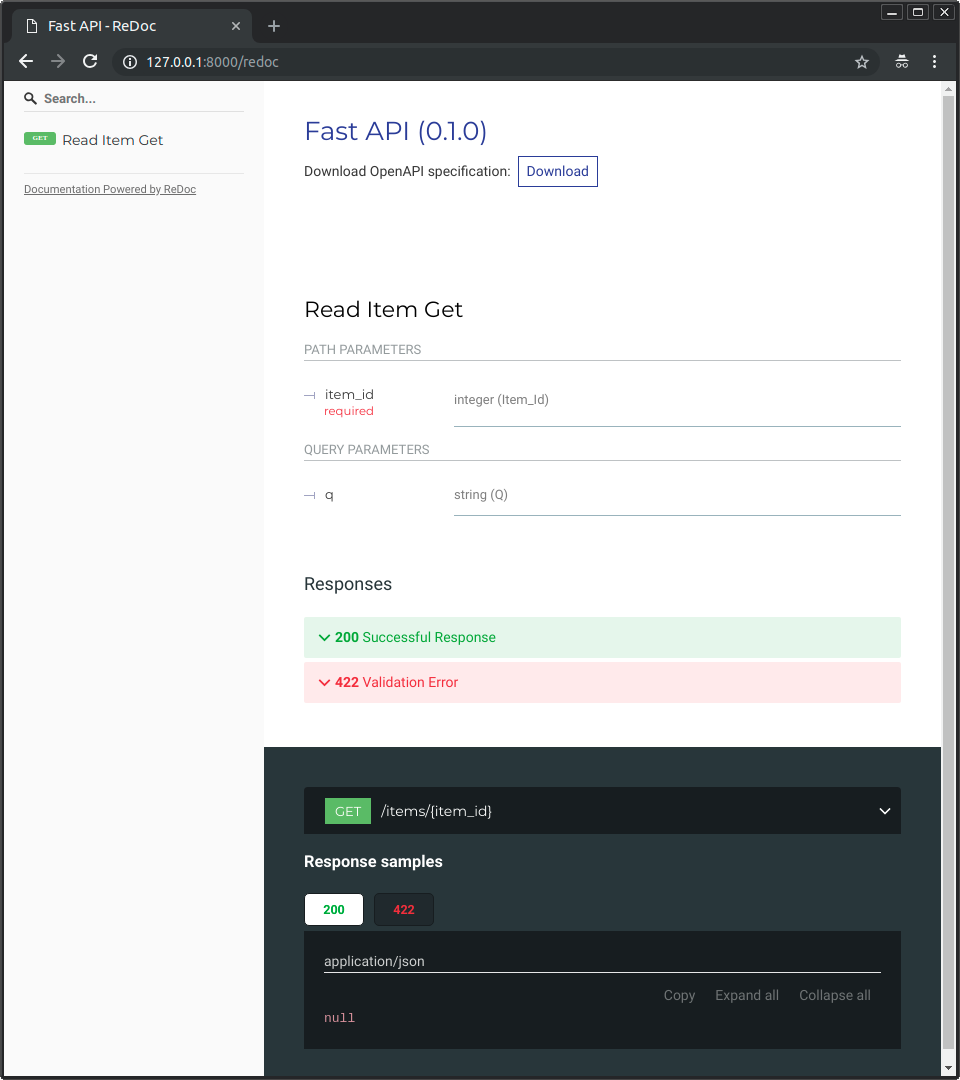
|
||||
|
||||
## Beispiel Aktualisierung { #example-upgrade }
|
||||
## Beispielaktualisierung { #example-upgrade }
|
||||
|
||||
Ändern Sie jetzt die Datei `main.py`, um den <abbr title="Body – Körper, Inhalt: Der eigentliche Inhalt einer Nachricht, nicht die Metadaten">Body</abbr> eines `PUT`-Requests zu empfangen.
|
||||
|
||||
Deklarieren Sie den Body mit Standard-Python-Typen, dank Pydantic.
|
||||
|
||||
```Python hl_lines="4 9-12 25-27"
|
||||
from typing import Union
|
||||
|
||||
```Python hl_lines="2 7-10 23-25"
|
||||
from fastapi import FastAPI
|
||||
from pydantic import BaseModel
|
||||
|
||||
@@ -294,7 +294,7 @@ app = FastAPI()
|
||||
class Item(BaseModel):
|
||||
name: str
|
||||
price: float
|
||||
is_offer: Union[bool, None] = None
|
||||
is_offer: bool | None = None
|
||||
|
||||
|
||||
@app.get("/")
|
||||
@@ -303,7 +303,7 @@ def read_root():
|
||||
|
||||
|
||||
@app.get("/items/{item_id}")
|
||||
def read_item(item_id: int, q: Union[str, None] = None):
|
||||
def read_item(item_id: int, q: str | None = None):
|
||||
return {"item_id": item_id, "q": q}
|
||||
|
||||
|
||||
@@ -326,7 +326,7 @@ Gehen Sie jetzt auf <a href="http://127.0.0.1:8000/docs" class="external-link" t
|
||||
|
||||
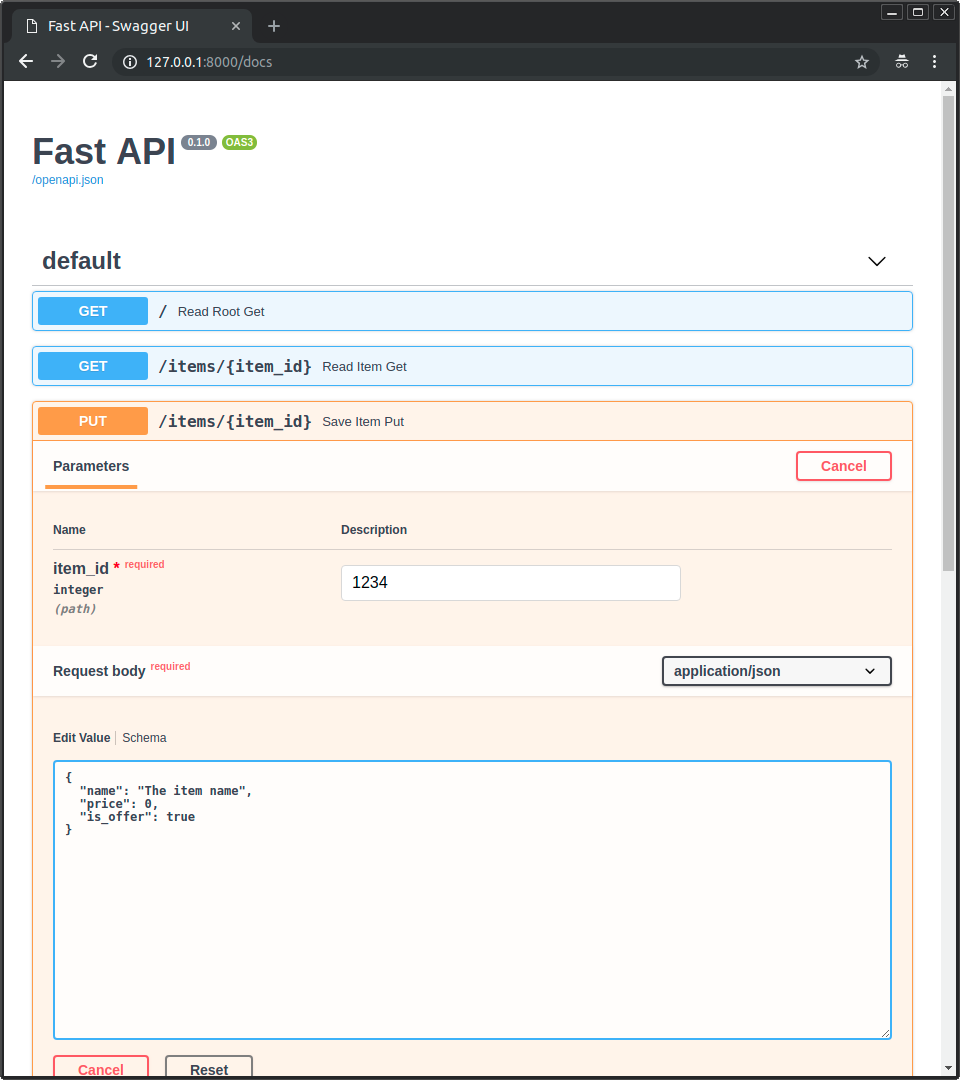
|
||||
|
||||
* Klicken Sie dann auf den Button „Execute“, die Benutzeroberfläche wird mit Ihrer API kommunizieren, sendet die Parameter, holt die Ergebnisse und zeigt sie auf dem Bildschirm an:
|
||||
* Klicken Sie dann auf den Button „Execute“, die Benutzeroberfläche wird mit Ihrer API kommunizieren, die Parameter senden, die Ergebnisse erhalten und sie auf dem Bildschirm anzeigen:
|
||||
|
||||
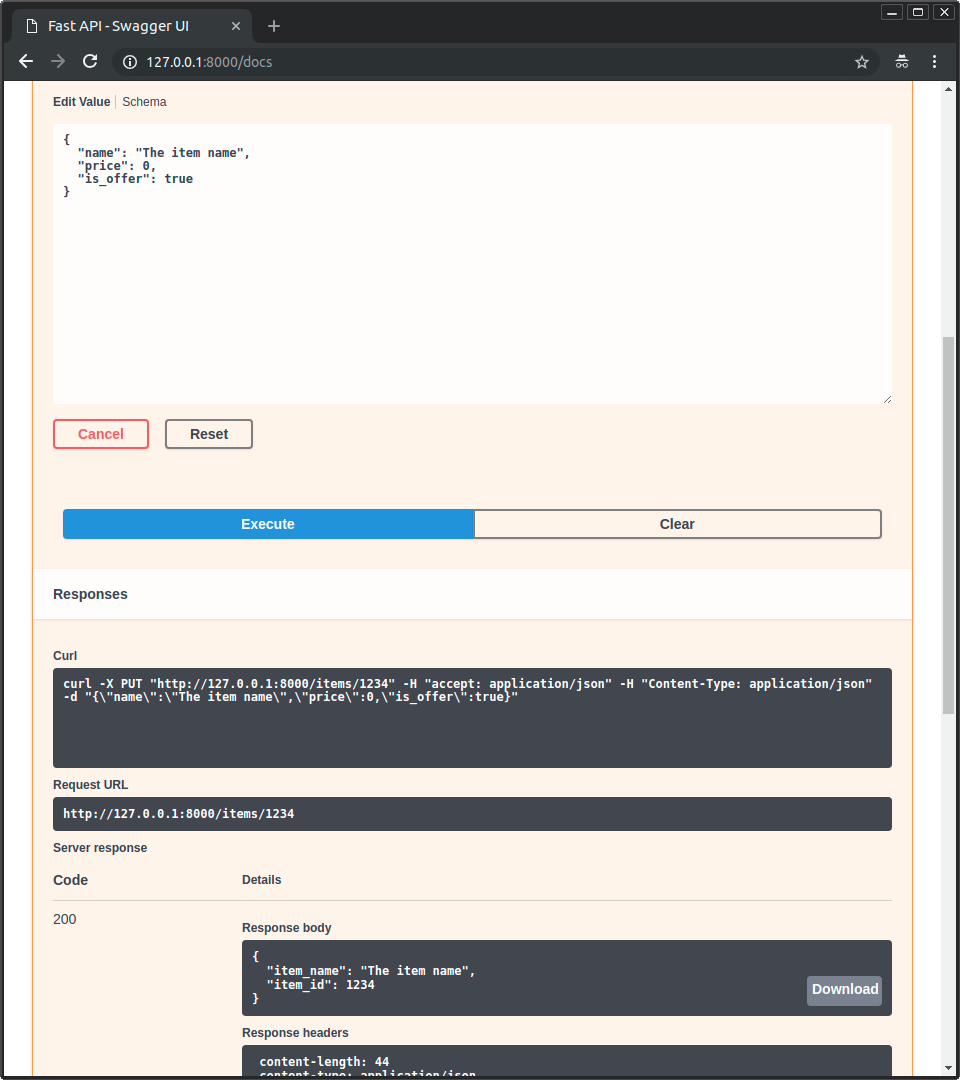
|
||||
|
||||
@@ -439,7 +439,7 @@ Für ein vollständigeres Beispiel, mit weiteren Funktionen, siehe das <a href="
|
||||
|
||||
* Deklaration von **Parametern** von anderen verschiedenen Stellen wie: **Header**, **Cookies**, **Formularfelder** und **Dateien**.
|
||||
* Wie man **Validierungs-Constraints** wie `maximum_length` oder `regex` setzt.
|
||||
* Ein sehr leistungsfähiges und einfach zu bedienendes System für **<abbr title="Dependency Injection – Einbringen von Abhängigkeiten: Auch bekannt als Komponenten, Ressourcen, Provider, Services, Injectables">Dependency Injection</abbr>**.
|
||||
* Ein sehr leistungsfähiges und einfach zu bedienendes System für **<abbr title="auch bekannt als Komponenten, Ressourcen, Provider, Services, Injectables">Dependency Injection</abbr>**.
|
||||
* Sicherheit und Authentifizierung, einschließlich Unterstützung für **OAuth2** mit **JWT-Tokens** und **HTTP Basic** Authentifizierung.
|
||||
* Fortgeschrittenere (aber ebenso einfache) Techniken zur Deklaration **tief verschachtelter JSON-Modelle** (dank Pydantic).
|
||||
* **GraphQL**-Integration mit <a href="https://strawberry.rocks" class="external-link" target="_blank">Strawberry</a> und anderen Bibliotheken.
|
||||
@@ -452,7 +452,7 @@ Für ein vollständigeres Beispiel, mit weiteren Funktionen, siehe das <a href="
|
||||
|
||||
### Ihre App deployen (optional) { #deploy-your-app-optional }
|
||||
|
||||
Optional können Sie Ihre FastAPI-App in die <a href="https://fastapicloud.com" class="external-link" target="_blank">FastAPI Cloud</a> deployen, treten Sie der Warteliste bei, falls noch nicht geschehen. 🚀
|
||||
Optional können Sie Ihre FastAPI-App in die <a href="https://fastapicloud.com" class="external-link" target="_blank">FastAPI Cloud</a> deployen, gehen Sie und treten Sie der Warteliste bei, falls noch nicht geschehen. 🚀
|
||||
|
||||
Wenn Sie bereits ein **FastAPI Cloud**-Konto haben (wir haben Sie von der Warteliste eingeladen 😉), können Sie Ihre Anwendung mit einem einzigen Befehl deployen.
|
||||
|
||||
@@ -494,7 +494,7 @@ Es vereinfacht den Prozess des **Erstellens**, **Deployens** und **Zugreifens**
|
||||
|
||||
Es bringt die gleiche **Developer-Experience** beim Erstellen von Apps mit FastAPI auch zum **Deployment** in der Cloud. 🎉
|
||||
|
||||
FastAPI Cloud ist der Hauptsponsor und Finanzierer der „FastAPI and friends“ Open-Source-Projekte. ✨
|
||||
FastAPI Cloud ist der Hauptsponsor und Finanzierer der *FastAPI and friends* Open-Source-Projekte. ✨
|
||||
|
||||
#### Bei anderen Cloudanbietern deployen { #deploy-to-other-cloud-providers }
|
||||
|
||||
|
||||
@@ -56,19 +56,19 @@ from app.routers import items
|
||||
|
||||
Die gleiche Dateistruktur mit Kommentaren:
|
||||
|
||||
```
|
||||
```bash
|
||||
.
|
||||
├── app # „app“ ist ein Python-Package
|
||||
│ ├── __init__.py # diese Datei macht „app“ zu einem „Python-Package“
|
||||
│ ├── main.py # „main“-Modul, z. B. import app.main
|
||||
│ ├── dependencies.py # „dependencies“-Modul, z. B. import app.dependencies
|
||||
│ └── routers # „routers“ ist ein „Python-Subpackage“
|
||||
│ │ ├── __init__.py # macht „routers“ zu einem „Python-Subpackage“
|
||||
│ │ ├── items.py # „items“-Submodul, z. B. import app.routers.items
|
||||
│ │ └── users.py # „users“-Submodul, z. B. import app.routers.users
|
||||
│ └── internal # „internal“ ist ein „Python-Subpackage“
|
||||
│ ├── __init__.py # macht „internal“ zu einem „Python-Subpackage“
|
||||
│ └── admin.py # „admin“-Submodul, z. B. import app.internal.admin
|
||||
├── app # "app" ist ein Python-Package
|
||||
│ ├── __init__.py # diese Datei macht "app" zu einem "Python-Package"
|
||||
│ ├── main.py # "main"-Modul, z. B. import app.main
|
||||
│ ├── dependencies.py # "dependencies"-Modul, z. B. import app.dependencies
|
||||
│ └── routers # "routers" ist ein "Python-Subpackage"
|
||||
│ │ ├── __init__.py # macht "routers" zu einem "Python-Subpackage"
|
||||
│ │ ├── items.py # "items"-Submodul, z. B. import app.routers.items
|
||||
│ │ └── users.py # "users"-Submodul, z. B. import app.routers.users
|
||||
│ └── internal # "internal" ist ein "Python-Subpackage"
|
||||
│ ├── __init__.py # macht "internal" zu einem "Python-Subpackage"
|
||||
│ └── admin.py # "admin"-Submodul, z. B. import app.internal.admin
|
||||
```
|
||||
|
||||
## `APIRouter` { #apirouter }
|
||||
@@ -479,7 +479,7 @@ $ fastapi dev app/main.py
|
||||
|
||||
</div>
|
||||
|
||||
und öffnen Sie die Dokumentation unter <a href="http://127.0.0.1:8000/docs" class="external-link" target="_blank">http://127.0.0.1:8000/docs</a>.
|
||||
Und öffnen Sie die Dokumentation unter <a href="http://127.0.0.1:8000/docs" class="external-link" target="_blank">http://127.0.0.1:8000/docs</a>.
|
||||
|
||||
Sie sehen die automatische API-Dokumentation, einschließlich der Pfade aller Submodule, mit den richtigen Pfaden (und Präfixen) und den richtigen Tags:
|
||||
|
||||
|
||||
@@ -1,6 +1,6 @@
|
||||
# Body – Mehrere Parameter { #body-multiple-parameters }
|
||||
|
||||
Nun, da wir gesehen haben, wie `Path` und `Query` verwendet werden, schauen wir uns fortgeschrittenere Verwendungsmöglichkeiten von <abbr title="Anfragekörper">Requestbody</abbr>-Deklarationen an.
|
||||
Nun, da wir gesehen haben, wie `Path` und `Query` verwendet werden, schauen wir uns fortgeschrittenere Verwendungsmöglichkeiten von <abbr title="Requestbody">Requestbody</abbr>-Deklarationen an.
|
||||
|
||||
## `Path`-, `Query`- und Body-Parameter vermischen { #mix-path-query-and-body-parameters }
|
||||
|
||||
@@ -101,13 +101,13 @@ Natürlich können Sie auch, wann immer Sie das brauchen, weitere Query-Paramete
|
||||
Da einfache Werte standardmäßig als Query-Parameter interpretiert werden, müssen Sie `Query` nicht explizit hinzufügen, Sie können einfach schreiben:
|
||||
|
||||
```Python
|
||||
q: Union[str, None] = None
|
||||
q: str | None = None
|
||||
```
|
||||
|
||||
Oder in Python 3.10 und darüber:
|
||||
Oder in Python 3.9:
|
||||
|
||||
```Python
|
||||
q: str | None = None
|
||||
q: Union[str, None] = None
|
||||
```
|
||||
|
||||
Zum Beispiel:
|
||||
|
||||
@@ -50,14 +50,6 @@ Wenn Sie Teil-Aktualisierungen entgegennehmen, ist der `exclude_unset`-Parameter
|
||||
|
||||
Wie in `item.model_dump(exclude_unset=True)`.
|
||||
|
||||
/// info | Info
|
||||
|
||||
In Pydantic v1 hieß diese Methode `.dict()`, in Pydantic v2 wurde sie <abbr title="veraltet, obsolet: Es soll nicht mehr verwendet werden">deprecatet</abbr> (aber immer noch unterstützt) und in `.model_dump()` umbenannt.
|
||||
|
||||
Die Beispiele hier verwenden `.dict()` für die Kompatibilität mit Pydantic v1, Sie sollten jedoch stattdessen `.model_dump()` verwenden, wenn Sie Pydantic v2 verwenden können.
|
||||
|
||||
///
|
||||
|
||||
Das wird ein <abbr title="Dictionary – Zuordnungstabelle: In anderen Sprachen auch Hash, Map, Objekt, Assoziatives Array genannt">`dict`</abbr> erstellen, mit nur den Daten, die gesetzt wurden, als das `item`-Modell erstellt wurde, Defaultwerte ausgeschlossen.
|
||||
|
||||
Sie können das verwenden, um ein `dict` zu erstellen, das nur die (im <abbr title="Request – Anfrage: Daten, die der Client zum Server sendet">Request</abbr>) gesendeten Daten enthält, ohne Defaultwerte:
|
||||
@@ -68,14 +60,6 @@ Sie können das verwenden, um ein `dict` zu erstellen, das nur die (im <abbr tit
|
||||
|
||||
Jetzt können Sie eine Kopie des existierenden Modells mittels `.model_copy()` erstellen, wobei Sie dem `update`-Parameter ein `dict` mit den zu ändernden Daten übergeben.
|
||||
|
||||
/// info | Info
|
||||
|
||||
In Pydantic v1 hieß diese Methode `.copy()`, in Pydantic v2 wurde sie <abbr title="veraltet, obsolet: Es soll nicht mehr verwendet werden">deprecatet</abbr> (aber immer noch unterstützt) und in `.model_copy()` umbenannt.
|
||||
|
||||
Die Beispiele hier verwenden `.copy()` für die Kompatibilität mit Pydantic v1, Sie sollten jedoch stattdessen `.model_copy()` verwenden, wenn Sie Pydantic v2 verwenden können.
|
||||
|
||||
///
|
||||
|
||||
Wie in `stored_item_model.model_copy(update=update_data)`:
|
||||
|
||||
{* ../../docs_src/body_updates/tutorial002_py310.py hl[33] *}
|
||||
|
||||
@@ -127,14 +127,6 @@ Innerhalb der Funktion können Sie alle Attribute des Modellobjekts direkt verwe
|
||||
|
||||
{* ../../docs_src/body/tutorial002_py310.py *}
|
||||
|
||||
/// info | Info
|
||||
|
||||
In Pydantic v1 hieß die Methode `.dict()`, sie wurde in Pydantic v2 deprecatet (aber weiterhin unterstützt) und in `.model_dump()` umbenannt.
|
||||
|
||||
Die Beispiele hier verwenden `.dict()` zur Kompatibilität mit Pydantic v1, aber Sie sollten stattdessen `.model_dump()` verwenden, wenn Sie Pydantic v2 nutzen können.
|
||||
|
||||
///
|
||||
|
||||
## Requestbody- + Pfad-Parameter { #request-body-path-parameters }
|
||||
|
||||
Sie können Pfad-Parameter und den Requestbody gleichzeitig deklarieren.
|
||||
|
||||
@@ -22,21 +22,13 @@ Hier ist eine allgemeine Idee, wie die Modelle mit ihren Passwortfeldern aussehe
|
||||
|
||||
{* ../../docs_src/extra_models/tutorial001_py310.py hl[7,9,14,20,22,27:28,31:33,38:39] *}
|
||||
|
||||
/// info | Info
|
||||
### Über `**user_in.model_dump()` { #about-user-in-model-dump }
|
||||
|
||||
In Pydantic v1 hieß die Methode `.dict()`, in Pydantic v2 wurde sie <abbr title="veraltet, obsolet: Es soll nicht mehr verwendet werden">deprecatet</abbr> (aber weiterhin unterstützt) und in `.model_dump()` umbenannt.
|
||||
|
||||
Die Beispiele hier verwenden `.dict()` für die Kompatibilität mit Pydantic v1, aber Sie sollten `.model_dump()` verwenden, wenn Sie Pydantic v2 verwenden können.
|
||||
|
||||
///
|
||||
|
||||
### Über `**user_in.dict()` { #about-user-in-dict }
|
||||
|
||||
#### Die `.dict()`-Methode von Pydantic { #pydantics-dict }
|
||||
#### Pydantics `.model_dump()` { #pydantics-model-dump }
|
||||
|
||||
`user_in` ist ein Pydantic-Modell der Klasse `UserIn`.
|
||||
|
||||
Pydantic-Modelle haben eine `.dict()`-Methode, die ein <abbr title="Dictionary – Zuordnungstabelle: In anderen Sprachen auch Hash, Map, Objekt, Assoziatives Array genannt">`dict`</abbr> mit den Daten des Modells zurückgibt.
|
||||
Pydantic-Modelle haben eine `.model_dump()`-Methode, die ein <abbr title="Dictionary – Zuordnungstabelle: In anderen Sprachen auch Hash, Map, Objekt, Assoziatives Array genannt">`dict`</abbr> mit den Daten des Modells zurückgibt.
|
||||
|
||||
Wenn wir also ein Pydantic-Objekt `user_in` erstellen, etwa so:
|
||||
|
||||
@@ -47,7 +39,7 @@ user_in = UserIn(username="john", password="secret", email="john.doe@example.com
|
||||
und dann aufrufen:
|
||||
|
||||
```Python
|
||||
user_dict = user_in.dict()
|
||||
user_dict = user_in.model_dump()
|
||||
```
|
||||
|
||||
haben wir jetzt ein `dict` mit den Daten in der Variablen `user_dict` (es ist ein `dict` statt eines Pydantic-Modellobjekts).
|
||||
@@ -103,20 +95,20 @@ UserInDB(
|
||||
|
||||
#### Ein Pydantic-Modell aus dem Inhalt eines anderen { #a-pydantic-model-from-the-contents-of-another }
|
||||
|
||||
Da wir im obigen Beispiel `user_dict` von `user_in.dict()` bekommen haben, wäre dieser Code:
|
||||
Da wir im obigen Beispiel `user_dict` von `user_in.model_dump()` bekommen haben, wäre dieser Code:
|
||||
|
||||
```Python
|
||||
user_dict = user_in.dict()
|
||||
user_dict = user_in.model_dump()
|
||||
UserInDB(**user_dict)
|
||||
```
|
||||
|
||||
gleichwertig zu:
|
||||
|
||||
```Python
|
||||
UserInDB(**user_in.dict())
|
||||
UserInDB(**user_in.model_dump())
|
||||
```
|
||||
|
||||
... weil `user_in.dict()` ein `dict` ist, und dann lassen wir Python es „entpacken“, indem wir es an `UserInDB` mit vorangestelltem `**` übergeben.
|
||||
... weil `user_in.model_dump()` ein `dict` ist, und dann lassen wir Python es „entpacken“, indem wir es an `UserInDB` mit vorangestelltem `**` übergeben.
|
||||
|
||||
Auf diese Weise erhalten wir ein Pydantic-Modell aus den Daten eines anderen Pydantic-Modells.
|
||||
|
||||
@@ -125,7 +117,7 @@ Auf diese Weise erhalten wir ein Pydantic-Modell aus den Daten eines anderen Pyd
|
||||
Und dann fügen wir das zusätzliche Schlüsselwort-Argument `hashed_password=hashed_password` hinzu, wie in:
|
||||
|
||||
```Python
|
||||
UserInDB(**user_in.dict(), hashed_password=hashed_password)
|
||||
UserInDB(**user_in.model_dump(), hashed_password=hashed_password)
|
||||
```
|
||||
|
||||
... was so ist wie:
|
||||
@@ -180,7 +172,6 @@ Wenn Sie eine <a href="https://docs.pydantic.dev/latest/concepts/types/#unions"
|
||||
|
||||
{* ../../docs_src/extra_models/tutorial003_py310.py hl[1,14:15,18:20,33] *}
|
||||
|
||||
|
||||
### `Union` in Python 3.10 { #union-in-python-3-10 }
|
||||
|
||||
In diesem Beispiel übergeben wir `Union[PlaneItem, CarItem]` als Wert des Arguments `response_model`.
|
||||
@@ -203,7 +194,6 @@ Dafür verwenden Sie Pythons Standard-`typing.List` (oder nur `list` in Python 3
|
||||
|
||||
{* ../../docs_src/extra_models/tutorial004_py39.py hl[18] *}
|
||||
|
||||
|
||||
## Response mit beliebigem `dict` { #response-with-arbitrary-dict }
|
||||
|
||||
Sie können auch eine Response deklarieren, die ein beliebiges `dict` zurückgibt, indem Sie nur die Typen der Schlüssel und Werte ohne ein Pydantic-Modell deklarieren.
|
||||
@@ -214,7 +204,6 @@ In diesem Fall können Sie `typing.Dict` verwenden (oder nur `dict` in Python 3.
|
||||
|
||||
{* ../../docs_src/extra_models/tutorial005_py39.py hl[6] *}
|
||||
|
||||
|
||||
## Zusammenfassung { #recap }
|
||||
|
||||
Verwenden Sie gerne mehrere Pydantic-Modelle und vererben Sie je nach Bedarf.
|
||||
|
||||
@@ -52,7 +52,7 @@ In diesem Fall macht es Sinn, die Tags in einem `Enum` zu speichern.
|
||||
|
||||
Sie können eine <abbr title="Zusammenfassung">`summary`</abbr> und eine <abbr title="Beschreibung">`description`</abbr> hinzufügen:
|
||||
|
||||
{* ../../docs_src/path_operation_configuration/tutorial003_py310.py hl[18:19] *}
|
||||
{* ../../docs_src/path_operation_configuration/tutorial003_py310.py hl[17:18] *}
|
||||
|
||||
## Beschreibung mittels Docstring { #description-from-docstring }
|
||||
|
||||
@@ -70,7 +70,7 @@ Es wird in der interaktiven Dokumentation verwendet:
|
||||
|
||||
Sie können die Response mit dem Parameter `response_description` beschreiben:
|
||||
|
||||
{* ../../docs_src/path_operation_configuration/tutorial005_py310.py hl[19] *}
|
||||
{* ../../docs_src/path_operation_configuration/tutorial005_py310.py hl[18] *}
|
||||
|
||||
/// info | Info
|
||||
|
||||
|
||||
@@ -205,20 +205,6 @@ Wenn Sie sich mit all diesen **„regulärer Ausdruck“**-Ideen verloren fühle
|
||||
|
||||
Aber nun wissen Sie, dass Sie sie in **FastAPI** immer dann verwenden können, wenn Sie sie brauchen.
|
||||
|
||||
### Pydantic v1 `regex` statt `pattern` { #pydantic-v1-regex-instead-of-pattern }
|
||||
|
||||
Vor Pydantic Version 2 und FastAPI 0.100.0, hieß der Parameter `regex` statt `pattern`, aber das ist jetzt obsolet.
|
||||
|
||||
Sie könnten immer noch Code sehen, der den alten Namen verwendet:
|
||||
|
||||
//// tab | Pydantic v1
|
||||
|
||||
{* ../../docs_src/query_params_str_validations/tutorial004_regex_an_py310.py hl[11] *}
|
||||
|
||||
////
|
||||
|
||||
Beachten Sie aber, dass das obsolet ist und auf den neuen Parameter `pattern` aktualisiert werden sollte. 🤓
|
||||
|
||||
## Defaultwerte { #default-values }
|
||||
|
||||
Natürlich können Sie Defaultwerte verwenden, die nicht `None` sind.
|
||||
|
||||
@@ -252,20 +252,6 @@ Wenn Sie also den Artikel mit der ID `foo` bei der *Pfadoperation* anfragen, wir
|
||||
|
||||
/// info | Info
|
||||
|
||||
In Pydantic v1 hieß diese Methode `.dict()`, in Pydantic v2 wurde sie <abbr title="veraltet, obsolet: Es soll nicht mehr verwendet werden">deprecatet</abbr> (aber immer noch unterstützt) und in `.model_dump()` umbenannt.
|
||||
|
||||
Die Beispiele hier verwenden `.dict()` für die Kompatibilität mit Pydantic v1, Sie sollten jedoch stattdessen `.model_dump()` verwenden, wenn Sie Pydantic v2 verwenden können.
|
||||
|
||||
///
|
||||
|
||||
/// info | Info
|
||||
|
||||
FastAPI verwendet `.dict()` von Pydantic Modellen, <a href="https://docs.pydantic.dev/1.10/usage/exporting_models/#modeldict" class="external-link" target="_blank">mit dessen `exclude_unset`-Parameter</a>, um das zu erreichen.
|
||||
|
||||
///
|
||||
|
||||
/// info | Info
|
||||
|
||||
Sie können auch:
|
||||
|
||||
* `response_model_exclude_defaults=True`
|
||||
|
||||
@@ -8,36 +8,14 @@ Hier sind mehrere Möglichkeiten, das zu tun.
|
||||
|
||||
Sie können `examples` („Beispiele“) für ein Pydantic-Modell deklarieren, welche dem generierten JSON-Schema hinzugefügt werden.
|
||||
|
||||
//// tab | Pydantic v2
|
||||
|
||||
{* ../../docs_src/schema_extra_example/tutorial001_py310.py hl[13:24] *}
|
||||
|
||||
////
|
||||
|
||||
//// tab | Pydantic v1
|
||||
|
||||
{* ../../docs_src/schema_extra_example/tutorial001_pv1_py310.py hl[13:23] *}
|
||||
|
||||
////
|
||||
|
||||
Diese zusätzlichen Informationen werden unverändert zum für dieses Modell ausgegebenen **JSON-Schema** hinzugefügt und in der API-Dokumentation verwendet.
|
||||
|
||||
//// tab | Pydantic v2
|
||||
|
||||
In Pydantic Version 2 würden Sie das Attribut `model_config` verwenden, das ein <abbr title="Dictionary – Zuordnungstabelle: In anderen Sprachen auch Hash, Map, Objekt, Assoziatives Array genannt">`dict`</abbr> akzeptiert, wie beschrieben in <a href="https://docs.pydantic.dev/latest/api/config/" class="external-link" target="_blank">Pydantic-Dokumentation: Configuration</a>.
|
||||
Sie können das Attribut `model_config` verwenden, das ein <abbr title="Dictionary – Zuordnungstabelle: In anderen Sprachen auch Hash, Map, Objekt, Assoziatives Array genannt">`dict`</abbr> akzeptiert, wie beschrieben in <a href="https://docs.pydantic.dev/latest/api/config/" class="external-link" target="_blank">Pydantic-Dokumentation: Configuration</a>.
|
||||
|
||||
Sie können `json_schema_extra` setzen, mit einem `dict`, das alle zusätzlichen Daten enthält, die im generierten JSON-Schema angezeigt werden sollen, einschließlich `examples`.
|
||||
|
||||
////
|
||||
|
||||
//// tab | Pydantic v1
|
||||
|
||||
In Pydantic Version 1 würden Sie eine interne Klasse `Config` und `schema_extra` verwenden, wie beschrieben in <a href="https://docs.pydantic.dev/1.10/usage/schema/#schema-customization" class="external-link" target="_blank">Pydantic-Dokumentation: Schema customization</a>.
|
||||
|
||||
Sie können `schema_extra` setzen, mit einem `dict`, das alle zusätzlichen Daten enthält, die im generierten JSON-Schema angezeigt werden sollen, einschließlich `examples`.
|
||||
|
||||
////
|
||||
|
||||
/// tip | Tipp
|
||||
|
||||
Mit derselben Technik können Sie das JSON-Schema erweitern und Ihre eigenen benutzerdefinierten Zusatzinformationen hinzufügen.
|
||||
|
||||
@@ -4,213 +4,197 @@ Translate to German (Deutsch).
|
||||
|
||||
Language code: de.
|
||||
|
||||
|
||||
### Definitions
|
||||
|
||||
"hyphen"
|
||||
The character «-»
|
||||
Unicode U+002D (HYPHEN-MINUS)
|
||||
Alternative names: hyphen, dash, minus sign
|
||||
|
||||
"dash"
|
||||
The character «–»
|
||||
Unicode U+2013 (EN DASH)
|
||||
German name: Halbgeviertstrich
|
||||
|
||||
|
||||
### Grammar to use when talking to the reader
|
||||
|
||||
Use the formal grammar (use «Sie» instead of «Du»).
|
||||
|
||||
Use the formal grammar (use `Sie` instead of `Du`).
|
||||
|
||||
### Quotes
|
||||
|
||||
1) Convert neutral double quotes («"») and English double typographic quotes («“» and «”») to German double typographic quotes («„» and «“»). Convert neutral single quotes («'») and English single typographic quotes («‘» and «’») to German single typographic quotes («‚» and «‘»). Do NOT convert «`"» to «„», do NOT convert «"`» to «“».
|
||||
1) Convert neutral double quotes (`"`) to German double typographic quotes (`„` and `“`). Convert neutral single quotes (`'`) to German single typographic quotes (`‚` and `‘`).
|
||||
|
||||
Do NOT convert quotes in code snippets and code blocks to their German typographic equivalents.
|
||||
|
||||
Examples:
|
||||
|
||||
Source (English):
|
||||
Source (English):
|
||||
|
||||
«««
|
||||
"Hello world"
|
||||
“Hello Universe”
|
||||
"He said: 'Hello'"
|
||||
“my name is ‘Nils’”
|
||||
`"__main__"`
|
||||
`"items"`
|
||||
»»»
|
||||
```
|
||||
"Hello world"
|
||||
“Hello Universe”
|
||||
"He said: 'Hello'"
|
||||
“my name is ‘Nils’”
|
||||
`"__main__"`
|
||||
`"items"`
|
||||
```
|
||||
|
||||
Result (German):
|
||||
|
||||
«««
|
||||
„Hallo Welt“
|
||||
„Hallo Universum“
|
||||
„Er sagte: ‚Hallo‘“
|
||||
„Mein Name ist ‚Nils‘“
|
||||
`"__main__"`
|
||||
`"items"`
|
||||
»»»
|
||||
Result (German):
|
||||
|
||||
```
|
||||
„Hallo Welt“
|
||||
„Hallo Universum“
|
||||
„Er sagte: ‚Hallo‘“
|
||||
„Mein Name ist ‚Nils‘“
|
||||
`"__main__"`
|
||||
`"items"`
|
||||
```
|
||||
|
||||
### Ellipsis
|
||||
|
||||
1) Make sure there is a space between an ellipsis and a word following or preceding the ellipsis.
|
||||
- Make sure there is a space between an ellipsis and a word following or preceding the ellipsis.
|
||||
|
||||
Examples:
|
||||
|
||||
Source (English):
|
||||
Source (English):
|
||||
|
||||
«««
|
||||
...as we intended.
|
||||
...this would work:
|
||||
...etc.
|
||||
others...
|
||||
More to come...
|
||||
»»»
|
||||
```
|
||||
...as we intended.
|
||||
...this would work:
|
||||
...etc.
|
||||
others...
|
||||
More to come...
|
||||
```
|
||||
|
||||
Result (German):
|
||||
Result (German):
|
||||
|
||||
«««
|
||||
... wie wir es beabsichtigt hatten.
|
||||
... das würde funktionieren:
|
||||
... usw.
|
||||
Andere ...
|
||||
Später mehr ...
|
||||
»»»
|
||||
|
||||
2) This does not apply in URLs, code blocks, and code snippets. Do not remove or add spaces there.
|
||||
```
|
||||
... wie wir es beabsichtigt hatten.
|
||||
... das würde funktionieren:
|
||||
... usw.
|
||||
Andere ...
|
||||
Später mehr ...
|
||||
```
|
||||
|
||||
- This does not apply in URLs, code blocks, and code snippets. Do not remove or add spaces there.
|
||||
|
||||
### Headings
|
||||
|
||||
1) Translate headings using the infinite form.
|
||||
- Translate headings using the infinite form.
|
||||
|
||||
Examples:
|
||||
|
||||
Source (English):
|
||||
Source (English):
|
||||
|
||||
«««
|
||||
## Create a Project { #create-a-project }
|
||||
»»»
|
||||
```
|
||||
## Create a Project { #create-a-project }
|
||||
```
|
||||
|
||||
Translate with (German):
|
||||
Result (German):
|
||||
|
||||
«««
|
||||
## Ein Projekt erstellen { #create-a-project }
|
||||
»»»
|
||||
```
|
||||
## Ein Projekt erstellen { #create-a-project }
|
||||
```
|
||||
|
||||
Do NOT translate with (German):
|
||||
Do NOT translate with (German):
|
||||
|
||||
«««
|
||||
## Erstellen Sie ein Projekt { #create-a-project }
|
||||
»»»
|
||||
```
|
||||
## Erstellen Sie ein Projekt { #create-a-project }
|
||||
```
|
||||
|
||||
Source (English):
|
||||
Source (English):
|
||||
|
||||
«««
|
||||
# Install Packages { #install-packages }
|
||||
»»»
|
||||
```
|
||||
# Install Packages { #install-packages }
|
||||
```
|
||||
|
||||
Translate with (German):
|
||||
Translate with (German):
|
||||
|
||||
«««
|
||||
# Pakete installieren { #install-packages }
|
||||
»»»
|
||||
```
|
||||
# Pakete installieren { #install-packages }
|
||||
```
|
||||
|
||||
Do NOT translate with (German):
|
||||
Do NOT translate with (German):
|
||||
|
||||
«««
|
||||
# Installieren Sie Pakete { #install-packages }
|
||||
»»»
|
||||
```
|
||||
# Installieren Sie Pakete { #install-packages }
|
||||
```
|
||||
|
||||
Source (English):
|
||||
Source (English):
|
||||
|
||||
«««
|
||||
### Run Your Program { #run-your-program }
|
||||
»»»
|
||||
```
|
||||
### Run Your Program { #run-your-program }
|
||||
```
|
||||
|
||||
Translate with (German):
|
||||
Translate with (German):
|
||||
|
||||
«««
|
||||
### Ihr Programm ausführen { #run-your-program }
|
||||
»»»
|
||||
```
|
||||
### Ihr Programm ausführen { #run-your-program }
|
||||
```
|
||||
|
||||
Do NOT translate with (German):
|
||||
Do NOT translate with (German):
|
||||
|
||||
«««
|
||||
### Führen Sie Ihr Programm aus { #run-your-program }
|
||||
»»»
|
||||
```
|
||||
### Führen Sie Ihr Programm aus { #run-your-program }
|
||||
```
|
||||
|
||||
2) Make sure that the translated part of the heading does not end with a period.
|
||||
- Make sure that the translated part of the heading does not end with a period.
|
||||
|
||||
Example:
|
||||
|
||||
Source (English):
|
||||
Source (English):
|
||||
|
||||
«««
|
||||
## Another module with `APIRouter` { #another-module-with-apirouter }
|
||||
»»»
|
||||
```
|
||||
## Another module with `APIRouter` { #another-module-with-apirouter }
|
||||
```
|
||||
|
||||
Translate with (German):
|
||||
Translate with (German):
|
||||
|
||||
«««
|
||||
## Ein weiteres Modul mit `APIRouter` { #another-module-with-apirouter }
|
||||
»»»
|
||||
```
|
||||
## Ein weiteres Modul mit `APIRouter` { #another-module-with-apirouter }
|
||||
```
|
||||
|
||||
Do NOT translate with (German) – notice the added period:
|
||||
Do NOT translate with (German) – notice the added period:
|
||||
|
||||
«««
|
||||
## Ein weiteres Modul mit `APIRouter`. { #another-module-with-apirouter }
|
||||
»»»
|
||||
```
|
||||
## Ein weiteres Modul mit `APIRouter`. { #another-module-with-apirouter }
|
||||
```
|
||||
|
||||
3) Replace occurrences of literal « - » (a space followed by a hyphen followed by a space) with « – » (a space followed by a dash followed by a space) in the translated part of the heading.
|
||||
- Replace occurrences of literal ` - ` (a space followed by a hyphen followed by a space) with ` – ` (a space followed by a dash followed by a space) in the translated part of the heading.
|
||||
|
||||
Example:
|
||||
|
||||
Source (English):
|
||||
Source (English):
|
||||
|
||||
«««
|
||||
# FastAPI in Containers - Docker { #fastapi-in-containers-docker }
|
||||
»»»
|
||||
```
|
||||
# FastAPI in Containers - Docker { #fastapi-in-containers-docker }
|
||||
```
|
||||
|
||||
Translate with (German) – notice the dash:
|
||||
Translate with (German) – notice the dash:
|
||||
|
||||
«««
|
||||
# FastAPI in Containern – Docker { #fastapi-in-containers-docker }
|
||||
»»»
|
||||
```
|
||||
# FastAPI in Containern – Docker { #fastapi-in-containers-docker }
|
||||
```
|
||||
|
||||
Do NOT translate with (German) – notice the hyphen:
|
||||
Do NOT translate with (German) – notice the hyphen:
|
||||
|
||||
«««
|
||||
# FastAPI in Containern - Docker { #fastapi-in-containers-docker }
|
||||
»»»
|
||||
```
|
||||
# FastAPI in Containern - Docker { #fastapi-in-containers-docker }
|
||||
```
|
||||
|
||||
3.1) Do not apply rule 3 when there is no space before or no space after the hyphen.
|
||||
- Do not apply rule 3 when there is no space before or no space after the hyphen.
|
||||
|
||||
Example:
|
||||
|
||||
Source (English):
|
||||
Source (English):
|
||||
|
||||
«««
|
||||
## Type hints and annotations { #type-hints-and-annotations }
|
||||
»»»
|
||||
```
|
||||
## Type hints and annotations { #type-hints-and-annotations }
|
||||
```
|
||||
|
||||
Translate with (German) – notice the hyphen:
|
||||
Translate with (German) - notice the hyphen:
|
||||
|
||||
«««
|
||||
## Typhinweise und -annotationen { #type-hints-and-annotations }
|
||||
»»»
|
||||
```
|
||||
## Typhinweise und -annotationen { #type-hints-and-annotations }
|
||||
```
|
||||
|
||||
Do NOT translate with (German) – notice the dash:
|
||||
Do NOT translate with (German) - notice the dash:
|
||||
|
||||
«««
|
||||
## Typhinweise und –annotationen { #type-hints-and-annotations }
|
||||
»»»
|
||||
```
|
||||
## Typhinweise und –annotationen { #type-hints-and-annotations }
|
||||
```
|
||||
|
||||
3.2) Do not apply rule 3 to the untranslated part of the heading inside curly brackets, which you shall not translate.
|
||||
- Do not modify the hyphens in the content in headers inside of curly braces, which you shall not translate.
|
||||
|
||||
|
||||
### German instructions, when to use and when not to use hyphens in words (written in first person, which is you)
|
||||
### German instructions, when to use and when not to use hyphens in words (written in first person, which is you).
|
||||
|
||||
In der Regel versuche ich so weit wie möglich Worte zusammenzuschreiben, also ohne Bindestrich, es sei denn, es ist Konkretesding-Klassevondingen, etwa «Pydantic-Modell» (aber: «Datenbankmodell»), «Python-Modul» (aber: «Standardmodul»). Ich setze auch einen Bindestrich, wenn er die gleichen Buchstaben verbindet, etwa «Enum-Member», «Cloud-Dienst», «Template-Engine». Oder wenn das Wort sonst einfach zu lang wird, etwa, «Performance-Optimierung». Oder um etwas visuell besser zu dokumentieren, etwa «Pfadoperation-Dekorator», «Pfadoperation-Funktion».
|
||||
|
||||
@@ -219,122 +203,122 @@ In der Regel versuche ich so weit wie möglich Worte zusammenzuschreiben, also o
|
||||
|
||||
Ich versuche nicht, alles einzudeutschen. Das bezieht sich besonders auf Begriffe aus dem Bereich der Programmierung. Ich wandele zwar korrekt in Großschreibung um und setze Bindestriche, wo notwendig, aber ansonsten lasse ich solch ein Wort unverändert. Beispielsweise wird aus dem englischen Wort «string» in der deutschen Übersetzung «String», aber nicht «Zeichenkette». Oder aus dem englischen Wort «request body» wird in der deutschen Übersetzung «Requestbody», aber nicht «Anfragekörper». Oder aus dem englischen «response» wird im Deutschen «Response», aber nicht «Antwort».
|
||||
|
||||
|
||||
### List of English terms and their preferred German translations
|
||||
|
||||
Below is a list of English terms and their preferred German translations, separated by a colon («:»). Use these translations, do not use your own. If an existing translation does not use these terms, update it to use them. In the below list, a term or a translation may be followed by an explanation in brackets, which explains when to translate the term this way. If a translation is preceded by «NOT», then that means: do NOT use this translation for this term. English nouns, starting with the word «the», have the German genus – «der», «die», «das» – prepended to their German translation, to help you to grammatically decline them in the translation. They are given in singular case, unless they have «(plural)» attached, which means they are given in plural case. Verbs are given in the full infinitive – starting with the word «to».
|
||||
Below is a list of English terms and their preferred German translations, separated by a colon (:). Use these translations, do not use your own. If an existing translation does not use these terms, update it to use them. In the below list, a term or a translation may be followed by an explanation in brackets, which explains when to translate the term this way. If a translation is preceded by `NOT`, then that means: do NOT use this translation for this term. English nouns, starting with the word `the`, have the German genus – `der`, `die`, `das` – prepended to their German translation, to help you to grammatically decline them in the translation. They are given in singular case, unless they have `(plural)` attached, which means they are given in plural case. Verbs are given in the full infinitive – starting with the word `to`.
|
||||
|
||||
* «/// check»: «/// check | Testen»
|
||||
* «/// danger»: «/// danger | Gefahr»
|
||||
* «/// info»: «/// info | Info»
|
||||
* «/// note | Technical Details»: «/// note | Technische Details»
|
||||
* «/// note»: «/// note | Hinweis»
|
||||
* «/// tip»: «/// tip | Tipp»
|
||||
* «/// warning»: «/// warning | Achtung»
|
||||
* «you»: «Sie»
|
||||
* «your»: «Ihr»
|
||||
* «e.g»: «z. B.»
|
||||
* «etc.»: «usw.»
|
||||
* «ref»: «Ref.»
|
||||
* «the Tutorial - User guide»: «das Tutorial – Benutzerhandbuch»
|
||||
* «the Advanced User Guide»: «das Handbuch für fortgeschrittene Benutzer»
|
||||
* «the SQLModel docs»: «die SQLModel-Dokumentation»
|
||||
* «the docs»: «die Dokumentation» (use singular case)
|
||||
* «the env var»: «die Umgebungsvariable»
|
||||
* «the `PATH` environment variable»: «die `PATH`-Umgebungsvariable»
|
||||
* «the `PATH`»: «der `PATH`»
|
||||
* «the `requirements.txt`»: «die `requirements.txt`»
|
||||
* «the API Router»: «der API-Router»
|
||||
* «the Authorization-Header»: «der Autorisierungsheader»
|
||||
* «the `Authorization`-Header»: «der `Authorization`-Header»
|
||||
* «the background task»: «der Hintergrundtask»
|
||||
* «the button»: «der Button»
|
||||
* «the cloud provider»: «der Cloudanbieter»
|
||||
* «the CLI»: «Das CLI»
|
||||
* «the command line interface»: «Das Kommandozeileninterface»
|
||||
* «the default value»: «der Defaultwert»
|
||||
* «the default value»: NOT «der Standardwert»
|
||||
* «the default declaration»: «die Default-Deklaration»
|
||||
* «the deployment»: «das Deployment»
|
||||
* «the dict»: «das Dict»
|
||||
* «the dictionary»: «das Dictionary»
|
||||
* «the enumeration»: «die Enumeration»
|
||||
* «the enum»: «das Enum»
|
||||
* «the engine»: «die Engine»
|
||||
* «the error response»: «die Error-Response»
|
||||
* «the event»: «das Event»
|
||||
* «the exception»: «die Exception»
|
||||
* «the exception handler»: «der Exceptionhandler»
|
||||
* «the form model»: «das Formularmodell»
|
||||
* «the form body»: «der Formularbody»
|
||||
* «the header»: «der Header»
|
||||
* «the headers» (plural): «die Header»
|
||||
* «in headers» (plural): «in Headern»
|
||||
* «the forwarded header»: «der Forwarded-Header»
|
||||
* «the lifespan event»: «das Lifespan-Event»
|
||||
* «the lock»: «der Lock»
|
||||
* «the locking»: «das Locking»
|
||||
* «the mobile application»: «die Mobile-Anwendung»
|
||||
* «the model object»: «das Modellobjekt»
|
||||
* «the mounting»: «das Mounten»
|
||||
* «mounted»: «gemountet»
|
||||
* «the origin»: «das Origin»
|
||||
* «the override»: «Die Überschreibung»
|
||||
* «the parameter»: «der Parameter»
|
||||
* «the parameters» (plural): «die Parameter»
|
||||
* «the function parameter»: «der Funktionsparameter»
|
||||
* «the default parameter»: «der Defaultparameter»
|
||||
* «the body parameter»: «der Body-Parameter»
|
||||
* «the request body parameter»: «der Requestbody-Parameter»
|
||||
* «the path parameter»: «der Pfad-Parameter»
|
||||
* «the query parameter»: «der Query-Parameter»
|
||||
* «the cookie parameter»: «der Cookie-Parameter»
|
||||
* «the header parameter»: «der Header-Parameter»
|
||||
* «the form parameter»: «der Formular-Parameter»
|
||||
* «the payload»: «die Payload»
|
||||
* «the performance»: NOT «die Performance»
|
||||
* «the query»: «die Query»
|
||||
* «the recap»: «die Zusammenfassung»
|
||||
* «the request» (what the client sends to the server): «der Request»
|
||||
* «the request body»: «der Requestbody»
|
||||
* «the request bodies» (plural): «die Requestbodys»
|
||||
* «the response» (what the server sends back to the client): «die Response»
|
||||
* «the return type»: «der Rückgabetyp»
|
||||
* «the return value»: «der Rückgabewert»
|
||||
* «the startup» (the event of the app): «der Startup»
|
||||
* «the shutdown» (the event of the app): «der Shutdown»
|
||||
* «the startup event»: «das Startup-Event»
|
||||
* «the shutdown event»: «das Shutdown-Event»
|
||||
* «the startup» (of the server): «das Hochfahren»
|
||||
* «the startup» (the company): «das Startup»
|
||||
* «the SDK»: «das SDK»
|
||||
* «the tag»: «der Tag»
|
||||
* «the type annotation»: «die Typannotation»
|
||||
* «the type hint»: «der Typhinweis»
|
||||
* «the wildcard»: «die Wildcard»
|
||||
* «the worker class»: «die Workerklasse»
|
||||
* «the worker class»: NOT «die Arbeiterklasse»
|
||||
* «the worker process»: «der Workerprozess»
|
||||
* «the worker process»: NOT «der Arbeiterprozess»
|
||||
* «to commit»: «committen»
|
||||
* «to deploy» (in the cloud): «deployen»
|
||||
* «to modify»: «ändern»
|
||||
* «to serve» (an application): «bereitstellen»
|
||||
* «to serve» (a response): «ausliefern»
|
||||
* «to serve»: NOT «bedienen»
|
||||
* «to upgrade»: «aktualisieren»
|
||||
* «to wrap»: «wrappen»
|
||||
* «to wrap»: NOT «hüllen»
|
||||
* «`foo` as a `type`»: «`foo` vom Typ `type`»
|
||||
* «`foo` as a `type`»: «`foo`, ein `type`»
|
||||
* «FastAPI's X»: «FastAPIs X»
|
||||
* «Starlette's Y»: «Starlettes Y»
|
||||
* «X is case-sensitive»: «Groß-/Kleinschreibung ist relevant in X»
|
||||
* «X is case-insensitive»: «Groß-/Kleinschreibung ist nicht relevant in X»
|
||||
* «standard Python»: «Standard-Python»
|
||||
* «deprecated»: «deprecatet»
|
||||
* /// check: /// check | Testen
|
||||
* /// danger: /// danger | Gefahr
|
||||
* /// info: /// info | Info
|
||||
* /// note | Technical Details: /// note | Technische Details
|
||||
* /// note: /// note | Hinweis
|
||||
* /// tip: /// tip | Tipp
|
||||
* /// warning: /// warning | Achtung
|
||||
* you: Sie
|
||||
* your: Ihr
|
||||
* e.g: z. B.
|
||||
* etc.: usw.
|
||||
* ref: Ref.
|
||||
* the Tutorial - User guide: das Tutorial – Benutzerhandbuch
|
||||
* the Advanced User Guide: das Handbuch für fortgeschrittene Benutzer
|
||||
* the SQLModel docs: die SQLModel-Dokumentation
|
||||
* the docs: die Dokumentation (use singular case)
|
||||
* the env var: die Umgebungsvariable
|
||||
* the `PATH` environment variable: die `PATH`-Umgebungsvariable
|
||||
* the `PATH`: der `PATH`
|
||||
* the `requirements.txt`: die `requirements.txt`
|
||||
* the API Router: der API-Router
|
||||
* the Authorization-Header: der Autorisierungsheader
|
||||
* the `Authorization`-Header: der `Authorization`-Header
|
||||
* the background task: der Hintergrundtask
|
||||
* the button: der Button
|
||||
* the cloud provider: der Cloudanbieter
|
||||
* the CLI: Das CLI
|
||||
* the coverage: Die Testabdeckung
|
||||
* the command line interface: Das Kommandozeileninterface
|
||||
* the default value: der Defaultwert
|
||||
* the default value: NOT der Standardwert
|
||||
* the default declaration: die Default-Deklaration
|
||||
* the deployment: das Deployment
|
||||
* the dict: das Dict
|
||||
* the dictionary: das Dictionary
|
||||
* the enumeration: die Enumeration
|
||||
* the enum: das Enum
|
||||
* the engine: die Engine
|
||||
* the error response: die Error-Response
|
||||
* the event: das Event
|
||||
* the exception: die Exception
|
||||
* the exception handler: der Exceptionhandler
|
||||
* the form model: das Formularmodell
|
||||
* the form body: der Formularbody
|
||||
* the header: der Header
|
||||
* the headers (plural): die Header
|
||||
* in headers (plural): in Headern
|
||||
* the forwarded header: der Forwarded-Header
|
||||
* the lifespan event: das Lifespan-Event
|
||||
* the lock: der Lock
|
||||
* the locking: das Locking
|
||||
* the mobile application: die Mobile-Anwendung
|
||||
* the model object: das Modellobjekt
|
||||
* the mounting: das Mounten
|
||||
* mounted: gemountet
|
||||
* the origin: das Origin
|
||||
* the override: Die Überschreibung
|
||||
* the parameter: der Parameter
|
||||
* the parameters (plural): die Parameter
|
||||
* the function parameter: der Funktionsparameter
|
||||
* the default parameter: der Defaultparameter
|
||||
* the body parameter: der Body-Parameter
|
||||
* the request body parameter: der Requestbody-Parameter
|
||||
* the path parameter: der Pfad-Parameter
|
||||
* the query parameter: der Query-Parameter
|
||||
* the cookie parameter: der Cookie-Parameter
|
||||
* the header parameter: der Header-Parameter
|
||||
* the form parameter: der Formular-Parameter
|
||||
* the payload: die Payload
|
||||
* the performance: NOT die Performance
|
||||
* the query: die Query
|
||||
* the recap: die Zusammenfassung
|
||||
* the request (what the client sends to the server): der Request
|
||||
* the request body: der Requestbody
|
||||
* the request bodies (plural): die Requestbodys
|
||||
* the response (what the server sends back to the client): die Response
|
||||
* the return type: der Rückgabetyp
|
||||
* the return value: der Rückgabewert
|
||||
* the startup (the event of the app): der Startup
|
||||
* the shutdown (the event of the app): der Shutdown
|
||||
* the startup event: das Startup-Event
|
||||
* the shutdown event: das Shutdown-Event
|
||||
* the startup (of the server): das Hochfahren
|
||||
* the startup (the company): das Startup
|
||||
* the SDK: das SDK
|
||||
* the tag: der Tag
|
||||
* the type annotation: die Typannotation
|
||||
* the type hint: der Typhinweis
|
||||
* the wildcard: die Wildcard
|
||||
* the worker class: die Workerklasse
|
||||
* the worker class: NOT die Arbeiterklasse
|
||||
* the worker process: der Workerprozess
|
||||
* the worker process: NOT der Arbeiterprozess
|
||||
* to commit: committen
|
||||
* to deploy (in the cloud): deployen
|
||||
* to modify: ändern
|
||||
* to serve (an application): bereitstellen
|
||||
* to serve (a response): ausliefern
|
||||
* to serve: NOT bedienen
|
||||
* to upgrade: aktualisieren
|
||||
* to wrap: wrappen
|
||||
* to wrap: NOT hüllen
|
||||
* `foo` as a `type`: `foo` vom Typ `type`
|
||||
* `foo` as a `type`: `foo`, ein `type`
|
||||
* FastAPI's X: FastAPIs X
|
||||
* Starlette's Y: Starlettes Y
|
||||
* X is case-sensitive: Groß-/Kleinschreibung ist relevant in X
|
||||
* X is case-insensitive: Groß-/Kleinschreibung ist nicht relevant in X
|
||||
* standard Python: Standard-Python
|
||||
* deprecated: deprecatet
|
||||
|
||||
|
||||
### Other rules
|
||||
|
||||
Preserve indentation. Keep emoticons. Encode in utf-8. Use Linux line breaks (LF).
|
||||
Preserve indentation. Keep emojis. Encode in utf-8. Use Linux line breaks (LF).
|
||||
|
||||
@@ -1,23 +1,28 @@
|
||||
tiangolo:
|
||||
login: tiangolo
|
||||
count: 808
|
||||
count: 871
|
||||
avatarUrl: https://avatars.githubusercontent.com/u/1326112?u=cb5d06e73a9e1998141b1641aa88e443c6717651&v=4
|
||||
url: https://github.com/tiangolo
|
||||
dependabot:
|
||||
login: dependabot
|
||||
count: 130
|
||||
count: 133
|
||||
avatarUrl: https://avatars.githubusercontent.com/in/29110?v=4
|
||||
url: https://github.com/apps/dependabot
|
||||
alejsdev:
|
||||
login: alejsdev
|
||||
count: 52
|
||||
avatarUrl: https://avatars.githubusercontent.com/u/90076947?u=85ceac49fb87138aebe8d663912e359447329090&v=4
|
||||
count: 53
|
||||
avatarUrl: https://avatars.githubusercontent.com/u/90076947?u=0facffe3abf87f57a1f05fa773d1119cc5c2f6a5&v=4
|
||||
url: https://github.com/alejsdev
|
||||
pre-commit-ci:
|
||||
login: pre-commit-ci
|
||||
count: 50
|
||||
avatarUrl: https://avatars.githubusercontent.com/in/68672?v=4
|
||||
url: https://github.com/apps/pre-commit-ci
|
||||
YuriiMotov:
|
||||
login: YuriiMotov
|
||||
count: 38
|
||||
avatarUrl: https://avatars.githubusercontent.com/u/109919500?u=bc48be95c429989224786106b027f3c5e40cc354&v=4
|
||||
url: https://github.com/YuriiMotov
|
||||
github-actions:
|
||||
login: github-actions
|
||||
count: 26
|
||||
@@ -28,26 +33,21 @@ Kludex:
|
||||
count: 25
|
||||
avatarUrl: https://avatars.githubusercontent.com/u/7353520?u=df8a3f06ba8f55ae1967a3e2d5ed882903a4e330&v=4
|
||||
url: https://github.com/Kludex
|
||||
YuriiMotov:
|
||||
login: YuriiMotov
|
||||
count: 20
|
||||
avatarUrl: https://avatars.githubusercontent.com/u/109919500?u=b9b13d598dddfab529a52d264df80a900bfe7060&v=4
|
||||
url: https://github.com/YuriiMotov
|
||||
dmontagu:
|
||||
login: dmontagu
|
||||
count: 17
|
||||
avatarUrl: https://avatars.githubusercontent.com/u/35119617?u=540f30c937a6450812628b9592a1dfe91bbe148e&v=4
|
||||
url: https://github.com/dmontagu
|
||||
svlandeg:
|
||||
login: svlandeg
|
||||
count: 17
|
||||
avatarUrl: https://avatars.githubusercontent.com/u/8796347?u=556c97650c27021911b0b9447ec55e75987b0e8a&v=4
|
||||
url: https://github.com/svlandeg
|
||||
nilslindemann:
|
||||
login: nilslindemann
|
||||
count: 15
|
||||
avatarUrl: https://avatars.githubusercontent.com/u/6892179?u=1dca6a22195d6cd1ab20737c0e19a4c55d639472&v=4
|
||||
url: https://github.com/nilslindemann
|
||||
svlandeg:
|
||||
login: svlandeg
|
||||
count: 14
|
||||
avatarUrl: https://avatars.githubusercontent.com/u/8796347?u=556c97650c27021911b0b9447ec55e75987b0e8a&v=4
|
||||
url: https://github.com/svlandeg
|
||||
euri10:
|
||||
login: euri10
|
||||
count: 13
|
||||
@@ -126,7 +126,7 @@ hitrust:
|
||||
ShahriyarR:
|
||||
login: ShahriyarR
|
||||
count: 4
|
||||
avatarUrl: https://avatars.githubusercontent.com/u/3852029?u=631b2ae59360ab380c524b32bc3d245aff1165af&v=4
|
||||
avatarUrl: https://avatars.githubusercontent.com/u/3852029?u=2dc6402d9053ee53f7afc407089cbab21c68f21d&v=4
|
||||
url: https://github.com/ShahriyarR
|
||||
adriangb:
|
||||
login: adriangb
|
||||
@@ -266,7 +266,7 @@ Nimitha-jagadeesha:
|
||||
lucaromagnoli:
|
||||
login: lucaromagnoli
|
||||
count: 3
|
||||
avatarUrl: https://avatars.githubusercontent.com/u/38782977?u=15df02e806a2293af40ac619fba11dbe3c0c4fd4&v=4
|
||||
avatarUrl: https://avatars.githubusercontent.com/u/38782977?u=a09a2e916625fa035f9dfa25ebc58e07aac8ec36&v=4
|
||||
url: https://github.com/lucaromagnoli
|
||||
salmantec:
|
||||
login: salmantec
|
||||
@@ -521,7 +521,7 @@ s111d:
|
||||
estebanx64:
|
||||
login: estebanx64
|
||||
count: 2
|
||||
avatarUrl: https://avatars.githubusercontent.com/u/10840422?u=1900887aeed268699e5ea6f3fb7db614f7b77cd3&v=4
|
||||
avatarUrl: https://avatars.githubusercontent.com/u/10840422?u=812422ae5d6a4bc5ff331c901fc54f9ab3cecf5c&v=4
|
||||
url: https://github.com/estebanx64
|
||||
ndimares:
|
||||
login: ndimares
|
||||
@@ -553,6 +553,11 @@ DanielKusyDev:
|
||||
count: 2
|
||||
avatarUrl: https://avatars.githubusercontent.com/u/36250676?u=2ea6114ff751fc48b55f231987a0e2582c6b1bd2&v=4
|
||||
url: https://github.com/DanielKusyDev
|
||||
Viicos:
|
||||
login: Viicos
|
||||
count: 2
|
||||
avatarUrl: https://avatars.githubusercontent.com/u/65306057?u=fcd677dc1b9bef12aa103613e5ccb3f8ce305af9&v=4
|
||||
url: https://github.com/Viicos
|
||||
DanielYang59:
|
||||
login: DanielYang59
|
||||
count: 2
|
||||
|
||||
@@ -2,57 +2,51 @@ sponsors:
|
||||
- - login: renderinc
|
||||
avatarUrl: https://avatars.githubusercontent.com/u/36424661?v=4
|
||||
url: https://github.com/renderinc
|
||||
- login: andrew-propelauth
|
||||
avatarUrl: https://avatars.githubusercontent.com/u/89474256?u=c98993dec8553c09d424ede67bbe86e5c35f48c9&v=4
|
||||
url: https://github.com/andrew-propelauth
|
||||
- login: blockbee-io
|
||||
avatarUrl: https://avatars.githubusercontent.com/u/115143449?u=1b8620c2d6567c4df2111a371b85a51f448f9b85&v=4
|
||||
url: https://github.com/blockbee-io
|
||||
- login: zuplo
|
||||
avatarUrl: https://avatars.githubusercontent.com/u/85497839?v=4
|
||||
url: https://github.com/zuplo
|
||||
- login: coderabbitai
|
||||
avatarUrl: https://avatars.githubusercontent.com/u/132028505?v=4
|
||||
url: https://github.com/coderabbitai
|
||||
- login: greptileai
|
||||
avatarUrl: https://avatars.githubusercontent.com/u/140149887?v=4
|
||||
url: https://github.com/greptileai
|
||||
- login: subtotal
|
||||
avatarUrl: https://avatars.githubusercontent.com/u/176449348?v=4
|
||||
url: https://github.com/subtotal
|
||||
- login: greptileai
|
||||
avatarUrl: https://avatars.githubusercontent.com/u/140149887?v=4
|
||||
url: https://github.com/greptileai
|
||||
- login: coderabbitai
|
||||
avatarUrl: https://avatars.githubusercontent.com/u/132028505?v=4
|
||||
url: https://github.com/coderabbitai
|
||||
- login: zuplo
|
||||
avatarUrl: https://avatars.githubusercontent.com/u/85497839?v=4
|
||||
url: https://github.com/zuplo
|
||||
- login: blockbee-io
|
||||
avatarUrl: https://avatars.githubusercontent.com/u/115143449?u=1b8620c2d6567c4df2111a371b85a51f448f9b85&v=4
|
||||
url: https://github.com/blockbee-io
|
||||
- login: andrew-propelauth
|
||||
avatarUrl: https://avatars.githubusercontent.com/u/89474256?u=c98993dec8553c09d424ede67bbe86e5c35f48c9&v=4
|
||||
url: https://github.com/andrew-propelauth
|
||||
- login: railwayapp
|
||||
avatarUrl: https://avatars.githubusercontent.com/u/66716858?v=4
|
||||
url: https://github.com/railwayapp
|
||||
- - login: dribia
|
||||
avatarUrl: https://avatars.githubusercontent.com/u/41189616?v=4
|
||||
url: https://github.com/dribia
|
||||
- login: svix
|
||||
avatarUrl: https://avatars.githubusercontent.com/u/80175132?v=4
|
||||
url: https://github.com/svix
|
||||
- - login: speakeasy-api
|
||||
avatarUrl: https://avatars.githubusercontent.com/u/91446104?v=4
|
||||
url: https://github.com/speakeasy-api
|
||||
- login: stainless-api
|
||||
avatarUrl: https://avatars.githubusercontent.com/u/88061651?v=4
|
||||
url: https://github.com/stainless-api
|
||||
- login: speakeasy-api
|
||||
avatarUrl: https://avatars.githubusercontent.com/u/91446104?v=4
|
||||
url: https://github.com/speakeasy-api
|
||||
- login: databento
|
||||
avatarUrl: https://avatars.githubusercontent.com/u/64141749?v=4
|
||||
url: https://github.com/databento
|
||||
- login: svix
|
||||
avatarUrl: https://avatars.githubusercontent.com/u/80175132?v=4
|
||||
url: https://github.com/svix
|
||||
- login: permitio
|
||||
avatarUrl: https://avatars.githubusercontent.com/u/71775833?v=4
|
||||
url: https://github.com/permitio
|
||||
- - login: Ponte-Energy-Partners
|
||||
avatarUrl: https://avatars.githubusercontent.com/u/114745848?v=4
|
||||
url: https://github.com/Ponte-Energy-Partners
|
||||
- login: LambdaTest-Inc
|
||||
- login: databento
|
||||
avatarUrl: https://avatars.githubusercontent.com/u/64141749?v=4
|
||||
url: https://github.com/databento
|
||||
- - login: LambdaTest-Inc
|
||||
avatarUrl: https://avatars.githubusercontent.com/u/171592363?u=96606606a45fa170427206199014f2a5a2a4920b&v=4
|
||||
url: https://github.com/LambdaTest-Inc
|
||||
- login: Ponte-Energy-Partners
|
||||
avatarUrl: https://avatars.githubusercontent.com/u/114745848?v=4
|
||||
url: https://github.com/Ponte-Energy-Partners
|
||||
- login: BoostryJP
|
||||
avatarUrl: https://avatars.githubusercontent.com/u/57932412?v=4
|
||||
url: https://github.com/BoostryJP
|
||||
- login: requestly
|
||||
avatarUrl: https://avatars.githubusercontent.com/u/12287519?v=4
|
||||
url: https://github.com/requestly
|
||||
- login: acsone
|
||||
avatarUrl: https://avatars.githubusercontent.com/u/7601056?v=4
|
||||
url: https://github.com/acsone
|
||||
@@ -68,9 +62,6 @@ sponsors:
|
||||
- login: Doist
|
||||
avatarUrl: https://avatars.githubusercontent.com/u/2565372?v=4
|
||||
url: https://github.com/Doist
|
||||
- login: bholagabbar
|
||||
avatarUrl: https://avatars.githubusercontent.com/u/11693595?v=4
|
||||
url: https://github.com/bholagabbar
|
||||
- - login: mainframeindustries
|
||||
avatarUrl: https://avatars.githubusercontent.com/u/55092103?v=4
|
||||
url: https://github.com/mainframeindustries
|
||||
@@ -86,6 +77,9 @@ sponsors:
|
||||
- login: ChargeStorm
|
||||
avatarUrl: https://avatars.githubusercontent.com/u/26000165?v=4
|
||||
url: https://github.com/ChargeStorm
|
||||
- login: ibrahimpelumi6142
|
||||
avatarUrl: https://avatars.githubusercontent.com/u/113442282?v=4
|
||||
url: https://github.com/ibrahimpelumi6142
|
||||
- login: nilslindemann
|
||||
avatarUrl: https://avatars.githubusercontent.com/u/6892179?u=1dca6a22195d6cd1ab20737c0e19a4c55d639472&v=4
|
||||
url: https://github.com/nilslindemann
|
||||
@@ -116,124 +110,127 @@ sponsors:
|
||||
- login: Leay15
|
||||
avatarUrl: https://avatars.githubusercontent.com/u/32212558?u=c4aa9c1737e515959382a5515381757b1fd86c53&v=4
|
||||
url: https://github.com/Leay15
|
||||
- login: Karine-Bauch
|
||||
avatarUrl: https://avatars.githubusercontent.com/u/90465103?u=7feb1018abb1a5631cfd9a91fea723d1ceb5f49b&v=4
|
||||
url: https://github.com/Karine-Bauch
|
||||
- login: jugeeem
|
||||
avatarUrl: https://avatars.githubusercontent.com/u/116043716?u=ae590d79c38ac79c91b9c5caa6887d061e865a3d&v=4
|
||||
url: https://github.com/jugeeem
|
||||
- login: patsatsia
|
||||
avatarUrl: https://avatars.githubusercontent.com/u/61111267?u=3271b85f7a37b479c8d0ae0a235182e83c166edf&v=4
|
||||
url: https://github.com/patsatsia
|
||||
- login: anthonycepeda
|
||||
avatarUrl: https://avatars.githubusercontent.com/u/72019805?u=60bdf46240cff8fca482ff0fc07d963fd5e1a27c&v=4
|
||||
url: https://github.com/anthonycepeda
|
||||
- login: patricioperezv
|
||||
avatarUrl: https://avatars.githubusercontent.com/u/73832292?u=5f471f156e19ee7920e62ae0f4a47b95580e61cf&v=4
|
||||
url: https://github.com/patricioperezv
|
||||
- login: chickenandstats
|
||||
avatarUrl: https://avatars.githubusercontent.com/u/79477966?u=ae2b894aa954070db1d7830dab99b49eba4e4567&v=4
|
||||
url: https://github.com/chickenandstats
|
||||
- login: Karine-Bauch
|
||||
avatarUrl: https://avatars.githubusercontent.com/u/90465103?u=7feb1018abb1a5631cfd9a91fea723d1ceb5f49b&v=4
|
||||
url: https://github.com/Karine-Bauch
|
||||
- login: kaoru0310
|
||||
avatarUrl: https://avatars.githubusercontent.com/u/80977929?u=1b61d10142b490e56af932ddf08a390fae8ee94f&v=4
|
||||
url: https://github.com/kaoru0310
|
||||
- login: jstanden
|
||||
avatarUrl: https://avatars.githubusercontent.com/u/63288?u=c3658d57d2862c607a0e19c2101c3c51876e36ad&v=4
|
||||
url: https://github.com/jstanden
|
||||
- login: knallgelb
|
||||
avatarUrl: https://avatars.githubusercontent.com/u/2358812?u=c48cb6362b309d74cbf144bd6ad3aed3eb443e82&v=4
|
||||
url: https://github.com/knallgelb
|
||||
- login: dblackrun
|
||||
avatarUrl: https://avatars.githubusercontent.com/u/3528486?v=4
|
||||
url: https://github.com/dblackrun
|
||||
- login: zsinx6
|
||||
avatarUrl: https://avatars.githubusercontent.com/u/3532625?u=ba75a5dc744d1116ccfeaaf30d41cb2fe81fe8dd&v=4
|
||||
url: https://github.com/zsinx6
|
||||
- login: kennywakeland
|
||||
avatarUrl: https://avatars.githubusercontent.com/u/3631417?u=7c8f743f1ae325dfadea7c62bbf1abd6a824fc55&v=4
|
||||
url: https://github.com/kennywakeland
|
||||
- login: aacayaco
|
||||
avatarUrl: https://avatars.githubusercontent.com/u/3634801?u=eaadda178c964178fcb64886f6c732172c8f8219&v=4
|
||||
url: https://github.com/aacayaco
|
||||
- login: anomaly
|
||||
avatarUrl: https://avatars.githubusercontent.com/u/3654837?v=4
|
||||
url: https://github.com/anomaly
|
||||
- login: mj0331
|
||||
avatarUrl: https://avatars.githubusercontent.com/u/3890353?u=1c627ac1a024515b4871de5c3ebbfaa1a57f65d4&v=4
|
||||
url: https://github.com/mj0331
|
||||
- login: gorhack
|
||||
avatarUrl: https://avatars.githubusercontent.com/u/4141690?u=ec119ebc4bdf00a7bc84657a71aa17834f4f27f3&v=4
|
||||
url: https://github.com/gorhack
|
||||
- login: Ryandaydev
|
||||
avatarUrl: https://avatars.githubusercontent.com/u/4292423?u=679ff84cb7b988c5795a5fa583857f574a055763&v=4
|
||||
url: https://github.com/Ryandaydev
|
||||
- login: jaredtrog
|
||||
avatarUrl: https://avatars.githubusercontent.com/u/4381365?v=4
|
||||
url: https://github.com/jaredtrog
|
||||
- login: chickenandstats
|
||||
avatarUrl: https://avatars.githubusercontent.com/u/79477966?u=ae2b894aa954070db1d7830dab99b49eba4e4567&v=4
|
||||
url: https://github.com/chickenandstats
|
||||
- login: patricioperezv
|
||||
avatarUrl: https://avatars.githubusercontent.com/u/73832292?u=5f471f156e19ee7920e62ae0f4a47b95580e61cf&v=4
|
||||
url: https://github.com/patricioperezv
|
||||
- login: anthonycepeda
|
||||
avatarUrl: https://avatars.githubusercontent.com/u/72019805?u=60bdf46240cff8fca482ff0fc07d963fd5e1a27c&v=4
|
||||
url: https://github.com/anthonycepeda
|
||||
- login: AalbatrossGuy
|
||||
avatarUrl: https://avatars.githubusercontent.com/u/68378354?u=0bdeea9356d24f638244131f6d8d1e2d2f3601ca&v=4
|
||||
url: https://github.com/AalbatrossGuy
|
||||
- login: patsatsia
|
||||
avatarUrl: https://avatars.githubusercontent.com/u/61111267?u=3271b85f7a37b479c8d0ae0a235182e83c166edf&v=4
|
||||
url: https://github.com/patsatsia
|
||||
- login: oliverxchen
|
||||
avatarUrl: https://avatars.githubusercontent.com/u/4471774?u=534191f25e32eeaadda22dfab4b0a428733d5489&v=4
|
||||
url: https://github.com/oliverxchen
|
||||
- login: paulcwatts
|
||||
avatarUrl: https://avatars.githubusercontent.com/u/150269?u=1819e145d573b44f0ad74b87206d21cd60331d4e&v=4
|
||||
url: https://github.com/paulcwatts
|
||||
- login: robintw
|
||||
avatarUrl: https://avatars.githubusercontent.com/u/296686?v=4
|
||||
url: https://github.com/robintw
|
||||
- login: pamelafox
|
||||
avatarUrl: https://avatars.githubusercontent.com/u/297042?v=4
|
||||
url: https://github.com/pamelafox
|
||||
- login: wshayes
|
||||
avatarUrl: https://avatars.githubusercontent.com/u/365303?u=07ca03c5ee811eb0920e633cc3c3db73dbec1aa5&v=4
|
||||
url: https://github.com/wshayes
|
||||
- login: koxudaxi
|
||||
avatarUrl: https://avatars.githubusercontent.com/u/630670?u=507d8577b4b3670546b449c4c2ccbc5af40d72f7&v=4
|
||||
url: https://github.com/koxudaxi
|
||||
- login: falkben
|
||||
avatarUrl: https://avatars.githubusercontent.com/u/653031?u=ad9838e089058c9e5a0bab94c0eec7cc181e0cd0&v=4
|
||||
url: https://github.com/falkben
|
||||
- login: mintuhouse
|
||||
avatarUrl: https://avatars.githubusercontent.com/u/769950?u=ecfbd79a97d33177e0d093ddb088283cf7fe8444&v=4
|
||||
url: https://github.com/mintuhouse
|
||||
- login: jaredtrog
|
||||
avatarUrl: https://avatars.githubusercontent.com/u/4381365?v=4
|
||||
url: https://github.com/jaredtrog
|
||||
- login: Ryandaydev
|
||||
avatarUrl: https://avatars.githubusercontent.com/u/4292423?u=679ff84cb7b988c5795a5fa583857f574a055763&v=4
|
||||
url: https://github.com/Ryandaydev
|
||||
- login: gorhack
|
||||
avatarUrl: https://avatars.githubusercontent.com/u/4141690?u=ec119ebc4bdf00a7bc84657a71aa17834f4f27f3&v=4
|
||||
url: https://github.com/gorhack
|
||||
- login: mj0331
|
||||
avatarUrl: https://avatars.githubusercontent.com/u/3890353?u=1c627ac1a024515b4871de5c3ebbfaa1a57f65d4&v=4
|
||||
url: https://github.com/mj0331
|
||||
- login: anomaly
|
||||
avatarUrl: https://avatars.githubusercontent.com/u/3654837?v=4
|
||||
url: https://github.com/anomaly
|
||||
- login: aacayaco
|
||||
avatarUrl: https://avatars.githubusercontent.com/u/3634801?u=eaadda178c964178fcb64886f6c732172c8f8219&v=4
|
||||
url: https://github.com/aacayaco
|
||||
- login: kennywakeland
|
||||
avatarUrl: https://avatars.githubusercontent.com/u/3631417?u=7c8f743f1ae325dfadea7c62bbf1abd6a824fc55&v=4
|
||||
url: https://github.com/kennywakeland
|
||||
- login: zsinx6
|
||||
avatarUrl: https://avatars.githubusercontent.com/u/3532625?u=ba75a5dc744d1116ccfeaaf30d41cb2fe81fe8dd&v=4
|
||||
url: https://github.com/zsinx6
|
||||
- login: dblackrun
|
||||
avatarUrl: https://avatars.githubusercontent.com/u/3528486?v=4
|
||||
url: https://github.com/dblackrun
|
||||
- login: knallgelb
|
||||
avatarUrl: https://avatars.githubusercontent.com/u/2358812?u=c48cb6362b309d74cbf144bd6ad3aed3eb443e82&v=4
|
||||
url: https://github.com/knallgelb
|
||||
- login: dodo5522
|
||||
avatarUrl: https://avatars.githubusercontent.com/u/1362607?u=9bf1e0e520cccc547c046610c468ce6115bbcf9f&v=4
|
||||
url: https://github.com/dodo5522
|
||||
- login: wdwinslow
|
||||
avatarUrl: https://avatars.githubusercontent.com/u/11562137?u=371272f2c69e680e0559a7b0a57385e83a5dc728&v=4
|
||||
url: https://github.com/wdwinslow
|
||||
- login: jsoques
|
||||
avatarUrl: https://avatars.githubusercontent.com/u/12414216?u=620921d94196546cc8b9eae2cc4cbc3f95bab42f&v=4
|
||||
url: https://github.com/jsoques
|
||||
- login: dannywade
|
||||
avatarUrl: https://avatars.githubusercontent.com/u/13680237?u=418ee985bd41577b20fde81417fb2d901e875e8a&v=4
|
||||
url: https://github.com/dannywade
|
||||
- login: khadrawy
|
||||
avatarUrl: https://avatars.githubusercontent.com/u/13686061?u=59f25ef42ecf04c22657aac4238ce0e2d3d30304&v=4
|
||||
url: https://github.com/khadrawy
|
||||
- login: mjohnsey
|
||||
avatarUrl: https://avatars.githubusercontent.com/u/16784016?u=38fad2e6b411244560b3af99c5f5a4751bc81865&v=4
|
||||
url: https://github.com/mjohnsey
|
||||
- login: ashi-agrawal
|
||||
avatarUrl: https://avatars.githubusercontent.com/u/17105294?u=99c7a854035e5398d8e7b674f2d42baae6c957f8&v=4
|
||||
url: https://github.com/ashi-agrawal
|
||||
- login: mintuhouse
|
||||
avatarUrl: https://avatars.githubusercontent.com/u/769950?u=ecfbd79a97d33177e0d093ddb088283cf7fe8444&v=4
|
||||
url: https://github.com/mintuhouse
|
||||
- login: falkben
|
||||
avatarUrl: https://avatars.githubusercontent.com/u/653031?u=ad9838e089058c9e5a0bab94c0eec7cc181e0cd0&v=4
|
||||
url: https://github.com/falkben
|
||||
- login: koxudaxi
|
||||
avatarUrl: https://avatars.githubusercontent.com/u/630670?u=507d8577b4b3670546b449c4c2ccbc5af40d72f7&v=4
|
||||
url: https://github.com/koxudaxi
|
||||
- login: wshayes
|
||||
avatarUrl: https://avatars.githubusercontent.com/u/365303?u=07ca03c5ee811eb0920e633cc3c3db73dbec1aa5&v=4
|
||||
url: https://github.com/wshayes
|
||||
- login: pamelafox
|
||||
avatarUrl: https://avatars.githubusercontent.com/u/297042?v=4
|
||||
url: https://github.com/pamelafox
|
||||
- login: robintw
|
||||
avatarUrl: https://avatars.githubusercontent.com/u/296686?v=4
|
||||
url: https://github.com/robintw
|
||||
- login: jstanden
|
||||
avatarUrl: https://avatars.githubusercontent.com/u/63288?u=c3658d57d2862c607a0e19c2101c3c51876e36ad&v=4
|
||||
url: https://github.com/jstanden
|
||||
- login: RaamEEIL
|
||||
avatarUrl: https://avatars.githubusercontent.com/u/20320552?v=4
|
||||
url: https://github.com/RaamEEIL
|
||||
- login: ternaus
|
||||
avatarUrl: https://avatars.githubusercontent.com/u/5481618?u=513a26b02a39e7a28d587cd37c6cc877ea368e6e&v=4
|
||||
url: https://github.com/ternaus
|
||||
- login: eseglem
|
||||
avatarUrl: https://avatars.githubusercontent.com/u/5920492?u=208d419cf667b8ac594c82a8db01932c7e50d057&v=4
|
||||
url: https://github.com/eseglem
|
||||
- login: FernandoCelmer
|
||||
avatarUrl: https://avatars.githubusercontent.com/u/6262214?u=58ba6d5888fa7f355934e52db19f950e20b38162&v=4
|
||||
url: https://github.com/FernandoCelmer
|
||||
- login: Rehket
|
||||
avatarUrl: https://avatars.githubusercontent.com/u/7015688?u=3afb0ba200feebbc7f958950e92db34df2a3c172&v=4
|
||||
url: https://github.com/Rehket
|
||||
- login: ashi-agrawal
|
||||
avatarUrl: https://avatars.githubusercontent.com/u/17105294?u=99c7a854035e5398d8e7b674f2d42baae6c957f8&v=4
|
||||
url: https://github.com/ashi-agrawal
|
||||
- login: mjohnsey
|
||||
avatarUrl: https://avatars.githubusercontent.com/u/16784016?u=38fad2e6b411244560b3af99c5f5a4751bc81865&v=4
|
||||
url: https://github.com/mjohnsey
|
||||
- login: khadrawy
|
||||
avatarUrl: https://avatars.githubusercontent.com/u/13686061?u=59f25ef42ecf04c22657aac4238ce0e2d3d30304&v=4
|
||||
url: https://github.com/khadrawy
|
||||
- login: dannywade
|
||||
avatarUrl: https://avatars.githubusercontent.com/u/13680237?u=418ee985bd41577b20fde81417fb2d901e875e8a&v=4
|
||||
url: https://github.com/dannywade
|
||||
- login: jsoques
|
||||
avatarUrl: https://avatars.githubusercontent.com/u/12414216?u=620921d94196546cc8b9eae2cc4cbc3f95bab42f&v=4
|
||||
url: https://github.com/jsoques
|
||||
- login: wdwinslow
|
||||
avatarUrl: https://avatars.githubusercontent.com/u/11562137?u=371272f2c69e680e0559a7b0a57385e83a5dc728&v=4
|
||||
url: https://github.com/wdwinslow
|
||||
- login: hiancdtrsnm
|
||||
avatarUrl: https://avatars.githubusercontent.com/u/7343177?v=4
|
||||
url: https://github.com/hiancdtrsnm
|
||||
- - login: manoelpqueiroz
|
||||
- login: Rehket
|
||||
avatarUrl: https://avatars.githubusercontent.com/u/7015688?u=3afb0ba200feebbc7f958950e92db34df2a3c172&v=4
|
||||
url: https://github.com/Rehket
|
||||
- login: FernandoCelmer
|
||||
avatarUrl: https://avatars.githubusercontent.com/u/6262214?u=58ba6d5888fa7f355934e52db19f950e20b38162&v=4
|
||||
url: https://github.com/FernandoCelmer
|
||||
- login: eseglem
|
||||
avatarUrl: https://avatars.githubusercontent.com/u/5920492?u=208d419cf667b8ac594c82a8db01932c7e50d057&v=4
|
||||
url: https://github.com/eseglem
|
||||
- login: ternaus
|
||||
avatarUrl: https://avatars.githubusercontent.com/u/5481618?u=513a26b02a39e7a28d587cd37c6cc877ea368e6e&v=4
|
||||
url: https://github.com/ternaus
|
||||
- - login: Artur-Galstyan
|
||||
avatarUrl: https://avatars.githubusercontent.com/u/63471891?u=e8691f386037e51a737cc0ba866cd8c89e5cf109&v=4
|
||||
url: https://github.com/Artur-Galstyan
|
||||
- login: manoelpqueiroz
|
||||
avatarUrl: https://avatars.githubusercontent.com/u/23669137?u=b12e84b28a84369ab5b30bd5a79e5788df5a0756&v=4
|
||||
url: https://github.com/manoelpqueiroz
|
||||
- - login: pawamoy
|
||||
@@ -254,9 +251,12 @@ sponsors:
|
||||
- login: hgalytoby
|
||||
avatarUrl: https://avatars.githubusercontent.com/u/50397689?u=6cc9028f3db63f8f60ad21c17b1ce4b88c4e2e60&v=4
|
||||
url: https://github.com/hgalytoby
|
||||
- login: nisutec
|
||||
avatarUrl: https://avatars.githubusercontent.com/u/25281462?u=e562484c451fdfc59053163f64405f8eb262b8b0&v=4
|
||||
url: https://github.com/nisutec
|
||||
- login: johnl28
|
||||
avatarUrl: https://avatars.githubusercontent.com/u/54412955?u=47dd06082d1c39caa90c752eb55566e4f3813957&v=4
|
||||
url: https://github.com/johnl28
|
||||
- login: danielunderwood
|
||||
avatarUrl: https://avatars.githubusercontent.com/u/4472301?v=4
|
||||
url: https://github.com/danielunderwood
|
||||
- login: hoenie-ams
|
||||
avatarUrl: https://avatars.githubusercontent.com/u/25708487?u=cda07434f0509ac728d9edf5e681117c0f6b818b&v=4
|
||||
url: https://github.com/hoenie-ams
|
||||
@@ -267,93 +267,87 @@ sponsors:
|
||||
avatarUrl: https://avatars.githubusercontent.com/u/33275230?u=eb223cad27017bb1e936ee9b429b450d092d0236&v=4
|
||||
url: https://github.com/engineerjoe440
|
||||
- login: bnkc
|
||||
avatarUrl: https://avatars.githubusercontent.com/u/34930566?u=db5e6f4f87836cad26c2aa90ce390ce49041c5a9&v=4
|
||||
avatarUrl: https://avatars.githubusercontent.com/u/34930566?u=4771ac4e64066f0847d40e5b29910adabd9b2372&v=4
|
||||
url: https://github.com/bnkc
|
||||
- login: petercool
|
||||
avatarUrl: https://avatars.githubusercontent.com/u/37613029?u=75aa8c6729e6e8f85a300561c4dbeef9d65c8797&v=4
|
||||
url: https://github.com/petercool
|
||||
- login: johnl28
|
||||
avatarUrl: https://avatars.githubusercontent.com/u/54412955?u=47dd06082d1c39caa90c752eb55566e4f3813957&v=4
|
||||
url: https://github.com/johnl28
|
||||
- login: PunRabbit
|
||||
avatarUrl: https://avatars.githubusercontent.com/u/70463212?u=1a835cfbc99295a60c8282f6aa6199d1b42241a5&v=4
|
||||
url: https://github.com/PunRabbit
|
||||
- login: PelicanQ
|
||||
avatarUrl: https://avatars.githubusercontent.com/u/77930606?v=4
|
||||
url: https://github.com/PelicanQ
|
||||
- login: WillHogan
|
||||
avatarUrl: https://avatars.githubusercontent.com/u/1661551?u=8a80356e3e7d5a417157aba7ea565dabc8678327&v=4
|
||||
url: https://github.com/WillHogan
|
||||
- login: PunRabbit
|
||||
avatarUrl: https://avatars.githubusercontent.com/u/70463212?u=1a835cfbc99295a60c8282f6aa6199d1b42241a5&v=4
|
||||
url: https://github.com/PunRabbit
|
||||
- login: my3
|
||||
avatarUrl: https://avatars.githubusercontent.com/u/1825270?v=4
|
||||
url: https://github.com/my3
|
||||
- login: danielunderwood
|
||||
avatarUrl: https://avatars.githubusercontent.com/u/4472301?v=4
|
||||
url: https://github.com/danielunderwood
|
||||
- login: ddanier
|
||||
avatarUrl: https://avatars.githubusercontent.com/u/113563?u=ed1dc79de72f93bd78581f88ebc6952b62f472da&v=4
|
||||
url: https://github.com/ddanier
|
||||
- login: bryanculbertson
|
||||
avatarUrl: https://avatars.githubusercontent.com/u/144028?u=defda4f90e93429221cc667500944abde60ebe4a&v=4
|
||||
url: https://github.com/bryanculbertson
|
||||
- login: slafs
|
||||
avatarUrl: https://avatars.githubusercontent.com/u/210173?v=4
|
||||
url: https://github.com/slafs
|
||||
- login: ceb10n
|
||||
avatarUrl: https://avatars.githubusercontent.com/u/235213?u=edcce471814a1eba9f0cdaa4cd0de18921a940a6&v=4
|
||||
url: https://github.com/ceb10n
|
||||
- login: tochikuji
|
||||
avatarUrl: https://avatars.githubusercontent.com/u/851759?v=4
|
||||
url: https://github.com/tochikuji
|
||||
- login: WillHogan
|
||||
avatarUrl: https://avatars.githubusercontent.com/u/1661551?u=8a80356e3e7d5a417157aba7ea565dabc8678327&v=4
|
||||
url: https://github.com/WillHogan
|
||||
- login: miguelgr
|
||||
avatarUrl: https://avatars.githubusercontent.com/u/1484589?u=54556072b8136efa12ae3b6902032ea2a39ace4b&v=4
|
||||
url: https://github.com/miguelgr
|
||||
- login: xncbf
|
||||
avatarUrl: https://avatars.githubusercontent.com/u/9462045?u=a80a7bb349555b277645632ed66639ff43400614&v=4
|
||||
url: https://github.com/xncbf
|
||||
- login: DMantis
|
||||
avatarUrl: https://avatars.githubusercontent.com/u/9536869?u=652dd0d49717803c0cbcbf44f7740e53cf2d4892&v=4
|
||||
url: https://github.com/DMantis
|
||||
- login: hard-coders
|
||||
avatarUrl: https://avatars.githubusercontent.com/u/9651103?u=95db33927bbff1ed1c07efddeb97ac2ff33068ed&v=4
|
||||
url: https://github.com/hard-coders
|
||||
- login: mntolia
|
||||
avatarUrl: https://avatars.githubusercontent.com/u/10390224?v=4
|
||||
url: https://github.com/mntolia
|
||||
- login: Zuzah
|
||||
avatarUrl: https://avatars.githubusercontent.com/u/10934846?u=1ef43e075ddc87bd1178372bf4d95ee6175cae27&v=4
|
||||
url: https://github.com/Zuzah
|
||||
- login: TheR1D
|
||||
avatarUrl: https://avatars.githubusercontent.com/u/16740832?u=b0dfdbdb27b79729430c71c6128962f77b7b53f7&v=4
|
||||
url: https://github.com/TheR1D
|
||||
- login: tochikuji
|
||||
avatarUrl: https://avatars.githubusercontent.com/u/851759?v=4
|
||||
url: https://github.com/tochikuji
|
||||
- login: ceb10n
|
||||
avatarUrl: https://avatars.githubusercontent.com/u/235213?u=edcce471814a1eba9f0cdaa4cd0de18921a940a6&v=4
|
||||
url: https://github.com/ceb10n
|
||||
- login: slafs
|
||||
avatarUrl: https://avatars.githubusercontent.com/u/210173?v=4
|
||||
url: https://github.com/slafs
|
||||
- login: bryanculbertson
|
||||
avatarUrl: https://avatars.githubusercontent.com/u/144028?u=defda4f90e93429221cc667500944abde60ebe4a&v=4
|
||||
url: https://github.com/bryanculbertson
|
||||
- login: ddanier
|
||||
avatarUrl: https://avatars.githubusercontent.com/u/113563?u=ed1dc79de72f93bd78581f88ebc6952b62f472da&v=4
|
||||
url: https://github.com/ddanier
|
||||
- login: nisutec
|
||||
avatarUrl: https://avatars.githubusercontent.com/u/25281462?u=e562484c451fdfc59053163f64405f8eb262b8b0&v=4
|
||||
url: https://github.com/nisutec
|
||||
- login: joshuatz
|
||||
avatarUrl: https://avatars.githubusercontent.com/u/17817563?u=f1bf05b690d1fc164218f0b420cdd3acb7913e21&v=4
|
||||
url: https://github.com/joshuatz
|
||||
- login: rangulvers
|
||||
avatarUrl: https://avatars.githubusercontent.com/u/5235430?u=e254d4af4ace5a05fa58372ae677c7d26f0d5a53&v=4
|
||||
url: https://github.com/rangulvers
|
||||
- login: sdevkota
|
||||
avatarUrl: https://avatars.githubusercontent.com/u/5250987?u=4ed9a120c89805a8aefda1cbdc0cf6512e64d1b4&v=4
|
||||
url: https://github.com/sdevkota
|
||||
- login: Baghdady92
|
||||
avatarUrl: https://avatars.githubusercontent.com/u/5708590?v=4
|
||||
url: https://github.com/Baghdady92
|
||||
- login: KentShikama
|
||||
avatarUrl: https://avatars.githubusercontent.com/u/6329898?u=8b236810db9b96333230430837e1f021f9246da1&v=4
|
||||
url: https://github.com/KentShikama
|
||||
- login: katnoria
|
||||
avatarUrl: https://avatars.githubusercontent.com/u/7674948?u=09767eb13e07e09496c5fee4e5ce21d9eac34a56&v=4
|
||||
url: https://github.com/katnoria
|
||||
- login: harsh183
|
||||
avatarUrl: https://avatars.githubusercontent.com/u/7780198?v=4
|
||||
url: https://github.com/harsh183
|
||||
- login: TheR1D
|
||||
avatarUrl: https://avatars.githubusercontent.com/u/16740832?u=b0dfdbdb27b79729430c71c6128962f77b7b53f7&v=4
|
||||
url: https://github.com/TheR1D
|
||||
- login: Zuzah
|
||||
avatarUrl: https://avatars.githubusercontent.com/u/10934846?u=1ef43e075ddc87bd1178372bf4d95ee6175cae27&v=4
|
||||
url: https://github.com/Zuzah
|
||||
- login: mntolia
|
||||
avatarUrl: https://avatars.githubusercontent.com/u/10390224?v=4
|
||||
url: https://github.com/mntolia
|
||||
- login: hard-coders
|
||||
avatarUrl: https://avatars.githubusercontent.com/u/9651103?u=78d12d1acdf853c817700145e73de7fd9e5d068b&v=4
|
||||
url: https://github.com/hard-coders
|
||||
- login: DMantis
|
||||
avatarUrl: https://avatars.githubusercontent.com/u/9536869?u=652dd0d49717803c0cbcbf44f7740e53cf2d4892&v=4
|
||||
url: https://github.com/DMantis
|
||||
- login: xncbf
|
||||
avatarUrl: https://avatars.githubusercontent.com/u/9462045?u=a80a7bb349555b277645632ed66639ff43400614&v=4
|
||||
url: https://github.com/xncbf
|
||||
- login: moonape1226
|
||||
avatarUrl: https://avatars.githubusercontent.com/u/8532038?u=d9f8b855a429fff9397c3833c2ff83849ebf989d&v=4
|
||||
url: https://github.com/moonape1226
|
||||
- - login: andrecorumba
|
||||
avatarUrl: https://avatars.githubusercontent.com/u/37807517?u=9b9be3b41da9bda60957da9ef37b50dbf65baa61&v=4
|
||||
url: https://github.com/andrecorumba
|
||||
- login: KOZ39
|
||||
- login: harsh183
|
||||
avatarUrl: https://avatars.githubusercontent.com/u/7780198?v=4
|
||||
url: https://github.com/harsh183
|
||||
- login: katnoria
|
||||
avatarUrl: https://avatars.githubusercontent.com/u/7674948?u=09767eb13e07e09496c5fee4e5ce21d9eac34a56&v=4
|
||||
url: https://github.com/katnoria
|
||||
- login: KentShikama
|
||||
avatarUrl: https://avatars.githubusercontent.com/u/6329898?u=8b236810db9b96333230430837e1f021f9246da1&v=4
|
||||
url: https://github.com/KentShikama
|
||||
- login: Baghdady92
|
||||
avatarUrl: https://avatars.githubusercontent.com/u/5708590?v=4
|
||||
url: https://github.com/Baghdady92
|
||||
- login: sdevkota
|
||||
avatarUrl: https://avatars.githubusercontent.com/u/5250987?u=4ed9a120c89805a8aefda1cbdc0cf6512e64d1b4&v=4
|
||||
url: https://github.com/sdevkota
|
||||
- login: rangulvers
|
||||
avatarUrl: https://avatars.githubusercontent.com/u/5235430?u=e254d4af4ace5a05fa58372ae677c7d26f0d5a53&v=4
|
||||
url: https://github.com/rangulvers
|
||||
- - login: KOZ39
|
||||
avatarUrl: https://avatars.githubusercontent.com/u/38822500?u=9dfc0a697df1c9628f08e20dc3fb17b1afc4e5a7&v=4
|
||||
url: https://github.com/KOZ39
|
||||
- login: rwxd
|
||||
@@ -365,27 +359,24 @@ sponsors:
|
||||
- login: Olegt0rr
|
||||
avatarUrl: https://avatars.githubusercontent.com/u/25399456?u=3e87b5239a2f4600975ba13be73054f8567c6060&v=4
|
||||
url: https://github.com/Olegt0rr
|
||||
- login: dinoz0rg
|
||||
avatarUrl: https://avatars.githubusercontent.com/u/32940067?u=739cda1eb123a2dd5e1db45c361396f239e23f8b&v=4
|
||||
url: https://github.com/dinoz0rg
|
||||
- login: larsyngvelundin
|
||||
avatarUrl: https://avatars.githubusercontent.com/u/34173819?u=74958599695bf83ac9f1addd935a51548a10c6b0&v=4
|
||||
url: https://github.com/larsyngvelundin
|
||||
- login: hippoley
|
||||
avatarUrl: https://avatars.githubusercontent.com/u/135493401?u=1164ef48a645a7c12664fabc1638fbb7e1c459b0&v=4
|
||||
url: https://github.com/hippoley
|
||||
- login: 4anklee
|
||||
avatarUrl: https://avatars.githubusercontent.com/u/144109238?u=a79c0d581b2a3d8f3897e7ef4c012640a6c1eb3a&v=4
|
||||
url: https://github.com/4anklee
|
||||
- login: andrecorumba
|
||||
avatarUrl: https://avatars.githubusercontent.com/u/37807517?u=9b9be3b41da9bda60957da9ef37b50dbf65baa61&v=4
|
||||
url: https://github.com/andrecorumba
|
||||
- login: CoderDeltaLAN
|
||||
avatarUrl: https://avatars.githubusercontent.com/u/152043745?u=4ff541efffb7d134e60c5fcf2dd1e343f90bb782&v=4
|
||||
url: https://github.com/CoderDeltaLAN
|
||||
- login: onestn
|
||||
avatarUrl: https://avatars.githubusercontent.com/u/62360849?u=746dd21c34e7e06eefb11b03e8bb01aaae3c2a4f&v=4
|
||||
url: https://github.com/onestn
|
||||
- login: hippoley
|
||||
avatarUrl: https://avatars.githubusercontent.com/u/135493401?u=1164ef48a645a7c12664fabc1638fbb7e1c459b0&v=4
|
||||
url: https://github.com/hippoley
|
||||
- login: nayasinghania
|
||||
avatarUrl: https://avatars.githubusercontent.com/u/74111380?u=752e99a5e139389fdc0a0677122adc08438eb076&v=4
|
||||
url: https://github.com/nayasinghania
|
||||
- login: onestn
|
||||
avatarUrl: https://avatars.githubusercontent.com/u/62360849?u=746dd21c34e7e06eefb11b03e8bb01aaae3c2a4f&v=4
|
||||
url: https://github.com/onestn
|
||||
- login: Toothwitch
|
||||
avatarUrl: https://avatars.githubusercontent.com/u/1710406?u=5eebb23b46cd26e48643b9e5179536cad491c17a&v=4
|
||||
url: https://github.com/Toothwitch
|
||||
|
||||
@@ -65,9 +65,6 @@ bronze:
|
||||
# - url: https://testdriven.io/courses/tdd-fastapi/
|
||||
# title: Learn to build high-quality web apps with best practices
|
||||
# img: https://fastapi.tiangolo.com/img/sponsors/testdriven.svg
|
||||
- url: https://lambdatest.com/?utm_source=fastapi&utm_medium=partner&utm_campaign=sponsor&utm_term=opensource&utm_content=webpage
|
||||
title: LambdaTest, AI-Powered Cloud-based Test Orchestration Platform
|
||||
img: https://fastapi.tiangolo.com/img/sponsors/lambdatest.png
|
||||
- url: https://requestly.com/fastapi
|
||||
title: All-in-one platform to Test, Mock and Intercept APIs. Built for speed, privacy and offline support.
|
||||
img: https://fastapi.tiangolo.com/img/sponsors/requestly.png
|
||||
- url: https://www.testmu.ai/?utm_source=fastapi&utm_medium=partner&utm_campaign=sponsor&utm_term=opensource&utm_content=webpage
|
||||
title: TestMu AI. The Native AI-Agentic Cloud Platform to Supercharge Quality Engineering.
|
||||
img: https://fastapi.tiangolo.com/img/sponsors/testmu.png
|
||||
|
||||
@@ -1,495 +1,495 @@
|
||||
- name: full-stack-fastapi-template
|
||||
html_url: https://github.com/fastapi/full-stack-fastapi-template
|
||||
stars: 39475
|
||||
stars: 41312
|
||||
owner_login: fastapi
|
||||
owner_html_url: https://github.com/fastapi
|
||||
- name: Hello-Python
|
||||
html_url: https://github.com/mouredev/Hello-Python
|
||||
stars: 33090
|
||||
stars: 34206
|
||||
owner_login: mouredev
|
||||
owner_html_url: https://github.com/mouredev
|
||||
- name: serve
|
||||
html_url: https://github.com/jina-ai/serve
|
||||
stars: 21798
|
||||
stars: 21832
|
||||
owner_login: jina-ai
|
||||
owner_html_url: https://github.com/jina-ai
|
||||
- name: HivisionIDPhotos
|
||||
html_url: https://github.com/Zeyi-Lin/HivisionIDPhotos
|
||||
stars: 20258
|
||||
stars: 20661
|
||||
owner_login: Zeyi-Lin
|
||||
owner_html_url: https://github.com/Zeyi-Lin
|
||||
- name: sqlmodel
|
||||
html_url: https://github.com/fastapi/sqlmodel
|
||||
stars: 17212
|
||||
stars: 17567
|
||||
owner_login: fastapi
|
||||
owner_html_url: https://github.com/fastapi
|
||||
- name: Douyin_TikTok_Download_API
|
||||
html_url: https://github.com/Evil0ctal/Douyin_TikTok_Download_API
|
||||
stars: 15145
|
||||
owner_login: Evil0ctal
|
||||
owner_html_url: https://github.com/Evil0ctal
|
||||
- name: fastapi-best-practices
|
||||
html_url: https://github.com/zhanymkanov/fastapi-best-practices
|
||||
stars: 14644
|
||||
stars: 16291
|
||||
owner_login: zhanymkanov
|
||||
owner_html_url: https://github.com/zhanymkanov
|
||||
- name: Douyin_TikTok_Download_API
|
||||
html_url: https://github.com/Evil0ctal/Douyin_TikTok_Download_API
|
||||
stars: 16132
|
||||
owner_login: Evil0ctal
|
||||
owner_html_url: https://github.com/Evil0ctal
|
||||
- name: SurfSense
|
||||
html_url: https://github.com/MODSetter/SurfSense
|
||||
stars: 12723
|
||||
owner_login: MODSetter
|
||||
owner_html_url: https://github.com/MODSetter
|
||||
- name: machine-learning-zoomcamp
|
||||
html_url: https://github.com/DataTalksClub/machine-learning-zoomcamp
|
||||
stars: 12320
|
||||
stars: 12575
|
||||
owner_login: DataTalksClub
|
||||
owner_html_url: https://github.com/DataTalksClub
|
||||
- name: fastapi_mcp
|
||||
html_url: https://github.com/tadata-org/fastapi_mcp
|
||||
stars: 11174
|
||||
stars: 11478
|
||||
owner_login: tadata-org
|
||||
owner_html_url: https://github.com/tadata-org
|
||||
- name: SurfSense
|
||||
html_url: https://github.com/MODSetter/SurfSense
|
||||
stars: 10858
|
||||
owner_login: MODSetter
|
||||
owner_html_url: https://github.com/MODSetter
|
||||
- name: awesome-fastapi
|
||||
html_url: https://github.com/mjhea0/awesome-fastapi
|
||||
stars: 10758
|
||||
stars: 11018
|
||||
owner_login: mjhea0
|
||||
owner_html_url: https://github.com/mjhea0
|
||||
- name: XHS-Downloader
|
||||
html_url: https://github.com/JoeanAmier/XHS-Downloader
|
||||
stars: 9313
|
||||
stars: 9938
|
||||
owner_login: JoeanAmier
|
||||
owner_html_url: https://github.com/JoeanAmier
|
||||
- name: FastUI
|
||||
html_url: https://github.com/pydantic/FastUI
|
||||
stars: 8915
|
||||
owner_login: pydantic
|
||||
owner_html_url: https://github.com/pydantic
|
||||
- name: polar
|
||||
html_url: https://github.com/polarsource/polar
|
||||
stars: 8339
|
||||
stars: 9348
|
||||
owner_login: polarsource
|
||||
owner_html_url: https://github.com/polarsource
|
||||
- name: FastUI
|
||||
html_url: https://github.com/pydantic/FastUI
|
||||
stars: 8949
|
||||
owner_login: pydantic
|
||||
owner_html_url: https://github.com/pydantic
|
||||
- name: FileCodeBox
|
||||
html_url: https://github.com/vastsa/FileCodeBox
|
||||
stars: 7721
|
||||
stars: 8060
|
||||
owner_login: vastsa
|
||||
owner_html_url: https://github.com/vastsa
|
||||
- name: nonebot2
|
||||
html_url: https://github.com/nonebot/nonebot2
|
||||
stars: 7170
|
||||
stars: 7311
|
||||
owner_login: nonebot
|
||||
owner_html_url: https://github.com/nonebot
|
||||
- name: hatchet
|
||||
html_url: https://github.com/hatchet-dev/hatchet
|
||||
stars: 6253
|
||||
stars: 6479
|
||||
owner_login: hatchet-dev
|
||||
owner_html_url: https://github.com/hatchet-dev
|
||||
- name: fastapi-users
|
||||
html_url: https://github.com/fastapi-users/fastapi-users
|
||||
stars: 5849
|
||||
stars: 5970
|
||||
owner_login: fastapi-users
|
||||
owner_html_url: https://github.com/fastapi-users
|
||||
- name: serge
|
||||
html_url: https://github.com/serge-chat/serge
|
||||
stars: 5756
|
||||
stars: 5751
|
||||
owner_login: serge-chat
|
||||
owner_html_url: https://github.com/serge-chat
|
||||
- name: strawberry
|
||||
html_url: https://github.com/strawberry-graphql/strawberry
|
||||
stars: 4569
|
||||
stars: 4598
|
||||
owner_login: strawberry-graphql
|
||||
owner_html_url: https://github.com/strawberry-graphql
|
||||
- name: chatgpt-web-share
|
||||
html_url: https://github.com/chatpire/chatgpt-web-share
|
||||
stars: 4294
|
||||
owner_login: chatpire
|
||||
owner_html_url: https://github.com/chatpire
|
||||
- name: poem
|
||||
html_url: https://github.com/poem-web/poem
|
||||
stars: 4276
|
||||
owner_login: poem-web
|
||||
owner_html_url: https://github.com/poem-web
|
||||
- name: dynaconf
|
||||
html_url: https://github.com/dynaconf/dynaconf
|
||||
stars: 4202
|
||||
owner_login: dynaconf
|
||||
owner_html_url: https://github.com/dynaconf
|
||||
- name: atrilabs-engine
|
||||
html_url: https://github.com/Atri-Labs/atrilabs-engine
|
||||
stars: 4093
|
||||
owner_login: Atri-Labs
|
||||
owner_html_url: https://github.com/Atri-Labs
|
||||
- name: devpush
|
||||
html_url: https://github.com/hunvreus/devpush
|
||||
stars: 4407
|
||||
owner_login: hunvreus
|
||||
owner_html_url: https://github.com/hunvreus
|
||||
- name: Kokoro-FastAPI
|
||||
html_url: https://github.com/remsky/Kokoro-FastAPI
|
||||
stars: 4019
|
||||
stars: 4359
|
||||
owner_login: remsky
|
||||
owner_html_url: https://github.com/remsky
|
||||
- name: poem
|
||||
html_url: https://github.com/poem-web/poem
|
||||
stars: 4337
|
||||
owner_login: poem-web
|
||||
owner_html_url: https://github.com/poem-web
|
||||
- name: chatgpt-web-share
|
||||
html_url: https://github.com/chatpire/chatgpt-web-share
|
||||
stars: 4279
|
||||
owner_login: chatpire
|
||||
owner_html_url: https://github.com/chatpire
|
||||
- name: dynaconf
|
||||
html_url: https://github.com/dynaconf/dynaconf
|
||||
stars: 4244
|
||||
owner_login: dynaconf
|
||||
owner_html_url: https://github.com/dynaconf
|
||||
- name: Yuxi-Know
|
||||
html_url: https://github.com/xerrors/Yuxi-Know
|
||||
stars: 4154
|
||||
owner_login: xerrors
|
||||
owner_html_url: https://github.com/xerrors
|
||||
- name: atrilabs-engine
|
||||
html_url: https://github.com/Atri-Labs/atrilabs-engine
|
||||
stars: 4086
|
||||
owner_login: Atri-Labs
|
||||
owner_html_url: https://github.com/Atri-Labs
|
||||
- name: logfire
|
||||
html_url: https://github.com/pydantic/logfire
|
||||
stars: 3805
|
||||
stars: 3975
|
||||
owner_login: pydantic
|
||||
owner_html_url: https://github.com/pydantic
|
||||
- name: LitServe
|
||||
html_url: https://github.com/Lightning-AI/LitServe
|
||||
stars: 3719
|
||||
stars: 3797
|
||||
owner_login: Lightning-AI
|
||||
owner_html_url: https://github.com/Lightning-AI
|
||||
- name: fastapi-admin
|
||||
html_url: https://github.com/fastapi-admin/fastapi-admin
|
||||
stars: 3632
|
||||
owner_login: fastapi-admin
|
||||
owner_html_url: https://github.com/fastapi-admin
|
||||
- name: datamodel-code-generator
|
||||
html_url: https://github.com/koxudaxi/datamodel-code-generator
|
||||
stars: 3609
|
||||
owner_login: koxudaxi
|
||||
owner_html_url: https://github.com/koxudaxi
|
||||
- name: huma
|
||||
html_url: https://github.com/danielgtaylor/huma
|
||||
stars: 3603
|
||||
stars: 3785
|
||||
owner_login: danielgtaylor
|
||||
owner_html_url: https://github.com/danielgtaylor
|
||||
- name: datamodel-code-generator
|
||||
html_url: https://github.com/koxudaxi/datamodel-code-generator
|
||||
stars: 3731
|
||||
owner_login: koxudaxi
|
||||
owner_html_url: https://github.com/koxudaxi
|
||||
- name: fastapi-admin
|
||||
html_url: https://github.com/fastapi-admin/fastapi-admin
|
||||
stars: 3697
|
||||
owner_login: fastapi-admin
|
||||
owner_html_url: https://github.com/fastapi-admin
|
||||
- name: farfalle
|
||||
html_url: https://github.com/rashadphz/farfalle
|
||||
stars: 3490
|
||||
stars: 3506
|
||||
owner_login: rashadphz
|
||||
owner_html_url: https://github.com/rashadphz
|
||||
- name: tracecat
|
||||
html_url: https://github.com/TracecatHQ/tracecat
|
||||
stars: 3379
|
||||
stars: 3458
|
||||
owner_login: TracecatHQ
|
||||
owner_html_url: https://github.com/TracecatHQ
|
||||
- name: mcp-context-forge
|
||||
html_url: https://github.com/IBM/mcp-context-forge
|
||||
stars: 3216
|
||||
owner_login: IBM
|
||||
owner_html_url: https://github.com/IBM
|
||||
- name: opyrator
|
||||
html_url: https://github.com/ml-tooling/opyrator
|
||||
stars: 3135
|
||||
stars: 3134
|
||||
owner_login: ml-tooling
|
||||
owner_html_url: https://github.com/ml-tooling
|
||||
- name: docarray
|
||||
html_url: https://github.com/docarray/docarray
|
||||
stars: 3114
|
||||
stars: 3111
|
||||
owner_login: docarray
|
||||
owner_html_url: https://github.com/docarray
|
||||
- name: devpush
|
||||
html_url: https://github.com/hunvreus/devpush
|
||||
stars: 3097
|
||||
owner_login: hunvreus
|
||||
owner_html_url: https://github.com/hunvreus
|
||||
- name: fastapi-realworld-example-app
|
||||
html_url: https://github.com/nsidnev/fastapi-realworld-example-app
|
||||
stars: 3050
|
||||
stars: 3072
|
||||
owner_login: nsidnev
|
||||
owner_html_url: https://github.com/nsidnev
|
||||
- name: uvicorn-gunicorn-fastapi-docker
|
||||
html_url: https://github.com/tiangolo/uvicorn-gunicorn-fastapi-docker
|
||||
stars: 2911
|
||||
stars: 2908
|
||||
owner_login: tiangolo
|
||||
owner_html_url: https://github.com/tiangolo
|
||||
- name: mcp-context-forge
|
||||
html_url: https://github.com/IBM/mcp-context-forge
|
||||
stars: 2899
|
||||
owner_login: IBM
|
||||
owner_html_url: https://github.com/IBM
|
||||
- name: best-of-web-python
|
||||
html_url: https://github.com/ml-tooling/best-of-web-python
|
||||
stars: 2648
|
||||
owner_login: ml-tooling
|
||||
owner_html_url: https://github.com/ml-tooling
|
||||
- name: FastAPI-template
|
||||
html_url: https://github.com/s3rius/FastAPI-template
|
||||
stars: 2637
|
||||
stars: 2728
|
||||
owner_login: s3rius
|
||||
owner_html_url: https://github.com/s3rius
|
||||
- name: best-of-web-python
|
||||
html_url: https://github.com/ml-tooling/best-of-web-python
|
||||
stars: 2686
|
||||
owner_login: ml-tooling
|
||||
owner_html_url: https://github.com/ml-tooling
|
||||
- name: YC-Killer
|
||||
html_url: https://github.com/sahibzada-allahyar/YC-Killer
|
||||
stars: 2599
|
||||
stars: 2648
|
||||
owner_login: sahibzada-allahyar
|
||||
owner_html_url: https://github.com/sahibzada-allahyar
|
||||
- name: fastapi-react
|
||||
html_url: https://github.com/Buuntu/fastapi-react
|
||||
stars: 2569
|
||||
owner_login: Buuntu
|
||||
owner_html_url: https://github.com/Buuntu
|
||||
- name: Yuxi-Know
|
||||
html_url: https://github.com/xerrors/Yuxi-Know
|
||||
stars: 2563
|
||||
owner_login: xerrors
|
||||
owner_html_url: https://github.com/xerrors
|
||||
- name: sqladmin
|
||||
html_url: https://github.com/aminalaee/sqladmin
|
||||
stars: 2558
|
||||
stars: 2637
|
||||
owner_login: aminalaee
|
||||
owner_html_url: https://github.com/aminalaee
|
||||
- name: fastapi-react
|
||||
html_url: https://github.com/Buuntu/fastapi-react
|
||||
stars: 2573
|
||||
owner_login: Buuntu
|
||||
owner_html_url: https://github.com/Buuntu
|
||||
- name: RasaGPT
|
||||
html_url: https://github.com/paulpierre/RasaGPT
|
||||
stars: 2451
|
||||
stars: 2460
|
||||
owner_login: paulpierre
|
||||
owner_html_url: https://github.com/paulpierre
|
||||
- name: supabase-py
|
||||
html_url: https://github.com/supabase/supabase-py
|
||||
stars: 2344
|
||||
stars: 2428
|
||||
owner_login: supabase
|
||||
owner_html_url: https://github.com/supabase
|
||||
- name: 30-Days-of-Python
|
||||
html_url: https://github.com/codingforentrepreneurs/30-Days-of-Python
|
||||
stars: 2347
|
||||
owner_login: codingforentrepreneurs
|
||||
owner_html_url: https://github.com/codingforentrepreneurs
|
||||
- name: nextpy
|
||||
html_url: https://github.com/dot-agent/nextpy
|
||||
stars: 2335
|
||||
stars: 2337
|
||||
owner_login: dot-agent
|
||||
owner_html_url: https://github.com/dot-agent
|
||||
- name: fastapi-utils
|
||||
html_url: https://github.com/fastapiutils/fastapi-utils
|
||||
stars: 2291
|
||||
stars: 2299
|
||||
owner_login: fastapiutils
|
||||
owner_html_url: https://github.com/fastapiutils
|
||||
- name: 30-Days-of-Python
|
||||
html_url: https://github.com/codingforentrepreneurs/30-Days-of-Python
|
||||
stars: 2220
|
||||
owner_login: codingforentrepreneurs
|
||||
owner_html_url: https://github.com/codingforentrepreneurs
|
||||
- name: langserve
|
||||
html_url: https://github.com/langchain-ai/langserve
|
||||
stars: 2215
|
||||
stars: 2255
|
||||
owner_login: langchain-ai
|
||||
owner_html_url: https://github.com/langchain-ai
|
||||
- name: NoteDiscovery
|
||||
html_url: https://github.com/gamosoft/NoteDiscovery
|
||||
stars: 2182
|
||||
owner_login: gamosoft
|
||||
owner_html_url: https://github.com/gamosoft
|
||||
- name: solara
|
||||
html_url: https://github.com/widgetti/solara
|
||||
stars: 2122
|
||||
stars: 2154
|
||||
owner_login: widgetti
|
||||
owner_html_url: https://github.com/widgetti
|
||||
- name: mangum
|
||||
html_url: https://github.com/Kludex/mangum
|
||||
stars: 2029
|
||||
stars: 2071
|
||||
owner_login: Kludex
|
||||
owner_html_url: https://github.com/Kludex
|
||||
- name: agentkit
|
||||
html_url: https://github.com/BCG-X-Official/agentkit
|
||||
stars: 1912
|
||||
owner_login: BCG-X-Official
|
||||
owner_html_url: https://github.com/BCG-X-Official
|
||||
- name: manage-fastapi
|
||||
html_url: https://github.com/ycd/manage-fastapi
|
||||
stars: 1885
|
||||
owner_login: ycd
|
||||
owner_html_url: https://github.com/ycd
|
||||
- name: openapi-python-client
|
||||
html_url: https://github.com/openapi-generators/openapi-python-client
|
||||
stars: 1862
|
||||
owner_login: openapi-generators
|
||||
owner_html_url: https://github.com/openapi-generators
|
||||
- name: piccolo
|
||||
html_url: https://github.com/piccolo-orm/piccolo
|
||||
stars: 1836
|
||||
owner_login: piccolo-orm
|
||||
owner_html_url: https://github.com/piccolo-orm
|
||||
- name: fastapi_best_architecture
|
||||
html_url: https://github.com/fastapi-practices/fastapi_best_architecture
|
||||
stars: 2036
|
||||
owner_login: fastapi-practices
|
||||
owner_html_url: https://github.com/fastapi-practices
|
||||
- name: vue-fastapi-admin
|
||||
html_url: https://github.com/mizhexiaoxiao/vue-fastapi-admin
|
||||
stars: 1831
|
||||
stars: 1983
|
||||
owner_login: mizhexiaoxiao
|
||||
owner_html_url: https://github.com/mizhexiaoxiao
|
||||
- name: python-week-2022
|
||||
html_url: https://github.com/rochacbruno/python-week-2022
|
||||
stars: 1817
|
||||
owner_login: rochacbruno
|
||||
owner_html_url: https://github.com/rochacbruno
|
||||
- name: slowapi
|
||||
html_url: https://github.com/laurentS/slowapi
|
||||
stars: 1798
|
||||
owner_login: laurentS
|
||||
owner_html_url: https://github.com/laurentS
|
||||
- name: fastapi-cache
|
||||
html_url: https://github.com/long2ice/fastapi-cache
|
||||
stars: 1789
|
||||
owner_login: long2ice
|
||||
owner_html_url: https://github.com/long2ice
|
||||
- name: ormar
|
||||
html_url: https://github.com/collerek/ormar
|
||||
stars: 1783
|
||||
owner_login: collerek
|
||||
owner_html_url: https://github.com/collerek
|
||||
- name: termpair
|
||||
html_url: https://github.com/cs01/termpair
|
||||
stars: 1716
|
||||
owner_login: cs01
|
||||
owner_html_url: https://github.com/cs01
|
||||
- name: FastAPI-boilerplate
|
||||
html_url: https://github.com/benavlabs/FastAPI-boilerplate
|
||||
stars: 1660
|
||||
owner_login: benavlabs
|
||||
owner_html_url: https://github.com/benavlabs
|
||||
- name: agentkit
|
||||
html_url: https://github.com/BCG-X-Official/agentkit
|
||||
stars: 1941
|
||||
owner_login: BCG-X-Official
|
||||
owner_html_url: https://github.com/BCG-X-Official
|
||||
- name: fastapi-langgraph-agent-production-ready-template
|
||||
html_url: https://github.com/wassim249/fastapi-langgraph-agent-production-ready-template
|
||||
stars: 1638
|
||||
stars: 1920
|
||||
owner_login: wassim249
|
||||
owner_html_url: https://github.com/wassim249
|
||||
- name: langchain-serve
|
||||
html_url: https://github.com/jina-ai/langchain-serve
|
||||
stars: 1635
|
||||
owner_login: jina-ai
|
||||
owner_html_url: https://github.com/jina-ai
|
||||
- name: awesome-fastapi-projects
|
||||
html_url: https://github.com/Kludex/awesome-fastapi-projects
|
||||
stars: 1589
|
||||
owner_login: Kludex
|
||||
owner_html_url: https://github.com/Kludex
|
||||
- name: fastapi-pagination
|
||||
html_url: https://github.com/uriyyo/fastapi-pagination
|
||||
stars: 1585
|
||||
owner_login: uriyyo
|
||||
owner_html_url: https://github.com/uriyyo
|
||||
- name: coronavirus-tracker-api
|
||||
html_url: https://github.com/ExpDev07/coronavirus-tracker-api
|
||||
stars: 1574
|
||||
owner_login: ExpDev07
|
||||
owner_html_url: https://github.com/ExpDev07
|
||||
- name: openapi-python-client
|
||||
html_url: https://github.com/openapi-generators/openapi-python-client
|
||||
stars: 1900
|
||||
owner_login: openapi-generators
|
||||
owner_html_url: https://github.com/openapi-generators
|
||||
- name: manage-fastapi
|
||||
html_url: https://github.com/ycd/manage-fastapi
|
||||
stars: 1894
|
||||
owner_login: ycd
|
||||
owner_html_url: https://github.com/ycd
|
||||
- name: slowapi
|
||||
html_url: https://github.com/laurentS/slowapi
|
||||
stars: 1891
|
||||
owner_login: laurentS
|
||||
owner_html_url: https://github.com/laurentS
|
||||
- name: piccolo
|
||||
html_url: https://github.com/piccolo-orm/piccolo
|
||||
stars: 1854
|
||||
owner_login: piccolo-orm
|
||||
owner_html_url: https://github.com/piccolo-orm
|
||||
- name: fastapi-cache
|
||||
html_url: https://github.com/long2ice/fastapi-cache
|
||||
stars: 1816
|
||||
owner_login: long2ice
|
||||
owner_html_url: https://github.com/long2ice
|
||||
- name: python-week-2022
|
||||
html_url: https://github.com/rochacbruno/python-week-2022
|
||||
stars: 1813
|
||||
owner_login: rochacbruno
|
||||
owner_html_url: https://github.com/rochacbruno
|
||||
- name: ormar
|
||||
html_url: https://github.com/collerek/ormar
|
||||
stars: 1797
|
||||
owner_login: collerek
|
||||
owner_html_url: https://github.com/collerek
|
||||
- name: FastAPI-boilerplate
|
||||
html_url: https://github.com/benavlabs/FastAPI-boilerplate
|
||||
stars: 1792
|
||||
owner_login: benavlabs
|
||||
owner_html_url: https://github.com/benavlabs
|
||||
- name: termpair
|
||||
html_url: https://github.com/cs01/termpair
|
||||
stars: 1727
|
||||
owner_login: cs01
|
||||
owner_html_url: https://github.com/cs01
|
||||
- name: fastapi-crudrouter
|
||||
html_url: https://github.com/awtkns/fastapi-crudrouter
|
||||
stars: 1559
|
||||
stars: 1677
|
||||
owner_login: awtkns
|
||||
owner_html_url: https://github.com/awtkns
|
||||
- name: langchain-serve
|
||||
html_url: https://github.com/jina-ai/langchain-serve
|
||||
stars: 1634
|
||||
owner_login: jina-ai
|
||||
owner_html_url: https://github.com/jina-ai
|
||||
- name: fastapi-pagination
|
||||
html_url: https://github.com/uriyyo/fastapi-pagination
|
||||
stars: 1607
|
||||
owner_login: uriyyo
|
||||
owner_html_url: https://github.com/uriyyo
|
||||
- name: awesome-fastapi-projects
|
||||
html_url: https://github.com/Kludex/awesome-fastapi-projects
|
||||
stars: 1592
|
||||
owner_login: Kludex
|
||||
owner_html_url: https://github.com/Kludex
|
||||
- name: bracket
|
||||
html_url: https://github.com/evroon/bracket
|
||||
stars: 1489
|
||||
stars: 1580
|
||||
owner_login: evroon
|
||||
owner_html_url: https://github.com/evroon
|
||||
- name: coronavirus-tracker-api
|
||||
html_url: https://github.com/ExpDev07/coronavirus-tracker-api
|
||||
stars: 1570
|
||||
owner_login: ExpDev07
|
||||
owner_html_url: https://github.com/ExpDev07
|
||||
- name: fastapi-amis-admin
|
||||
html_url: https://github.com/amisadmin/fastapi-amis-admin
|
||||
stars: 1475
|
||||
stars: 1512
|
||||
owner_login: amisadmin
|
||||
owner_html_url: https://github.com/amisadmin
|
||||
- name: fastcrud
|
||||
html_url: https://github.com/benavlabs/fastcrud
|
||||
stars: 1471
|
||||
owner_login: benavlabs
|
||||
owner_html_url: https://github.com/benavlabs
|
||||
- name: fastapi-boilerplate
|
||||
html_url: https://github.com/teamhide/fastapi-boilerplate
|
||||
stars: 1436
|
||||
stars: 1461
|
||||
owner_login: teamhide
|
||||
owner_html_url: https://github.com/teamhide
|
||||
- name: awesome-python-resources
|
||||
html_url: https://github.com/DjangoEx/awesome-python-resources
|
||||
stars: 1426
|
||||
stars: 1435
|
||||
owner_login: DjangoEx
|
||||
owner_html_url: https://github.com/DjangoEx
|
||||
- name: fastcrud
|
||||
html_url: https://github.com/benavlabs/fastcrud
|
||||
stars: 1414
|
||||
owner_login: benavlabs
|
||||
owner_html_url: https://github.com/benavlabs
|
||||
- name: prometheus-fastapi-instrumentator
|
||||
html_url: https://github.com/trallnag/prometheus-fastapi-instrumentator
|
||||
stars: 1388
|
||||
stars: 1417
|
||||
owner_login: trallnag
|
||||
owner_html_url: https://github.com/trallnag
|
||||
- name: fastapi_best_architecture
|
||||
html_url: https://github.com/fastapi-practices/fastapi_best_architecture
|
||||
stars: 1378
|
||||
owner_login: fastapi-practices
|
||||
owner_html_url: https://github.com/fastapi-practices
|
||||
- name: fastapi-code-generator
|
||||
html_url: https://github.com/koxudaxi/fastapi-code-generator
|
||||
stars: 1375
|
||||
stars: 1382
|
||||
owner_login: koxudaxi
|
||||
owner_html_url: https://github.com/koxudaxi
|
||||
- name: budgetml
|
||||
html_url: https://github.com/ebhy/budgetml
|
||||
stars: 1345
|
||||
owner_login: ebhy
|
||||
owner_html_url: https://github.com/ebhy
|
||||
- name: fastapi-tutorial
|
||||
html_url: https://github.com/liaogx/fastapi-tutorial
|
||||
stars: 1327
|
||||
owner_login: liaogx
|
||||
owner_html_url: https://github.com/liaogx
|
||||
- name: fastapi-alembic-sqlmodel-async
|
||||
html_url: https://github.com/jonra1993/fastapi-alembic-sqlmodel-async
|
||||
stars: 1259
|
||||
owner_login: jonra1993
|
||||
owner_html_url: https://github.com/jonra1993
|
||||
- name: fastapi-scaff
|
||||
html_url: https://github.com/atpuxiner/fastapi-scaff
|
||||
stars: 1255
|
||||
stars: 1367
|
||||
owner_login: atpuxiner
|
||||
owner_html_url: https://github.com/atpuxiner
|
||||
- name: bedrock-chat
|
||||
html_url: https://github.com/aws-samples/bedrock-chat
|
||||
stars: 1254
|
||||
owner_login: aws-samples
|
||||
owner_html_url: https://github.com/aws-samples
|
||||
- name: fastapi-tutorial
|
||||
html_url: https://github.com/liaogx/fastapi-tutorial
|
||||
stars: 1360
|
||||
owner_login: liaogx
|
||||
owner_html_url: https://github.com/liaogx
|
||||
- name: budgetml
|
||||
html_url: https://github.com/ebhy/budgetml
|
||||
stars: 1343
|
||||
owner_login: ebhy
|
||||
owner_html_url: https://github.com/ebhy
|
||||
- name: bolt-python
|
||||
html_url: https://github.com/slackapi/bolt-python
|
||||
stars: 1253
|
||||
stars: 1276
|
||||
owner_login: slackapi
|
||||
owner_html_url: https://github.com/slackapi
|
||||
- name: bedrock-chat
|
||||
html_url: https://github.com/aws-samples/bedrock-chat
|
||||
stars: 1268
|
||||
owner_login: aws-samples
|
||||
owner_html_url: https://github.com/aws-samples
|
||||
- name: fastapi-alembic-sqlmodel-async
|
||||
html_url: https://github.com/vargasjona/fastapi-alembic-sqlmodel-async
|
||||
stars: 1265
|
||||
owner_login: vargasjona
|
||||
owner_html_url: https://github.com/vargasjona
|
||||
- name: fastapi_production_template
|
||||
html_url: https://github.com/zhanymkanov/fastapi_production_template
|
||||
stars: 1217
|
||||
stars: 1227
|
||||
owner_login: zhanymkanov
|
||||
owner_html_url: https://github.com/zhanymkanov
|
||||
- name: langchain-extract
|
||||
html_url: https://github.com/langchain-ai/langchain-extract
|
||||
stars: 1176
|
||||
owner_login: langchain-ai
|
||||
owner_html_url: https://github.com/langchain-ai
|
||||
- name: restish
|
||||
html_url: https://github.com/rest-sh/restish
|
||||
stars: 1140
|
||||
stars: 1200
|
||||
owner_login: rest-sh
|
||||
owner_html_url: https://github.com/rest-sh
|
||||
- name: langchain-extract
|
||||
html_url: https://github.com/langchain-ai/langchain-extract
|
||||
stars: 1183
|
||||
owner_login: langchain-ai
|
||||
owner_html_url: https://github.com/langchain-ai
|
||||
- name: odmantic
|
||||
html_url: https://github.com/art049/odmantic
|
||||
stars: 1138
|
||||
stars: 1162
|
||||
owner_login: art049
|
||||
owner_html_url: https://github.com/art049
|
||||
- name: authx
|
||||
html_url: https://github.com/yezz123/authx
|
||||
stars: 1119
|
||||
owner_login: yezz123
|
||||
owner_html_url: https://github.com/yezz123
|
||||
- name: NoteDiscovery
|
||||
html_url: https://github.com/gamosoft/NoteDiscovery
|
||||
stars: 1107
|
||||
owner_login: gamosoft
|
||||
owner_html_url: https://github.com/gamosoft
|
||||
- name: flock
|
||||
html_url: https://github.com/Onelevenvy/flock
|
||||
stars: 1055
|
||||
owner_login: Onelevenvy
|
||||
owner_html_url: https://github.com/Onelevenvy
|
||||
- name: fastapi-observability
|
||||
html_url: https://github.com/blueswen/fastapi-observability
|
||||
stars: 1038
|
||||
owner_login: blueswen
|
||||
owner_html_url: https://github.com/blueswen
|
||||
- name: aktools
|
||||
html_url: https://github.com/akfamily/aktools
|
||||
stars: 1027
|
||||
stars: 1155
|
||||
owner_login: akfamily
|
||||
owner_html_url: https://github.com/akfamily
|
||||
- name: RuoYi-Vue3-FastAPI
|
||||
html_url: https://github.com/insistence/RuoYi-Vue3-FastAPI
|
||||
stars: 1016
|
||||
stars: 1155
|
||||
owner_login: insistence
|
||||
owner_html_url: https://github.com/insistence
|
||||
- name: autollm
|
||||
html_url: https://github.com/viddexa/autollm
|
||||
stars: 1002
|
||||
owner_login: viddexa
|
||||
owner_html_url: https://github.com/viddexa
|
||||
- name: titiler
|
||||
html_url: https://github.com/developmentseed/titiler
|
||||
stars: 999
|
||||
owner_login: developmentseed
|
||||
owner_html_url: https://github.com/developmentseed
|
||||
- name: lanarky
|
||||
html_url: https://github.com/ajndkr/lanarky
|
||||
stars: 994
|
||||
owner_login: ajndkr
|
||||
owner_html_url: https://github.com/ajndkr
|
||||
- name: every-pdf
|
||||
html_url: https://github.com/DDULDDUCK/every-pdf
|
||||
stars: 985
|
||||
owner_login: DDULDDUCK
|
||||
owner_html_url: https://github.com/DDULDDUCK
|
||||
- name: authx
|
||||
html_url: https://github.com/yezz123/authx
|
||||
stars: 1142
|
||||
owner_login: yezz123
|
||||
owner_html_url: https://github.com/yezz123
|
||||
- name: SAG
|
||||
html_url: https://github.com/Zleap-AI/SAG
|
||||
stars: 1110
|
||||
owner_login: Zleap-AI
|
||||
owner_html_url: https://github.com/Zleap-AI
|
||||
- name: flock
|
||||
html_url: https://github.com/Onelevenvy/flock
|
||||
stars: 1069
|
||||
owner_login: Onelevenvy
|
||||
owner_html_url: https://github.com/Onelevenvy
|
||||
- name: fastapi-observability
|
||||
html_url: https://github.com/blueswen/fastapi-observability
|
||||
stars: 1063
|
||||
owner_login: blueswen
|
||||
owner_html_url: https://github.com/blueswen
|
||||
- name: enterprise-deep-research
|
||||
html_url: https://github.com/SalesforceAIResearch/enterprise-deep-research
|
||||
stars: 973
|
||||
stars: 1061
|
||||
owner_login: SalesforceAIResearch
|
||||
owner_html_url: https://github.com/SalesforceAIResearch
|
||||
- name: fastapi-mail
|
||||
html_url: https://github.com/sabuhish/fastapi-mail
|
||||
stars: 964
|
||||
owner_login: sabuhish
|
||||
owner_html_url: https://github.com/sabuhish
|
||||
- name: titiler
|
||||
html_url: https://github.com/developmentseed/titiler
|
||||
stars: 1039
|
||||
owner_login: developmentseed
|
||||
owner_html_url: https://github.com/developmentseed
|
||||
- name: every-pdf
|
||||
html_url: https://github.com/DDULDDUCK/every-pdf
|
||||
stars: 1017
|
||||
owner_login: DDULDDUCK
|
||||
owner_html_url: https://github.com/DDULDDUCK
|
||||
- name: autollm
|
||||
html_url: https://github.com/viddexa/autollm
|
||||
stars: 1005
|
||||
owner_login: viddexa
|
||||
owner_html_url: https://github.com/viddexa
|
||||
- name: lanarky
|
||||
html_url: https://github.com/ajndkr/lanarky
|
||||
stars: 995
|
||||
owner_login: ajndkr
|
||||
owner_html_url: https://github.com/ajndkr
|
||||
|
||||
@@ -10,12 +10,12 @@ Xewus:
|
||||
url: https://github.com/Xewus
|
||||
sodaMelon:
|
||||
login: sodaMelon
|
||||
count: 127
|
||||
count: 128
|
||||
avatarUrl: https://avatars.githubusercontent.com/u/66295123?u=be939db90f1119efee9e6110cc05066ff1f40f00&v=4
|
||||
url: https://github.com/sodaMelon
|
||||
ceb10n:
|
||||
login: ceb10n
|
||||
count: 116
|
||||
count: 119
|
||||
avatarUrl: https://avatars.githubusercontent.com/u/235213?u=edcce471814a1eba9f0cdaa4cd0de18921a940a6&v=4
|
||||
url: https://github.com/ceb10n
|
||||
tokusumi:
|
||||
@@ -23,16 +23,16 @@ tokusumi:
|
||||
count: 104
|
||||
avatarUrl: https://avatars.githubusercontent.com/u/41147016?u=55010621aece725aa702270b54fed829b6a1fe60&v=4
|
||||
url: https://github.com/tokusumi
|
||||
hard-coders:
|
||||
login: hard-coders
|
||||
count: 102
|
||||
avatarUrl: https://avatars.githubusercontent.com/u/9651103?u=78d12d1acdf853c817700145e73de7fd9e5d068b&v=4
|
||||
url: https://github.com/hard-coders
|
||||
hasansezertasan:
|
||||
login: hasansezertasan
|
||||
count: 95
|
||||
avatarUrl: https://avatars.githubusercontent.com/u/13135006?u=99f0b0f0fc47e88e8abb337b4447357939ef93e7&v=4
|
||||
url: https://github.com/hasansezertasan
|
||||
hard-coders:
|
||||
login: hard-coders
|
||||
count: 93
|
||||
avatarUrl: https://avatars.githubusercontent.com/u/9651103?u=95db33927bbff1ed1c07efddeb97ac2ff33068ed&v=4
|
||||
url: https://github.com/hard-coders
|
||||
alv2017:
|
||||
login: alv2017
|
||||
count: 88
|
||||
@@ -40,7 +40,7 @@ alv2017:
|
||||
url: https://github.com/alv2017
|
||||
nazarepiedady:
|
||||
login: nazarepiedady
|
||||
count: 86
|
||||
count: 87
|
||||
avatarUrl: https://avatars.githubusercontent.com/u/31008635?u=f69ddc4ea8bda3bdfac7aa0e2ea38de282e6ee2d&v=4
|
||||
url: https://github.com/nazarepiedady
|
||||
AlertRED:
|
||||
@@ -48,36 +48,41 @@ AlertRED:
|
||||
count: 81
|
||||
avatarUrl: https://avatars.githubusercontent.com/u/15695000?u=f5a4944c6df443030409c88da7d7fa0b7ead985c&v=4
|
||||
url: https://github.com/AlertRED
|
||||
tiangolo:
|
||||
login: tiangolo
|
||||
count: 78
|
||||
avatarUrl: https://avatars.githubusercontent.com/u/1326112?u=cb5d06e73a9e1998141b1641aa88e443c6717651&v=4
|
||||
url: https://github.com/tiangolo
|
||||
Alexandrhub:
|
||||
login: Alexandrhub
|
||||
count: 68
|
||||
avatarUrl: https://avatars.githubusercontent.com/u/119126536?u=9fc0d48f3307817bafecc5861eb2168401a6cb04&v=4
|
||||
url: https://github.com/Alexandrhub
|
||||
cassiobotaro:
|
||||
login: cassiobotaro
|
||||
count: 64
|
||||
avatarUrl: https://avatars.githubusercontent.com/u/3127847?u=a08022b191ddbd0a6159b2981d9d878b6d5bb71f&v=4
|
||||
url: https://github.com/cassiobotaro
|
||||
waynerv:
|
||||
login: waynerv
|
||||
count: 63
|
||||
avatarUrl: https://avatars.githubusercontent.com/u/39515546?u=ec35139777597cdbbbddda29bf8b9d4396b429a9&v=4
|
||||
url: https://github.com/waynerv
|
||||
cassiobotaro:
|
||||
login: cassiobotaro
|
||||
count: 62
|
||||
avatarUrl: https://avatars.githubusercontent.com/u/3127847?u=a08022b191ddbd0a6159b2981d9d878b6d5bb71f&v=4
|
||||
url: https://github.com/cassiobotaro
|
||||
nilslindemann:
|
||||
login: nilslindemann
|
||||
count: 59
|
||||
count: 61
|
||||
avatarUrl: https://avatars.githubusercontent.com/u/6892179?u=1dca6a22195d6cd1ab20737c0e19a4c55d639472&v=4
|
||||
url: https://github.com/nilslindemann
|
||||
mattwang44:
|
||||
login: mattwang44
|
||||
count: 59
|
||||
count: 61
|
||||
avatarUrl: https://avatars.githubusercontent.com/u/24987826?u=58e37fb3927b9124b458945ac4c97aa0f1062d85&v=4
|
||||
url: https://github.com/mattwang44
|
||||
tiangolo:
|
||||
login: tiangolo
|
||||
YuriiMotov:
|
||||
login: YuriiMotov
|
||||
count: 56
|
||||
avatarUrl: https://avatars.githubusercontent.com/u/1326112?u=cb5d06e73a9e1998141b1641aa88e443c6717651&v=4
|
||||
url: https://github.com/tiangolo
|
||||
avatarUrl: https://avatars.githubusercontent.com/u/109919500?u=bc48be95c429989224786106b027f3c5e40cc354&v=4
|
||||
url: https://github.com/YuriiMotov
|
||||
Laineyzhang55:
|
||||
login: Laineyzhang55
|
||||
count: 48
|
||||
@@ -93,16 +98,16 @@ komtaki:
|
||||
count: 45
|
||||
avatarUrl: https://avatars.githubusercontent.com/u/39375566?u=260ad6b1a4b34c07dbfa728da5e586f16f6d1824&v=4
|
||||
url: https://github.com/komtaki
|
||||
svlandeg:
|
||||
login: svlandeg
|
||||
count: 43
|
||||
avatarUrl: https://avatars.githubusercontent.com/u/8796347?u=556c97650c27021911b0b9447ec55e75987b0e8a&v=4
|
||||
url: https://github.com/svlandeg
|
||||
rostik1410:
|
||||
login: rostik1410
|
||||
count: 42
|
||||
avatarUrl: https://avatars.githubusercontent.com/u/11443899?u=e26a635c2ba220467b308a326a579b8ccf4a8701&v=4
|
||||
url: https://github.com/rostik1410
|
||||
svlandeg:
|
||||
login: svlandeg
|
||||
count: 42
|
||||
avatarUrl: https://avatars.githubusercontent.com/u/8796347?u=556c97650c27021911b0b9447ec55e75987b0e8a&v=4
|
||||
url: https://github.com/svlandeg
|
||||
alperiox:
|
||||
login: alperiox
|
||||
count: 42
|
||||
@@ -118,11 +123,6 @@ Winand:
|
||||
count: 40
|
||||
avatarUrl: https://avatars.githubusercontent.com/u/53390?u=bb0e71a2fc3910a8e0ee66da67c33de40ea695f8&v=4
|
||||
url: https://github.com/Winand
|
||||
YuriiMotov:
|
||||
login: YuriiMotov
|
||||
count: 40
|
||||
avatarUrl: https://avatars.githubusercontent.com/u/109919500?u=b9b13d598dddfab529a52d264df80a900bfe7060&v=4
|
||||
url: https://github.com/YuriiMotov
|
||||
solomein-sv:
|
||||
login: solomein-sv
|
||||
count: 38
|
||||
@@ -136,8 +136,13 @@ JavierSanchezCastro:
|
||||
alejsdev:
|
||||
login: alejsdev
|
||||
count: 37
|
||||
avatarUrl: https://avatars.githubusercontent.com/u/90076947?u=85ceac49fb87138aebe8d663912e359447329090&v=4
|
||||
avatarUrl: https://avatars.githubusercontent.com/u/90076947?u=0facffe3abf87f57a1f05fa773d1119cc5c2f6a5&v=4
|
||||
url: https://github.com/alejsdev
|
||||
mezgoodle:
|
||||
login: mezgoodle
|
||||
count: 37
|
||||
avatarUrl: https://avatars.githubusercontent.com/u/41520940?u=4a9c765af688389d54296845d18b8f6cd6ddf09a&v=4
|
||||
url: https://github.com/mezgoodle
|
||||
stlucasgarcia:
|
||||
login: stlucasgarcia
|
||||
count: 36
|
||||
@@ -153,11 +158,6 @@ timothy-jeong:
|
||||
count: 36
|
||||
avatarUrl: https://avatars.githubusercontent.com/u/53824764?u=db3d0cea2f5fab64d810113c5039a369699a2774&v=4
|
||||
url: https://github.com/timothy-jeong
|
||||
mezgoodle:
|
||||
login: mezgoodle
|
||||
count: 35
|
||||
avatarUrl: https://avatars.githubusercontent.com/u/41520940?u=4a9c765af688389d54296845d18b8f6cd6ddf09a&v=4
|
||||
url: https://github.com/mezgoodle
|
||||
rjNemo:
|
||||
login: rjNemo
|
||||
count: 34
|
||||
@@ -173,6 +173,11 @@ akarev0:
|
||||
count: 33
|
||||
avatarUrl: https://avatars.githubusercontent.com/u/53393089?u=6e528bb4789d56af887ce6fe237bea4010885406&v=4
|
||||
url: https://github.com/akarev0
|
||||
Vincy1230:
|
||||
login: Vincy1230
|
||||
count: 33
|
||||
avatarUrl: https://avatars.githubusercontent.com/u/81342412?u=ab5e256a4077a4a91f3f9cd2115ba80780454cbe&v=4
|
||||
url: https://github.com/Vincy1230
|
||||
romashevchenko:
|
||||
login: romashevchenko
|
||||
count: 32
|
||||
@@ -183,11 +188,6 @@ LorhanSohaky:
|
||||
count: 30
|
||||
avatarUrl: https://avatars.githubusercontent.com/u/16273730?u=095b66f243a2cd6a0aadba9a095009f8aaf18393&v=4
|
||||
url: https://github.com/LorhanSohaky
|
||||
Vincy1230:
|
||||
login: Vincy1230
|
||||
count: 30
|
||||
avatarUrl: https://avatars.githubusercontent.com/u/81342412?u=ab5e256a4077a4a91f3f9cd2115ba80780454cbe&v=4
|
||||
url: https://github.com/Vincy1230
|
||||
black-redoc:
|
||||
login: black-redoc
|
||||
count: 29
|
||||
@@ -250,7 +250,7 @@ mycaule:
|
||||
url: https://github.com/mycaule
|
||||
Aruelius:
|
||||
login: Aruelius
|
||||
count: 24
|
||||
count: 25
|
||||
avatarUrl: https://avatars.githubusercontent.com/u/25380989?u=574f8cfcda3ea77a3f81884f6b26a97068e36a9d&v=4
|
||||
url: https://github.com/Aruelius
|
||||
wisderfin:
|
||||
@@ -263,6 +263,11 @@ OzgunCaglarArslan:
|
||||
count: 24
|
||||
avatarUrl: https://avatars.githubusercontent.com/u/86166426?v=4
|
||||
url: https://github.com/OzgunCaglarArslan
|
||||
ycd:
|
||||
login: ycd
|
||||
count: 23
|
||||
avatarUrl: https://avatars.githubusercontent.com/u/62724709?u=f1e7bae394a315da950912c92dc861a8eaf95d4c&v=4
|
||||
url: https://github.com/ycd
|
||||
sh0nk:
|
||||
login: sh0nk
|
||||
count: 23
|
||||
@@ -288,11 +293,6 @@ Attsun1031:
|
||||
count: 20
|
||||
avatarUrl: https://avatars.githubusercontent.com/u/1175560?v=4
|
||||
url: https://github.com/Attsun1031
|
||||
ycd:
|
||||
login: ycd
|
||||
count: 20
|
||||
avatarUrl: https://avatars.githubusercontent.com/u/62724709?u=f1e7bae394a315da950912c92dc861a8eaf95d4c&v=4
|
||||
url: https://github.com/ycd
|
||||
delhi09:
|
||||
login: delhi09
|
||||
count: 20
|
||||
@@ -383,6 +383,11 @@ Joao-Pedro-P-Holanda:
|
||||
count: 16
|
||||
avatarUrl: https://avatars.githubusercontent.com/u/110267046?u=331bd016326dac4cf3df4848f6db2dbbf8b5f978&v=4
|
||||
url: https://github.com/Joao-Pedro-P-Holanda
|
||||
maru0123-2004:
|
||||
login: maru0123-2004
|
||||
count: 16
|
||||
avatarUrl: https://avatars.githubusercontent.com/u/43961566?u=16ed8603a4d6a4665cb6c53a7aece6f31379b769&v=4
|
||||
url: https://github.com/maru0123-2004
|
||||
JaeHyuckSa:
|
||||
login: JaeHyuckSa
|
||||
count: 16
|
||||
@@ -443,11 +448,21 @@ impocode:
|
||||
count: 13
|
||||
avatarUrl: https://avatars.githubusercontent.com/u/109408819?u=9cdfc5ccb31a2094c520f41b6087012fa9048982&v=4
|
||||
url: https://github.com/impocode
|
||||
waketzheng:
|
||||
login: waketzheng
|
||||
count: 13
|
||||
avatarUrl: https://avatars.githubusercontent.com/u/35413830?u=df19e4fd5bb928e7d086e053ef26a46aad23bf84&v=4
|
||||
url: https://github.com/waketzheng
|
||||
wesinalves:
|
||||
login: wesinalves
|
||||
count: 13
|
||||
avatarUrl: https://avatars.githubusercontent.com/u/13563128?u=9eb17ed50645dd684bfec47e75dba4e9772ec9c1&v=4
|
||||
url: https://github.com/wesinalves
|
||||
andersonrocha0:
|
||||
login: andersonrocha0
|
||||
count: 13
|
||||
avatarUrl: https://avatars.githubusercontent.com/u/22346169?u=93a1359c8c5461d894802c0cc65bcd09217e7a02&v=4
|
||||
url: https://github.com/andersonrocha0
|
||||
NastasiaSaby:
|
||||
login: NastasiaSaby
|
||||
count: 12
|
||||
@@ -461,7 +476,7 @@ oandersonmagalhaes:
|
||||
mkdir700:
|
||||
login: mkdir700
|
||||
count: 12
|
||||
avatarUrl: https://avatars.githubusercontent.com/u/56359329?u=3d6ea8714f5000829b60dcf7b13a75b1e73aaf47&v=4
|
||||
avatarUrl: https://avatars.githubusercontent.com/u/56359329?u=818e5f4b4dcc1a6ffb3e5aaa08fd827e5a726dfd&v=4
|
||||
url: https://github.com/mkdir700
|
||||
batlopes:
|
||||
login: batlopes
|
||||
@@ -483,11 +498,6 @@ KaniKim:
|
||||
count: 12
|
||||
avatarUrl: https://avatars.githubusercontent.com/u/19832624?u=296dbdd490e0eb96e3d45a2608c065603b17dc31&v=4
|
||||
url: https://github.com/KaniKim
|
||||
andersonrocha0:
|
||||
login: andersonrocha0
|
||||
count: 12
|
||||
avatarUrl: https://avatars.githubusercontent.com/u/22346169?u=93a1359c8c5461d894802c0cc65bcd09217e7a02&v=4
|
||||
url: https://github.com/andersonrocha0
|
||||
gitgernit:
|
||||
login: gitgernit
|
||||
count: 12
|
||||
@@ -538,21 +548,21 @@ Lufa1u:
|
||||
count: 11
|
||||
avatarUrl: https://avatars.githubusercontent.com/u/112495876?u=087658920ed9e74311597bdd921d8d2de939d276&v=4
|
||||
url: https://github.com/Lufa1u
|
||||
waketzheng:
|
||||
login: waketzheng
|
||||
count: 11
|
||||
avatarUrl: https://avatars.githubusercontent.com/u/35413830?u=df19e4fd5bb928e7d086e053ef26a46aad23bf84&v=4
|
||||
url: https://github.com/waketzheng
|
||||
KNChiu:
|
||||
login: KNChiu
|
||||
count: 11
|
||||
avatarUrl: https://avatars.githubusercontent.com/u/36751646?v=4
|
||||
url: https://github.com/KNChiu
|
||||
maru0123-2004:
|
||||
login: maru0123-2004
|
||||
Zhongheng-Cheng:
|
||||
login: Zhongheng-Cheng
|
||||
count: 11
|
||||
avatarUrl: https://avatars.githubusercontent.com/u/43961566?u=16ed8603a4d6a4665cb6c53a7aece6f31379b769&v=4
|
||||
url: https://github.com/maru0123-2004
|
||||
avatarUrl: https://avatars.githubusercontent.com/u/95612344?u=a0f7730a3cc7486827965e01a119ad610bda4b0a&v=4
|
||||
url: https://github.com/Zhongheng-Cheng
|
||||
Pyth3rEx:
|
||||
login: Pyth3rEx
|
||||
count: 11
|
||||
avatarUrl: https://avatars.githubusercontent.com/u/26427764?u=087724f74d813c95925d51e354554bd4b6d6bb60&v=4
|
||||
url: https://github.com/Pyth3rEx
|
||||
mariacamilagl:
|
||||
login: mariacamilagl
|
||||
count: 10
|
||||
@@ -606,18 +616,18 @@ socket-socket:
|
||||
nick-cjyx9:
|
||||
login: nick-cjyx9
|
||||
count: 10
|
||||
avatarUrl: https://avatars.githubusercontent.com/u/119087246?u=7227a2de948c68fb8396d5beff1ee5b0e057c42e&v=4
|
||||
avatarUrl: https://avatars.githubusercontent.com/u/119087246?u=3d51dcbd79222ecb6538642f31dc7c8bb708d191&v=4
|
||||
url: https://github.com/nick-cjyx9
|
||||
marcelomarkus:
|
||||
login: marcelomarkus
|
||||
count: 10
|
||||
avatarUrl: https://avatars.githubusercontent.com/u/20115018?u=dda090ce9160ef0cd2ff69b1e5ea741283425cba&v=4
|
||||
url: https://github.com/marcelomarkus
|
||||
lucasbalieiro:
|
||||
login: lucasbalieiro
|
||||
count: 10
|
||||
avatarUrl: https://avatars.githubusercontent.com/u/37416577?u=dad91601ee4f40458d691774ec439aff308344d7&v=4
|
||||
avatarUrl: https://avatars.githubusercontent.com/u/37416577?u=d144221c34c08adac8b20e1833d776ffa1c4b1d0&v=4
|
||||
url: https://github.com/lucasbalieiro
|
||||
Zhongheng-Cheng:
|
||||
login: Zhongheng-Cheng
|
||||
count: 10
|
||||
avatarUrl: https://avatars.githubusercontent.com/u/95612344?u=a0f7730a3cc7486827965e01a119ad610bda4b0a&v=4
|
||||
url: https://github.com/Zhongheng-Cheng
|
||||
RunningIkkyu:
|
||||
login: RunningIkkyu
|
||||
count: 9
|
||||
@@ -668,11 +678,6 @@ yodai-yodai:
|
||||
count: 9
|
||||
avatarUrl: https://avatars.githubusercontent.com/u/7031039?u=4f3593f5931892b931a745cfab846eff6e9332e7&v=4
|
||||
url: https://github.com/yodai-yodai
|
||||
marcelomarkus:
|
||||
login: marcelomarkus
|
||||
count: 9
|
||||
avatarUrl: https://avatars.githubusercontent.com/u/20115018?u=dda090ce9160ef0cd2ff69b1e5ea741283425cba&v=4
|
||||
url: https://github.com/marcelomarkus
|
||||
JoaoGustavoRogel:
|
||||
login: JoaoGustavoRogel
|
||||
count: 9
|
||||
@@ -731,7 +736,7 @@ minaton-ru:
|
||||
sungchan1:
|
||||
login: sungchan1
|
||||
count: 8
|
||||
avatarUrl: https://avatars.githubusercontent.com/u/28076127?u=a816d86ef3e60450a7225f128caf9a394c9320f9&v=4
|
||||
avatarUrl: https://avatars.githubusercontent.com/u/28076127?u=fadbf24840186aca639d344bb3e0ecf7ff3441cf&v=4
|
||||
url: https://github.com/sungchan1
|
||||
Serrones:
|
||||
login: Serrones
|
||||
@@ -756,7 +761,7 @@ anthonycepeda:
|
||||
fabioueno:
|
||||
login: fabioueno
|
||||
count: 7
|
||||
avatarUrl: https://avatars.githubusercontent.com/u/14273852?u=edd700982b16317ac6ebfd24c47bc0029b21d360&v=4
|
||||
avatarUrl: https://avatars.githubusercontent.com/u/14273852?u=a3d546449cdc96621c32bcc26cf74be6e4390209&v=4
|
||||
url: https://github.com/fabioueno
|
||||
cfraboulet:
|
||||
login: cfraboulet
|
||||
@@ -788,6 +793,11 @@ Zerohertz:
|
||||
count: 7
|
||||
avatarUrl: https://avatars.githubusercontent.com/u/42334717?u=5ebf4d33e73b1ad373154f6cdee44f7cab4d05ba&v=4
|
||||
url: https://github.com/Zerohertz
|
||||
EdmilsonRodrigues:
|
||||
login: EdmilsonRodrigues
|
||||
count: 7
|
||||
avatarUrl: https://avatars.githubusercontent.com/u/62777025?u=217d6f3cd6cc750bb8818a3af7726c8d74eb7c2d&v=4
|
||||
url: https://github.com/EdmilsonRodrigues
|
||||
deniscapeto:
|
||||
login: deniscapeto
|
||||
count: 6
|
||||
@@ -1163,6 +1173,16 @@ AbolfazlKameli:
|
||||
count: 4
|
||||
avatarUrl: https://avatars.githubusercontent.com/u/120686133?u=af8f025278cce0d489007071254e4055df60b78c&v=4
|
||||
url: https://github.com/AbolfazlKameli
|
||||
SBillion:
|
||||
login: SBillion
|
||||
count: 4
|
||||
avatarUrl: https://avatars.githubusercontent.com/u/1070649?u=3ab493dfc88b39da0eb1600e3b8e7df1c90a5dee&v=4
|
||||
url: https://github.com/SBillion
|
||||
seuthootDev:
|
||||
login: seuthootDev
|
||||
count: 4
|
||||
avatarUrl: https://avatars.githubusercontent.com/u/175179350?u=7c2cbc48ab43b52e0c86592111d92e013d72ea4d&v=4
|
||||
url: https://github.com/seuthootDev
|
||||
tyronedamasceno:
|
||||
login: tyronedamasceno
|
||||
count: 3
|
||||
@@ -1211,7 +1231,7 @@ phamquanganh31101998:
|
||||
peebbv6364:
|
||||
login: peebbv6364
|
||||
count: 3
|
||||
avatarUrl: https://avatars.githubusercontent.com/u/26784747?u=75583df215ee01a5cd2dc646aecb81e7dbd33d06&v=4
|
||||
avatarUrl: https://avatars.githubusercontent.com/u/26784747?u=3bf07017eb4f4fa3639ba8d4ed19980a34bf8f90&v=4
|
||||
url: https://github.com/peebbv6364
|
||||
mrparalon:
|
||||
login: mrparalon
|
||||
@@ -1251,7 +1271,7 @@ rafsaf:
|
||||
frnsimoes:
|
||||
login: frnsimoes
|
||||
count: 3
|
||||
avatarUrl: https://avatars.githubusercontent.com/u/66239468?u=fd8d408946633acc4bea057c207e6c0833871527&v=4
|
||||
avatarUrl: https://avatars.githubusercontent.com/u/66239468?u=cba345870d8d6b25dd6d56ee18f7120581e3c573&v=4
|
||||
url: https://github.com/frnsimoes
|
||||
lieryan:
|
||||
login: lieryan
|
||||
@@ -1413,11 +1433,6 @@ Mohammad222PR:
|
||||
count: 3
|
||||
avatarUrl: https://avatars.githubusercontent.com/u/116789737?u=25810a5fe049d2f1618e2e7417cea011cc353ce4&v=4
|
||||
url: https://github.com/Mohammad222PR
|
||||
EdmilsonRodrigues:
|
||||
login: EdmilsonRodrigues
|
||||
count: 3
|
||||
avatarUrl: https://avatars.githubusercontent.com/u/62777025?u=217d6f3cd6cc750bb8818a3af7726c8d74eb7c2d&v=4
|
||||
url: https://github.com/EdmilsonRodrigues
|
||||
blaisep:
|
||||
login: blaisep
|
||||
count: 2
|
||||
@@ -1583,6 +1598,11 @@ ayr-ton:
|
||||
count: 2
|
||||
avatarUrl: https://avatars.githubusercontent.com/u/1090517?u=5cf70a0e0f0dbf084e074e494aa94d7c91a46ba6&v=4
|
||||
url: https://github.com/ayr-ton
|
||||
Kadermiyanyedi:
|
||||
login: Kadermiyanyedi
|
||||
count: 2
|
||||
avatarUrl: https://avatars.githubusercontent.com/u/48386782?u=e34f31bf50a8ed8d37fbfa4f301b0c190b1b4b86&v=4
|
||||
url: https://github.com/Kadermiyanyedi
|
||||
raphaelauv:
|
||||
login: raphaelauv
|
||||
count: 2
|
||||
@@ -1821,7 +1841,7 @@ EgorOnishchuk:
|
||||
iamantonreznik:
|
||||
login: iamantonreznik
|
||||
count: 2
|
||||
avatarUrl: https://avatars.githubusercontent.com/u/112612414?u=bf6de9a1ab17326fe14de0709719fff3826526d0&v=4
|
||||
avatarUrl: https://avatars.githubusercontent.com/u/112612414?u=b9ba8d9b4d3940198bc3a4353dfce70c044a39b1&v=4
|
||||
url: https://github.com/iamantonreznik
|
||||
Azazul123:
|
||||
login: Azazul123
|
||||
@@ -1838,11 +1858,11 @@ NavesSapnis:
|
||||
count: 2
|
||||
avatarUrl: https://avatars.githubusercontent.com/u/79222417?u=b5b10291b8e9130ca84fd20f0a641e04ed94b6b1&v=4
|
||||
url: https://github.com/NavesSapnis
|
||||
eqsdxr:
|
||||
login: eqsdxr
|
||||
isgin01:
|
||||
login: isgin01
|
||||
count: 2
|
||||
avatarUrl: https://avatars.githubusercontent.com/u/157279130?u=7927dc0366995334f9a18c3204a41d3a34d6d96f&v=4
|
||||
url: https://github.com/eqsdxr
|
||||
avatarUrl: https://avatars.githubusercontent.com/u/157279130?u=16d6466476cf7dbc55a4cd575b6ea920ebdd81e1&v=4
|
||||
url: https://github.com/isgin01
|
||||
syedasamina56:
|
||||
login: syedasamina56
|
||||
count: 2
|
||||
|
||||
@@ -1,6 +1,6 @@
|
||||
nilslindemann:
|
||||
login: nilslindemann
|
||||
count: 125
|
||||
count: 130
|
||||
avatarUrl: https://avatars.githubusercontent.com/u/6892179?u=1dca6a22195d6cd1ab20737c0e19a4c55d639472&v=4
|
||||
url: https://github.com/nilslindemann
|
||||
jaystone776:
|
||||
@@ -8,9 +8,14 @@ jaystone776:
|
||||
count: 46
|
||||
avatarUrl: https://avatars.githubusercontent.com/u/11191137?u=299205a95e9b6817a43144a48b643346a5aac5cc&v=4
|
||||
url: https://github.com/jaystone776
|
||||
tiangolo:
|
||||
login: tiangolo
|
||||
count: 31
|
||||
avatarUrl: https://avatars.githubusercontent.com/u/1326112?u=cb5d06e73a9e1998141b1641aa88e443c6717651&v=4
|
||||
url: https://github.com/tiangolo
|
||||
ceb10n:
|
||||
login: ceb10n
|
||||
count: 29
|
||||
count: 30
|
||||
avatarUrl: https://avatars.githubusercontent.com/u/235213?u=edcce471814a1eba9f0cdaa4cd0de18921a940a6&v=4
|
||||
url: https://github.com/ceb10n
|
||||
valentinDruzhinin:
|
||||
@@ -38,16 +43,16 @@ waynerv:
|
||||
count: 20
|
||||
avatarUrl: https://avatars.githubusercontent.com/u/39515546?u=ec35139777597cdbbbddda29bf8b9d4396b429a9&v=4
|
||||
url: https://github.com/waynerv
|
||||
hard-coders:
|
||||
login: hard-coders
|
||||
count: 16
|
||||
avatarUrl: https://avatars.githubusercontent.com/u/9651103?u=78d12d1acdf853c817700145e73de7fd9e5d068b&v=4
|
||||
url: https://github.com/hard-coders
|
||||
AlertRED:
|
||||
login: AlertRED
|
||||
count: 16
|
||||
avatarUrl: https://avatars.githubusercontent.com/u/15695000?u=f5a4944c6df443030409c88da7d7fa0b7ead985c&v=4
|
||||
url: https://github.com/AlertRED
|
||||
hard-coders:
|
||||
login: hard-coders
|
||||
count: 15
|
||||
avatarUrl: https://avatars.githubusercontent.com/u/9651103?u=95db33927bbff1ed1c07efddeb97ac2ff33068ed&v=4
|
||||
url: https://github.com/hard-coders
|
||||
Joao-Pedro-P-Holanda:
|
||||
login: Joao-Pedro-P-Holanda
|
||||
count: 14
|
||||
@@ -103,11 +108,11 @@ pablocm83:
|
||||
count: 8
|
||||
avatarUrl: https://avatars.githubusercontent.com/u/28315068?u=3310fbb05bb8bfc50d2c48b6cb64ac9ee4a14549&v=4
|
||||
url: https://github.com/pablocm83
|
||||
tiangolo:
|
||||
login: tiangolo
|
||||
count: 7
|
||||
avatarUrl: https://avatars.githubusercontent.com/u/1326112?u=cb5d06e73a9e1998141b1641aa88e443c6717651&v=4
|
||||
url: https://github.com/tiangolo
|
||||
YuriiMotov:
|
||||
login: YuriiMotov
|
||||
count: 8
|
||||
avatarUrl: https://avatars.githubusercontent.com/u/109919500?u=bc48be95c429989224786106b027f3c5e40cc354&v=4
|
||||
url: https://github.com/YuriiMotov
|
||||
ptt3199:
|
||||
login: ptt3199
|
||||
count: 7
|
||||
@@ -126,7 +131,7 @@ batlopes:
|
||||
lucasbalieiro:
|
||||
login: lucasbalieiro
|
||||
count: 6
|
||||
avatarUrl: https://avatars.githubusercontent.com/u/37416577?u=dad91601ee4f40458d691774ec439aff308344d7&v=4
|
||||
avatarUrl: https://avatars.githubusercontent.com/u/37416577?u=d144221c34c08adac8b20e1833d776ffa1c4b1d0&v=4
|
||||
url: https://github.com/lucasbalieiro
|
||||
Alexandrhub:
|
||||
login: Alexandrhub
|
||||
@@ -286,7 +291,7 @@ hsuanchi:
|
||||
alejsdev:
|
||||
login: alejsdev
|
||||
count: 3
|
||||
avatarUrl: https://avatars.githubusercontent.com/u/90076947?u=85ceac49fb87138aebe8d663912e359447329090&v=4
|
||||
avatarUrl: https://avatars.githubusercontent.com/u/90076947?u=0facffe3abf87f57a1f05fa773d1119cc5c2f6a5&v=4
|
||||
url: https://github.com/alejsdev
|
||||
riroan:
|
||||
login: riroan
|
||||
@@ -356,13 +361,8 @@ Rishat-F:
|
||||
ruzia:
|
||||
login: ruzia
|
||||
count: 3
|
||||
avatarUrl: https://avatars.githubusercontent.com/u/24503?v=4
|
||||
avatarUrl: https://avatars.githubusercontent.com/u/24503?u=abce66d26c9611818720f11e6ae6773a6e0928f8&v=4
|
||||
url: https://github.com/ruzia
|
||||
YuriiMotov:
|
||||
login: YuriiMotov
|
||||
count: 3
|
||||
avatarUrl: https://avatars.githubusercontent.com/u/109919500?u=b9b13d598dddfab529a52d264df80a900bfe7060&v=4
|
||||
url: https://github.com/YuriiMotov
|
||||
izaguerreiro:
|
||||
login: izaguerreiro
|
||||
count: 2
|
||||
@@ -413,6 +413,11 @@ ayr-ton:
|
||||
count: 2
|
||||
avatarUrl: https://avatars.githubusercontent.com/u/1090517?u=5cf70a0e0f0dbf084e074e494aa94d7c91a46ba6&v=4
|
||||
url: https://github.com/ayr-ton
|
||||
Kadermiyanyedi:
|
||||
login: Kadermiyanyedi
|
||||
count: 2
|
||||
avatarUrl: https://avatars.githubusercontent.com/u/48386782?u=e34f31bf50a8ed8d37fbfa4f301b0c190b1b4b86&v=4
|
||||
url: https://github.com/Kadermiyanyedi
|
||||
KdHyeon0661:
|
||||
login: KdHyeon0661
|
||||
count: 2
|
||||
@@ -461,7 +466,7 @@ ArtemKhymenko:
|
||||
hasnatsajid:
|
||||
login: hasnatsajid
|
||||
count: 2
|
||||
avatarUrl: https://avatars.githubusercontent.com/u/86589885?u=6668823c3b029bfecf10a8918ed3af1aafb8b15e&v=4
|
||||
avatarUrl: https://avatars.githubusercontent.com/u/86589885?v=4
|
||||
url: https://github.com/hasnatsajid
|
||||
alperiox:
|
||||
login: alperiox
|
||||
|
||||
@@ -6,7 +6,7 @@ Tests added here will be seen by all designers of language specific prompts.
|
||||
|
||||
Use as follows:
|
||||
|
||||
* Have a language specific prompt – `docs/{language code}/llm-prompt.md`.
|
||||
* Have a language specific prompt - `docs/{language code}/llm-prompt.md`.
|
||||
* Do a fresh translation of this document into your desired target language (see e.g. the `translate-page` command of the `translate.py`). This will create the translation under `docs/{language code}/docs/_llm-test.md`.
|
||||
* Check if things are okay in the translation.
|
||||
* If necessary, improve your language specific prompt, the general prompt, or the English document.
|
||||
|
||||
@@ -120,7 +120,7 @@ The exit code, the automatic closing of the `Session` in:
|
||||
|
||||
{* ../../docs_src/dependencies/tutorial013_an_py310.py ln[19:21] *}
|
||||
|
||||
...would be run after the the response finishes sending the slow data:
|
||||
...would be run after the response finishes sending the slow data:
|
||||
|
||||
{* ../../docs_src/dependencies/tutorial013_an_py310.py ln[30:38] hl[31:33] *}
|
||||
|
||||
|
||||
@@ -4,7 +4,7 @@ FastAPI is built on top of **Pydantic**, and I have been showing you how to use
|
||||
|
||||
But FastAPI also supports using <a href="https://docs.python.org/3/library/dataclasses.html" class="external-link" target="_blank">`dataclasses`</a> the same way:
|
||||
|
||||
{* ../../docs_src/dataclasses/tutorial001_py310.py hl[1,6:11,18:19] *}
|
||||
{* ../../docs_src/dataclasses_/tutorial001_py310.py hl[1,6:11,18:19] *}
|
||||
|
||||
This is still supported thanks to **Pydantic**, as it has <a href="https://docs.pydantic.dev/latest/concepts/dataclasses/#use-of-stdlib-dataclasses-with-basemodel" class="external-link" target="_blank">internal support for `dataclasses`</a>.
|
||||
|
||||
@@ -32,7 +32,7 @@ But if you have a bunch of dataclasses laying around, this is a nice trick to us
|
||||
|
||||
You can also use `dataclasses` in the `response_model` parameter:
|
||||
|
||||
{* ../../docs_src/dataclasses/tutorial002_py310.py hl[1,6:12,18] *}
|
||||
{* ../../docs_src/dataclasses_/tutorial002_py310.py hl[1,6:12,18] *}
|
||||
|
||||
The dataclass will be automatically converted to a Pydantic dataclass.
|
||||
|
||||
@@ -48,7 +48,7 @@ In some cases, you might still have to use Pydantic's version of `dataclasses`.
|
||||
|
||||
In that case, you can simply swap the standard `dataclasses` with `pydantic.dataclasses`, which is a drop-in replacement:
|
||||
|
||||
{* ../../docs_src/dataclasses/tutorial003_py310.py hl[1,4,7:10,13:16,22:24,27] *}
|
||||
{* ../../docs_src/dataclasses_/tutorial003_py310.py hl[1,4,7:10,13:16,22:24,27] *}
|
||||
|
||||
1. We still import `field` from standard `dataclasses`.
|
||||
|
||||
|
||||
@@ -6,13 +6,29 @@ For that, you can use the `WSGIMiddleware` and use it to wrap your WSGI applicat
|
||||
|
||||
## Using `WSGIMiddleware` { #using-wsgimiddleware }
|
||||
|
||||
You need to import `WSGIMiddleware`.
|
||||
/// info
|
||||
|
||||
This requires installing `a2wsgi` for example with `pip install a2wsgi`.
|
||||
|
||||
///
|
||||
|
||||
You need to import `WSGIMiddleware` from `a2wsgi`.
|
||||
|
||||
Then wrap the WSGI (e.g. Flask) app with the middleware.
|
||||
|
||||
And then mount that under a path.
|
||||
|
||||
{* ../../docs_src/wsgi/tutorial001_py39.py hl[2:3,3] *}
|
||||
{* ../../docs_src/wsgi/tutorial001_py39.py hl[1,3,23] *}
|
||||
|
||||
/// note
|
||||
|
||||
Previously, it was recommended to use `WSGIMiddleware` from `fastapi.middleware.wsgi`, but it is now deprecated.
|
||||
|
||||
It’s advised to use the `a2wsgi` package instead. The usage remains the same.
|
||||
|
||||
Just ensure that you have the `a2wsgi` package installed and import `WSGIMiddleware` correctly from `a2wsgi`.
|
||||
|
||||
///
|
||||
|
||||
## Check it { #check-it }
|
||||
|
||||
|
||||
@@ -6,44 +6,20 @@ First, you might want to see the basic ways to [help FastAPI and get help](help-
|
||||
|
||||
If you already cloned the <a href="https://github.com/fastapi/fastapi" class="external-link" target="_blank">fastapi repository</a> and you want to deep dive in the code, here are some guidelines to set up your environment.
|
||||
|
||||
### Virtual environment
|
||||
|
||||
Follow the instructions to create and activate a [virtual environment](virtual-environments.md){.internal-link target=_blank} for the internal code of `fastapi`.
|
||||
|
||||
### Install requirements
|
||||
|
||||
After activating the environment, install the required packages:
|
||||
|
||||
//// tab | `pip`
|
||||
Create a virtual environment and install the required packages with <a href="https://github.com/astral-sh/uv" class="external-link" target="_blank">`uv`</a>:
|
||||
|
||||
<div class="termy">
|
||||
|
||||
```console
|
||||
$ pip install -r requirements.txt
|
||||
$ uv sync --extra all
|
||||
|
||||
---> 100%
|
||||
```
|
||||
|
||||
</div>
|
||||
|
||||
////
|
||||
|
||||
//// tab | `uv`
|
||||
|
||||
If you have <a href="https://github.com/astral-sh/uv" class="external-link" target="_blank">`uv`</a>:
|
||||
|
||||
<div class="termy">
|
||||
|
||||
```console
|
||||
$ uv pip install -r requirements.txt
|
||||
|
||||
---> 100%
|
||||
```
|
||||
|
||||
</div>
|
||||
|
||||
////
|
||||
|
||||
It will install all the dependencies and your local FastAPI in your local environment.
|
||||
|
||||
### Using your local FastAPI
|
||||
@@ -56,9 +32,9 @@ That way, you don't have to "install" your local version to be able to test ever
|
||||
|
||||
/// note | Technical Details
|
||||
|
||||
This only happens when you install using this included `requirements.txt` instead of running `pip install fastapi` directly.
|
||||
This only happens when you install using `uv sync --extra all` instead of running `pip install fastapi` directly.
|
||||
|
||||
That is because inside the `requirements.txt` file, the local version of FastAPI is marked to be installed in "editable" mode, with the `-e` option.
|
||||
That is because `uv sync --extra all` will install the local version of FastAPI in "editable" mode by default.
|
||||
|
||||
///
|
||||
|
||||
@@ -201,252 +177,85 @@ as Uvicorn by default will use the port `8000`, the documentation on port `8008`
|
||||
|
||||
### Translations
|
||||
|
||||
/// warning | Attention
|
||||
|
||||
**Update on Translations**
|
||||
|
||||
We're updating the way we handle documentation translations.
|
||||
|
||||
Until now, we invited community members to translate pages via pull requests, which were then reviewed by at least two native speakers. While this has helped bring FastAPI to many more users, we’ve also run into several challenges - some languages have only a few translated pages, others are outdated and hard to maintain over time.
|
||||
To improve this, we’re working on automation tools 🤖 to manage translations more efficiently. Once ready, documentation will be machine-translated and still reviewed by at least two native speakers ✅ before publishing. This will allow us to keep translations up-to-date while reducing the review burden on maintainers.
|
||||
|
||||
What’s changing now:
|
||||
|
||||
* 🚫 We’re no longer accepting new community-submitted translation PRs.
|
||||
|
||||
* ⏳ Existing open PRs will be reviewed and can still be merged if completed within the next 3 weeks (since July 11 2025).
|
||||
|
||||
* 🌐 In the future, we will only support languages where at least three active native speakers are available to review and maintain translations.
|
||||
|
||||
This transition will help us keep translations more consistent and timely while better supporting our contributors 🙌. Thank you to everyone who has contributed so far — your help has been invaluable! 💖
|
||||
|
||||
///
|
||||
|
||||
|
||||
Help with translations is VERY MUCH appreciated! And it can't be done without the help from the community. 🌎 🚀
|
||||
|
||||
Here are the steps to help with translations.
|
||||
Translation pull requests are made by LLMs guided with prompts designed by the FastAPI team together with the community of native speakers for each supported language.
|
||||
|
||||
#### Tips and guidelines
|
||||
#### LLM Prompt per Language
|
||||
|
||||
* Check the currently <a href="https://github.com/fastapi/fastapi/pulls" class="external-link" target="_blank">existing pull requests</a> for your language. You can filter the pull requests by the ones with the label for your language. For example, for Spanish, the label is <a href="https://github.com/fastapi/fastapi/pulls?q=is%3Aopen+sort%3Aupdated-desc+label%3Alang-es+label%3Aawaiting-review" class="external-link" target="_blank">`lang-es`</a>.
|
||||
Each language has a directory: <a href="https://github.com/fastapi/fastapi/tree/master/docs" class="external-link" target="_blank">https://github.com/fastapi/fastapi/tree/master/docs</a>, in it you can see a file `llm-prompt.md` with the prompt specific for that language.
|
||||
|
||||
* Review those pull requests, requesting changes or approving them. For the languages I don't speak, I'll wait for several others to review the translation before merging.
|
||||
For example, for Spanish, the prompt is at: <a href="https://github.com/fastapi/fastapi/blob/master/docs/es/llm-prompt.md" class="external-link" target="_blank">`docs/es/llm-prompt.md`</a>.
|
||||
|
||||
If you see mistakes in your language, you can make suggestions to the prompt in that file for your language, and request the specific pages you would like to re-generate after the changes.
|
||||
|
||||
#### Reviewing Translation PRs
|
||||
|
||||
You can also check the currently <a href="https://github.com/fastapi/fastapi/pulls" class="external-link" target="_blank">existing pull requests</a> for your language. You can filter the pull requests by the ones with the label for your language. For example, for Spanish, the label is <a href="https://github.com/fastapi/fastapi/pulls?q=is%3Aopen+sort%3Aupdated-desc+label%3Alang-es+label%3Aawaiting-review" class="external-link" target="_blank">`lang-es`</a>.
|
||||
|
||||
When reviewing a pull request, it's better not to suggest changes in the same pull request, because it is LLM generated, and it won't be possible to make sure that small individual changes are replicated in other similar sections, or that they are preserved when translating the same content again.
|
||||
|
||||
Instead of adding suggestions to the translation PR, make the suggestions to the LLM prompt file for that language, in a new PR. For example, for Spanish, the LLM prompt file is at: <a href="https://github.com/fastapi/fastapi/blob/master/docs/es/llm-prompt.md" class="external-link" target="_blank">`docs/es/llm-prompt.md`</a>.
|
||||
|
||||
/// tip
|
||||
|
||||
You can <a href="https://help.github.com/en/github/collaborating-with-issues-and-pull-requests/commenting-on-a-pull-request" class="external-link" target="_blank">add comments with change suggestions</a> to existing pull requests.
|
||||
|
||||
Check the docs about <a href="https://help.github.com/en/github/collaborating-with-issues-and-pull-requests/about-pull-request-reviews" class="external-link" target="_blank">adding a pull request review</a> to approve it or request changes.
|
||||
|
||||
///
|
||||
|
||||
* Check if there's a <a href="https://github.com/fastapi/fastapi/discussions/categories/translations" class="external-link" target="_blank">GitHub Discussion</a> to coordinate translations for your language. You can subscribe to it, and when there's a new pull request to review, an automatic comment will be added to the discussion.
|
||||
#### Subscribe to Notifications for Your Language
|
||||
|
||||
* If you translate pages, add a single pull request per page translated. That will make it much easier for others to review it.
|
||||
Check if there's a <a href="https://github.com/fastapi/fastapi/discussions/categories/translations" class="external-link" target="_blank">GitHub Discussion</a> to coordinate translations for your language. You can subscribe to it, and when there's a new pull request to review, an automatic comment will be added to the discussion.
|
||||
|
||||
* To check the 2-letter code for the language you want to translate, you can use the table <a href="https://en.wikipedia.org/wiki/List_of_ISO_639-1_codes" class="external-link" target="_blank">List of ISO 639-1 codes</a>.
|
||||
|
||||
#### Existing language
|
||||
|
||||
Let's say you want to translate a page for a language that already has translations for some pages, like Spanish.
|
||||
|
||||
In the case of Spanish, the 2-letter code is `es`. So, the directory for Spanish translations is located at `docs/es/`.
|
||||
|
||||
/// tip
|
||||
|
||||
The main ("official") language is English, located at `docs/en/`.
|
||||
|
||||
///
|
||||
|
||||
Now run the live server for the docs in Spanish:
|
||||
|
||||
<div class="termy">
|
||||
|
||||
```console
|
||||
// Use the command "live" and pass the language code as a CLI argument
|
||||
$ python ./scripts/docs.py live es
|
||||
|
||||
<span style="color: green;">[INFO]</span> Serving on http://127.0.0.1:8008
|
||||
<span style="color: green;">[INFO]</span> Start watching changes
|
||||
<span style="color: green;">[INFO]</span> Start detecting changes
|
||||
```
|
||||
|
||||
</div>
|
||||
|
||||
/// tip
|
||||
|
||||
Alternatively, you can perform the same steps that scripts does manually.
|
||||
|
||||
Go into the language directory, for the Spanish translations it's at `docs/es/`:
|
||||
|
||||
```console
|
||||
$ cd docs/es/
|
||||
```
|
||||
|
||||
Then run `mkdocs` in that directory:
|
||||
|
||||
```console
|
||||
$ mkdocs serve --dev-addr 127.0.0.1:8008
|
||||
```
|
||||
|
||||
///
|
||||
|
||||
Now you can go to <a href="http://127.0.0.1:8008" class="external-link" target="_blank">http://127.0.0.1:8008</a> and see your changes live.
|
||||
|
||||
You will see that every language has all the pages. But some pages are not translated and have an info box at the top, about the missing translation.
|
||||
|
||||
Now let's say that you want to add a translation for the section [Features](features.md){.internal-link target=_blank}.
|
||||
|
||||
* Copy the file at:
|
||||
|
||||
```
|
||||
docs/en/docs/features.md
|
||||
```
|
||||
|
||||
* Paste it in exactly the same location but for the language you want to translate, e.g.:
|
||||
|
||||
```
|
||||
docs/es/docs/features.md
|
||||
```
|
||||
|
||||
/// tip
|
||||
|
||||
Notice that the only change in the path and file name is the language code, from `en` to `es`.
|
||||
|
||||
///
|
||||
|
||||
If you go to your browser you will see that now the docs show your new section (the info box at the top is gone). 🎉
|
||||
|
||||
Now you can translate it all and see how it looks as you save the file.
|
||||
|
||||
#### Don't Translate these Pages
|
||||
|
||||
🚨 Don't translate:
|
||||
|
||||
* Files under `reference/`
|
||||
* `release-notes.md`
|
||||
* `fastapi-people.md`
|
||||
* `external-links.md`
|
||||
* `newsletter.md`
|
||||
* `management-tasks.md`
|
||||
* `management.md`
|
||||
* `contributing.md`
|
||||
|
||||
Some of these files are updated very frequently and a translation would always be behind, or they include the main content from English source files, etc.
|
||||
To check the 2-letter code for the language you want to translate, you can use the table <a href="https://en.wikipedia.org/wiki/List_of_ISO_639-1_codes" class="external-link" target="_blank">List of ISO 639-1 codes</a>.
|
||||
|
||||
#### Request a New Language
|
||||
|
||||
Let's say that you want to request translations for a language that is not yet translated, not even some pages. For example, Latin.
|
||||
|
||||
If there is no discussion for that language, you can start by requesting the new language. For that, you can follow these steps:
|
||||
|
||||
* The first step would be for you to find other 2 people that would be willing to be reviewing translation PRs for that language with you.
|
||||
* Once there are at least 3 people that would be willing to commit to help maintain that language, you can continue the next steps.
|
||||
* Create a new discussion following the template.
|
||||
* Get a few native speakers to comment on the discussion and commit to help review translations for that language.
|
||||
* Tag the other 2 people that will help with the language, and ask them to confirm there they will help.
|
||||
|
||||
Once there are several people in the discussion, the FastAPI team can evaluate it and can make it an official translation.
|
||||
|
||||
Then the docs will be automatically translated using AI, and the team of native speakers can review the translation, and help tweak the AI prompts.
|
||||
Then the docs will be automatically translated using LLMs, and the team of native speakers can review the translation, and help tweak the LLM prompts.
|
||||
|
||||
Once there's a new translation, for example if docs are updated or there's a new section, there will be a comment in the same discussion with the link to the new translation to review.
|
||||
|
||||
#### New Language
|
||||
## Automated Code and AI
|
||||
|
||||
/// note
|
||||
You are encouraged to use all the tools you want to do your work and contribute as efficiently as possible, this includes AI (LLM) tools, etc. Nevertheless, contributions should have meaningful human intervention, judgement, context, etc.
|
||||
|
||||
These steps will be performed by the FastAPI team.
|
||||
If the **human effort** put in a PR, e.g. writing LLM prompts, is **less** than the **effort we would need to put** to **review it**, please **don't** submit the PR.
|
||||
|
||||
///
|
||||
Think of it this way: we can already write LLM prompts or run automated tools ourselves, and that would be faster than reviewing external PRs.
|
||||
|
||||
Checking the link from above (List of ISO 639-1 codes), you can see that the 2-letter code for Latin is `la`.
|
||||
### Closing Automated and AI PRs
|
||||
|
||||
Now you can create a new directory for the new language, running the following script:
|
||||
If we see PRs that seem AI generated or automated in similar ways, we'll flag them and close them.
|
||||
|
||||
<div class="termy">
|
||||
The same applies to comments and descriptions, please don't copy paste the content generated by an LLM.
|
||||
|
||||
```console
|
||||
// Use the command new-lang, pass the language code as a CLI argument
|
||||
$ python ./scripts/docs.py new-lang la
|
||||
### Human Effort Denial of Service
|
||||
|
||||
Successfully initialized: docs/la
|
||||
```
|
||||
Using automated tools and AI to submit PRs or comments that we have to carefully review and handle would be the equivalent of a <a href="https://en.wikipedia.org/wiki/Denial-of-service_attack" class="external-link" target="_blank">Denial-of-service attack</a> on our human effort.
|
||||
|
||||
</div>
|
||||
It would be very little effort from the person submitting the PR (an LLM prompt) that generates a large amount of effort on our side (carefully reviewing code).
|
||||
|
||||
Now you can check in your code editor the newly created directory `docs/la/`.
|
||||
Please don't do that.
|
||||
|
||||
That command created a file `docs/la/mkdocs.yml` with a simple config that inherits everything from the `en` version:
|
||||
We'll need to block accounts that spam us with repeated automated PRs or comments.
|
||||
|
||||
```yaml
|
||||
INHERIT: ../en/mkdocs.yml
|
||||
```
|
||||
### Use Tools Wisely
|
||||
|
||||
/// tip
|
||||
As Uncle Ben said:
|
||||
|
||||
You could also simply create that file with those contents manually.
|
||||
<blockquote>
|
||||
With great <strike>power</strike> <strong>tools</strong> comes great responsibility.
|
||||
</blockquote>
|
||||
|
||||
///
|
||||
Avoid inadvertently doing harm.
|
||||
|
||||
That command also created a dummy file `docs/la/index.md` for the main page, you can start by translating that one.
|
||||
|
||||
You can continue with the previous instructions for an "Existing Language" for that process.
|
||||
|
||||
You can make the first pull request with those two files, `docs/la/mkdocs.yml` and `docs/la/index.md`. 🎉
|
||||
|
||||
#### Preview the result
|
||||
|
||||
As already mentioned above, you can use the `./scripts/docs.py` with the `live` command to preview the results (or `mkdocs serve`).
|
||||
|
||||
Once you are done, you can also test it all as it would look online, including all the other languages.
|
||||
|
||||
To do that, first build all the docs:
|
||||
|
||||
<div class="termy">
|
||||
|
||||
```console
|
||||
// Use the command "build-all", this will take a bit
|
||||
$ python ./scripts/docs.py build-all
|
||||
|
||||
Building docs for: en
|
||||
Building docs for: es
|
||||
Successfully built docs for: es
|
||||
```
|
||||
|
||||
</div>
|
||||
|
||||
This builds all those independent MkDocs sites for each language, combines them, and generates the final output at `./site/`.
|
||||
|
||||
Then you can serve that with the command `serve`:
|
||||
|
||||
<div class="termy">
|
||||
|
||||
```console
|
||||
// Use the command "serve" after running "build-all"
|
||||
$ python ./scripts/docs.py serve
|
||||
|
||||
Warning: this is a very simple server. For development, use mkdocs serve instead.
|
||||
This is here only to preview a site with translations already built.
|
||||
Make sure you run the build-all command first.
|
||||
Serving at: http://127.0.0.1:8008
|
||||
```
|
||||
|
||||
</div>
|
||||
|
||||
#### Translation specific tips and guidelines
|
||||
|
||||
* Translate only the Markdown documents (`.md`). Do not translate the code examples at `./docs_src`.
|
||||
|
||||
* In code blocks within the Markdown document, translate comments (`# a comment`), but leave the rest unchanged.
|
||||
|
||||
* Do not change anything enclosed in "``" (inline code).
|
||||
|
||||
* In lines starting with `///` translate only the text part after `|`. Leave the rest unchanged.
|
||||
|
||||
* You can translate info boxes like `/// warning` with for example `/// warning | Achtung`. But do not change the word immediately after the `///`, it determines the color of the info box.
|
||||
|
||||
* Do not change the paths in links to images, code files, Markdown documents.
|
||||
|
||||
* However, when a Markdown document is translated, the `#hash-parts` in links to its headings may change. Update these links if possible.
|
||||
* Search for such links in the translated document using the regex `#[^# ]`.
|
||||
* Search in all documents already translated into your language for `your-translated-document.md`. For example VS Code has an option "Edit" -> "Find in Files".
|
||||
* When translating a document, do not "pre-translate" `#hash-parts` that link to headings in untranslated documents.
|
||||
You have amazing tools at hand, use them wisely to help effectively.
|
||||
|
||||
@@ -145,8 +145,6 @@ There are other formats and tools to define and install package dependencies.
|
||||
* Create a `main.py` file with:
|
||||
|
||||
```Python
|
||||
from typing import Union
|
||||
|
||||
from fastapi import FastAPI
|
||||
|
||||
app = FastAPI()
|
||||
@@ -158,7 +156,7 @@ def read_root():
|
||||
|
||||
|
||||
@app.get("/items/{item_id}")
|
||||
def read_item(item_id: int, q: Union[str, None] = None):
|
||||
def read_item(item_id: int, q: str | None = None):
|
||||
return {"item_id": item_id, "q": q}
|
||||
```
|
||||
|
||||
|
||||
@@ -196,31 +196,11 @@ They have contributed source code, documentation, etc. 📦
|
||||
|
||||
There are hundreds of other contributors, you can see them all in the <a href="https://github.com/fastapi/fastapi/graphs/contributors" class="external-link" target="_blank">FastAPI GitHub Contributors page</a>. 👷
|
||||
|
||||
## Top Translators
|
||||
|
||||
These are the **Top Translators**. 🌐
|
||||
|
||||
These users have created the most Pull Requests with [translations to other languages](contributing.md#translations){.internal-link target=_blank} that have been *merged*.
|
||||
|
||||
<div class="user-list user-list-center">
|
||||
|
||||
{% for user in (translators.values() | list)[:50] %}
|
||||
|
||||
{% if user.login not in skip_users %}
|
||||
|
||||
<div class="user"><a href="{{ user.url }}" target="_blank"><div class="avatar-wrapper"><img src="{{ user.avatarUrl }}"/></div><div class="title">@{{ user.login }}</div></a> <div class="count">Translations: {{ user.count }}</div></div>
|
||||
|
||||
{% endif %}
|
||||
|
||||
{% endfor %}
|
||||
|
||||
</div>
|
||||
|
||||
## Top Translation Reviewers
|
||||
|
||||
These users are the **Top Translation Reviewers**. 🕵️
|
||||
|
||||
I only speak a few languages (and not very well 😅). So, the reviewers are the ones that have the [**power to approve translations**](contributing.md#translations){.internal-link target=_blank} of the documentation. Without them, there wouldn't be documentation in several other languages.
|
||||
Translation reviewers have the [**power to approve translations**](contributing.md#translations){.internal-link target=_blank} of the documentation. Without them, there wouldn't be documentation in several other languages.
|
||||
|
||||
<div class="user-list user-list-center">
|
||||
{% for user in (translation_reviewers.values() | list)[:50] %}
|
||||
|
||||
@@ -35,7 +35,7 @@ Depending on your use case, you might prefer to use a different library, but if
|
||||
|
||||
Here's a small preview of how you could integrate Strawberry with FastAPI:
|
||||
|
||||
{* ../../docs_src/graphql/tutorial001_py39.py hl[3,22,25] *}
|
||||
{* ../../docs_src/graphql_/tutorial001_py39.py hl[3,22,25] *}
|
||||
|
||||
You can learn more about Strawberry in the <a href="https://strawberry.rocks/" class="external-link" target="_blank">Strawberry documentation</a>.
|
||||
|
||||
|
||||
BIN
docs/en/docs/img/fastapi-documentary.jpg
Normal file
BIN
docs/en/docs/img/fastapi-documentary.jpg
Normal file

Binary file not shown.
|
After Width: | Height: | Size: 187 KiB |
BIN
docs/en/docs/img/sponsors/testmu.png
Normal file
BIN
docs/en/docs/img/sponsors/testmu.png
Normal file

Binary file not shown.
|
After Width: | Height: | Size: 5.6 KiB |
@@ -117,6 +117,12 @@ The key features are:
|
||||
|
||||
---
|
||||
|
||||
## FastAPI mini documentary { #fastapi-mini-documentary }
|
||||
|
||||
There's a <a href="https://www.youtube.com/watch?v=mpR8ngthqiE" class="external-link" target="_blank">FastAPI mini documentary</a> released at the end of 2025, you can watch it online:
|
||||
|
||||
<a href="https://www.youtube.com/watch?v=mpR8ngthqiE" target="_blank"><img src="https://fastapi.tiangolo.com/img/fastapi-documentary.jpg" alt="FastAPI Mini Documentary"></a>
|
||||
|
||||
## **Typer**, the FastAPI of CLIs { #typer-the-fastapi-of-clis }
|
||||
|
||||
<a href="https://typer.tiangolo.com" target="_blank"><img src="https://typer.tiangolo.com/img/logo-margin/logo-margin-vector.svg" style="width: 20%;"></a>
|
||||
@@ -155,8 +161,6 @@ $ pip install "fastapi[standard]"
|
||||
Create a file `main.py` with:
|
||||
|
||||
```Python
|
||||
from typing import Union
|
||||
|
||||
from fastapi import FastAPI
|
||||
|
||||
app = FastAPI()
|
||||
@@ -168,7 +172,7 @@ def read_root():
|
||||
|
||||
|
||||
@app.get("/items/{item_id}")
|
||||
def read_item(item_id: int, q: Union[str, None] = None):
|
||||
def read_item(item_id: int, q: str | None = None):
|
||||
return {"item_id": item_id, "q": q}
|
||||
```
|
||||
|
||||
@@ -177,9 +181,7 @@ def read_item(item_id: int, q: Union[str, None] = None):
|
||||
|
||||
If your code uses `async` / `await`, use `async def`:
|
||||
|
||||
```Python hl_lines="9 14"
|
||||
from typing import Union
|
||||
|
||||
```Python hl_lines="7 12"
|
||||
from fastapi import FastAPI
|
||||
|
||||
app = FastAPI()
|
||||
@@ -191,7 +193,7 @@ async def read_root():
|
||||
|
||||
|
||||
@app.get("/items/{item_id}")
|
||||
async def read_item(item_id: int, q: Union[str, None] = None):
|
||||
async def read_item(item_id: int, q: str | None = None):
|
||||
return {"item_id": item_id, "q": q}
|
||||
```
|
||||
|
||||
@@ -282,9 +284,7 @@ Now modify the file `main.py` to receive a body from a `PUT` request.
|
||||
|
||||
Declare the body using standard Python types, thanks to Pydantic.
|
||||
|
||||
```Python hl_lines="4 9-12 25-27"
|
||||
from typing import Union
|
||||
|
||||
```Python hl_lines="2 7-10 23-25"
|
||||
from fastapi import FastAPI
|
||||
from pydantic import BaseModel
|
||||
|
||||
@@ -294,7 +294,7 @@ app = FastAPI()
|
||||
class Item(BaseModel):
|
||||
name: str
|
||||
price: float
|
||||
is_offer: Union[bool, None] = None
|
||||
is_offer: bool | None = None
|
||||
|
||||
|
||||
@app.get("/")
|
||||
@@ -303,7 +303,7 @@ def read_root():
|
||||
|
||||
|
||||
@app.get("/items/{item_id}")
|
||||
def read_item(item_id: int, q: Union[str, None] = None):
|
||||
def read_item(item_id: int, q: str | None = None):
|
||||
return {"item_id": item_id, "q": q}
|
||||
|
||||
|
||||
|
||||
@@ -81,8 +81,14 @@ function setupTermynal() {
|
||||
}
|
||||
}
|
||||
saveBuffer();
|
||||
const inputCommands = useLines
|
||||
.filter(line => line.type === "input")
|
||||
.map(line => line.value)
|
||||
.join("\n");
|
||||
node.textContent = inputCommands;
|
||||
const div = document.createElement("div");
|
||||
node.replaceWith(div);
|
||||
node.style.display = "none";
|
||||
node.after(div);
|
||||
const termynal = new Termynal(div, {
|
||||
lineData: useLines,
|
||||
noInit: true,
|
||||
|
||||
@@ -74,7 +74,7 @@ Make sure you use a supported label from the <a href="https://github.com/tiangol
|
||||
* `refactor`: Refactors
|
||||
* This is normally for changes to the internal code that don't change the behavior. Normally it improves maintainability, or enables future features, etc.
|
||||
* `upgrade`: Upgrades
|
||||
* This is for upgrades to direct dependencies from the project, or extra optional dependencies, normally in `pyproject.toml`. So, things that would affect final users, they would end up receiving the upgrade in their code base once they update. But this is not for upgrades to internal dependencies used for development, testing, docs, etc. Those internal dependencies, normally in `requirements.txt` files or GitHub Action versions should be marked as `internal`, not `upgrade`.
|
||||
* This is for upgrades to direct dependencies from the project, or extra optional dependencies, normally in `pyproject.toml`. So, things that would affect final users, they would end up receiving the upgrade in their code base once they update. But this is not for upgrades to internal dependencies used for development, testing, docs, etc. Those internal dependencies or GitHub Action versions should be marked as `internal`, not `upgrade`.
|
||||
* `docs`: Docs
|
||||
* Changes in docs. This includes updating the docs, fixing typos. But it doesn't include changes to translations.
|
||||
* You can normally quickly detect it by going to the "Files changed" tab in the PR and checking if the updated file(s) starts with `docs/en/docs`. The original version of the docs is always in English, so in `docs/en/docs`.
|
||||
@@ -106,135 +106,25 @@ This way, we can notice when there are new translations ready, because they have
|
||||
|
||||
## Merge Translation PRs
|
||||
|
||||
For Spanish, as I'm a native speaker and it's a language close to me, I will give it a final review myself and in most cases tweak the PR a bit before merging it.
|
||||
Translations are generated automatically with LLMs and scripts.
|
||||
|
||||
For the other languages, confirm that:
|
||||
There's one GitHub Action that can be manually run to add or update translations for a language: <a href="https://github.com/fastapi/fastapi/actions/workflows/translate.yml" class="external-link" target="_blank">`translate.yml`</a>.
|
||||
|
||||
* The title is correct following the instructions above.
|
||||
For these language translation PRs, confirm that:
|
||||
|
||||
* The PR was automated (authored by @tiangolo), not made by another user.
|
||||
* It has the labels `lang-all` and `lang-{lang code}`.
|
||||
* The PR changes only one Markdown file adding a translation.
|
||||
* Or in some cases, at most two files, if they are small, for the same language, and people reviewed them.
|
||||
* If it's the first translation for that language, it will have additional `mkdocs.yml` files, for those cases follow the instructions below.
|
||||
* The PR doesn't add any additional or extraneous files.
|
||||
* The translation seems to have a similar structure as the original English file.
|
||||
* The translation doesn't seem to change the original content, for example with obvious additional documentation sections.
|
||||
* The translation doesn't use different Markdown structures, for example adding HTML tags when the original didn't have them.
|
||||
* The "admonition" sections, like `tip`, `info`, etc. are not changed or translated. For example:
|
||||
|
||||
```
|
||||
/// tip
|
||||
|
||||
This is a tip.
|
||||
|
||||
///
|
||||
|
||||
```
|
||||
|
||||
looks like this:
|
||||
|
||||
/// tip
|
||||
|
||||
This is a tip.
|
||||
|
||||
///
|
||||
|
||||
...it could be translated as:
|
||||
|
||||
```
|
||||
/// tip
|
||||
|
||||
Esto es un consejo.
|
||||
|
||||
///
|
||||
|
||||
```
|
||||
|
||||
...but needs to keep the exact `tip` keyword. If it was translated to `consejo`, like:
|
||||
|
||||
```
|
||||
/// consejo
|
||||
|
||||
Esto es un consejo.
|
||||
|
||||
///
|
||||
|
||||
```
|
||||
|
||||
it would change the style to the default one, it would look like:
|
||||
|
||||
/// consejo
|
||||
|
||||
Esto es un consejo.
|
||||
|
||||
///
|
||||
|
||||
Those don't have to be translated, but if they are, they need to be written as:
|
||||
|
||||
```
|
||||
/// tip | consejo
|
||||
|
||||
Esto es un consejo.
|
||||
|
||||
///
|
||||
|
||||
```
|
||||
|
||||
Which looks like:
|
||||
|
||||
/// tip | consejo
|
||||
|
||||
Esto es un consejo.
|
||||
|
||||
///
|
||||
|
||||
## First Translation PR
|
||||
|
||||
When there's a first translation for a language, it will have a `docs/{lang code}/docs/index.md` translated file and a `docs/{lang code}/mkdocs.yml`.
|
||||
|
||||
For example, for Bosnian, it would be:
|
||||
|
||||
* `docs/bs/docs/index.md`
|
||||
* `docs/bs/mkdocs.yml`
|
||||
|
||||
The `mkdocs.yml` file will have only the following content:
|
||||
|
||||
```YAML
|
||||
INHERIT: ../en/mkdocs.yml
|
||||
```
|
||||
|
||||
The language code would normally be in the <a href="https://en.wikipedia.org/wiki/List_of_ISO_639_language_codes" class="external-link" target="_blank">ISO 639-1 list of language codes</a>.
|
||||
|
||||
In any case, the language code should be in the file <a href="https://github.com/fastapi/fastapi/blob/master/docs/language_names.yml" class="external-link" target="_blank">docs/language_names.yml</a>.
|
||||
|
||||
There won't be yet a label for the language code, for example, if it was Bosnian, there wouldn't be a `lang-bs`. Before creating the label and adding it to the PR, create the GitHub Discussion:
|
||||
|
||||
* Go to the <a href="https://github.com/fastapi/fastapi/discussions/categories/translations" class="external-link" target="_blank">Translations GitHub Discussions</a>
|
||||
* Create a new discussion with the title `Bosnian Translations` (or the language name in English)
|
||||
* A description of:
|
||||
|
||||
```Markdown
|
||||
## Bosnian translations
|
||||
|
||||
This is the issue to track translations of the docs to Bosnian. 🚀
|
||||
|
||||
Here are the [PRs to review with the label `lang-bs`](https://github.com/fastapi/fastapi/pulls?q=is%3Apr+is%3Aopen+sort%3Aupdated-desc+label%3Alang-bs+label%3A%22awaiting-review%22). 🤓
|
||||
```
|
||||
|
||||
Update "Bosnian" with the new language.
|
||||
|
||||
And update the search link to point to the new language label that will be created, like `lang-bs`.
|
||||
|
||||
Create and add the label to that new Discussion just created, like `lang-bs`.
|
||||
|
||||
Then go back to the PR, and add the label, like `lang-bs`, and `lang-all` and `awaiting-review`.
|
||||
|
||||
Now the GitHub action will automatically detect the label `lang-bs` and will post in that Discussion that this PR is waiting to be reviewed.
|
||||
* If the PR is approved by at least one native speaker, you can merge it.
|
||||
|
||||
## Review PRs
|
||||
|
||||
If a PR doesn't explain what it does or why, ask for more information.
|
||||
* If a PR doesn't explain what it does or why, if it seems like it could be useful, ask for more information. Otherwise, feel free to close it.
|
||||
|
||||
A PR should have a specific use case that it is solving.
|
||||
* If a PR seems to be spam, meaningless, only to change statistics (to appear as "contributor") or similar, you can simply mark it as `invalid`, and it will be automatically closed.
|
||||
|
||||
* If a PR seems to be AI generated, and seems like reviewing it would take more time from you than the time it took to write the prompt, mark it as `maybe-ai`, and it will be automatically closed.
|
||||
|
||||
* A PR should have a specific use case that it is solving.
|
||||
|
||||
* If the PR is for a feature, it should have docs.
|
||||
* Unless it's a feature we want to discourage, like support for a corner case that we don't want users to use.
|
||||
@@ -254,27 +144,12 @@ Every month, a GitHub Action updates the FastAPI People data. Those PRs look lik
|
||||
|
||||
If the tests are passing, you can merge it right away.
|
||||
|
||||
## External Links PRs
|
||||
|
||||
When people add external links they edit this file <a href="https://github.com/fastapi/fastapi/blob/master/docs/en/data/external_links.yml" class="external-link" target="_blank">external_links.yml</a>.
|
||||
|
||||
* Make sure the new link is in the correct category (e.g. "Podcasts") and language (e.g. "Japanese").
|
||||
* A new link should be at the top of its list.
|
||||
* The link URL should work (it should not return a 404).
|
||||
* The content of the link should be about FastAPI.
|
||||
* The new addition should have these fields:
|
||||
* `author`: The name of the author.
|
||||
* `link`: The URL with the content.
|
||||
* `title`: The title of the link (the title of the article, podcast, etc).
|
||||
|
||||
After checking all these things and ensuring the PR has the right labels, you can merge it.
|
||||
|
||||
## Dependabot PRs
|
||||
|
||||
Dependabot will create PRs to update dependencies for several things, and those PRs all look similar, but some are way more delicate than others.
|
||||
|
||||
* If the PR is for a direct dependency, so, Dependabot is modifying `pyproject.toml`, **don't merge it**. 😱 Let me check it first. There's a good chance that some additional tweaks or updates are needed.
|
||||
* If the PR updates one of the internal dependencies, for example it's modifying `requirements.txt` files, or GitHub Action versions, if the tests are passing, the release notes (shown in a summary in the PR) don't show any obvious potential breaking change, you can merge it. 😎
|
||||
* If the PR is for a direct dependency, so, Dependabot is modifying `pyproject.toml` in the main dependencies, **don't merge it**. 😱 Let me check it first. There's a good chance that some additional tweaks or updates are needed.
|
||||
* If the PR updates one of the internal dependencies, for example the group `dev` in `pyproject.toml`, or GitHub Action versions, if the tests are passing, the release notes (shown in a summary in the PR) don't show any obvious potential breaking change, you can merge it. 😎
|
||||
|
||||
## Mark GitHub Discussions Answers
|
||||
|
||||
|
||||
@@ -35,11 +35,3 @@ It can be imported from `fastapi`:
|
||||
```python
|
||||
from fastapi.middleware.trustedhost import TrustedHostMiddleware
|
||||
```
|
||||
|
||||
::: fastapi.middleware.wsgi.WSGIMiddleware
|
||||
|
||||
It can be imported from `fastapi`:
|
||||
|
||||
```python
|
||||
from fastapi.middleware.wsgi import WSGIMiddleware
|
||||
```
|
||||
|
||||
@@ -2,6 +2,8 @@
|
||||
|
||||
You can declare a parameter in a *path operation function* or dependency to be of type `Request` and then you can access the raw request object directly, without any validation, etc.
|
||||
|
||||
Read more about it in the [FastAPI docs about using Request directly](https://fastapi.tiangolo.com/advanced/using-request-directly/)
|
||||
|
||||
You can import it directly from `fastapi`:
|
||||
|
||||
```python
|
||||
|
||||
@@ -4,6 +4,8 @@ You can declare a parameter in a *path operation function* or dependency to be o
|
||||
|
||||
You can also use it directly to create an instance of it and return it from your *path operations*.
|
||||
|
||||
Read more about it in the [FastAPI docs about returning a custom Response](https://fastapi.tiangolo.com/advanced/response-directly/#returning-a-custom-response)
|
||||
|
||||
You can import it directly from `fastapi`:
|
||||
|
||||
```python
|
||||
|
||||
@@ -56,6 +56,8 @@ There are a couple of custom FastAPI response classes, you can use them to optim
|
||||
|
||||
## Starlette Responses
|
||||
|
||||
You can read more about all of them in the [FastAPI docs for Custom Response](https://fastapi.tiangolo.com/advanced/custom-response/) and in the [Starlette docs about Responses](https://starlette.dev/responses/).
|
||||
|
||||
::: fastapi.responses.FileResponse
|
||||
options:
|
||||
members:
|
||||
|
||||
@@ -28,6 +28,8 @@ from fastapi.security import (
|
||||
)
|
||||
```
|
||||
|
||||
Read more about them in the [FastAPI docs about Security](https://fastapi.tiangolo.com/tutorial/security/).
|
||||
|
||||
## API Key Security Schemes
|
||||
|
||||
::: fastapi.security.APIKeyCookie
|
||||
|
||||
@@ -2,6 +2,8 @@
|
||||
|
||||
When defining WebSockets, you normally declare a parameter of type `WebSocket` and with it you can read data from the client and send data to it.
|
||||
|
||||
Read more about it in the [FastAPI docs for WebSockets](https://fastapi.tiangolo.com/advanced/websockets/)
|
||||
|
||||
It is provided directly by Starlette, but you can import it from `fastapi`:
|
||||
|
||||
```python
|
||||
@@ -44,16 +46,6 @@ When you want to define dependencies that should be compatible with both HTTP an
|
||||
- send_json
|
||||
- close
|
||||
|
||||
When a client disconnects, a `WebSocketDisconnect` exception is raised, you can catch it.
|
||||
|
||||
You can import it directly form `fastapi`:
|
||||
|
||||
```python
|
||||
from fastapi import WebSocketDisconnect
|
||||
```
|
||||
|
||||
::: fastapi.WebSocketDisconnect
|
||||
|
||||
## WebSockets - additional classes
|
||||
|
||||
Additional classes for handling WebSockets.
|
||||
@@ -66,4 +58,16 @@ from fastapi.websockets import WebSocketDisconnect, WebSocketState
|
||||
|
||||
::: fastapi.websockets.WebSocketDisconnect
|
||||
|
||||
When a client disconnects, a `WebSocketDisconnect` exception is raised, you can catch it.
|
||||
|
||||
You can import it directly form `fastapi`:
|
||||
|
||||
```python
|
||||
from fastapi import WebSocketDisconnect
|
||||
```
|
||||
|
||||
Read more about it in the [FastAPI docs for WebSockets](https://fastapi.tiangolo.com/advanced/websockets/#handling-disconnections-and-multiple-clients)
|
||||
|
||||
::: fastapi.websockets.WebSocketState
|
||||
|
||||
`WebSocketState` is an enumeration of the possible states of a WebSocket connection.
|
||||
|
||||
@@ -7,6 +7,176 @@ hide:
|
||||
|
||||
## Latest Changes
|
||||
|
||||
## 0.128.2
|
||||
|
||||
### Features
|
||||
|
||||
* ✨ Add support for PEP695 `TypeAliasType`. PR [#13920](https://github.com/fastapi/fastapi/pull/13920) by [@cstruct](https://github.com/cstruct).
|
||||
* ✨ Allow `Response` type hint as dependency annotation. PR [#14794](https://github.com/fastapi/fastapi/pull/14794) by [@jonathan-fulton](https://github.com/jonathan-fulton).
|
||||
|
||||
### Fixes
|
||||
|
||||
* 🐛 Fix using `Json[list[str]]` type (issue #10997). PR [#14616](https://github.com/fastapi/fastapi/pull/14616) by [@mkanetsuna](https://github.com/mkanetsuna).
|
||||
|
||||
### Docs
|
||||
|
||||
* 📝 Update docs for translations. PR [#14830](https://github.com/fastapi/fastapi/pull/14830) by [@tiangolo](https://github.com/tiangolo).
|
||||
* 📝 Fix duplicate word in `advanced-dependencies.md`. PR [#14815](https://github.com/fastapi/fastapi/pull/14815) by [@Rayyan-Oumlil](https://github.com/Rayyan-Oumlil).
|
||||
|
||||
### Translations
|
||||
|
||||
* 🌐 Enable Traditional Chinese translations. PR [#14842](https://github.com/fastapi/fastapi/pull/14842) by [@tiangolo](https://github.com/tiangolo).
|
||||
* 🌐 Enable French docs translations. PR [#14841](https://github.com/fastapi/fastapi/pull/14841) by [@tiangolo](https://github.com/tiangolo).
|
||||
* 🌐 Update translations for fr (translate-page). PR [#14837](https://github.com/fastapi/fastapi/pull/14837) by [@tiangolo](https://github.com/tiangolo).
|
||||
* 🌐 Update translations for de (update-outdated). PR [#14836](https://github.com/fastapi/fastapi/pull/14836) by [@tiangolo](https://github.com/tiangolo).
|
||||
* 🌐 Update translations for pt (update-outdated). PR [#14833](https://github.com/fastapi/fastapi/pull/14833) by [@tiangolo](https://github.com/tiangolo).
|
||||
* 🌐 Update translations for ko (update-outdated). PR [#14835](https://github.com/fastapi/fastapi/pull/14835) by [@tiangolo](https://github.com/tiangolo).
|
||||
* 🌐 Update translations for es (update-outdated). PR [#14832](https://github.com/fastapi/fastapi/pull/14832) by [@tiangolo](https://github.com/tiangolo).
|
||||
* 🌐 Update translations for tr (update-outdated). PR [#14831](https://github.com/fastapi/fastapi/pull/14831) by [@tiangolo](https://github.com/tiangolo).
|
||||
* 🌐 Update translations for tr (add-missing). PR [#14790](https://github.com/fastapi/fastapi/pull/14790) by [@tiangolo](https://github.com/tiangolo).
|
||||
* 🌐 Update translations for fr (update-outdated). PR [#14826](https://github.com/fastapi/fastapi/pull/14826) by [@tiangolo](https://github.com/tiangolo).
|
||||
* 🌐 Update translations for zh-hant (update-outdated). PR [#14825](https://github.com/fastapi/fastapi/pull/14825) by [@tiangolo](https://github.com/tiangolo).
|
||||
* 🌐 Update translations for uk (update-outdated). PR [#14822](https://github.com/fastapi/fastapi/pull/14822) by [@tiangolo](https://github.com/tiangolo).
|
||||
* 🔨 Update docs and translations scripts, enable Turkish. PR [#14824](https://github.com/fastapi/fastapi/pull/14824) by [@tiangolo](https://github.com/tiangolo).
|
||||
|
||||
### Internal
|
||||
|
||||
* 🔨 Add max pages to translate to configs. PR [#14840](https://github.com/fastapi/fastapi/pull/14840) by [@tiangolo](https://github.com/tiangolo).
|
||||
|
||||
## 0.128.1
|
||||
|
||||
### Features
|
||||
|
||||
* ✨ Add `viewport` meta tag to improve Swagger UI on mobile devices. PR [#14777](https://github.com/fastapi/fastapi/pull/14777) by [@Joab0](https://github.com/Joab0).
|
||||
* 🚸 Improve error message for invalid query parameter type annotations. PR [#14479](https://github.com/fastapi/fastapi/pull/14479) by [@retwish](https://github.com/retwish).
|
||||
|
||||
### Fixes
|
||||
|
||||
* 🐛 Update `ValidationError` schema to include `input` and `ctx`. PR [#14791](https://github.com/fastapi/fastapi/pull/14791) by [@jonathan-fulton](https://github.com/jonathan-fulton).
|
||||
* 🐛 Fix TYPE_CHECKING annotations for Python 3.14 (PEP 649). PR [#14789](https://github.com/fastapi/fastapi/pull/14789) by [@mgu](https://github.com/mgu).
|
||||
* 🐛 Strip whitespaces from `Authorization` header credentials. PR [#14786](https://github.com/fastapi/fastapi/pull/14786) by [@WaveTheory1](https://github.com/WaveTheory1).
|
||||
* 🐛 Fix OpenAPI duplication of `anyOf` refs for app-level responses with specified `content` and `model` as `Union`. PR [#14463](https://github.com/fastapi/fastapi/pull/14463) by [@DJMcoder](https://github.com/DJMcoder).
|
||||
|
||||
### Refactors
|
||||
|
||||
* 🎨 Tweak types for mypy. PR [#14816](https://github.com/fastapi/fastapi/pull/14816) by [@tiangolo](https://github.com/tiangolo).
|
||||
* 🏷️ Re-export `IncEx` type from Pydantic instead of duplicating it. PR [#14641](https://github.com/fastapi/fastapi/pull/14641) by [@mvanderlee](https://github.com/mvanderlee).
|
||||
* 💡 Update comment for Pydantic internals. PR [#14814](https://github.com/fastapi/fastapi/pull/14814) by [@tiangolo](https://github.com/tiangolo).
|
||||
|
||||
### Docs
|
||||
|
||||
* 📝 Update docs for contributing translations, simplify title. PR [#14817](https://github.com/fastapi/fastapi/pull/14817) by [@tiangolo](https://github.com/tiangolo).
|
||||
* 📝 Fix typing issue in `docs_src/app_testing/app_b` code example. PR [#14573](https://github.com/fastapi/fastapi/pull/14573) by [@timakaa](https://github.com/timakaa).
|
||||
* 📝 Fix example of license identifier in documentation. PR [#14492](https://github.com/fastapi/fastapi/pull/14492) by [@johnson-earls](https://github.com/johnson-earls).
|
||||
* 📝 Add banner to translated pages. PR [#14809](https://github.com/fastapi/fastapi/pull/14809) by [@YuriiMotov](https://github.com/YuriiMotov).
|
||||
* 📝 Add links to related sections of docs to docstrings. PR [#14776](https://github.com/fastapi/fastapi/pull/14776) by [@YuriiMotov](https://github.com/YuriiMotov).
|
||||
* 📝 Update embedded code examples to Python 3.10 syntax. PR [#14758](https://github.com/fastapi/fastapi/pull/14758) by [@YuriiMotov](https://github.com/YuriiMotov).
|
||||
* 📝 Fix dependency installation command in `docs/en/docs/contributing.md`. PR [#14757](https://github.com/fastapi/fastapi/pull/14757) by [@YuriiMotov](https://github.com/YuriiMotov).
|
||||
* 📝 Use return type annotation instead of `response_model` when possible. PR [#14753](https://github.com/fastapi/fastapi/pull/14753) by [@YuriiMotov](https://github.com/YuriiMotov).
|
||||
* 📝 Use `WSGIMiddleware` from `a2wsgi` instead of deprecated `fastapi.middleware.wsgi.WSGIMiddleware`. PR [#14756](https://github.com/fastapi/fastapi/pull/14756) by [@YuriiMotov](https://github.com/YuriiMotov).
|
||||
* 📝 Fix minor typos in release notes. PR [#14780](https://github.com/fastapi/fastapi/pull/14780) by [@whyvineet](https://github.com/whyvineet).
|
||||
* 🐛 Fix copy button in custom.js. PR [#14722](https://github.com/fastapi/fastapi/pull/14722) by [@fcharrier](https://github.com/fcharrier).
|
||||
* 📝 Add contribution instructions about LLM generated code and comments and automated tools for PRs. PR [#14706](https://github.com/fastapi/fastapi/pull/14706) by [@tiangolo](https://github.com/tiangolo).
|
||||
* 📝 Update docs for management tasks. PR [#14705](https://github.com/fastapi/fastapi/pull/14705) by [@tiangolo](https://github.com/tiangolo).
|
||||
* 📝 Update docs about managing translations. PR [#14704](https://github.com/fastapi/fastapi/pull/14704) by [@tiangolo](https://github.com/tiangolo).
|
||||
* 📝 Update docs for contributing with translations. PR [#14701](https://github.com/fastapi/fastapi/pull/14701) by [@tiangolo](https://github.com/tiangolo).
|
||||
* 📝 Specify language code for code block. PR [#14656](https://github.com/fastapi/fastapi/pull/14656) by [@YuriiMotov](https://github.com/YuriiMotov).
|
||||
|
||||
### Translations
|
||||
|
||||
* 🌐 Improve LLM prompt of `uk` documentation. PR [#14795](https://github.com/fastapi/fastapi/pull/14795) by [@roli2py](https://github.com/roli2py).
|
||||
* 🌐 Update translations for ja (update-outdated). PR [#14588](https://github.com/fastapi/fastapi/pull/14588) by [@tiangolo](https://github.com/tiangolo).
|
||||
* 🌐 Update translations for uk (update outdated, found by fixer tool). PR [#14739](https://github.com/fastapi/fastapi/pull/14739) by [@YuriiMotov](https://github.com/YuriiMotov).
|
||||
* 🌐 Update translations for tr (update-outdated). PR [#14745](https://github.com/fastapi/fastapi/pull/14745) by [@tiangolo](https://github.com/tiangolo).
|
||||
* 🌐 Update `llm-prompt.md` for Korean language. PR [#14763](https://github.com/fastapi/fastapi/pull/14763) by [@seuthootDev](https://github.com/seuthootDev).
|
||||
* 🌐 Update translations for ko (update outdated, found by fixer tool). PR [#14738](https://github.com/fastapi/fastapi/pull/14738) by [@YuriiMotov](https://github.com/YuriiMotov).
|
||||
* 🌐 Update translations for de (update-outdated). PR [#14690](https://github.com/fastapi/fastapi/pull/14690) by [@tiangolo](https://github.com/tiangolo).
|
||||
* 🌐 Update LLM prompt for Russian translations. PR [#14733](https://github.com/fastapi/fastapi/pull/14733) by [@YuriiMotov](https://github.com/YuriiMotov).
|
||||
* 🌐 Update translations for ru (update-outdated). PR [#14693](https://github.com/fastapi/fastapi/pull/14693) by [@tiangolo](https://github.com/tiangolo).
|
||||
* 🌐 Update translations for pt (update-outdated). PR [#14724](https://github.com/fastapi/fastapi/pull/14724) by [@tiangolo](https://github.com/tiangolo).
|
||||
* 🌐 Update Korean LLM prompt. PR [#14740](https://github.com/fastapi/fastapi/pull/14740) by [@hard-coders](https://github.com/hard-coders).
|
||||
* 🌐 Improve LLM prompt for Turkish translations. PR [#14728](https://github.com/fastapi/fastapi/pull/14728) by [@Kadermiyanyedi](https://github.com/Kadermiyanyedi).
|
||||
* 🌐 Update portuguese llm-prompt.md. PR [#14702](https://github.com/fastapi/fastapi/pull/14702) by [@ceb10n](https://github.com/ceb10n).
|
||||
* 🌐 Update LLM prompt instructions file for French. PR [#14618](https://github.com/fastapi/fastapi/pull/14618) by [@tiangolo](https://github.com/tiangolo).
|
||||
* 🌐 Update translations for ko (add-missing). PR [#14699](https://github.com/fastapi/fastapi/pull/14699) by [@tiangolo](https://github.com/tiangolo).
|
||||
* 🌐 Update translations for ko (update-outdated). PR [#14589](https://github.com/fastapi/fastapi/pull/14589) by [@tiangolo](https://github.com/tiangolo).
|
||||
* 🌐 Update translations for uk (update-outdated). PR [#14587](https://github.com/fastapi/fastapi/pull/14587) by [@tiangolo](https://github.com/tiangolo).
|
||||
* 🌐 Update translations for es (update-outdated). PR [#14686](https://github.com/fastapi/fastapi/pull/14686) by [@tiangolo](https://github.com/tiangolo).
|
||||
* 🔧 Add LLM prompt file for Turkish, generated from the existing translations. PR [#14547](https://github.com/fastapi/fastapi/pull/14547) by [@tiangolo](https://github.com/tiangolo).
|
||||
* 🔧 Add LLM prompt file for Traditional Chinese, generated from the existing translations. PR [#14550](https://github.com/fastapi/fastapi/pull/14550) by [@tiangolo](https://github.com/tiangolo).
|
||||
* 🔧 Add LLM prompt file for Simplified Chinese, generated from the existing translations. PR [#14549](https://github.com/fastapi/fastapi/pull/14549) by [@tiangolo](https://github.com/tiangolo).
|
||||
|
||||
### Internal
|
||||
|
||||
* ⬇️ Downgrade LLM translations model to GPT-5 to reduce mistakes. PR [#14823](https://github.com/fastapi/fastapi/pull/14823) by [@tiangolo](https://github.com/tiangolo).
|
||||
* 🐛 Fix translation script commit in place. PR [#14818](https://github.com/fastapi/fastapi/pull/14818) by [@tiangolo](https://github.com/tiangolo).
|
||||
* 🔨 Update translation script to retry if LLM-response doesn't pass validation with Translation Fixer tool. PR [#14749](https://github.com/fastapi/fastapi/pull/14749) by [@YuriiMotov](https://github.com/YuriiMotov).
|
||||
* 👷 Run tests only on relevant code changes (not on docs). PR [#14813](https://github.com/fastapi/fastapi/pull/14813) by [@tiangolo](https://github.com/tiangolo).
|
||||
* 👷 Run mypy by pre-commit. PR [#14806](https://github.com/fastapi/fastapi/pull/14806) by [@YuriiMotov](https://github.com/YuriiMotov).
|
||||
* ⬆ Bump ruff from 0.14.3 to 0.14.14. PR [#14798](https://github.com/fastapi/fastapi/pull/14798) by [@dependabot[bot]](https://github.com/apps/dependabot).
|
||||
* ⬆ Bump pyasn1 from 0.6.1 to 0.6.2. PR [#14804](https://github.com/fastapi/fastapi/pull/14804) by [@dependabot[bot]](https://github.com/apps/dependabot).
|
||||
* ⬆ Bump sqlmodel from 0.0.27 to 0.0.31. PR [#14802](https://github.com/fastapi/fastapi/pull/14802) by [@dependabot[bot]](https://github.com/apps/dependabot).
|
||||
* ⬆ Bump mkdocs-macros-plugin from 1.4.1 to 1.5.0. PR [#14801](https://github.com/fastapi/fastapi/pull/14801) by [@dependabot[bot]](https://github.com/apps/dependabot).
|
||||
* ⬆ Bump gitpython from 3.1.45 to 3.1.46. PR [#14800](https://github.com/fastapi/fastapi/pull/14800) by [@dependabot[bot]](https://github.com/apps/dependabot).
|
||||
* ⬆ Bump typer from 0.16.0 to 0.21.1. PR [#14799](https://github.com/fastapi/fastapi/pull/14799) by [@dependabot[bot]](https://github.com/apps/dependabot).
|
||||
* 👥 Update FastAPI GitHub topic repositories. PR [#14803](https://github.com/fastapi/fastapi/pull/14803) by [@tiangolo](https://github.com/tiangolo).
|
||||
* 👥 Update FastAPI People - Contributors and Translators. PR [#14796](https://github.com/fastapi/fastapi/pull/14796) by [@tiangolo](https://github.com/tiangolo).
|
||||
* 🔧 Ensure that an edit to `uv.lock` gets the `internal` label. PR [#14759](https://github.com/fastapi/fastapi/pull/14759) by [@svlandeg](https://github.com/svlandeg).
|
||||
* 🔧 Update sponsors: remove Requestly. PR [#14735](https://github.com/fastapi/fastapi/pull/14735) by [@tiangolo](https://github.com/tiangolo).
|
||||
* 🔧 Update sponsors, LambdaTest changes to TestMu AI. PR [#14734](https://github.com/fastapi/fastapi/pull/14734) by [@tiangolo](https://github.com/tiangolo).
|
||||
* ⬆ Bump actions/cache from 4 to 5. PR [#14511](https://github.com/fastapi/fastapi/pull/14511) by [@dependabot[bot]](https://github.com/apps/dependabot).
|
||||
* ⬆ Bump actions/upload-artifact from 5 to 6. PR [#14525](https://github.com/fastapi/fastapi/pull/14525) by [@dependabot[bot]](https://github.com/apps/dependabot).
|
||||
* ⬆ Bump actions/download-artifact from 6 to 7. PR [#14526](https://github.com/fastapi/fastapi/pull/14526) by [@dependabot[bot]](https://github.com/apps/dependabot).
|
||||
* 👷 Tweak CI input names. PR [#14688](https://github.com/fastapi/fastapi/pull/14688) by [@tiangolo](https://github.com/tiangolo).
|
||||
* 🔨 Refactor translation script to allow committing in place. PR [#14687](https://github.com/fastapi/fastapi/pull/14687) by [@tiangolo](https://github.com/tiangolo).
|
||||
* 🐛 Fix translation script path. PR [#14685](https://github.com/fastapi/fastapi/pull/14685) by [@tiangolo](https://github.com/tiangolo).
|
||||
* ✅ Enable tests in CI for scripts. PR [#14684](https://github.com/fastapi/fastapi/pull/14684) by [@tiangolo](https://github.com/tiangolo).
|
||||
* 🔧 Add pre-commit local script to fix language translations. PR [#14683](https://github.com/fastapi/fastapi/pull/14683) by [@tiangolo](https://github.com/tiangolo).
|
||||
* ⬆️ Migrate to uv. PR [#14676](https://github.com/fastapi/fastapi/pull/14676) by [@DoctorJohn](https://github.com/DoctorJohn).
|
||||
* 🔨 Add LLM translations tool fixer. PR [#14652](https://github.com/fastapi/fastapi/pull/14652) by [@YuriiMotov](https://github.com/YuriiMotov).
|
||||
* 👥 Update FastAPI People - Sponsors. PR [#14626](https://github.com/fastapi/fastapi/pull/14626) by [@tiangolo](https://github.com/tiangolo).
|
||||
* 👥 Update FastAPI GitHub topic repositories. PR [#14630](https://github.com/fastapi/fastapi/pull/14630) by [@tiangolo](https://github.com/tiangolo).
|
||||
* 👥 Update FastAPI People - Contributors and Translators. PR [#14625](https://github.com/fastapi/fastapi/pull/14625) by [@tiangolo](https://github.com/tiangolo).
|
||||
* 🌐 Update translation prompts. PR [#14619](https://github.com/fastapi/fastapi/pull/14619) by [@tiangolo](https://github.com/tiangolo).
|
||||
* 🔨 Update LLM translation script to guide reviewers to change the prompt. PR [#14614](https://github.com/fastapi/fastapi/pull/14614) by [@tiangolo](https://github.com/tiangolo).
|
||||
* 👷 Do not run translations on cron while finishing updating existing languages. PR [#14613](https://github.com/fastapi/fastapi/pull/14613) by [@tiangolo](https://github.com/tiangolo).
|
||||
* 🔥 Remove test variants for Pydantic v1 in test_request_params. PR [#14612](https://github.com/fastapi/fastapi/pull/14612) by [@tiangolo](https://github.com/tiangolo).
|
||||
* 🔥 Remove Pydantic v1 specific test variants. PR [#14611](https://github.com/fastapi/fastapi/pull/14611) by [@tiangolo](https://github.com/tiangolo).
|
||||
|
||||
## 0.128.0
|
||||
|
||||
### Breaking Changes
|
||||
|
||||
* ➖ Drop support for `pydantic.v1`. PR [#14609](https://github.com/fastapi/fastapi/pull/14609) by [@tiangolo](https://github.com/tiangolo).
|
||||
|
||||
### Internal
|
||||
|
||||
* ✅ Run performance tests only on Pydantic v2. PR [#14608](https://github.com/fastapi/fastapi/pull/14608) by [@tiangolo](https://github.com/tiangolo).
|
||||
|
||||
## 0.127.1
|
||||
|
||||
### Refactors
|
||||
|
||||
* 🔊 Add a custom `FastAPIDeprecationWarning`. PR [#14605](https://github.com/fastapi/fastapi/pull/14605) by [@tiangolo](https://github.com/tiangolo).
|
||||
|
||||
### Docs
|
||||
|
||||
* 📝 Add documentary to website. PR [#14600](https://github.com/fastapi/fastapi/pull/14600) by [@tiangolo](https://github.com/tiangolo).
|
||||
|
||||
### Translations
|
||||
|
||||
* 🌐 Update translations for de (update-outdated). PR [#14602](https://github.com/fastapi/fastapi/pull/14602) by [@nilslindemann](https://github.com/nilslindemann).
|
||||
* 🌐 Update translations for de (update-outdated). PR [#14581](https://github.com/fastapi/fastapi/pull/14581) by [@nilslindemann](https://github.com/nilslindemann).
|
||||
|
||||
### Internal
|
||||
|
||||
* 🔧 Update pre-commit to use local Ruff instead of hook. PR [#14604](https://github.com/fastapi/fastapi/pull/14604) by [@tiangolo](https://github.com/tiangolo).
|
||||
* ✅ Add missing tests for code examples. PR [#14569](https://github.com/fastapi/fastapi/pull/14569) by [@YuriiMotov](https://github.com/YuriiMotov).
|
||||
* 👷 Remove `lint` job from `test` CI workflow. PR [#14593](https://github.com/fastapi/fastapi/pull/14593) by [@YuriiMotov](https://github.com/YuriiMotov).
|
||||
* 👷 Update secrets check. PR [#14592](https://github.com/fastapi/fastapi/pull/14592) by [@tiangolo](https://github.com/tiangolo).
|
||||
* 👷 Run CodSpeed tests in parallel to other tests to speed up CI. PR [#14586](https://github.com/fastapi/fastapi/pull/14586) by [@tiangolo](https://github.com/tiangolo).
|
||||
* 🔨 Update scripts and pre-commit to autofix files. PR [#14585](https://github.com/fastapi/fastapi/pull/14585) by [@tiangolo](https://github.com/tiangolo).
|
||||
|
||||
## 0.127.0
|
||||
|
||||
### Breaking Changes
|
||||
@@ -196,7 +366,7 @@ hide:
|
||||
|
||||
### Refactors
|
||||
|
||||
* 🔥 Remove dangling extra condiitonal no longer needed. PR [#14435](https://github.com/fastapi/fastapi/pull/14435) by [@tiangolo](https://github.com/tiangolo).
|
||||
* 🔥 Remove dangling extra conditional no longer needed. PR [#14435](https://github.com/fastapi/fastapi/pull/14435) by [@tiangolo](https://github.com/tiangolo).
|
||||
* ♻️ Refactor internals, update `is_coroutine` check to reuse internal supported variants (unwrap, check class). PR [#14434](https://github.com/fastapi/fastapi/pull/14434) by [@tiangolo](https://github.com/tiangolo).
|
||||
|
||||
### Translations
|
||||
@@ -331,7 +501,7 @@ hide:
|
||||
|
||||
### Docs
|
||||
|
||||
* 📝 Upate docs for advanced dependencies with `yield`, noting the changes in 0.121.0, adding `scope`. PR [#14287](https://github.com/fastapi/fastapi/pull/14287) by [@tiangolo](https://github.com/tiangolo).
|
||||
* 📝 Update docs for advanced dependencies with `yield`, noting the changes in 0.121.0, adding `scope`. PR [#14287](https://github.com/fastapi/fastapi/pull/14287) by [@tiangolo](https://github.com/tiangolo).
|
||||
|
||||
### Internal
|
||||
|
||||
@@ -2559,7 +2729,7 @@ Read more in the [advisory: Content-Type Header ReDoS](https://github.com/tiango
|
||||
* 🌐 Add Japanese translation for `docs/ja/docs/tutorial/handling-errors.md`. PR [#1953](https://github.com/tiangolo/fastapi/pull/1953) by [@SwftAlpc](https://github.com/SwftAlpc).
|
||||
* 🌐 Add Japanese translation for `docs/ja/docs/tutorial/response-status-code.md`. PR [#1942](https://github.com/tiangolo/fastapi/pull/1942) by [@SwftAlpc](https://github.com/SwftAlpc).
|
||||
* 🌐 Add Japanese translation for `docs/ja/docs/tutorial/extra-models.md`. PR [#1941](https://github.com/tiangolo/fastapi/pull/1941) by [@SwftAlpc](https://github.com/SwftAlpc).
|
||||
* 🌐 Add Japanese tranlsation for `docs/ja/docs/tutorial/schema-extra-example.md`. PR [#1931](https://github.com/tiangolo/fastapi/pull/1931) by [@SwftAlpc](https://github.com/SwftAlpc).
|
||||
* 🌐 Add Japanese translation for `docs/ja/docs/tutorial/schema-extra-example.md`. PR [#1931](https://github.com/tiangolo/fastapi/pull/1931) by [@SwftAlpc](https://github.com/SwftAlpc).
|
||||
* 🌐 Add Japanese translation for `docs/ja/docs/tutorial/body-nested-models.md`. PR [#1930](https://github.com/tiangolo/fastapi/pull/1930) by [@SwftAlpc](https://github.com/SwftAlpc).
|
||||
* 🌐 Add Japanese translation for `docs/ja/docs/tutorial/body-fields.md`. PR [#1923](https://github.com/tiangolo/fastapi/pull/1923) by [@SwftAlpc](https://github.com/SwftAlpc).
|
||||
* 🌐 Add German translation for `docs/de/docs/tutorial/index.md`. PR [#9502](https://github.com/tiangolo/fastapi/pull/9502) by [@fhabers21](https://github.com/fhabers21).
|
||||
@@ -3935,7 +4105,7 @@ You hopefully updated to a supported version of Python a while ago. If you haven
|
||||
### Fixes
|
||||
|
||||
* 🐛 Fix `RuntimeError` raised when `HTTPException` has a status code with no content. PR [#5365](https://github.com/tiangolo/fastapi/pull/5365) by [@iudeen](https://github.com/iudeen).
|
||||
* 🐛 Fix empty reponse body when default `status_code` is empty but the a `Response` parameter with `response.status_code` is set. PR [#5360](https://github.com/tiangolo/fastapi/pull/5360) by [@tmeckel](https://github.com/tmeckel).
|
||||
* 🐛 Fix empty response body when default `status_code` is empty but the a `Response` parameter with `response.status_code` is set. PR [#5360](https://github.com/tiangolo/fastapi/pull/5360) by [@tmeckel](https://github.com/tmeckel).
|
||||
|
||||
### Docs
|
||||
|
||||
|
||||
11
docs/en/docs/translation-banner.md
Normal file
11
docs/en/docs/translation-banner.md
Normal file
@@ -0,0 +1,11 @@
|
||||
/// details | 🌐 Translation by AI and humans
|
||||
|
||||
This translation was made by AI guided by humans. 🤝
|
||||
|
||||
It could have mistakes of misunderstanding the original meaning, or looking unnatural, etc. 🤖
|
||||
|
||||
You can improve this translation by [helping us guide the AI LLM better](https://fastapi.tiangolo.com/contributing/#translations).
|
||||
|
||||
[English version](ENGLISH_VERSION_URL)
|
||||
|
||||
///
|
||||
@@ -56,7 +56,7 @@ from app.routers import items
|
||||
|
||||
The same file structure with comments:
|
||||
|
||||
```
|
||||
```bash
|
||||
.
|
||||
├── app # "app" is a Python package
|
||||
│ ├── __init__.py # this file makes "app" a "Python package"
|
||||
|
||||
@@ -102,15 +102,16 @@ Of course, you can also declare additional query parameters whenever you need, a
|
||||
|
||||
As, by default, singular values are interpreted as query parameters, you don't have to explicitly add a `Query`, you can just do:
|
||||
|
||||
```Python
|
||||
q: str | None = None
|
||||
```
|
||||
|
||||
Or in Python 3.9:
|
||||
|
||||
```Python
|
||||
q: Union[str, None] = None
|
||||
```
|
||||
|
||||
Or in Python 3.10 and above:
|
||||
|
||||
```Python
|
||||
q: str | None = None
|
||||
```
|
||||
|
||||
For example:
|
||||
|
||||
|
||||
@@ -52,7 +52,7 @@ In these cases, it could make sense to store the tags in an `Enum`.
|
||||
|
||||
You can add a `summary` and `description`:
|
||||
|
||||
{* ../../docs_src/path_operation_configuration/tutorial003_py310.py hl[18:19] *}
|
||||
{* ../../docs_src/path_operation_configuration/tutorial003_py310.py hl[17:18] *}
|
||||
|
||||
## Description from docstring { #description-from-docstring }
|
||||
|
||||
@@ -70,7 +70,7 @@ It will be used in the interactive docs:
|
||||
|
||||
You can specify the response description with the parameter `response_description`:
|
||||
|
||||
{* ../../docs_src/path_operation_configuration/tutorial005_py310.py hl[19] *}
|
||||
{* ../../docs_src/path_operation_configuration/tutorial005_py310.py hl[18] *}
|
||||
|
||||
/// info
|
||||
|
||||
|
||||
@@ -317,10 +317,24 @@ extra:
|
||||
name: de - Deutsch
|
||||
- link: /es/
|
||||
name: es - español
|
||||
- link: /fr/
|
||||
name: fr - français
|
||||
- link: /ja/
|
||||
name: ja - 日本語
|
||||
- link: /ko/
|
||||
name: ko - 한국어
|
||||
- link: /pt/
|
||||
name: pt - português
|
||||
- link: /ru/
|
||||
name: ru - русский язык
|
||||
- link: /tr/
|
||||
name: tr - Türkçe
|
||||
- link: /uk/
|
||||
name: uk - українська мова
|
||||
- link: /zh/
|
||||
name: zh - 简体中文
|
||||
- link: /zh-hant/
|
||||
name: zh-hant - 繁體中文
|
||||
extra_css:
|
||||
- css/termynal.css
|
||||
- css/custom.css
|
||||
|
||||
@@ -1,17 +1,17 @@
|
||||
# Archivo de prueba de LLM { #llm-test-file }
|
||||
|
||||
Este documento prueba si el <abbr title="Large Language Model – Modelo de lenguaje grande">LLM</abbr>, que traduce la documentación, entiende el `general_prompt` en `scripts/translate.py` y el prompt específico del idioma en `docs/{language code}/llm-prompt.md`. El prompt específico del idioma se agrega al final de `general_prompt`.
|
||||
Este documento prueba si el <abbr title="Large Language Model - Modelo de lenguaje grande">LLM</abbr>, que traduce la documentación, entiende el `general_prompt` en `scripts/translate.py` y el prompt específico del idioma en `docs/{language code}/llm-prompt.md`. El prompt específico del idioma se agrega al final de `general_prompt`.
|
||||
|
||||
Las pruebas añadidas aquí serán vistas por todas las personas que diseñan prompts específicos del idioma.
|
||||
|
||||
Úsalo de la siguiente manera:
|
||||
|
||||
* Ten un prompt específico del idioma – `docs/{language code}/llm-prompt.md`.
|
||||
* Ten un prompt específico del idioma - `docs/{language code}/llm-prompt.md`.
|
||||
* Haz una traducción fresca de este documento a tu idioma destino (mira, por ejemplo, el comando `translate-page` de `translate.py`). Esto creará la traducción en `docs/{language code}/docs/_llm-test.md`.
|
||||
* Comprueba si todo está bien en la traducción.
|
||||
* Revisa si las cosas están bien en la traducción.
|
||||
* Si es necesario, mejora tu prompt específico del idioma, el prompt general, o el documento en inglés.
|
||||
* Luego corrige manualmente los problemas restantes en la traducción para que sea una buena traducción.
|
||||
* Vuelve a traducir, teniendo la buena traducción en su lugar. El resultado ideal sería que el LLM ya no hiciera cambios a la traducción. Eso significa que el prompt general y tu prompt específico del idioma están tan bien como pueden estar (a veces hará algunos cambios aparentemente aleatorios; la razón es que <a href="https://doublespeak.chat/#/handbook#deterministic-output" class="external-link" target="_blank">los LLMs no son algoritmos deterministas</a>).
|
||||
* Vuelve a traducir, teniendo la buena traducción en su lugar. El resultado ideal sería que el LLM ya no hiciera cambios a la traducción. Eso significa que el prompt general y tu prompt específico del idioma están tan bien como pueden estar (A veces hará algunos cambios aparentemente aleatorios; la razón es que <a href="https://doublespeak.chat/#/handbook#deterministic-output" class="external-link" target="_blank">los LLMs no son algoritmos deterministas</a>).
|
||||
|
||||
Las pruebas:
|
||||
|
||||
@@ -23,7 +23,7 @@ Este es un fragmento de código: `foo`. Y este es otro fragmento de código: `ba
|
||||
|
||||
////
|
||||
|
||||
//// tab | Información
|
||||
//// tab | Info
|
||||
|
||||
El contenido de los fragmentos de código debe dejarse tal cual.
|
||||
|
||||
@@ -45,7 +45,7 @@ El LLM probablemente traducirá esto mal. Lo interesante es si mantiene la tradu
|
||||
|
||||
////
|
||||
|
||||
//// tab | Información
|
||||
//// tab | Info
|
||||
|
||||
La persona que diseña el prompt puede elegir si quiere convertir comillas neutras a comillas tipográficas. También está bien dejarlas como están.
|
||||
|
||||
@@ -67,7 +67,7 @@ Hardcore: `Yesterday, my friend wrote: "If you spell incorrectly correctly, you
|
||||
|
||||
////
|
||||
|
||||
//// tab | Información
|
||||
//// tab | Info
|
||||
|
||||
... Sin embargo, las comillas dentro de fragmentos de código deben quedarse tal cual.
|
||||
|
||||
@@ -112,7 +112,7 @@ works(foo="bar") # Esto funciona 🎉
|
||||
|
||||
////
|
||||
|
||||
//// tab | Información
|
||||
//// tab | Info
|
||||
|
||||
El código en bloques de código no debe modificarse, con la excepción de los comentarios.
|
||||
|
||||
@@ -154,7 +154,7 @@ Algo de texto
|
||||
|
||||
////
|
||||
|
||||
//// tab | Información
|
||||
//// tab | Info
|
||||
|
||||
Las pestañas y los bloques `Info`/`Note`/`Warning`/etc. deben tener la traducción de su título añadida después de una barra vertical (`|`).
|
||||
|
||||
@@ -181,7 +181,7 @@ El texto del enlace debe traducirse, la dirección del enlace debe apuntar a la
|
||||
|
||||
////
|
||||
|
||||
//// tab | Información
|
||||
//// tab | Info
|
||||
|
||||
Los enlaces deben traducirse, pero su dirección debe permanecer sin cambios. Una excepción son los enlaces absolutos a páginas de la documentación de FastAPI. En ese caso deben enlazar a la traducción.
|
||||
|
||||
@@ -197,10 +197,10 @@ Aquí algunas cosas envueltas en elementos HTML "abbr" (algunas son inventadas):
|
||||
|
||||
### El abbr da una frase completa { #the-abbr-gives-a-full-phrase }
|
||||
|
||||
* <abbr title="Getting Things Done – Hacer las cosas">GTD</abbr>
|
||||
* <abbr title="less than – menor que"><code>lt</code></abbr>
|
||||
* <abbr title="XML Web Token – Token web XML">XWT</abbr>
|
||||
* <abbr title="Parallel Server Gateway Interface – Interfaz de pasarela de servidor paralela">PSGI</abbr>
|
||||
* <abbr title="Getting Things Done - Hacer las cosas">GTD</abbr>
|
||||
* <abbr title="less than - menor que"><code>lt</code></abbr>
|
||||
* <abbr title="XML Web Token - Token web XML">XWT</abbr>
|
||||
* <abbr title="Parallel Server Gateway Interface - Interfaz de pasarela de servidor paralela">PSGI</abbr>
|
||||
|
||||
### El abbr da una explicación { #the-abbr-gives-an-explanation }
|
||||
|
||||
@@ -209,12 +209,12 @@ Aquí algunas cosas envueltas en elementos HTML "abbr" (algunas son inventadas):
|
||||
|
||||
### El abbr da una frase completa y una explicación { #the-abbr-gives-a-full-phrase-and-an-explanation }
|
||||
|
||||
* <abbr title="Mozilla Developer Network – Red de Desarrolladores de Mozilla: documentación para desarrolladores, escrita por la gente de Firefox">MDN</abbr>
|
||||
* <abbr title="Input/Output – Entrada/Salida: lectura o escritura de disco, comunicaciones de red.">I/O</abbr>.
|
||||
* <abbr title="Mozilla Developer Network - Red de Desarrolladores de Mozilla: documentación para desarrolladores, escrita por la gente de Firefox">MDN</abbr>
|
||||
* <abbr title="Input/Output: lectura o escritura de disco, comunicaciones de red.">I/O</abbr>.
|
||||
|
||||
////
|
||||
|
||||
//// tab | Información
|
||||
//// tab | Info
|
||||
|
||||
Los atributos "title" de los elementos "abbr" se traducen siguiendo instrucciones específicas.
|
||||
|
||||
@@ -242,7 +242,7 @@ Hola de nuevo.
|
||||
|
||||
////
|
||||
|
||||
//// tab | Información
|
||||
//// tab | Info
|
||||
|
||||
La única regla estricta para los encabezados es que el LLM deje la parte del hash dentro de llaves sin cambios, lo que asegura que los enlaces no se rompan.
|
||||
|
||||
@@ -355,7 +355,7 @@ Para instrucciones específicas del idioma, mira p. ej. la sección `### Heading
|
||||
* los headers
|
||||
* el header de autorización
|
||||
* el header `Authorization`
|
||||
* el header Forwarded
|
||||
* el header forwarded
|
||||
|
||||
* el sistema de inyección de dependencias
|
||||
* la dependencia
|
||||
@@ -368,7 +368,7 @@ Para instrucciones específicas del idioma, mira p. ej. la sección `### Heading
|
||||
* paralelismo
|
||||
* multiprocesamiento
|
||||
|
||||
* la variable de entorno
|
||||
* la env var
|
||||
* la variable de entorno
|
||||
* el `PATH`
|
||||
* la variable `PATH`
|
||||
@@ -433,7 +433,7 @@ Para instrucciones específicas del idioma, mira p. ej. la sección `### Heading
|
||||
* el motor de plantillas
|
||||
|
||||
* la anotación de tipos
|
||||
* la anotación de tipos
|
||||
* las anotaciones de tipos
|
||||
|
||||
* el worker del servidor
|
||||
* el worker de Uvicorn
|
||||
@@ -468,7 +468,7 @@ Para instrucciones específicas del idioma, mira p. ej. la sección `### Heading
|
||||
* el ítem
|
||||
* el paquete
|
||||
* el lifespan
|
||||
* el bloqueo
|
||||
* el lock
|
||||
* el middleware
|
||||
* la aplicación móvil
|
||||
* el módulo
|
||||
@@ -494,7 +494,7 @@ Para instrucciones específicas del idioma, mira p. ej. la sección `### Heading
|
||||
|
||||
////
|
||||
|
||||
//// tab | Información
|
||||
//// tab | Info
|
||||
|
||||
Esta es una lista no completa y no normativa de términos (mayormente) técnicos vistos en la documentación. Puede ayudar a la persona que diseña el prompt a identificar para qué términos el LLM necesita una mano. Por ejemplo cuando sigue revirtiendo una buena traducción a una traducción subóptima. O cuando tiene problemas conjugando/declinando un término en tu idioma.
|
||||
|
||||
|
||||
@@ -4,7 +4,7 @@ FastAPI está construido sobre **Pydantic**, y te he estado mostrando cómo usar
|
||||
|
||||
Pero FastAPI también soporta el uso de <a href="https://docs.python.org/3/library/dataclasses.html" class="external-link" target="_blank">`dataclasses`</a> de la misma manera:
|
||||
|
||||
{* ../../docs_src/dataclasses/tutorial001_py310.py hl[1,6:11,18:19] *}
|
||||
{* ../../docs_src/dataclasses_/tutorial001_py310.py hl[1,6:11,18:19] *}
|
||||
|
||||
Esto sigue siendo soportado gracias a **Pydantic**, ya que tiene <a href="https://docs.pydantic.dev/latest/concepts/dataclasses/#use-of-stdlib-dataclasses-with-basemodel" class="external-link" target="_blank">soporte interno para `dataclasses`</a>.
|
||||
|
||||
@@ -32,7 +32,7 @@ Pero si tienes un montón de dataclasses por ahí, este es un buen truco para us
|
||||
|
||||
También puedes usar `dataclasses` en el parámetro `response_model`:
|
||||
|
||||
{* ../../docs_src/dataclasses/tutorial002_py310.py hl[1,6:12,18] *}
|
||||
{* ../../docs_src/dataclasses_/tutorial002_py310.py hl[1,6:12,18] *}
|
||||
|
||||
El dataclass será automáticamente convertido a un dataclass de Pydantic.
|
||||
|
||||
@@ -48,7 +48,7 @@ En algunos casos, todavía podrías tener que usar la versión de `dataclasses`
|
||||
|
||||
En ese caso, simplemente puedes intercambiar los `dataclasses` estándar con `pydantic.dataclasses`, que es un reemplazo directo:
|
||||
|
||||
{* ../../docs_src/dataclasses/tutorial003_py310.py hl[1,4,7:10,13:16,22:24,27] *}
|
||||
{* ../../docs_src/dataclasses_/tutorial003_py310.py hl[1,4,7:10,13:16,22:24,27] *}
|
||||
|
||||
1. Todavía importamos `field` de los `dataclasses` estándar.
|
||||
|
||||
|
||||
@@ -10,7 +10,7 @@ Si no eres un "experto" en OpenAPI, probablemente no necesites esto.
|
||||
|
||||
Puedes establecer el `operationId` de OpenAPI para ser usado en tu *path operation* con el parámetro `operation_id`.
|
||||
|
||||
Tienes que asegurarte de que sea único para cada operación.
|
||||
Tendrías que asegurarte de que sea único para cada operación.
|
||||
|
||||
{* ../../docs_src/path_operation_advanced_configuration/tutorial001_py39.py hl[6] *}
|
||||
|
||||
@@ -46,7 +46,7 @@ Para excluir una *path operation* del esquema OpenAPI generado (y por lo tanto,
|
||||
|
||||
Puedes limitar las líneas usadas del docstring de una *path operation function* para OpenAPI.
|
||||
|
||||
Añadir un `\f` (un carácter de separación de página escapado) hace que **FastAPI** trunque la salida usada para OpenAPI en este punto.
|
||||
Añadir un `\f` (un carácter "form feed" escapado) hace que **FastAPI** trunque la salida usada para OpenAPI en este punto.
|
||||
|
||||
No aparecerá en la documentación, pero otras herramientas (como Sphinx) podrán usar el resto.
|
||||
|
||||
@@ -141,9 +141,9 @@ Podrías hacer eso con `openapi_extra`:
|
||||
|
||||
{* ../../docs_src/path_operation_advanced_configuration/tutorial006_py39.py hl[19:36, 39:40] *}
|
||||
|
||||
En este ejemplo, no declaramos ningún modelo Pydantic. De hecho, el cuerpo del request ni siquiera se <abbr title="convertido de algún formato plano, como bytes, a objetos de Python">parse</abbr> como JSON, se lee directamente como `bytes`, y la función `magic_data_reader()` sería la encargada de parsearlo de alguna manera.
|
||||
En este ejemplo, no declaramos ningún modelo Pydantic. De hecho, el request body ni siquiera se <abbr title="converted from some plain format, like bytes, into Python objects - convertido de algún formato plano, como bytes, a objetos de Python">parse</abbr> como JSON, se lee directamente como `bytes`, y la función `magic_data_reader()` sería la encargada de parsearlo de alguna manera.
|
||||
|
||||
Sin embargo, podemos declarar el esquema esperado para el cuerpo del request.
|
||||
Sin embargo, podemos declarar el esquema esperado para el request body.
|
||||
|
||||
### Tipo de contenido personalizado de OpenAPI { #custom-openapi-content-type }
|
||||
|
||||
@@ -153,48 +153,16 @@ Y podrías hacer esto incluso si el tipo de datos en el request no es JSON.
|
||||
|
||||
Por ejemplo, en esta aplicación no usamos la funcionalidad integrada de FastAPI para extraer el JSON Schema de los modelos Pydantic ni la validación automática para JSON. De hecho, estamos declarando el tipo de contenido del request como YAML, no JSON:
|
||||
|
||||
//// tab | Pydantic v2
|
||||
|
||||
{* ../../docs_src/path_operation_advanced_configuration/tutorial007_py39.py hl[15:20, 22] *}
|
||||
|
||||
////
|
||||
|
||||
//// tab | Pydantic v1
|
||||
|
||||
{* ../../docs_src/path_operation_advanced_configuration/tutorial007_pv1_py39.py hl[15:20, 22] *}
|
||||
|
||||
////
|
||||
|
||||
/// info | Información
|
||||
|
||||
En la versión 1 de Pydantic el método para obtener el JSON Schema para un modelo se llamaba `Item.schema()`, en la versión 2 de Pydantic, el método se llama `Item.model_json_schema()`.
|
||||
|
||||
///
|
||||
|
||||
Sin embargo, aunque no estamos usando la funcionalidad integrada por defecto, aún estamos usando un modelo Pydantic para generar manualmente el JSON Schema para los datos que queremos recibir en YAML.
|
||||
|
||||
Luego usamos el request directamente, y extraemos el cuerpo como `bytes`. Esto significa que FastAPI ni siquiera intentará parsear la carga útil del request como JSON.
|
||||
|
||||
Y luego en nuestro código, parseamos ese contenido YAML directamente, y nuevamente estamos usando el mismo modelo Pydantic para validar el contenido YAML:
|
||||
|
||||
//// tab | Pydantic v2
|
||||
|
||||
{* ../../docs_src/path_operation_advanced_configuration/tutorial007_py39.py hl[24:31] *}
|
||||
|
||||
////
|
||||
|
||||
//// tab | Pydantic v1
|
||||
|
||||
{* ../../docs_src/path_operation_advanced_configuration/tutorial007_pv1_py39.py hl[24:31] *}
|
||||
|
||||
////
|
||||
|
||||
/// info | Información
|
||||
|
||||
En la versión 1 de Pydantic el método para parsear y validar un objeto era `Item.parse_obj()`, en la versión 2 de Pydantic, el método se llama `Item.model_validate()`.
|
||||
|
||||
///
|
||||
|
||||
/// tip | Consejo
|
||||
|
||||
Aquí reutilizamos el mismo modelo Pydantic.
|
||||
|
||||
@@ -46,12 +46,6 @@ $ pip install "fastapi[all]"
|
||||
|
||||
</div>
|
||||
|
||||
/// info | Información
|
||||
|
||||
En Pydantic v1 venía incluido con el paquete principal. Ahora se distribuye como este paquete independiente para que puedas elegir si instalarlo o no si no necesitas esa funcionalidad.
|
||||
|
||||
///
|
||||
|
||||
### Crear el objeto `Settings` { #create-the-settings-object }
|
||||
|
||||
Importa `BaseSettings` de Pydantic y crea una sub-clase, muy similar a un modelo de Pydantic.
|
||||
@@ -60,31 +54,15 @@ De la misma forma que con los modelos de Pydantic, declaras atributos de clase c
|
||||
|
||||
Puedes usar todas las mismas funcionalidades de validación y herramientas que usas para los modelos de Pydantic, como diferentes tipos de datos y validaciones adicionales con `Field()`.
|
||||
|
||||
//// tab | Pydantic v2
|
||||
|
||||
{* ../../docs_src/settings/tutorial001_py39.py hl[2,5:8,11] *}
|
||||
|
||||
////
|
||||
|
||||
//// tab | Pydantic v1
|
||||
|
||||
/// info | Información
|
||||
|
||||
En Pydantic v1 importarías `BaseSettings` directamente desde `pydantic` en lugar de desde `pydantic_settings`.
|
||||
|
||||
///
|
||||
|
||||
{* ../../docs_src/settings/tutorial001_pv1_py39.py hl[2,5:8,11] *}
|
||||
|
||||
////
|
||||
|
||||
/// tip | Consejo
|
||||
|
||||
Si quieres algo rápido para copiar y pegar, no uses este ejemplo, usa el último más abajo.
|
||||
|
||||
///
|
||||
|
||||
Luego, cuando creas una instance de esa clase `Settings` (en este caso, en el objeto `settings`), Pydantic leerá las variables de entorno de una manera indiferente a mayúsculas y minúsculas, por lo que una variable en mayúsculas `APP_NAME` aún será leída para el atributo `app_name`.
|
||||
Luego, cuando creas un instance de esa clase `Settings` (en este caso, en el objeto `settings`), Pydantic leerá las variables de entorno de una manera indiferente a mayúsculas y minúsculas, por lo que una variable en mayúsculas `APP_NAME` aún será leída para el atributo `app_name`.
|
||||
|
||||
Luego convertirá y validará los datos. Así que, cuando uses ese objeto `settings`, tendrás datos de los tipos que declaraste (por ejemplo, `items_per_user` será un `int`).
|
||||
|
||||
@@ -110,7 +88,7 @@ $ ADMIN_EMAIL="deadpool@example.com" APP_NAME="ChimichangApp" fastapi run main.p
|
||||
|
||||
/// tip | Consejo
|
||||
|
||||
Para establecer múltiples variables de entorno para un solo comando, simplemente sepáralas con un espacio y ponlas todas antes del comando.
|
||||
Para establecer múltiples env vars para un solo comando, simplemente sepáralas con un espacio y ponlas todas antes del comando.
|
||||
|
||||
///
|
||||
|
||||
@@ -150,7 +128,7 @@ Proveniente del ejemplo anterior, tu archivo `config.py` podría verse como:
|
||||
|
||||
{* ../../docs_src/settings/app02_an_py39/config.py hl[10] *}
|
||||
|
||||
Nota que ahora no creamos una instance por defecto `settings = Settings()`.
|
||||
Nota que ahora no creamos un instance por defecto `settings = Settings()`.
|
||||
|
||||
### El archivo principal de la app { #the-main-app-file }
|
||||
|
||||
@@ -172,11 +150,11 @@ Y luego podemos requerirlo desde la *path operation function* como una dependenc
|
||||
|
||||
### Configuraciones y pruebas { #settings-and-testing }
|
||||
|
||||
Luego sería muy fácil proporcionar un objeto de configuraciones diferente durante las pruebas al sobrescribir una dependencia para `get_settings`:
|
||||
Luego sería muy fácil proporcionar un objeto de configuraciones diferente durante las pruebas al crear una sobrescritura de dependencia para `get_settings`:
|
||||
|
||||
{* ../../docs_src/settings/app02_an_py39/test_main.py hl[9:10,13,21] *}
|
||||
|
||||
En la dependencia sobreescrita establecemos un nuevo valor para el `admin_email` al crear el nuevo objeto `Settings`, y luego devolvemos ese nuevo objeto.
|
||||
En la sobrescritura de dependencia establecemos un nuevo valor para el `admin_email` al crear el nuevo objeto `Settings`, y luego devolvemos ese nuevo objeto.
|
||||
|
||||
Luego podemos probar que se está usando.
|
||||
|
||||
@@ -215,8 +193,6 @@ APP_NAME="ChimichangApp"
|
||||
|
||||
Y luego actualizar tu `config.py` con:
|
||||
|
||||
//// tab | Pydantic v2
|
||||
|
||||
{* ../../docs_src/settings/app03_an_py39/config.py hl[9] *}
|
||||
|
||||
/// tip | Consejo
|
||||
@@ -225,26 +201,6 @@ El atributo `model_config` se usa solo para configuración de Pydantic. Puedes l
|
||||
|
||||
///
|
||||
|
||||
////
|
||||
|
||||
//// tab | Pydantic v1
|
||||
|
||||
{* ../../docs_src/settings/app03_an_py39/config_pv1.py hl[9:10] *}
|
||||
|
||||
/// tip | Consejo
|
||||
|
||||
La clase `Config` se usa solo para configuración de Pydantic. Puedes leer más en <a href="https://docs.pydantic.dev/1.10/usage/model_config/" class="external-link" target="_blank">Pydantic Model Config</a>.
|
||||
|
||||
///
|
||||
|
||||
////
|
||||
|
||||
/// info | Información
|
||||
|
||||
En la versión 1 de Pydantic la configuración se hacía en una clase interna `Config`, en la versión 2 de Pydantic se hace en un atributo `model_config`. Este atributo toma un `dict`, y para obtener autocompletado y errores en línea, puedes importar y usar `SettingsConfigDict` para definir ese `dict`.
|
||||
|
||||
///
|
||||
|
||||
Aquí definimos la configuración `env_file` dentro de tu clase Pydantic `Settings`, y establecemos el valor en el nombre del archivo con el archivo dotenv que queremos usar.
|
||||
|
||||
### Creando el `Settings` solo una vez con `lru_cache` { #creating-the-settings-only-once-with-lru-cache }
|
||||
@@ -331,7 +287,7 @@ participant execute as Ejecutar función
|
||||
end
|
||||
```
|
||||
|
||||
En el caso de nuestra dependencia `get_settings()`, la función ni siquiera toma argumentos, por lo que siempre devolverá el mismo valor.
|
||||
En el caso de nuestra dependencia `get_settings()`, la función ni siquiera toma argumentos, por lo que siempre devuelve el mismo valor.
|
||||
|
||||
De esa manera, se comporta casi como si fuera solo una variable global. Pero como usa una función de dependencia, entonces podemos sobrescribirla fácilmente para las pruebas.
|
||||
|
||||
|
||||
@@ -2,17 +2,33 @@
|
||||
|
||||
Puedes montar aplicaciones WSGI como viste con [Sub Aplicaciones - Mounts](sub-applications.md){.internal-link target=_blank}, [Detrás de un Proxy](behind-a-proxy.md){.internal-link target=_blank}.
|
||||
|
||||
Para eso, puedes usar `WSGIMiddleware` y usarlo para envolver tu aplicación WSGI, por ejemplo, Flask, Django, etc.
|
||||
Para eso, puedes usar el `WSGIMiddleware` y usarlo para envolver tu aplicación WSGI, por ejemplo, Flask, Django, etc.
|
||||
|
||||
## Usando `WSGIMiddleware` { #using-wsgimiddleware }
|
||||
|
||||
Necesitas importar `WSGIMiddleware`.
|
||||
/// info | Información
|
||||
|
||||
Esto requiere instalar `a2wsgi`, por ejemplo con `pip install a2wsgi`.
|
||||
|
||||
///
|
||||
|
||||
Necesitas importar `WSGIMiddleware` de `a2wsgi`.
|
||||
|
||||
Luego envuelve la aplicación WSGI (p. ej., Flask) con el middleware.
|
||||
|
||||
Y luego móntala bajo un path.
|
||||
|
||||
{* ../../docs_src/wsgi/tutorial001_py39.py hl[2:3,3] *}
|
||||
{* ../../docs_src/wsgi/tutorial001_py39.py hl[1,3,23] *}
|
||||
|
||||
/// note | Nota
|
||||
|
||||
Anteriormente, se recomendaba usar `WSGIMiddleware` de `fastapi.middleware.wsgi`, pero ahora está deprecado.
|
||||
|
||||
Se aconseja usar el paquete `a2wsgi` en su lugar. El uso sigue siendo el mismo.
|
||||
|
||||
Solo asegúrate de tener instalado el paquete `a2wsgi` e importar `WSGIMiddleware` correctamente desde `a2wsgi`.
|
||||
|
||||
///
|
||||
|
||||
## Revisa { #check-it }
|
||||
|
||||
|
||||
@@ -145,8 +145,6 @@ Existen otros formatos y herramientas para definir e instalar dependencias de pa
|
||||
* Crea un archivo `main.py` con:
|
||||
|
||||
```Python
|
||||
from typing import Union
|
||||
|
||||
from fastapi import FastAPI
|
||||
|
||||
app = FastAPI()
|
||||
@@ -158,7 +156,7 @@ def read_root():
|
||||
|
||||
|
||||
@app.get("/items/{item_id}")
|
||||
def read_item(item_id: int, q: Union[str, None] = None):
|
||||
def read_item(item_id: int, q: str | None = None):
|
||||
return {"item_id": item_id, "q": q}
|
||||
```
|
||||
|
||||
@@ -572,7 +570,7 @@ Si tienes una configuración simple, con un **contenedor único** que luego inic
|
||||
|
||||
### Imagen Base de Docker { #base-docker-image }
|
||||
|
||||
Solía haber una imagen official de Docker de FastAPI: <a href="https://github.com/tiangolo/uvicorn-gunicorn-fastapi-docker" class="external-link" target="_blank">tiangolo/uvicorn-gunicorn-fastapi-docker</a>. Pero ahora está obsoleta. ⛔️
|
||||
Solía haber una imagen official de Docker de FastAPI: <a href="https://github.com/tiangolo/uvicorn-gunicorn-fastapi-docker" class="external-link" target="_blank">tiangolo/uvicorn-gunicorn-fastapi</a>. Pero ahora está obsoleta. ⛔️
|
||||
|
||||
Probablemente **no** deberías usar esta imagen base de Docker (o cualquier otra similar).
|
||||
|
||||
|
||||
@@ -35,7 +35,7 @@ Dependiendo de tu caso de uso, podrías preferir usar un paquete diferente, pero
|
||||
|
||||
Aquí tienes una pequeña vista previa de cómo podrías integrar Strawberry con FastAPI:
|
||||
|
||||
{* ../../docs_src/graphql/tutorial001_py39.py hl[3,22,25] *}
|
||||
{* ../../docs_src/graphql_/tutorial001_py39.py hl[3,22,25] *}
|
||||
|
||||
Puedes aprender más sobre Strawberry en la <a href="https://strawberry.rocks/" class="external-link" target="_blank">documentación de Strawberry</a>.
|
||||
|
||||
|
||||
@@ -2,21 +2,23 @@
|
||||
|
||||
Si tienes una app de FastAPI antigua, podrías estar usando Pydantic versión 1.
|
||||
|
||||
FastAPI ha tenido compatibilidad con Pydantic v1 o v2 desde la versión 0.100.0.
|
||||
FastAPI versión 0.100.0 tenía compatibilidad con Pydantic v1 o v2. Usaba la que tuvieras instalada.
|
||||
|
||||
Si tenías instalado Pydantic v2, lo usaba. Si en cambio tenías Pydantic v1, usaba ese.
|
||||
FastAPI versión 0.119.0 introdujo compatibilidad parcial con Pydantic v1 desde dentro de Pydantic v2 (como `pydantic.v1`), para facilitar la migración a v2.
|
||||
|
||||
Pydantic v1 está deprecado y su soporte se eliminará en las próximas versiones de FastAPI, deberías migrar a Pydantic v2. Así obtendrás las funcionalidades, mejoras y correcciones más recientes.
|
||||
FastAPI 0.126.0 eliminó la compatibilidad con Pydantic v1, aunque siguió soportando `pydantic.v1` por un poquito más de tiempo.
|
||||
|
||||
/// warning | Advertencia
|
||||
|
||||
Además, el equipo de Pydantic dejó de dar soporte a Pydantic v1 para las versiones más recientes de Python, comenzando con Python 3.14.
|
||||
El equipo de Pydantic dejó de dar soporte a Pydantic v1 para las versiones más recientes de Python, comenzando con **Python 3.14**.
|
||||
|
||||
Esto incluye `pydantic.v1`, que ya no está soportado en Python 3.14 y superiores.
|
||||
|
||||
Si quieres usar las funcionalidades más recientes de Python, tendrás que asegurarte de usar Pydantic v2.
|
||||
|
||||
///
|
||||
|
||||
Si tienes una app de FastAPI antigua con Pydantic v1, aquí te muestro cómo migrarla a Pydantic v2 y las nuevas funcionalidades en FastAPI 0.119.0 para ayudarte con una migración gradual.
|
||||
Si tienes una app de FastAPI antigua con Pydantic v1, aquí te muestro cómo migrarla a Pydantic v2, y las **funcionalidades en FastAPI 0.119.0** para ayudarte con una migración gradual.
|
||||
|
||||
## Guía oficial { #official-guide }
|
||||
|
||||
@@ -44,9 +46,9 @@ Después de esto, puedes ejecutar los tests y revisa si todo funciona. Si es as
|
||||
|
||||
## Pydantic v1 en v2 { #pydantic-v1-in-v2 }
|
||||
|
||||
Pydantic v2 incluye todo lo de Pydantic v1 como un submódulo `pydantic.v1`.
|
||||
Pydantic v2 incluye todo lo de Pydantic v1 como un submódulo `pydantic.v1`. Pero esto ya no está soportado en versiones por encima de Python 3.13.
|
||||
|
||||
Esto significa que puedes instalar la versión más reciente de Pydantic v2 e importar y usar los componentes viejos de Pydantic v1 desde ese submódulo, como si tuvieras instalado el Pydantic v1 antiguo.
|
||||
Esto significa que puedes instalar la versión más reciente de Pydantic v2 e importar y usar los componentes viejos de Pydantic v1 desde este submódulo, como si tuvieras instalado el Pydantic v1 antiguo.
|
||||
|
||||
{* ../../docs_src/pydantic_v1_in_v2/tutorial001_an_py310.py hl[1,4] *}
|
||||
|
||||
@@ -66,7 +68,7 @@ Ten en cuenta que, como el equipo de Pydantic ya no da soporte a Pydantic v1 en
|
||||
|
||||
### Pydantic v1 y v2 en la misma app { #pydantic-v1-and-v2-on-the-same-app }
|
||||
|
||||
No está soportado por Pydantic tener un modelo de Pydantic v2 con sus propios campos definidos como modelos de Pydantic v1 o viceversa.
|
||||
**No está soportado** por Pydantic tener un modelo de Pydantic v2 con sus propios campos definidos como modelos de Pydantic v1 o viceversa.
|
||||
|
||||
```mermaid
|
||||
graph TB
|
||||
@@ -106,7 +108,7 @@ graph TB
|
||||
style V2Field fill:#f9fff3
|
||||
```
|
||||
|
||||
En algunos casos, incluso es posible tener modelos de Pydantic v1 y v2 en la misma path operation de tu app de FastAPI:
|
||||
En algunos casos, incluso es posible tener modelos de Pydantic v1 y v2 en la misma **path operation** de tu app de FastAPI:
|
||||
|
||||
{* ../../docs_src/pydantic_v1_in_v2/tutorial003_an_py310.py hl[2:3,6,12,21:22] *}
|
||||
|
||||
@@ -122,12 +124,12 @@ Si necesitas usar algunas de las herramientas específicas de FastAPI para pará
|
||||
|
||||
/// tip | Consejo
|
||||
|
||||
Primero prueba con `bump-pydantic`; si tus tests pasan y eso funciona, entonces terminaste con un solo comando. ✨
|
||||
Primero prueba con `bump-pydantic`, si tus tests pasan y eso funciona, entonces terminaste con un solo comando. ✨
|
||||
|
||||
///
|
||||
|
||||
Si `bump-pydantic` no funciona para tu caso, puedes usar la compatibilidad de modelos Pydantic v1 y v2 en la misma app para hacer la migración a Pydantic v2 de forma gradual.
|
||||
Si `bump-pydantic` no funciona para tu caso de uso, puedes usar la compatibilidad de modelos Pydantic v1 y v2 en la misma app para hacer la migración a Pydantic v2 de forma gradual.
|
||||
|
||||
Podrías primero actualizar Pydantic para usar la última versión 2 y cambiar los imports para usar `pydantic.v1` para todos tus modelos.
|
||||
Podrías primero actualizar Pydantic para usar la última versión 2, y cambiar los imports para usar `pydantic.v1` para todos tus modelos.
|
||||
|
||||
Luego puedes empezar a migrar tus modelos de Pydantic v1 a v2 por grupos, en pasos graduales. 🚶
|
||||
|
||||
@@ -1,6 +1,6 @@
|
||||
# Separación de Esquemas OpenAPI para Entrada y Salida o No { #separate-openapi-schemas-for-input-and-output-or-not }
|
||||
|
||||
Al usar **Pydantic v2**, el OpenAPI generado es un poco más exacto y **correcto** que antes. 😎
|
||||
Desde que se lanzó **Pydantic v2**, el OpenAPI generado es un poco más exacto y **correcto** que antes. 😎
|
||||
|
||||
De hecho, en algunos casos, incluso tendrá **dos JSON Schemas** en OpenAPI para el mismo modelo Pydantic, para entrada y salida, dependiendo de si tienen **valores por defecto**.
|
||||
|
||||
@@ -85,7 +85,7 @@ Probablemente el caso principal para esto es si ya tienes algún código cliente
|
||||
|
||||
En ese caso, puedes desactivar esta funcionalidad en **FastAPI**, con el parámetro `separate_input_output_schemas=False`.
|
||||
|
||||
/// info | Información
|
||||
/// info
|
||||
|
||||
El soporte para `separate_input_output_schemas` fue agregado en FastAPI `0.102.0`. 🤓
|
||||
|
||||
@@ -100,5 +100,3 @@ Y ahora habrá un único esquema para entrada y salida para el modelo, solo `Ite
|
||||
<div class="screenshot">
|
||||
<img src="/img/tutorial/separate-openapi-schemas/image05.png">
|
||||
</div>
|
||||
|
||||
Este es el mismo comportamiento que en Pydantic v1. 🤓
|
||||
|
||||
@@ -93,13 +93,13 @@ Las funcionalidades clave son:
|
||||
|
||||
"_Estoy súper emocionado con **FastAPI**. ¡Es tan divertido!_"
|
||||
|
||||
<div style="text-align: right; margin-right: 10%;">Brian Okken - <strong><a href="https://pythonbytes.fm/episodes/show/123/time-to-right-the-py-wrongs?time_in_sec=855" target="_blank">host del podcast Python Bytes</a></strong> <a href="https://x.com/brianokken/status/1112220079972728832" target="_blank"><small>(ref)</small></a></div>
|
||||
<div style="text-align: right; margin-right: 10%;">Brian Okken - <strong><a href="https://pythonbytes.fm/episodes/show/123/time-to-right-the-py-wrongs?time_in_sec=855" target="_blank">Python Bytes</a> host del podcast</strong> <a href="https://x.com/brianokken/status/1112220079972728832" target="_blank"><small>(ref)</small></a></div>
|
||||
|
||||
---
|
||||
|
||||
"_Honestamente, lo que has construido parece súper sólido y pulido. En muchos aspectos, es lo que quería que **Hug** fuera; es realmente inspirador ver a alguien construir eso._"
|
||||
|
||||
<div style="text-align: right; margin-right: 10%;">Timothy Crosley - <strong><a href="https://github.com/hugapi/hug" target="_blank">creador de Hug</a></strong> <a href="https://news.ycombinator.com/item?id=19455465" target="_blank"><small>(ref)</small></a></div>
|
||||
<div style="text-align: right; margin-right: 10%;">Timothy Crosley - <strong><a href="https://github.com/hugapi/hug" target="_blank">Hug</a> creador</strong> <a href="https://news.ycombinator.com/item?id=19455465" target="_blank"><small>(ref)</small></a></div>
|
||||
|
||||
---
|
||||
|
||||
@@ -117,6 +117,12 @@ Las funcionalidades clave son:
|
||||
|
||||
---
|
||||
|
||||
## Mini documental de FastAPI { #fastapi-mini-documentary }
|
||||
|
||||
Hay un <a href="https://www.youtube.com/watch?v=mpR8ngthqiE" class="external-link" target="_blank">mini documental de FastAPI</a> lanzado a finales de 2025, puedes verlo online:
|
||||
|
||||
<a href="https://www.youtube.com/watch?v=mpR8ngthqiE" target="_blank"><img src="https://fastapi.tiangolo.com/img/fastapi-documentary.jpg" alt="FastAPI Mini Documentary"></a>
|
||||
|
||||
## **Typer**, el FastAPI de las CLIs { #typer-the-fastapi-of-clis }
|
||||
|
||||
<a href="https://typer.tiangolo.com" target="_blank"><img src="https://typer.tiangolo.com/img/logo-margin/logo-margin-vector.svg" style="width: 20%;"></a>
|
||||
@@ -155,8 +161,6 @@ $ pip install "fastapi[standard]"
|
||||
Crea un archivo `main.py` con:
|
||||
|
||||
```Python
|
||||
from typing import Union
|
||||
|
||||
from fastapi import FastAPI
|
||||
|
||||
app = FastAPI()
|
||||
@@ -168,7 +172,7 @@ def read_root():
|
||||
|
||||
|
||||
@app.get("/items/{item_id}")
|
||||
def read_item(item_id: int, q: Union[str, None] = None):
|
||||
def read_item(item_id: int, q: str | None = None):
|
||||
return {"item_id": item_id, "q": q}
|
||||
```
|
||||
|
||||
@@ -177,9 +181,7 @@ def read_item(item_id: int, q: Union[str, None] = None):
|
||||
|
||||
Si tu código usa `async` / `await`, usa `async def`:
|
||||
|
||||
```Python hl_lines="9 14"
|
||||
from typing import Union
|
||||
|
||||
```Python hl_lines="7 12"
|
||||
from fastapi import FastAPI
|
||||
|
||||
app = FastAPI()
|
||||
@@ -191,7 +193,7 @@ async def read_root():
|
||||
|
||||
|
||||
@app.get("/items/{item_id}")
|
||||
async def read_item(item_id: int, q: Union[str, None] = None):
|
||||
async def read_item(item_id: int, q: str | None = None):
|
||||
return {"item_id": item_id, "q": q}
|
||||
```
|
||||
|
||||
@@ -268,7 +270,7 @@ Verás la documentación interactiva automática de la API (proporcionada por <a
|
||||
|
||||
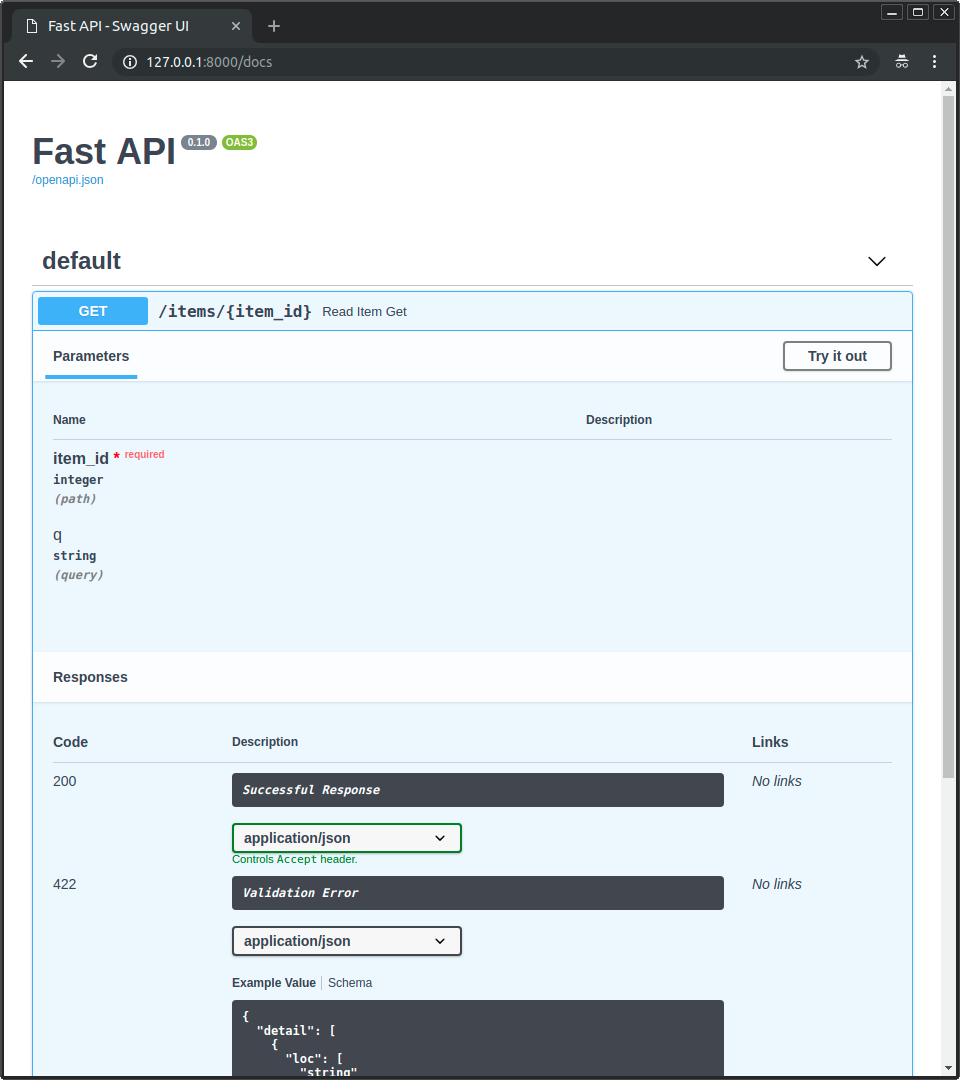
|
||||
|
||||
### Documentación de API Alternativa { #alternative-api-docs }
|
||||
### Documentación alternativa de la API { #alternative-api-docs }
|
||||
|
||||
Y ahora, ve a <a href="http://127.0.0.1:8000/redoc" class="external-link" target="_blank">http://127.0.0.1:8000/redoc</a>.
|
||||
|
||||
@@ -276,15 +278,13 @@ Verás la documentación alternativa automática (proporcionada por <a href="htt
|
||||
|
||||

|
||||
|
||||
## Actualización del Ejemplo { #example-upgrade }
|
||||
## Actualización del ejemplo { #example-upgrade }
|
||||
|
||||
Ahora modifica el archivo `main.py` para recibir un body desde un request `PUT`.
|
||||
|
||||
Declara el body usando tipos estándar de Python, gracias a Pydantic.
|
||||
|
||||
```Python hl_lines="4 9-12 25-27"
|
||||
from typing import Union
|
||||
|
||||
```Python hl_lines="2 7-10 23-25"
|
||||
from fastapi import FastAPI
|
||||
from pydantic import BaseModel
|
||||
|
||||
@@ -294,7 +294,7 @@ app = FastAPI()
|
||||
class Item(BaseModel):
|
||||
name: str
|
||||
price: float
|
||||
is_offer: Union[bool, None] = None
|
||||
is_offer: bool | None = None
|
||||
|
||||
|
||||
@app.get("/")
|
||||
@@ -303,7 +303,7 @@ def read_root():
|
||||
|
||||
|
||||
@app.get("/items/{item_id}")
|
||||
def read_item(item_id: int, q: Union[str, None] = None):
|
||||
def read_item(item_id: int, q: str | None = None):
|
||||
return {"item_id": item_id, "q": q}
|
||||
|
||||
|
||||
@@ -314,7 +314,7 @@ def update_item(item_id: int, item: Item):
|
||||
|
||||
El servidor `fastapi dev` debería recargarse automáticamente.
|
||||
|
||||
### Actualización de la Documentación Interactiva de la API { #interactive-api-docs-upgrade }
|
||||
### Actualización de la documentación interactiva de la API { #interactive-api-docs-upgrade }
|
||||
|
||||
Ahora ve a <a href="http://127.0.0.1:8000/docs" class="external-link" target="_blank">http://127.0.0.1:8000/docs</a>.
|
||||
|
||||
@@ -330,7 +330,7 @@ Ahora ve a <a href="http://127.0.0.1:8000/docs" class="external-link" target="_b
|
||||
|
||||

|
||||
|
||||
### Actualización de la Documentación Alternativa de la API { #alternative-api-docs-upgrade }
|
||||
### Actualización de la documentación alternativa de la API { #alternative-api-docs-upgrade }
|
||||
|
||||
Y ahora, ve a <a href="http://127.0.0.1:8000/redoc" class="external-link" target="_blank">http://127.0.0.1:8000/redoc</a>.
|
||||
|
||||
@@ -393,13 +393,13 @@ Volviendo al ejemplo de código anterior, **FastAPI**:
|
||||
* Validará que haya un `item_id` en el path para requests `GET` y `PUT`.
|
||||
* Validará que el `item_id` sea del tipo `int` para requests `GET` y `PUT`.
|
||||
* Si no lo es, el cliente verá un error útil y claro.
|
||||
* Comprobará si hay un parámetro de query opcional llamado `q` (como en `http://127.0.0.1:8000/items/foo?q=somequery`) para requests `GET`.
|
||||
* Revisa si hay un parámetro de query opcional llamado `q` (como en `http://127.0.0.1:8000/items/foo?q=somequery`) para requests `GET`.
|
||||
* Como el parámetro `q` está declarado con `= None`, es opcional.
|
||||
* Sin el `None` sería requerido (como lo es el body en el caso con `PUT`).
|
||||
* Para requests `PUT` a `/items/{item_id}`, leerá el body como JSON:
|
||||
* Comprobará que tiene un atributo requerido `name` que debe ser un `str`.
|
||||
* Comprobará que tiene un atributo requerido `price` que debe ser un `float`.
|
||||
* Comprobará que tiene un atributo opcional `is_offer`, que debe ser un `bool`, si está presente.
|
||||
* Revisa que tiene un atributo requerido `name` que debe ser un `str`.
|
||||
* Revisa que tiene un atributo requerido `price` que debe ser un `float`.
|
||||
* Revisa que tiene un atributo opcional `is_offer`, que debe ser un `bool`, si está presente.
|
||||
* Todo esto también funcionaría para objetos JSON profundamente anidados.
|
||||
* Convertirá de y a JSON automáticamente.
|
||||
* Documentará todo con OpenAPI, que puede ser usado por:
|
||||
|
||||
@@ -56,7 +56,7 @@ from app.routers import items
|
||||
|
||||
La misma estructura de archivos con comentarios:
|
||||
|
||||
```
|
||||
```bash
|
||||
.
|
||||
├── app # "app" es un paquete de Python
|
||||
│ ├── __init__.py # este archivo hace que "app" sea un "paquete de Python"
|
||||
@@ -185,7 +185,7 @@ El resultado final es que los paths de item son ahora:
|
||||
* Todos incluirán las `responses` predefinidas.
|
||||
* Todas estas *path operations* tendrán la lista de `dependencies` evaluadas/ejecutadas antes de ellas.
|
||||
* Si también declaras dependencias en una *path operation* específica, **también se ejecutarán**.
|
||||
* Las dependencias del router se ejecutan primero, luego las [dependencias en el decorador](dependencies/dependencies-in-path-operation-decorators.md){.internal-link target=_blank}, y luego las dependencias de parámetros normales.
|
||||
* Las dependencias del router se ejecutan primero, luego las [`dependencies` en el decorador](dependencies/dependencies-in-path-operation-decorators.md){.internal-link target=_blank}, y luego las dependencias de parámetros normales.
|
||||
* También puedes agregar [dependencias de `Security` con `scopes`](../advanced/security/oauth2-scopes.md){.internal-link target=_blank}.
|
||||
|
||||
/// tip | Consejo
|
||||
@@ -214,7 +214,7 @@ Así que usamos un import relativo con `..` para las dependencias:
|
||||
|
||||
/// tip | Consejo
|
||||
|
||||
Si sabes perfectamente cómo funcionan los imports, continúa a la siguiente sección.
|
||||
Si sabes perfectamente cómo funcionan los imports, continúa a la siguiente sección abajo.
|
||||
|
||||
///
|
||||
|
||||
@@ -271,7 +271,7 @@ eso significaría:
|
||||
|
||||
Eso se referiría a algún paquete arriba de `app/`, con su propio archivo `__init__.py`, etc. Pero no tenemos eso. Así que, eso lanzaría un error en nuestro ejemplo. 🚨
|
||||
|
||||
Pero ahora sabes cómo funciona, para que puedas usar imports relativos en tus propias aplicaciones sin importar cuán complejas sean. 🤓
|
||||
Pero ahora sabes cómo funciona, para que puedas usar imports relativos en tus propias apps sin importar cuán complejas sean. 🤓
|
||||
|
||||
### Agregar algunos `tags`, `responses`, y `dependencies` personalizados { #add-some-custom-tags-responses-and-dependencies }
|
||||
|
||||
@@ -283,7 +283,7 @@ Pero aún podemos agregar _más_ `tags` que se aplicarán a una *path operation*
|
||||
|
||||
/// tip | Consejo
|
||||
|
||||
Esta última *path operation* tendrá la combinación de tags: `["items", "custom"]`.
|
||||
Esta última path operation tendrá la combinación de tags: `["items", "custom"]`.
|
||||
|
||||
Y también tendrá ambas responses en la documentación, una para `404` y otra para `403`.
|
||||
|
||||
@@ -301,7 +301,7 @@ Y como la mayor parte de tu lógica ahora vivirá en su propio módulo específi
|
||||
|
||||
### Importar `FastAPI` { #import-fastapi }
|
||||
|
||||
Importas y creas una clase `FastAPI` como de costumbre.
|
||||
Importas y creas una clase `FastAPI` como normalmente.
|
||||
|
||||
Y podemos incluso declarar [dependencias globales](dependencies/global-dependencies.md){.internal-link target=_blank} que se combinarán con las dependencias para cada `APIRouter`:
|
||||
|
||||
@@ -398,7 +398,7 @@ Incluirá todas las rutas de ese router como parte de ella.
|
||||
|
||||
En realidad creará internamente una *path operation* para cada *path operation* que fue declarada en el `APIRouter`.
|
||||
|
||||
Así, detrás de escena, funcionará como si todo fuera la misma única aplicación.
|
||||
Así, detrás de escena, funcionará como si todo fuera la misma única app.
|
||||
|
||||
///
|
||||
|
||||
@@ -430,20 +430,20 @@ Podemos declarar todo eso sin tener que modificar el `APIRouter` original pasand
|
||||
|
||||
De esa manera, el `APIRouter` original permanecerá sin modificar, por lo que aún podemos compartir ese mismo archivo `app/internal/admin.py` con otros proyectos en la organización.
|
||||
|
||||
El resultado es que, en nuestra aplicación, cada una de las *path operations* del módulo `admin` tendrá:
|
||||
El resultado es que, en nuestra app, cada una de las *path operations* del módulo `admin` tendrá:
|
||||
|
||||
* El prefix `/admin`.
|
||||
* El tag `admin`.
|
||||
* La dependencia `get_token_header`.
|
||||
* La response `418`. 🍵
|
||||
|
||||
Pero eso solo afectará a ese `APIRouter` en nuestra aplicación, no en ningún otro código que lo utilice.
|
||||
Pero eso solo afectará a ese `APIRouter` en nuestra app, no en ningún otro código que lo utilice.
|
||||
|
||||
Así, por ejemplo, otros proyectos podrían usar el mismo `APIRouter` con un método de autenticación diferente.
|
||||
|
||||
### Incluir una *path operation* { #include-a-path-operation }
|
||||
|
||||
También podemos agregar *path operations* directamente a la aplicación de `FastAPI`.
|
||||
También podemos agregar *path operations* directamente a la app de `FastAPI`.
|
||||
|
||||
Aquí lo hacemos... solo para mostrar que podemos 🤷:
|
||||
|
||||
@@ -461,13 +461,13 @@ Los `APIRouter`s no están "montados", no están aislados del resto de la aplica
|
||||
|
||||
Esto se debe a que queremos incluir sus *path operations* en el esquema de OpenAPI y las interfaces de usuario.
|
||||
|
||||
Como no podemos simplemente aislarlos y "montarlos" independientemente del resto, se "clonan" las *path operations* (se vuelven a crear), no se incluyen directamente.
|
||||
Como no podemos simplemente aislarlos y "montarlos" independientemente del resto, las *path operations* se "clonan" (se vuelven a crear), no se incluyen directamente.
|
||||
|
||||
///
|
||||
|
||||
## Revisa la documentación automática de la API { #check-the-automatic-api-docs }
|
||||
|
||||
Ahora, ejecuta tu aplicación:
|
||||
Ahora, ejecuta tu app:
|
||||
|
||||
<div class="termy">
|
||||
|
||||
@@ -481,7 +481,7 @@ $ fastapi dev app/main.py
|
||||
|
||||
Y abre la documentación en <a href="http://127.0.0.1:8000/docs" class="external-link" target="_blank">http://127.0.0.1:8000/docs</a>.
|
||||
|
||||
Verás la documentación automática de la API, incluyendo los paths de todos los submódulos, usando los paths correctos (y prefijos) y las tags correctas:
|
||||
Verás la documentación automática de la API, incluyendo los paths de todos los submódulos, usando los paths correctos (y prefijos) y los tags correctos:
|
||||
|
||||
<img src="/img/tutorial/bigger-applications/image01.png">
|
||||
|
||||
@@ -501,4 +501,4 @@ De la misma manera que puedes incluir un `APIRouter` en una aplicación `FastAPI
|
||||
router.include_router(other_router)
|
||||
```
|
||||
|
||||
Asegúrate de hacerlo antes de incluir `router` en la aplicación de `FastAPI`, para que las *path operations* de `other_router` también se incluyan.
|
||||
Asegúrate de hacerlo antes de incluir `router` en la app de `FastAPI`, para que las *path operations* de `other_router` también se incluyan.
|
||||
|
||||
@@ -101,13 +101,13 @@ Por supuesto, también puedes declarar parámetros adicionales de query siempre
|
||||
Como, por defecto, los valores singulares se interpretan como parámetros de query, no tienes que añadir explícitamente un `Query`, solo puedes hacer:
|
||||
|
||||
```Python
|
||||
q: Union[str, None] = None
|
||||
q: str | None = None
|
||||
```
|
||||
|
||||
O en Python 3.10 y superior:
|
||||
O en Python 3.9:
|
||||
|
||||
```Python
|
||||
q: str | None = None
|
||||
q: Union[str, None] = None
|
||||
```
|
||||
|
||||
Por ejemplo:
|
||||
|
||||
@@ -1,4 +1,4 @@
|
||||
# Cuerpo - Actualizaciones { #body-updates }
|
||||
# Body - Actualizaciones { #body-updates }
|
||||
|
||||
## Actualización reemplazando con `PUT` { #update-replacing-with-put }
|
||||
|
||||
@@ -50,14 +50,6 @@ Si quieres recibir actualizaciones parciales, es muy útil usar el parámetro `e
|
||||
|
||||
Como `item.model_dump(exclude_unset=True)`.
|
||||
|
||||
/// info | Información
|
||||
|
||||
En Pydantic v1 el método se llamaba `.dict()`, fue deprecado (pero aún soportado) en Pydantic v2, y renombrado a `.model_dump()`.
|
||||
|
||||
Los ejemplos aquí usan `.dict()` para compatibilidad con Pydantic v1, pero deberías usar `.model_dump()` si puedes usar Pydantic v2.
|
||||
|
||||
///
|
||||
|
||||
Eso generaría un `dict` solo con los datos que se establecieron al crear el modelo `item`, excluyendo los valores por defecto.
|
||||
|
||||
Luego puedes usar esto para generar un `dict` solo con los datos que se establecieron (enviados en el request), omitiendo los valores por defecto:
|
||||
@@ -68,14 +60,6 @@ Luego puedes usar esto para generar un `dict` solo con los datos que se establec
|
||||
|
||||
Ahora, puedes crear una copia del modelo existente usando `.model_copy()`, y pasar el parámetro `update` con un `dict` que contenga los datos a actualizar.
|
||||
|
||||
/// info | Información
|
||||
|
||||
En Pydantic v1 el método se llamaba `.copy()`, fue deprecado (pero aún soportado) en Pydantic v2, y renombrado a `.model_copy()`.
|
||||
|
||||
Los ejemplos aquí usan `.copy()` para compatibilidad con Pydantic v1, pero deberías usar `.model_copy()` si puedes usar Pydantic v2.
|
||||
|
||||
///
|
||||
|
||||
Como `stored_item_model.model_copy(update=update_data)`:
|
||||
|
||||
{* ../../docs_src/body_updates/tutorial002_py310.py hl[33] *}
|
||||
@@ -90,9 +74,9 @@ En resumen, para aplicar actualizaciones parciales deberías:
|
||||
* Generar un `dict` sin valores por defecto del modelo de entrada (usando `exclude_unset`).
|
||||
* De esta manera puedes actualizar solo los valores realmente establecidos por el usuario, en lugar de sobrescribir valores ya almacenados con valores por defecto en tu modelo.
|
||||
* Crear una copia del modelo almacenado, actualizando sus atributos con las actualizaciones parciales recibidas (usando el parámetro `update`).
|
||||
* Convertir el modelo copiado en algo que pueda almacenarse en tu base de datos (por ejemplo, usando el `jsonable_encoder`).
|
||||
* Convertir el modelo copiado en algo que pueda almacenarse en tu DB (por ejemplo, usando el `jsonable_encoder`).
|
||||
* Esto es comparable a usar el método `.model_dump()` del modelo de nuevo, pero asegura (y convierte) los valores a tipos de datos que pueden convertirse a JSON, por ejemplo, `datetime` a `str`.
|
||||
* Guardar los datos en tu base de datos.
|
||||
* Guardar los datos en tu DB.
|
||||
* Devolver el modelo actualizado.
|
||||
|
||||
{* ../../docs_src/body_updates/tutorial002_py310.py hl[28:35] *}
|
||||
|
||||
@@ -32,7 +32,8 @@ Usa tipos estándar de Python para todos los atributos:
|
||||
|
||||
{* ../../docs_src/body/tutorial001_py310.py hl[5:9] *}
|
||||
|
||||
Al igual que al declarar parámetros de query, cuando un atributo del modelo tiene un valor por defecto, no es obligatorio. De lo contrario, es obligatorio. Usa `None` para hacerlo opcional.
|
||||
|
||||
Al igual que al declarar parámetros de query, cuando un atributo del modelo tiene un valor por defecto, no es obligatorio. De lo contrario, es obligatorio. Usa `None` para hacerlo solo opcional.
|
||||
|
||||
Por ejemplo, el modelo anterior declara un “`object`” JSON (o `dict` en Python) como:
|
||||
|
||||
@@ -127,14 +128,6 @@ Dentro de la función, puedes acceder a todos los atributos del objeto modelo di
|
||||
|
||||
{* ../../docs_src/body/tutorial002_py310.py *}
|
||||
|
||||
/// info | Información
|
||||
|
||||
En Pydantic v1 el método se llamaba `.dict()`, se marcó como obsoleto (pero sigue soportado) en Pydantic v2, y se renombró a `.model_dump()`.
|
||||
|
||||
Los ejemplos aquí usan `.dict()` por compatibilidad con Pydantic v1, pero deberías usar `.model_dump()` si puedes usar Pydantic v2.
|
||||
|
||||
///
|
||||
|
||||
## Request body + parámetros de path { #request-body-path-parameters }
|
||||
|
||||
Puedes declarar parámetros de path y request body al mismo tiempo.
|
||||
@@ -143,6 +136,7 @@ Puedes declarar parámetros de path y request body al mismo tiempo.
|
||||
|
||||
{* ../../docs_src/body/tutorial003_py310.py hl[15:16] *}
|
||||
|
||||
|
||||
## Request body + path + parámetros de query { #request-body-path-query-parameters }
|
||||
|
||||
También puedes declarar parámetros de **body**, **path** y **query**, todos al mismo tiempo.
|
||||
@@ -155,7 +149,7 @@ Los parámetros de la función se reconocerán de la siguiente manera:
|
||||
|
||||
* Si el parámetro también se declara en el **path**, se utilizará como un parámetro de path.
|
||||
* Si el parámetro es de un **tipo singular** (como `int`, `float`, `str`, `bool`, etc.), se interpretará como un parámetro de **query**.
|
||||
* Si el parámetro se declara como del tipo de un **modelo de Pydantic**, se interpretará como un **request body**.
|
||||
* Si el parámetro se declara como del tipo de un **modelo de Pydantic**, se interpretará como un **body** de request.
|
||||
|
||||
/// note | Nota
|
||||
|
||||
|
||||
@@ -22,21 +22,13 @@ Aquí tienes una idea general de cómo podrían ser los modelos con sus campos d
|
||||
|
||||
{* ../../docs_src/extra_models/tutorial001_py310.py hl[7,9,14,20,22,27:28,31:33,38:39] *}
|
||||
|
||||
/// info | Información
|
||||
### Acerca de `**user_in.model_dump()` { #about-user-in-model-dump }
|
||||
|
||||
En Pydantic v1 el método se llamaba `.dict()`, fue deprecado (pero aún soportado) en Pydantic v2, y renombrado a `.model_dump()`.
|
||||
|
||||
Los ejemplos aquí usan `.dict()` para compatibilidad con Pydantic v1, pero deberías usar `.model_dump()` en su lugar si puedes usar Pydantic v2.
|
||||
|
||||
///
|
||||
|
||||
### Acerca de `**user_in.dict()` { #about-user-in-dict }
|
||||
|
||||
#### `.dict()` de Pydantic { #pydantics-dict }
|
||||
#### `.model_dump()` de Pydantic { #pydantics-model-dump }
|
||||
|
||||
`user_in` es un modelo Pydantic de la clase `UserIn`.
|
||||
|
||||
Los modelos Pydantic tienen un método `.dict()` que devuelve un `dict` con los datos del modelo.
|
||||
Los modelos Pydantic tienen un método `.model_dump()` que devuelve un `dict` con los datos del modelo.
|
||||
|
||||
Así que, si creamos un objeto Pydantic `user_in` como:
|
||||
|
||||
@@ -47,7 +39,7 @@ user_in = UserIn(username="john", password="secret", email="john.doe@example.com
|
||||
y luego llamamos a:
|
||||
|
||||
```Python
|
||||
user_dict = user_in.dict()
|
||||
user_dict = user_in.model_dump()
|
||||
```
|
||||
|
||||
ahora tenemos un `dict` con los datos en la variable `user_dict` (es un `dict` en lugar de un objeto modelo Pydantic).
|
||||
@@ -58,7 +50,7 @@ Y si llamamos a:
|
||||
print(user_dict)
|
||||
```
|
||||
|
||||
obtendremos un `dict` de Python con:
|
||||
obtendríamos un `dict` de Python con:
|
||||
|
||||
```Python
|
||||
{
|
||||
@@ -103,20 +95,20 @@ UserInDB(
|
||||
|
||||
#### Un modelo Pydantic a partir del contenido de otro { #a-pydantic-model-from-the-contents-of-another }
|
||||
|
||||
Como en el ejemplo anterior obtuvimos `user_dict` de `user_in.dict()`, este código:
|
||||
Como en el ejemplo anterior obtuvimos `user_dict` de `user_in.model_dump()`, este código:
|
||||
|
||||
```Python
|
||||
user_dict = user_in.dict()
|
||||
user_dict = user_in.model_dump()
|
||||
UserInDB(**user_dict)
|
||||
```
|
||||
|
||||
sería equivalente a:
|
||||
|
||||
```Python
|
||||
UserInDB(**user_in.dict())
|
||||
UserInDB(**user_in.model_dump())
|
||||
```
|
||||
|
||||
...porque `user_in.dict()` es un `dict`, y luego hacemos que Python lo "desempaquete" al pasarlo a `UserInDB` con el prefijo `**`.
|
||||
...porque `user_in.model_dump()` es un `dict`, y luego hacemos que Python lo "desempaquete" al pasarlo a `UserInDB` con el prefijo `**`.
|
||||
|
||||
Así, obtenemos un modelo Pydantic a partir de los datos en otro modelo Pydantic.
|
||||
|
||||
@@ -125,7 +117,7 @@ Así, obtenemos un modelo Pydantic a partir de los datos en otro modelo Pydantic
|
||||
Y luego agregando el argumento de palabra clave adicional `hashed_password=hashed_password`, como en:
|
||||
|
||||
```Python
|
||||
UserInDB(**user_in.dict(), hashed_password=hashed_password)
|
||||
UserInDB(**user_in.model_dump(), hashed_password=hashed_password)
|
||||
```
|
||||
|
||||
...termina siendo como:
|
||||
@@ -156,7 +148,7 @@ Y estos modelos están compartiendo muchos de los datos y duplicando nombres y t
|
||||
|
||||
Podríamos hacerlo mejor.
|
||||
|
||||
Podemos declarar un modelo `UserBase` que sirva como base para nuestros otros modelos. Y luego podemos hacer subclases de ese modelo que heredan sus atributos (anotaciones de tipos, validación, etc).
|
||||
Podemos declarar un modelo `UserBase` que sirva como base para nuestros otros modelos. Y luego podemos hacer subclases de ese modelo que heredan sus atributos (declaraciones de tipos, validación, etc).
|
||||
|
||||
Toda la conversión de datos, validación, documentación, etc. seguirá funcionando normalmente.
|
||||
|
||||
@@ -180,20 +172,19 @@ Al definir una <a href="https://docs.pydantic.dev/latest/concepts/types/#unions"
|
||||
|
||||
{* ../../docs_src/extra_models/tutorial003_py310.py hl[1,14:15,18:20,33] *}
|
||||
|
||||
|
||||
### `Union` en Python 3.10 { #union-in-python-3-10 }
|
||||
|
||||
En este ejemplo pasamos `Union[PlaneItem, CarItem]` como el valor del argumento `response_model`.
|
||||
|
||||
Porque lo estamos pasando como un **valor a un argumento** en lugar de ponerlo en **anotaciones de tipos**, tenemos que usar `Union` incluso en Python 3.10.
|
||||
Porque lo estamos pasando como un **valor a un argumento** en lugar de ponerlo en una **anotación de tipos**, tenemos que usar `Union` incluso en Python 3.10.
|
||||
|
||||
Si estuviera en anotaciones de tipos podríamos haber usado la barra vertical, como:
|
||||
Si estuviera en una anotación de tipos podríamos haber usado la barra vertical, como:
|
||||
|
||||
```Python
|
||||
some_variable: PlaneItem | CarItem
|
||||
```
|
||||
|
||||
Pero si ponemos eso en la asignación `response_model=PlaneItem | CarItem` obtendríamos un error, porque Python intentaría realizar una **operación inválida** entre `PlaneItem` y `CarItem` en lugar de interpretar eso como anotaciones de tipos.
|
||||
Pero si ponemos eso en la asignación `response_model=PlaneItem | CarItem` obtendríamos un error, porque Python intentaría realizar una **operación inválida** entre `PlaneItem` y `CarItem` en lugar de interpretar eso como una anotación de tipos.
|
||||
|
||||
## Lista de modelos { #list-of-models }
|
||||
|
||||
@@ -203,7 +194,6 @@ Para eso, usa el `typing.List` estándar de Python (o simplemente `list` en Pyth
|
||||
|
||||
{* ../../docs_src/extra_models/tutorial004_py39.py hl[18] *}
|
||||
|
||||
|
||||
## Response con `dict` arbitrario { #response-with-arbitrary-dict }
|
||||
|
||||
También puedes declarar un response usando un `dict` arbitrario plano, declarando solo el tipo de las claves y valores, sin usar un modelo Pydantic.
|
||||
@@ -214,7 +204,6 @@ En este caso, puedes usar `typing.Dict` (o solo `dict` en Python 3.9 y posterior
|
||||
|
||||
{* ../../docs_src/extra_models/tutorial005_py39.py hl[6] *}
|
||||
|
||||
|
||||
## Recapitulación { #recap }
|
||||
|
||||
Usa múltiples modelos Pydantic y hereda libremente para cada caso.
|
||||
|
||||
@@ -52,7 +52,7 @@ En estos casos, podría tener sentido almacenar las tags en un `Enum`.
|
||||
|
||||
Puedes añadir un `summary` y `description`:
|
||||
|
||||
{* ../../docs_src/path_operation_configuration/tutorial003_py310.py hl[18:19] *}
|
||||
{* ../../docs_src/path_operation_configuration/tutorial003_py310.py hl[17:18] *}
|
||||
|
||||
## Descripción desde docstring { #description-from-docstring }
|
||||
|
||||
@@ -70,7 +70,7 @@ Será usado en la documentación interactiva:
|
||||
|
||||
Puedes especificar la descripción del response con el parámetro `response_description`:
|
||||
|
||||
{* ../../docs_src/path_operation_configuration/tutorial005_py310.py hl[19] *}
|
||||
{* ../../docs_src/path_operation_configuration/tutorial005_py310.py hl[18] *}
|
||||
|
||||
/// info | Información
|
||||
|
||||
|
||||
@@ -109,7 +109,7 @@ FastAPI ahora:
|
||||
|
||||
## Alternativa (antigua): `Query` como valor por defecto { #alternative-old-query-as-the-default-value }
|
||||
|
||||
Versiones anteriores de FastAPI (antes de <abbr title="antes de 2023-03">0.95.0</abbr>) requerían que usaras `Query` como el valor por defecto de tu parámetro, en lugar de ponerlo en `Annotated`, hay una alta probabilidad de que veas código usándolo alrededor, así que te lo explicaré.
|
||||
Versiones anteriores de FastAPI (antes de <abbr title="before 2023-03 - antes de 2023-03">0.95.0</abbr>) requerían que usaras `Query` como el valor por defecto de tu parámetro, en lugar de ponerlo en `Annotated`, hay una alta probabilidad de que veas código usándolo alrededor, así que te lo explicaré.
|
||||
|
||||
/// tip | Consejo
|
||||
|
||||
@@ -192,7 +192,7 @@ También puedes agregar un parámetro `min_length`:
|
||||
|
||||
## Agregar expresiones regulares { #add-regular-expressions }
|
||||
|
||||
Puedes definir un <abbr title="Una expresión regular, regex o regexp es una secuencia de caracteres que define un patrón de búsqueda para strings.">expresión regular</abbr> `pattern` que el parámetro debe coincidir:
|
||||
Puedes definir una <abbr title="Una expresión regular, regex o regexp es una secuencia de caracteres que define un patrón de búsqueda para strings.">expresión regular</abbr> `pattern` que el parámetro debe coincidir:
|
||||
|
||||
{* ../../docs_src/query_params_str_validations/tutorial004_an_py310.py hl[11] *}
|
||||
|
||||
@@ -206,20 +206,6 @@ Si te sientes perdido con todas estas ideas de **"expresión regular"**, no te p
|
||||
|
||||
Ahora sabes que cuando las necesites puedes usarlas en **FastAPI**.
|
||||
|
||||
### Pydantic v1 `regex` en lugar de `pattern` { #pydantic-v1-regex-instead-of-pattern }
|
||||
|
||||
Antes de la versión 2 de Pydantic y antes de FastAPI 0.100.0, el parámetro se llamaba `regex` en lugar de `pattern`, pero ahora está en desuso.
|
||||
|
||||
Todavía podrías ver algo de código que lo usa:
|
||||
|
||||
//// tab | Pydantic v1
|
||||
|
||||
{* ../../docs_src/query_params_str_validations/tutorial004_regex_an_py310.py hl[11] *}
|
||||
|
||||
////
|
||||
|
||||
Pero que sepas que esto está deprecado y debería actualizarse para usar el nuevo parámetro `pattern`. 🤓
|
||||
|
||||
## Valores por defecto { #default-values }
|
||||
|
||||
Puedes, por supuesto, usar valores por defecto diferentes de `None`.
|
||||
@@ -280,7 +266,7 @@ Entonces, con una URL como:
|
||||
http://localhost:8000/items/?q=foo&q=bar
|
||||
```
|
||||
|
||||
recibirías los múltiples valores del *query parameter* `q` (`foo` y `bar`) en una `list` de Python dentro de tu *path operation function*, en el *parámetro de función* `q`.
|
||||
recibirías los múltiples valores de los *query parameters* `q` (`foo` y `bar`) en una `list` de Python dentro de tu *path operation function*, en el *parámetro de función* `q`.
|
||||
|
||||
Entonces, el response a esa URL sería:
|
||||
|
||||
@@ -386,7 +372,7 @@ Entonces puedes declarar un `alias`, y ese alias será usado para encontrar el v
|
||||
|
||||
Ahora digamos que ya no te gusta este parámetro.
|
||||
|
||||
Tienes que dejarlo allí por un tiempo porque hay clientes usándolo, pero quieres que la documentación lo muestre claramente como <abbr title="obsoleto, se recomienda no usarlo">deprecated</abbr>.
|
||||
Tienes que dejarlo allí por un tiempo porque hay clientes usándolo, pero quieres que la documentación lo muestre claramente como <abbr title="obsolete, recommended not to use it - obsoleto, se recomienda no usarlo">deprecated</abbr>.
|
||||
|
||||
Luego pasa el parámetro `deprecated=True` a `Query`:
|
||||
|
||||
@@ -416,7 +402,7 @@ Pydantic también tiene <a href="https://docs.pydantic.dev/latest/concepts/valid
|
||||
|
||||
///
|
||||
|
||||
Por ejemplo, este validador personalizado comprueba que el ID del ítem empiece con `isbn-` para un número de libro <abbr title="International Standard Book Number – Número Estándar Internacional de Libro">ISBN</abbr> o con `imdb-` para un ID de URL de película de <abbr title="IMDB (Internet Movie Database) es un sitio web con información sobre películas">IMDB</abbr>:
|
||||
Por ejemplo, este validador personalizado comprueba que el ID del ítem empiece con `isbn-` para un número de libro <abbr title="ISBN means International Standard Book Number - ISBN significa International Standard Book Number">ISBN</abbr> o con `imdb-` para un ID de URL de película de <abbr title="IMDB (Internet Movie Database) is a website with information about movies - IMDB (Internet Movie Database) es un sitio web con información sobre películas">IMDB</abbr>:
|
||||
|
||||
{* ../../docs_src/query_params_str_validations/tutorial015_an_py310.py hl[5,16:19,24] *}
|
||||
|
||||
@@ -450,7 +436,7 @@ Pero si te da curiosidad este ejemplo de código específico y sigues entretenid
|
||||
|
||||
#### Un ítem aleatorio { #a-random-item }
|
||||
|
||||
Con `data.items()` obtenemos un <abbr title="Algo que podemos iterar con un for, como una list, set, etc.">objeto iterable</abbr> con tuplas que contienen la clave y el valor para cada elemento del diccionario.
|
||||
Con `data.items()` obtenemos un <abbr title="Algo que podemos iterar con un for loop, como una list, set, etc.">objeto iterable</abbr> con tuplas que contienen la clave y el valor para cada elemento del diccionario.
|
||||
|
||||
Convertimos este objeto iterable en una `list` propiamente dicha con `list(data.items())`.
|
||||
|
||||
|
||||
@@ -2,7 +2,7 @@
|
||||
|
||||
Puedes declarar el tipo utilizado para el response anotando el **tipo de retorno** de la *path operation function*.
|
||||
|
||||
Puedes utilizar **anotaciones de tipos** de la misma manera que lo harías para datos de entrada en **parámetros** de función, puedes utilizar modelos de Pydantic, list, diccionarios, valores escalares como enteros, booleanos, etc.
|
||||
Puedes utilizar **anotaciones de tipos** de la misma manera que lo harías para datos de entrada en **parámetros** de función, puedes utilizar modelos de Pydantic, lists, diccionarios, valores escalares como enteros, booleanos, etc.
|
||||
|
||||
{* ../../docs_src/response_model/tutorial001_01_py310.py hl[16,21] *}
|
||||
|
||||
@@ -27,7 +27,7 @@ Por ejemplo, podrías querer **devolver un diccionario** u objeto de base de dat
|
||||
|
||||
Si añadiste la anotación del tipo de retorno, las herramientas y editores se quejarían con un error (correcto) diciéndote que tu función está devolviendo un tipo (por ejemplo, un dict) que es diferente de lo que declaraste (por ejemplo, un modelo de Pydantic).
|
||||
|
||||
En esos casos, puedes usar el parámetro del decorador de path operation `response_model` en lugar del tipo de retorno.
|
||||
En esos casos, puedes usar el parámetro del *decorador de path operation* `response_model` en lugar del tipo de retorno.
|
||||
|
||||
Puedes usar el parámetro `response_model` en cualquiera de las *path operations*:
|
||||
|
||||
@@ -153,7 +153,7 @@ Primero vamos a ver cómo los editores, mypy y otras herramientas verían esto.
|
||||
|
||||
`BaseUser` tiene los campos base. Luego `UserIn` hereda de `BaseUser` y añade el campo `password`, por lo que incluirá todos los campos de ambos modelos.
|
||||
|
||||
Anotamos el tipo de retorno de la función como `BaseUser`, pero en realidad estamos devolviendo un instance de `UserIn`.
|
||||
Anotamos el tipo de retorno de la función como `BaseUser`, pero en realidad estamos devolviendo un `UserIn` instance.
|
||||
|
||||
El editor, mypy y otras herramientas no se quejarán de esto porque, en términos de tipificación, `UserIn` es una subclase de `BaseUser`, lo que significa que es un tipo *válido* cuando se espera algo que es un `BaseUser`.
|
||||
|
||||
@@ -252,20 +252,6 @@ Entonces, si envías un request a esa *path operation* para el ítem con ID `foo
|
||||
|
||||
/// info | Información
|
||||
|
||||
En Pydantic v1 el método se llamaba `.dict()`, fue deprecado (pero aún soportado) en Pydantic v2, y renombrado a `.model_dump()`.
|
||||
|
||||
Los ejemplos aquí usan `.dict()` para compatibilidad con Pydantic v1, pero deberías usar `.model_dump()` en su lugar si puedes usar Pydantic v2.
|
||||
|
||||
///
|
||||
|
||||
/// info | Información
|
||||
|
||||
FastAPI usa el método `.dict()` del modelo de Pydantic con <a href="https://docs.pydantic.dev/1.10/usage/exporting_models/#modeldict" class="external-link" target="_blank">su parámetro `exclude_unset`</a> para lograr esto.
|
||||
|
||||
///
|
||||
|
||||
/// info | Información
|
||||
|
||||
También puedes usar:
|
||||
|
||||
* `response_model_exclude_defaults=True`
|
||||
|
||||
@@ -8,35 +8,13 @@ Aquí tienes varias formas de hacerlo.
|
||||
|
||||
Puedes declarar `examples` para un modelo de Pydantic que se añadirá al JSON Schema generado.
|
||||
|
||||
//// tab | Pydantic v2
|
||||
|
||||
{* ../../docs_src/schema_extra_example/tutorial001_py310.py hl[13:24] *}
|
||||
|
||||
////
|
||||
Esa información extra se añadirá tal cual al **JSON Schema** resultante para ese modelo, y se usará en la documentación de la API.
|
||||
|
||||
//// tab | Pydantic v1
|
||||
Puedes usar el atributo `model_config` que toma un `dict` como se describe en <a href="https://docs.pydantic.dev/latest/api/config/" class="external-link" target="_blank">la documentación de Pydantic: Configuración</a>.
|
||||
|
||||
{* ../../docs_src/schema_extra_example/tutorial001_pv1_py310.py hl[13:23] *}
|
||||
|
||||
////
|
||||
|
||||
Esa información extra se añadirá tal cual al **JSON Schema** generado para ese modelo, y se usará en la documentación de la API.
|
||||
|
||||
//// tab | Pydantic v2
|
||||
|
||||
En Pydantic versión 2, usarías el atributo `model_config`, que toma un `dict` como se describe en <a href="https://docs.pydantic.dev/latest/api/config/" class="external-link" target="_blank">la documentación de Pydantic: Configuración</a>.
|
||||
|
||||
Puedes establecer `"json_schema_extra"` con un `dict` que contenga cualquier dato adicional que desees que aparezca en el JSON Schema generado, incluyendo `examples`.
|
||||
|
||||
////
|
||||
|
||||
//// tab | Pydantic v1
|
||||
|
||||
En Pydantic versión 1, usarías una clase interna `Config` y `schema_extra`, como se describe en <a href="https://docs.pydantic.dev/1.10/usage/schema/#schema-customization" class="external-link" target="_blank">la documentación de Pydantic: Personalización de Esquema</a>.
|
||||
|
||||
Puedes establecer `schema_extra` con un `dict` que contenga cualquier dato adicional que desees que aparezca en el JSON Schema generado, incluyendo `examples`.
|
||||
|
||||
////
|
||||
Puedes establecer `"json_schema_extra"` con un `dict` que contenga cualquier dato adicional que te gustaría que aparezca en el JSON Schema generado, incluyendo `examples`.
|
||||
|
||||
/// tip | Consejo
|
||||
|
||||
@@ -50,7 +28,7 @@ Por ejemplo, podrías usarlo para añadir metadatos para una interfaz de usuario
|
||||
|
||||
OpenAPI 3.1.0 (usado desde FastAPI 0.99.0) añadió soporte para `examples`, que es parte del estándar de **JSON Schema**.
|
||||
|
||||
Antes de eso, solo soportaba la palabra clave `example` con un solo ejemplo. Eso aún es soportado por OpenAPI 3.1.0, pero está obsoleto y no es parte del estándar de JSON Schema. Así que se recomienda migrar de `example` a `examples`. 🤓
|
||||
Antes de eso, solo soportaba la palabra clave `example` con un solo ejemplo. Eso aún es soportado por OpenAPI 3.1.0, pero está obsoleto y no es parte del estándar de JSON Schema. Así que se te anima a migrar `example` a `examples`. 🤓
|
||||
|
||||
Puedes leer más al final de esta página.
|
||||
|
||||
@@ -94,7 +72,7 @@ Por supuesto, también puedes pasar múltiples `examples`:
|
||||
|
||||
{* ../../docs_src/schema_extra_example/tutorial004_an_py310.py hl[23:38] *}
|
||||
|
||||
Cuando haces esto, los ejemplos serán parte del **JSON Schema** interno para esos datos de body.
|
||||
Cuando haces esto, los ejemplos serán parte del **JSON Schema** interno para esos datos del body.
|
||||
|
||||
Sin embargo, al <abbr title="2023-08-26">momento de escribir esto</abbr>, Swagger UI, la herramienta encargada de mostrar la interfaz de documentación, no soporta mostrar múltiples ejemplos para los datos en **JSON Schema**. Pero lee más abajo para una solución alternativa.
|
||||
|
||||
@@ -203,17 +181,17 @@ Debido a eso, las versiones de FastAPI anteriores a 0.99.0 todavía usaban versi
|
||||
|
||||
### `examples` de Pydantic y FastAPI { #pydantic-and-fastapi-examples }
|
||||
|
||||
Cuando añades `examples` dentro de un modelo de Pydantic, usando `schema_extra` o `Field(examples=["algo"])`, ese ejemplo se añade al **JSON Schema** para ese modelo de Pydantic.
|
||||
Cuando añades `examples` dentro de un modelo de Pydantic, usando `schema_extra` o `Field(examples=["something"])`, ese ejemplo se añade al **JSON Schema** para ese modelo de Pydantic.
|
||||
|
||||
Y ese **JSON Schema** del modelo de Pydantic se incluye en el **OpenAPI** de tu API, y luego se usa en la interfaz de documentación.
|
||||
|
||||
En las versiones de FastAPI antes de 0.99.0 (0.99.0 y superior usan el nuevo OpenAPI 3.1.0) cuando usabas `example` o `examples` con cualquiera de las otras utilidades (`Query()`, `Body()`, etc.) esos ejemplos no se añadían al JSON Schema que describe esos datos (ni siquiera a la propia versión de JSON Schema de OpenAPI), se añadían directamente a la declaración de la *path operation* en OpenAPI (fuera de las partes de OpenAPI que usan JSON Schema).
|
||||
En las versiones de FastAPI antes de 0.99.0 (0.99.0 y superiores usan el nuevo OpenAPI 3.1.0) cuando usabas `example` o `examples` con cualquiera de las otras utilidades (`Query()`, `Body()`, etc.) esos ejemplos no se añadían al JSON Schema que describe esos datos (ni siquiera a la propia versión de JSON Schema de OpenAPI), se añadían directamente a la declaración de la *path operation* en OpenAPI (fuera de las partes de OpenAPI que usan JSON Schema).
|
||||
|
||||
Pero ahora que FastAPI 0.99.0 y superiores usa OpenAPI 3.1.0, que usa JSON Schema 2020-12, y Swagger UI 5.0.0 y superiores, todo es más consistente y los ejemplos se incluyen en JSON Schema.
|
||||
|
||||
### Swagger UI y `examples` específicos de OpenAPI { #swagger-ui-and-openapi-specific-examples }
|
||||
|
||||
Ahora, como Swagger UI no soportaba múltiples ejemplos de JSON Schema (a fecha de 2023-08-26), los usuarios no tenían una forma de mostrar múltiples ejemplos en los documentos.
|
||||
Ahora, como Swagger UI no soportaba múltiples ejemplos de JSON Schema (a fecha de 2023-08-26), los usuarios no tenían una forma de mostrar múltiples ejemplos en la documentación.
|
||||
|
||||
Para resolver eso, FastAPI `0.103.0` **añadió soporte** para declarar el mismo viejo campo **específico de OpenAPI** `examples` con el nuevo parámetro `openapi_examples`. 🤓
|
||||
|
||||
|
||||
@@ -1,6 +1,6 @@
|
||||
# Réponses supplémentaires dans OpenAPI
|
||||
# Réponses supplémentaires dans OpenAPI { #additional-responses-in-openapi }
|
||||
|
||||
/// warning | Attention
|
||||
/// warning | Alertes
|
||||
|
||||
Ceci concerne un sujet plutôt avancé.
|
||||
|
||||
@@ -14,9 +14,9 @@ Ces réponses supplémentaires seront incluses dans le schéma OpenAPI, elles ap
|
||||
|
||||
Mais pour ces réponses supplémentaires, vous devez vous assurer de renvoyer directement une `Response` comme `JSONResponse`, avec votre code HTTP et votre contenu.
|
||||
|
||||
## Réponse supplémentaire avec `model`
|
||||
## Réponse supplémentaire avec `model` { #additional-response-with-model }
|
||||
|
||||
Vous pouvez ajouter à votre décorateur de *paramètre de chemin* un paramètre `responses`.
|
||||
Vous pouvez passer à vos décorateurs de *chemin d'accès* un paramètre `responses`.
|
||||
|
||||
Il prend comme valeur un `dict` dont les clés sont des codes HTTP pour chaque réponse, comme `200`, et la valeur de ces clés sont d'autres `dict` avec des informations pour chacun d'eux.
|
||||
|
||||
@@ -26,7 +26,7 @@ Chacun de ces `dict` de réponse peut avoir une clé `model`, contenant un modè
|
||||
|
||||
Par exemple, pour déclarer une autre réponse avec un code HTTP `404` et un modèle Pydantic `Message`, vous pouvez écrire :
|
||||
|
||||
{* ../../docs_src/additional_responses/tutorial001.py hl[18,22] *}
|
||||
{* ../../docs_src/additional_responses/tutorial001_py39.py hl[18,22] *}
|
||||
|
||||
/// note | Remarque
|
||||
|
||||
@@ -49,7 +49,7 @@ Le bon endroit est :
|
||||
|
||||
///
|
||||
|
||||
Les réponses générées au format OpenAPI pour cette *opération de chemin* seront :
|
||||
Les réponses générées au format OpenAPI pour ce *chemin d'accès* seront :
|
||||
|
||||
```JSON hl_lines="3-12"
|
||||
{
|
||||
@@ -169,13 +169,13 @@ Les schémas sont référencés à un autre endroit du modèle OpenAPI :
|
||||
}
|
||||
```
|
||||
|
||||
## Types de médias supplémentaires pour la réponse principale
|
||||
## Types de médias supplémentaires pour la réponse principale { #additional-media-types-for-the-main-response }
|
||||
|
||||
Vous pouvez utiliser ce même paramètre `responses` pour ajouter différents types de médias pour la même réponse principale.
|
||||
|
||||
Par exemple, vous pouvez ajouter un type de média supplémentaire `image/png`, en déclarant que votre *opération de chemin* peut renvoyer un objet JSON (avec le type de média `application/json`) ou une image PNG :
|
||||
Par exemple, vous pouvez ajouter un type de média supplémentaire `image/png`, en déclarant que votre *chemin d'accès* peut renvoyer un objet JSON (avec le type de média `application/json`) ou une image PNG :
|
||||
|
||||
{* ../../docs_src/additional_responses/tutorial002.py hl[19:24,28] *}
|
||||
{* ../../docs_src/additional_responses/tutorial002_py310.py hl[17:22,26] *}
|
||||
|
||||
/// note | Remarque
|
||||
|
||||
@@ -191,7 +191,7 @@ Mais si vous avez spécifié une classe de réponse personnalisée avec `None` c
|
||||
|
||||
///
|
||||
|
||||
## Combinaison d'informations
|
||||
## Combiner les informations { #combining-information }
|
||||
|
||||
Vous pouvez également combiner des informations de réponse provenant de plusieurs endroits, y compris les paramètres `response_model`, `status_code` et `responses`.
|
||||
|
||||
@@ -203,17 +203,17 @@ Par exemple, vous pouvez déclarer une réponse avec un code HTTP `404` qui util
|
||||
|
||||
Et une réponse avec un code HTTP `200` qui utilise votre `response_model`, mais inclut un `example` personnalisé :
|
||||
|
||||
{* ../../docs_src/additional_responses/tutorial003.py hl[20:31] *}
|
||||
{* ../../docs_src/additional_responses/tutorial003_py39.py hl[20:31] *}
|
||||
|
||||
Tout sera combiné et inclus dans votre OpenAPI, et affiché dans la documentation de l'API :
|
||||
|
||||
<img src="/img/tutorial/additional-responses/image01.png">
|
||||
|
||||
## Combinez les réponses prédéfinies et les réponses personnalisées
|
||||
## Combinez les réponses prédéfinies et les réponses personnalisées { #combine-predefined-responses-and-custom-ones }
|
||||
|
||||
Vous voulez peut-être avoir des réponses prédéfinies qui s'appliquent à de nombreux *paramètre de chemin*, mais vous souhaitez les combiner avec des réponses personnalisées nécessaires à chaque *opération de chemin*.
|
||||
Vous voulez peut-être avoir des réponses prédéfinies qui s'appliquent à de nombreux *chemins d'accès*, mais vous souhaitez les combiner avec des réponses personnalisées nécessaires à chaque *chemin d'accès*.
|
||||
|
||||
Dans ces cas, vous pouvez utiliser la technique Python "d'affection par décomposition" (appelé _unpacking_ en anglais) d'un `dict` avec `**dict_to_unpack` :
|
||||
Dans ces cas, vous pouvez utiliser la technique Python « unpacking » d'un `dict` avec `**dict_to_unpack` :
|
||||
|
||||
```Python
|
||||
old_dict = {
|
||||
@@ -233,15 +233,15 @@ Ici, `new_dict` contiendra toutes les paires clé-valeur de `old_dict` plus la n
|
||||
}
|
||||
```
|
||||
|
||||
Vous pouvez utiliser cette technique pour réutiliser certaines réponses prédéfinies dans vos *paramètres de chemin* et les combiner avec des réponses personnalisées supplémentaires.
|
||||
Vous pouvez utiliser cette technique pour réutiliser certaines réponses prédéfinies dans vos *chemins d'accès* et les combiner avec des réponses personnalisées supplémentaires.
|
||||
|
||||
Par exemple:
|
||||
|
||||
{* ../../docs_src/additional_responses/tutorial004.py hl[13:17,26] *}
|
||||
{* ../../docs_src/additional_responses/tutorial004_py310.py hl[11:15,24] *}
|
||||
|
||||
## Plus d'informations sur les réponses OpenAPI
|
||||
## Plus d'informations sur les réponses OpenAPI { #more-information-about-openapi-responses }
|
||||
|
||||
Pour voir exactement ce que vous pouvez inclure dans les réponses, vous pouvez consulter ces sections dans la spécification OpenAPI :
|
||||
|
||||
* <a href="https://github.com/OAI/OpenAPI-Specification/blob/master/versions/3.0.2.md#responsesObject" class="external-link" target="_blank">Objet Responses de OpenAPI </a>, il inclut le `Response Object`.
|
||||
* <a href="https://github.com/OAI/OpenAPI-Specification/blob/master/versions/3.0.2.md#responseObject" class="external-link" target="_blank">Objet Response de OpenAPI </a>, vous pouvez inclure n'importe quoi directement dans chaque réponse à l'intérieur de votre paramètre `responses`. Y compris `description`, `headers`, `content` (à l'intérieur de cela, vous déclarez différents types de médias et schémas JSON) et `links`.
|
||||
* <a href="https://github.com/OAI/OpenAPI-Specification/blob/master/versions/3.1.0.md#responses-object" class="external-link" target="_blank">Objet Responses de OpenAPI</a>, il inclut le `Response Object`.
|
||||
* <a href="https://github.com/OAI/OpenAPI-Specification/blob/master/versions/3.1.0.md#response-object" class="external-link" target="_blank">Objet Response de OpenAPI</a>, vous pouvez inclure n'importe quoi directement dans chaque réponse à l'intérieur de votre paramètre `responses`. Y compris `description`, `headers`, `content` (à l'intérieur de cela, vous déclarez différents types de médias et schémas JSON) et `links`.
|
||||
|
||||
@@ -1,28 +1,28 @@
|
||||
# Codes HTTP supplémentaires
|
||||
# Codes HTTP supplémentaires { #additional-status-codes }
|
||||
|
||||
Par défaut, **FastAPI** renverra les réponses à l'aide d'une structure de données `JSONResponse`, en plaçant la réponse de votre *chemin d'accès* à l'intérieur de cette `JSONResponse`.
|
||||
|
||||
Il utilisera le code HTTP par défaut ou celui que vous avez défini dans votre *chemin d'accès*.
|
||||
|
||||
## Codes HTTP supplémentaires
|
||||
## Codes HTTP supplémentaires { #additional-status-codes_1 }
|
||||
|
||||
Si vous souhaitez renvoyer des codes HTTP supplémentaires en plus du code principal, vous pouvez le faire en renvoyant directement une `Response`, comme une `JSONResponse`, et en définissant directement le code HTTP supplémentaire.
|
||||
|
||||
Par exemple, disons que vous voulez avoir un *chemin d'accès* qui permet de mettre à jour les éléments et renvoie les codes HTTP 200 "OK" en cas de succès.
|
||||
Par exemple, disons que vous voulez avoir un *chemin d'accès* qui permet de mettre à jour les éléments et renvoie les codes HTTP 200 « OK » en cas de succès.
|
||||
|
||||
Mais vous voulez aussi qu'il accepte de nouveaux éléments. Et lorsque les éléments n'existaient pas auparavant, il les crée et renvoie un code HTTP de 201 "Créé".
|
||||
Mais vous voulez aussi qu'il accepte de nouveaux éléments. Et lorsque les éléments n'existaient pas auparavant, il les crée et renvoie un code HTTP de 201 « Créé ».
|
||||
|
||||
Pour y parvenir, importez `JSONResponse` et renvoyez-y directement votre contenu, en définissant le `status_code` que vous souhaitez :
|
||||
|
||||
{* ../../docs_src/additional_status_codes/tutorial001.py hl[4,25] *}
|
||||
{* ../../docs_src/additional_status_codes/tutorial001_an_py310.py hl[4,25] *}
|
||||
|
||||
/// warning | Attention
|
||||
/// warning | Alertes
|
||||
|
||||
Lorsque vous renvoyez une `Response` directement, comme dans l'exemple ci-dessus, elle sera renvoyée directement.
|
||||
|
||||
Elle ne sera pas sérialisée avec un modèle.
|
||||
|
||||
Assurez-vous qu'il contient les données souhaitées et que les valeurs soient dans un format JSON valides (si vous utilisez une `JSONResponse`).
|
||||
Assurez-vous qu'il contient les données souhaitées et que les valeurs sont dans un format JSON valide (si vous utilisez une `JSONResponse`).
|
||||
|
||||
///
|
||||
|
||||
@@ -30,12 +30,12 @@ Assurez-vous qu'il contient les données souhaitées et que les valeurs soient d
|
||||
|
||||
Vous pouvez également utiliser `from starlette.responses import JSONResponse`.
|
||||
|
||||
Pour plus de commodités, **FastAPI** fournit les objets `starlette.responses` sous forme d'un alias accessible par `fastapi.responses`. Mais la plupart des réponses disponibles proviennent directement de Starlette. Il en est de même avec l'objet `statut`.
|
||||
Pour plus de commodités, **FastAPI** fournit les objets `starlette.responses` sous forme d'un alias accessible par `fastapi.responses`. Mais la plupart des réponses disponibles proviennent directement de Starlette. Il en est de même avec `status`.
|
||||
|
||||
///
|
||||
|
||||
## Documents OpenAPI et API
|
||||
## Documents OpenAPI et API { #openapi-and-api-docs }
|
||||
|
||||
Si vous renvoyez directement des codes HTTP et des réponses supplémentaires, ils ne seront pas inclus dans le schéma OpenAPI (la documentation de l'API), car FastAPI n'a aucun moyen de savoir à l'avance ce que vous allez renvoyer.
|
||||
|
||||
Mais vous pouvez documenter cela dans votre code, en utilisant : [Réponses supplémentaires dans OpenAPI](additional-responses.md){.internal-link target=_blank}.
|
||||
Mais vous pouvez documenter cela dans votre code, en utilisant : [Réponses supplémentaires](additional-responses.md){.internal-link target=_blank}.
|
||||
|
||||
@@ -1,27 +1,21 @@
|
||||
# Guide de l'utilisateur avancé
|
||||
# Guide de l'utilisateur avancé { #advanced-user-guide }
|
||||
|
||||
## Caractéristiques supplémentaires
|
||||
## Caractéristiques supplémentaires { #additional-features }
|
||||
|
||||
Le [Tutoriel - Guide de l'utilisateur](../tutorial/index.md){.internal-link target=_blank} devrait suffire à vous faire découvrir toutes les fonctionnalités principales de **FastAPI**.
|
||||
|
||||
Dans les sections suivantes, vous verrez des options, configurations et fonctionnalités supplémentaires.
|
||||
|
||||
/// note | Remarque
|
||||
/// tip | Astuce
|
||||
|
||||
Les sections de ce chapitre ne sont **pas nécessairement "avancées"**.
|
||||
Les sections suivantes ne sont **pas nécessairement « avancées »**.
|
||||
|
||||
Et il est possible que pour votre cas d'utilisation, la solution se trouve dans l'un d'entre eux.
|
||||
Et il est possible que, pour votre cas d'utilisation, la solution se trouve dans l'une d'entre elles.
|
||||
|
||||
///
|
||||
|
||||
## Lisez d'abord le didacticiel
|
||||
## Lire d'abord le tutoriel { #read-the-tutorial-first }
|
||||
|
||||
Vous pouvez utiliser la plupart des fonctionnalités de **FastAPI** grâce aux connaissances du [Tutoriel - Guide de l'utilisateur](../tutorial/index.md){.internal-link target=_blank}.
|
||||
|
||||
Et les sections suivantes supposent que vous l'avez lu et que vous en connaissez les idées principales.
|
||||
|
||||
## Cours TestDriven.io
|
||||
|
||||
Si vous souhaitez suivre un cours pour débutants avancés pour compléter cette section de la documentation, vous pouvez consulter : <a href="https://testdrive.io/courses/tdd-fastapi/" class="external- link" target="_blank">Développement piloté par les tests avec FastAPI et Docker</a> par **TestDriven.io**.
|
||||
|
||||
10 % de tous les bénéfices de ce cours sont reversés au développement de **FastAPI**. 🎉 😄
|
||||
|
||||
@@ -1,106 +1,108 @@
|
||||
# Configuration avancée des paramètres de chemin
|
||||
# Configuration avancée des chemins d'accès { #path-operation-advanced-configuration }
|
||||
|
||||
## ID d'opération OpenAPI
|
||||
## ID d’opération OpenAPI { #openapi-operationid }
|
||||
|
||||
/// warning | Attention
|
||||
/// warning | Alertes
|
||||
|
||||
Si vous n'êtes pas un "expert" en OpenAPI, vous n'en avez probablement pas besoin.
|
||||
Si vous n’êtes pas un « expert » d’OpenAPI, vous n’en avez probablement pas besoin.
|
||||
|
||||
///
|
||||
|
||||
Dans OpenAPI, les chemins sont des ressources, tels que /users/ ou /items/, exposées par votre API, et les opérations sont les méthodes HTTP utilisées pour manipuler ces chemins, telles que GET, POST ou DELETE. Les operationId sont des chaînes uniques facultatives utilisées pour identifier une opération d'un chemin. Vous pouvez définir l'OpenAPI `operationId` à utiliser dans votre *opération de chemin* avec le paramètre `operation_id`.
|
||||
Vous pouvez définir l’OpenAPI `operationId` à utiliser dans votre chemin d’accès avec le paramètre `operation_id`.
|
||||
|
||||
Vous devez vous assurer qu'il est unique pour chaque opération.
|
||||
Vous devez vous assurer qu’il est unique pour chaque opération.
|
||||
|
||||
{* ../../docs_src/path_operation_advanced_configuration/tutorial001.py hl[6] *}
|
||||
{* ../../docs_src/path_operation_advanced_configuration/tutorial001_py39.py hl[6] *}
|
||||
|
||||
### Utilisation du nom *path operation function* comme operationId
|
||||
### Utiliser le nom de la fonction de chemin d’accès comme operationId { #using-the-path-operation-function-name-as-the-operationid }
|
||||
|
||||
Si vous souhaitez utiliser les noms de fonction de vos API comme `operationId`, vous pouvez les parcourir tous et remplacer chaque `operation_id` de l'*opération de chemin* en utilisant leur `APIRoute.name`.
|
||||
Si vous souhaitez utiliser les noms de fonction de vos API comme `operationId`, vous pouvez les parcourir tous et remplacer l’`operation_id` de chaque chemin d’accès en utilisant leur `APIRoute.name`.
|
||||
|
||||
Vous devriez le faire après avoir ajouté toutes vos *paramètres de chemin*.
|
||||
Vous devez le faire après avoir ajouté tous vos chemins d’accès.
|
||||
|
||||
{* ../../docs_src/path_operation_advanced_configuration/tutorial002.py hl[2,12:21,24] *}
|
||||
{* ../../docs_src/path_operation_advanced_configuration/tutorial002_py39.py hl[2, 12:21, 24] *}
|
||||
|
||||
/// tip | Astuce
|
||||
|
||||
Si vous appelez manuellement `app.openapi()`, vous devez mettre à jour les `operationId` avant.
|
||||
Si vous appelez manuellement `app.openapi()`, vous devez mettre à jour les `operationId` avant cela.
|
||||
|
||||
///
|
||||
|
||||
/// warning | Attention
|
||||
/// warning | Alertes
|
||||
|
||||
Pour faire cela, vous devez vous assurer que chacun de vos *chemin* ait un nom unique.
|
||||
Si vous faites cela, vous devez vous assurer que chacune de vos fonctions de chemin d’accès a un nom unique.
|
||||
|
||||
Même s'ils se trouvent dans des modules différents (fichiers Python).
|
||||
Même si elles se trouvent dans des modules différents (fichiers Python).
|
||||
|
||||
///
|
||||
|
||||
## Exclusion d'OpenAPI
|
||||
## Exclusion d’OpenAPI { #exclude-from-openapi }
|
||||
|
||||
Pour exclure un *chemin* du schéma OpenAPI généré (et donc des systèmes de documentation automatiques), utilisez le paramètre `include_in_schema` et assignez-lui la valeur `False` :
|
||||
Pour exclure un chemin d’accès du schéma OpenAPI généré (et donc des systèmes de documentation automatiques), utilisez le paramètre `include_in_schema` et définissez-le à `False` :
|
||||
|
||||
{* ../../docs_src/path_operation_advanced_configuration/tutorial003.py hl[6] *}
|
||||
{* ../../docs_src/path_operation_advanced_configuration/tutorial003_py39.py hl[6] *}
|
||||
|
||||
## Description avancée de docstring
|
||||
## Description avancée depuis la docstring { #advanced-description-from-docstring }
|
||||
|
||||
Vous pouvez limiter le texte utilisé de la docstring d'une *fonction de chemin* qui sera affiché sur OpenAPI.
|
||||
Vous pouvez limiter les lignes utilisées de la docstring d’une fonction de chemin d’accès pour OpenAPI.
|
||||
|
||||
L'ajout d'un `\f` (un caractère d'échappement "form feed") va permettre à **FastAPI** de tronquer la sortie utilisée pour OpenAPI à ce stade.
|
||||
L’ajout d’un `\f` (un caractère « saut de page » échappé) amène **FastAPI** à tronquer la sortie utilisée pour OpenAPI à cet endroit.
|
||||
|
||||
Il n'apparaîtra pas dans la documentation, mais d'autres outils (tel que Sphinx) pourront utiliser le reste.
|
||||
Cela n’apparaîtra pas dans la documentation, mais d’autres outils (comme Sphinx) pourront utiliser le reste.
|
||||
|
||||
{* ../../docs_src/path_operation_advanced_configuration/tutorial004.py hl[19:29] *}
|
||||
{* ../../docs_src/path_operation_advanced_configuration/tutorial004_py310.py hl[17:27] *}
|
||||
|
||||
## Réponses supplémentaires
|
||||
## Réponses supplémentaires { #additional-responses }
|
||||
|
||||
Vous avez probablement vu comment déclarer le `response_model` et le `status_code` pour une *opération de chemin*.
|
||||
Vous avez probablement vu comment déclarer le `response_model` et le `status_code` pour un chemin d’accès.
|
||||
|
||||
Cela définit les métadonnées sur la réponse principale d'une *opération de chemin*.
|
||||
Cela définit les métadonnées sur la réponse principale d’un chemin d’accès.
|
||||
|
||||
Vous pouvez également déclarer des réponses supplémentaires avec leurs modèles, codes de statut, etc.
|
||||
|
||||
Il y a un chapitre entier ici dans la documentation à ce sujet, vous pouvez le lire sur [Réponses supplémentaires dans OpenAPI](additional-responses.md){.internal-link target=_blank}.
|
||||
Il y a un chapitre entier dans la documentation à ce sujet, vous pouvez le lire dans [Réponses supplémentaires dans OpenAPI](additional-responses.md){.internal-link target=_blank}.
|
||||
|
||||
## OpenAPI supplémentaire
|
||||
## OpenAPI supplémentaire { #openapi-extra }
|
||||
|
||||
Lorsque vous déclarez un *chemin* dans votre application, **FastAPI** génère automatiquement les métadonnées concernant ce *chemin* à inclure dans le schéma OpenAPI.
|
||||
Lorsque vous déclarez un chemin d’accès dans votre application, **FastAPI** génère automatiquement les métadonnées pertinentes à propos de ce chemin d’accès à inclure dans le schéma OpenAPI.
|
||||
|
||||
/// note | Détails techniques
|
||||
|
||||
La spécification OpenAPI appelle ces métadonnées des <a href="https://github.com/OAI/OpenAPI-Specification/blob/main/versions/3.0.3.md#operation-object" class="external-link" target="_blank">Objets d'opération</a>.
|
||||
Dans la spécification OpenAPI, cela s’appelle l’<a href="https://github.com/OAI/OpenAPI-Specification/blob/main/versions/3.0.3.md#operation-object" class="external-link" target="_blank">objet Operation</a>.
|
||||
|
||||
///
|
||||
|
||||
Il contient toutes les informations sur le *chemin* et est utilisé pour générer automatiquement la documentation.
|
||||
Il contient toutes les informations sur le chemin d’accès et est utilisé pour générer la documentation automatique.
|
||||
|
||||
Il inclut les `tags`, `parameters`, `requestBody`, `responses`, etc.
|
||||
|
||||
Ce schéma OpenAPI spécifique aux *operations* est normalement généré automatiquement par **FastAPI**, mais vous pouvez également l'étendre.
|
||||
Ce schéma OpenAPI spécifique à un chemin d’accès est normalement généré automatiquement par **FastAPI**, mais vous pouvez également l’étendre.
|
||||
|
||||
/// tip | Astuce
|
||||
|
||||
Si vous avez seulement besoin de déclarer des réponses supplémentaires, un moyen plus pratique de le faire est d'utiliser les [réponses supplémentaires dans OpenAPI](additional-responses.md){.internal-link target=_blank}.
|
||||
Ceci est un point d’extension de bas niveau.
|
||||
|
||||
Si vous avez seulement besoin de déclarer des réponses supplémentaires, un moyen plus pratique de le faire est d’utiliser [Réponses supplémentaires dans OpenAPI](additional-responses.md){.internal-link target=_blank}.
|
||||
|
||||
///
|
||||
|
||||
Vous pouvez étendre le schéma OpenAPI pour une *opération de chemin* en utilisant le paramètre `openapi_extra`.
|
||||
Vous pouvez étendre le schéma OpenAPI pour un chemin d’accès en utilisant le paramètre `openapi_extra`.
|
||||
|
||||
### Extensions OpenAPI
|
||||
### Extensions OpenAPI { #openapi-extensions }
|
||||
|
||||
Cet `openapi_extra` peut être utile, par exemple, pour déclarer [OpenAPI Extensions](https://github.com/OAI/OpenAPI-Specification/blob/main/versions/3.0.3.md#specificationExtensions) :
|
||||
Cet `openapi_extra` peut être utile, par exemple, pour déclarer des [Extensions OpenAPI](https://github.com/OAI/OpenAPI-Specification/blob/main/versions/3.0.3.md#specificationExtensions) :
|
||||
|
||||
{* ../../docs_src/path_operation_advanced_configuration/tutorial005.py hl[6] *}
|
||||
{* ../../docs_src/path_operation_advanced_configuration/tutorial005_py39.py hl[6] *}
|
||||
|
||||
Si vous ouvrez la documentation automatique de l'API, votre extension apparaîtra au bas du *chemin* spécifique.
|
||||
Si vous ouvrez la documentation automatique de l’API, votre extension apparaîtra en bas du chemin d’accès spécifique.
|
||||
|
||||
<img src="/img/tutorial/path-operation-advanced-configuration/image01.png">
|
||||
|
||||
Et dans le fichier openapi généré (`/openapi.json`), vous verrez également votre extension dans le cadre du *chemin* spécifique :
|
||||
Et si vous consultez l’OpenAPI résultant (à `/openapi.json` dans votre API), vous verrez également votre extension comme partie du chemin d’accès spécifique :
|
||||
|
||||
```JSON hl_lines="22"
|
||||
{
|
||||
"openapi": "3.0.2",
|
||||
"openapi": "3.1.0",
|
||||
"info": {
|
||||
"title": "FastAPI",
|
||||
"version": "0.1.0"
|
||||
@@ -127,44 +129,44 @@ Et dans le fichier openapi généré (`/openapi.json`), vous verrez également v
|
||||
}
|
||||
```
|
||||
|
||||
### Personnalisation du Schéma OpenAPI pour un chemin
|
||||
### Personnaliser le schéma OpenAPI d’un chemin d’accès { #custom-openapi-path-operation-schema }
|
||||
|
||||
Le dictionnaire contenu dans la variable `openapi_extra` sera fusionné avec le schéma OpenAPI généré automatiquement pour l'*opération de chemin*.
|
||||
Le dictionnaire dans `openapi_extra` sera fusionné en profondeur avec le schéma OpenAPI généré automatiquement pour le chemin d’accès.
|
||||
|
||||
Ainsi, vous pouvez ajouter des données supplémentaires au schéma généré automatiquement.
|
||||
|
||||
Par exemple, vous pouvez décider de lire et de valider la requête avec votre propre code, sans utiliser les fonctionnalités automatiques de validation proposée par Pydantic, mais vous pouvez toujours définir la requête dans le schéma OpenAPI.
|
||||
Par exemple, vous pourriez décider de lire et de valider la requête avec votre propre code, sans utiliser les fonctionnalités automatiques de FastAPI avec Pydantic, mais vous pourriez tout de même vouloir définir la requête dans le schéma OpenAPI.
|
||||
|
||||
Vous pouvez le faire avec `openapi_extra` :
|
||||
Vous pourriez le faire avec `openapi_extra` :
|
||||
|
||||
{* ../../docs_src/path_operation_advanced_configuration/tutorial006.py hl[20:37,39:40] *}
|
||||
{* ../../docs_src/path_operation_advanced_configuration/tutorial006_py39.py hl[19:36, 39:40] *}
|
||||
|
||||
Dans cet exemple, nous n'avons déclaré aucun modèle Pydantic. En fait, le corps de la requête n'est même pas <abbr title="converti d'un format simple, comme des octets, en objets Python">parsé</abbr> en tant que JSON, il est lu directement en tant que `bytes`, et la fonction `magic_data_reader()` serait chargé de l'analyser d'une manière ou d'une autre.
|
||||
Dans cet exemple, nous n’avons déclaré aucun modèle Pydantic. En fait, le corps de la requête n’est même pas <abbr title="converti d'un format simple, comme des octets, en objets Python">parsé</abbr> en JSON, il est lu directement en tant que `bytes`, et la fonction `magic_data_reader()` serait chargée de l’analyser d’une manière ou d’une autre.
|
||||
|
||||
Néanmoins, nous pouvons déclarer le schéma attendu pour le corps de la requête.
|
||||
|
||||
### Type de contenu OpenAPI personnalisé
|
||||
### Type de contenu OpenAPI personnalisé { #custom-openapi-content-type }
|
||||
|
||||
En utilisant cette même astuce, vous pouvez utiliser un modèle Pydantic pour définir le schéma JSON qui est ensuite inclus dans la section de schéma OpenAPI personnalisée pour le *chemin* concerné.
|
||||
En utilisant cette même astuce, vous pourriez utiliser un modèle Pydantic pour définir le JSON Schema qui est ensuite inclus dans la section de schéma OpenAPI personnalisée pour le chemin d’accès.
|
||||
|
||||
Et vous pouvez le faire même si le type de données dans la requête n'est pas au format JSON.
|
||||
Et vous pourriez le faire même si le type de données dans la requête n’est pas du JSON.
|
||||
|
||||
Dans cet exemple, nous n'utilisons pas les fonctionnalités de FastAPI pour extraire le schéma JSON des modèles Pydantic ni la validation automatique pour JSON. En fait, nous déclarons le type de contenu de la requête en tant que YAML, et non JSON :
|
||||
Par exemple, dans cette application nous n’utilisons pas la fonctionnalité intégrée de FastAPI pour extraire le JSON Schema des modèles Pydantic ni la validation automatique pour le JSON. En fait, nous déclarons le type de contenu de la requête comme YAML, pas JSON :
|
||||
|
||||
{* ../../docs_src/path_operation_advanced_configuration/tutorial007.py hl[17:22,24] *}
|
||||
{* ../../docs_src/path_operation_advanced_configuration/tutorial007_py39.py hl[15:20, 22] *}
|
||||
|
||||
Néanmoins, bien que nous n'utilisions pas la fonctionnalité par défaut, nous utilisons toujours un modèle Pydantic pour générer manuellement le schéma JSON pour les données que nous souhaitons recevoir en YAML.
|
||||
Néanmoins, bien que nous n’utilisions pas la fonctionnalité intégrée par défaut, nous utilisons toujours un modèle Pydantic pour générer manuellement le JSON Schema pour les données que nous souhaitons recevoir en YAML.
|
||||
|
||||
Ensuite, nous utilisons directement la requête et extrayons son contenu en tant qu'octets. Cela signifie que FastAPI n'essaiera même pas d'analyser le payload de la requête en tant que JSON.
|
||||
Ensuite, nous utilisons directement la requête et extrayons le corps en tant que `bytes`. Cela signifie que FastAPI n’essaiera même pas d’analyser le payload de la requête en JSON.
|
||||
|
||||
Et nous analysons directement ce contenu YAML, puis nous utilisons à nouveau le même modèle Pydantic pour valider le contenu YAML :
|
||||
Ensuite, dans notre code, nous analysons directement ce contenu YAML, puis nous utilisons à nouveau le même modèle Pydantic pour valider le contenu YAML :
|
||||
|
||||
{* ../../docs_src/path_operation_advanced_configuration/tutorial007.py hl[26:33] *}
|
||||
{* ../../docs_src/path_operation_advanced_configuration/tutorial007_py39.py hl[24:31] *}
|
||||
|
||||
/// tip | Astuce
|
||||
|
||||
Ici, nous réutilisons le même modèle Pydantic.
|
||||
|
||||
Mais nous aurions pu tout aussi bien pu le valider d'une autre manière.
|
||||
Mais de la même manière, nous aurions pu le valider autrement.
|
||||
|
||||
///
|
||||
|
||||
@@ -1,20 +1,20 @@
|
||||
# Renvoyer directement une réponse
|
||||
# Renvoyer directement une réponse { #return-a-response-directly }
|
||||
|
||||
Lorsque vous créez une *opération de chemins* **FastAPI**, vous pouvez normalement retourner n'importe quelle donnée : un `dict`, une `list`, un modèle Pydantic, un modèle de base de données, etc.
|
||||
Lorsque vous créez un *chemin d'accès* **FastAPI**, vous pouvez normalement retourner n'importe quelle donnée : un `dict`, une `list`, un modèle Pydantic, un modèle de base de données, etc.
|
||||
|
||||
Par défaut, **FastAPI** convertirait automatiquement cette valeur de retour en JSON en utilisant le `jsonable_encoder` expliqué dans [JSON Compatible Encoder](../tutorial/encoder.md){.internal-link target=_blank}.
|
||||
Par défaut, **FastAPI** convertirait automatiquement cette valeur de retour en JSON en utilisant le `jsonable_encoder` expliqué dans [Encodeur compatible JSON](../tutorial/encoder.md){.internal-link target=_blank}.
|
||||
|
||||
Ensuite, en arrière-plan, il mettra ces données JSON-compatible (par exemple un `dict`) à l'intérieur d'un `JSONResponse` qui sera utilisé pour envoyer la réponse au client.
|
||||
|
||||
Mais vous pouvez retourner une `JSONResponse` directement à partir de vos *opérations de chemin*.
|
||||
Mais vous pouvez retourner une `JSONResponse` directement à partir de vos *chemins d'accès*.
|
||||
|
||||
Cela peut être utile, par exemple, pour retourner des en-têtes personnalisés ou des cookies.
|
||||
|
||||
## Renvoyer une `Response`
|
||||
## Renvoyer une `Response` { #return-a-response }
|
||||
|
||||
En fait, vous pouvez retourner n'importe quelle `Response` ou n'importe quelle sous-classe de celle-ci.
|
||||
|
||||
/// note | Remarque
|
||||
/// tip | Astuce
|
||||
|
||||
`JSONResponse` est elle-même une sous-classe de `Response`.
|
||||
|
||||
@@ -24,27 +24,27 @@ Et quand vous retournez une `Response`, **FastAPI** la transmet directement.
|
||||
|
||||
Elle ne fera aucune conversion de données avec les modèles Pydantic, elle ne convertira pas le contenu en un type quelconque.
|
||||
|
||||
Cela vous donne beaucoup de flexibilité. Vous pouvez retourner n'importe quel type de données, surcharger n'importe quelle déclaration ou validation de données.
|
||||
Cela vous donne beaucoup de flexibilité. Vous pouvez retourner n'importe quel type de données, surcharger n'importe quelle déclaration ou validation de données, etc.
|
||||
|
||||
## Utiliser le `jsonable_encoder` dans une `Response`
|
||||
## Utiliser le `jsonable_encoder` dans une `Response` { #using-the-jsonable-encoder-in-a-response }
|
||||
|
||||
Parce que **FastAPI** n'apporte aucune modification à une `Response` que vous retournez, vous devez vous assurer que son contenu est prêt à être utilisé (sérialisable).
|
||||
Parce que **FastAPI** n'apporte aucune modification à une `Response` que vous retournez, vous devez vous assurer que son contenu est prêt pour cela.
|
||||
|
||||
Par exemple, vous ne pouvez pas mettre un modèle Pydantic dans une `JSONResponse` sans d'abord le convertir en un `dict` avec tous les types de données (comme `datetime`, `UUID`, etc.) convertis en types compatibles avec JSON.
|
||||
|
||||
Pour ces cas, vous pouvez spécifier un appel à `jsonable_encoder` pour convertir vos données avant de les passer à une réponse :
|
||||
Pour ces cas, vous pouvez utiliser le `jsonable_encoder` pour convertir vos données avant de les passer à une réponse :
|
||||
|
||||
{* ../../docs_src/response_directly/tutorial001.py hl[6:7,21:22] *}
|
||||
{* ../../docs_src/response_directly/tutorial001_py310.py hl[5:6,20:21] *}
|
||||
|
||||
/// note | Détails techniques
|
||||
|
||||
Vous pouvez aussi utiliser `from starlette.responses import JSONResponse`.
|
||||
|
||||
**FastAPI** fournit le même objet `starlette.responses` que `fastapi.responses` juste par commodité pour le développeur. Mais la plupart des réponses disponibles proviennent directement de Starlette.
|
||||
**FastAPI** fournit le même `starlette.responses` que `fastapi.responses` juste par commodité pour vous, le développeur. Mais la plupart des réponses disponibles proviennent directement de Starlette.
|
||||
|
||||
///
|
||||
|
||||
## Renvoyer une `Response` personnalisée
|
||||
## Renvoyer une `Response` personnalisée { #returning-a-custom-response }
|
||||
|
||||
L'exemple ci-dessus montre toutes les parties dont vous avez besoin, mais il n'est pas encore très utile, car vous auriez pu retourner l'`item` directement, et **FastAPI** l'aurait mis dans une `JSONResponse` pour vous, en le convertissant en `dict`, etc. Tout cela par défaut.
|
||||
|
||||
@@ -54,9 +54,9 @@ Disons que vous voulez retourner une réponse <a href="https://en.wikipedia.org/
|
||||
|
||||
Vous pouvez mettre votre contenu XML dans une chaîne de caractères, la placer dans une `Response`, et la retourner :
|
||||
|
||||
{* ../../docs_src/response_directly/tutorial002.py hl[1,18] *}
|
||||
{* ../../docs_src/response_directly/tutorial002_py39.py hl[1,18] *}
|
||||
|
||||
## Notes
|
||||
## Notes { #notes }
|
||||
|
||||
Lorsque vous renvoyez une `Response` directement, ses données ne sont pas validées, converties (sérialisées), ni documentées automatiquement.
|
||||
|
||||
|
||||
@@ -1,34 +1,34 @@
|
||||
# Test de performance
|
||||
# Tests de performance { #benchmarks }
|
||||
|
||||
Les tests de performance de TechEmpower montrent que les applications **FastAPI** tournant sous Uvicorn comme <a href="https://www.techempower.com/benchmarks/#section=test&runid=7464e520-0dc2-473d-bd34-dbdfd7e85911&hw=ph&test=query&l=zijzen-7" class="external-link" target="_blank">étant l'un des frameworks Python les plus rapides disponibles</a>, seulement inférieur à Starlette et Uvicorn (tous deux utilisés au cœur de FastAPI). (*)
|
||||
Les benchmarks indépendants de TechEmpower montrent que les applications **FastAPI** s’exécutant avec Uvicorn sont <a href="https://www.techempower.com/benchmarks/#section=test&runid=7464e520-0dc2-473d-bd34-dbdfd7e85911&hw=ph&test=query&l=zijzen-7" class="external-link" target="_blank">parmi les frameworks Python les plus rapides disponibles</a>, seulement en dessous de Starlette et Uvicorn eux‑mêmes (tous deux utilisés en interne par FastAPI).
|
||||
|
||||
Mais en prêtant attention aux tests de performance et aux comparaisons, il faut tenir compte de ce qu'il suit.
|
||||
Mais en prêtant attention aux tests de performance et aux comparaisons, vous devez tenir compte de ce qui suit.
|
||||
|
||||
## Tests de performance et rapidité
|
||||
## Tests de performance et rapidité { #benchmarks-and-speed }
|
||||
|
||||
Lorsque vous vérifiez les tests de performance, il est commun de voir plusieurs outils de différents types comparés comme équivalents.
|
||||
|
||||
En particulier, on voit Uvicorn, Starlette et FastAPI comparés (parmi de nombreux autres outils).
|
||||
|
||||
Plus le problème résolu par un outil est simple, mieux seront les performances obtenues. Et la plupart des tests de performance ne prennent pas en compte les fonctionnalités additionnelles fournies par les outils.
|
||||
Plus le problème résolu par un outil est simple, meilleures seront les performances obtenues. Et la plupart des tests de performance ne prennent pas en compte les fonctionnalités additionnelles fournies par les outils.
|
||||
|
||||
La hiérarchie est la suivante :
|
||||
|
||||
* **Uvicorn** : un serveur ASGI
|
||||
* **Starlette** : (utilise Uvicorn) un micro-framework web
|
||||
* **FastAPI**: (utilise Starlette) un micro-framework pour API disposant de fonctionnalités additionnelles pour la création d'API, avec la validation des données, etc.
|
||||
* **Starlette** : (utilise Uvicorn) un microframework web
|
||||
* **FastAPI**: (utilise Starlette) un microframework pour API disposant de fonctionnalités additionnelles pour la création d'API, avec la validation des données, etc.
|
||||
|
||||
* **Uvicorn** :
|
||||
* A les meilleures performances, étant donné qu'il n'a pas beaucoup de code mis-à-part le serveur en lui-même.
|
||||
* On n'écrit pas une application avec uniquement Uvicorn. Cela signifie que le code devrait inclure plus ou moins, au minimum, tout le code offert par Starlette (ou **FastAPI**). Et si on fait cela, l'application finale apportera les mêmes complications que si on avait utilisé un framework et que l'on avait minimisé la quantité de code et de bugs.
|
||||
* Si on compare Uvicorn, il faut le comparer à d'autre applications de serveurs comme Daphne, Hypercorn, uWSGI, etc.
|
||||
* A les meilleures performances, étant donné qu'il n'a pas beaucoup de code mis à part le serveur en lui‑même.
|
||||
* On n'écrit pas une application directement avec Uvicorn. Cela signifie que le code devrait inclure, au minimum, plus ou moins tout le code offert par Starlette (ou **FastAPI**). Et si on fait cela, l'application finale aura la même surcharge que si on avait utilisé un framework, tout en minimisant la quantité de code et les bugs.
|
||||
* Si on compare Uvicorn, il faut le comparer à d'autres serveurs d'applications comme Daphne, Hypercorn, uWSGI, etc.
|
||||
* **Starlette** :
|
||||
* A les seconde meilleures performances après Uvicorn. Starlette utilise en réalité Uvicorn. De ce fait, il ne peut qu’être plus "lent" qu'Uvicorn car il requiert l'exécution de plus de code.
|
||||
* Cependant il nous apporte les outils pour construire une application web simple, avec un routage basé sur des chemins, etc.
|
||||
* Si on compare Starlette, il faut le comparer à d'autres frameworks web (ou micorframework) comme Sanic, Flask, Django, etc.
|
||||
* A les secondes meilleures performances après Uvicorn. En réalité, Starlette utilise Uvicorn. De ce fait, il ne peut qu’être plus « lent » qu'Uvicorn car il requiert l'exécution de plus de code.
|
||||
* Cependant, il apporte les outils pour construire une application web simple, avec un routage basé sur des chemins, etc.
|
||||
* Si on compare Starlette, il faut le comparer à d'autres frameworks web (ou microframeworks) comme Sanic, Flask, Django, etc.
|
||||
* **FastAPI** :
|
||||
* Comme Starlette, FastAPI utilise Uvicorn et ne peut donc pas être plus rapide que ce dernier.
|
||||
* FastAPI apporte des fonctionnalités supplémentaires à Starlette. Des fonctionnalités qui sont nécessaires presque systématiquement lors de la création d'une API, comme la validation des données, la sérialisation. En utilisant FastAPI, on obtient une documentation automatiquement (qui ne requiert aucune manipulation pour être mise en place).
|
||||
* Si on n'utilisait pas FastAPI mais directement Starlette (ou un outil équivalent comme Sanic, Flask, Responder, etc) il faudrait implémenter la validation des données et la sérialisation par nous-même. Le résultat serait donc le même dans les deux cas mais du travail supplémentaire serait à réaliser avec Starlette, surtout en considérant que la validation des données et la sérialisation représentent la plus grande quantité de code à écrire dans une application.
|
||||
* De ce fait, en utilisant FastAPI on minimise le temps de développement, les bugs, le nombre de lignes de code, et on obtient les mêmes performances (si ce n'est de meilleurs performances) que l'on aurait pu avoir sans ce framework (en ayant à implémenter de nombreuses fonctionnalités importantes par nous-mêmes).
|
||||
* Si on compare FastAPI, il faut le comparer à d'autres frameworks web (ou ensemble d'outils) qui fournissent la validation des données, la sérialisation et la documentation, comme Flask-apispec, NestJS, Molten, etc.
|
||||
* Comme Starlette utilise Uvicorn et ne peut donc pas être plus rapide que lui, **FastAPI** utilise Starlette et ne peut donc pas être plus rapide que lui.
|
||||
* FastAPI apporte des fonctionnalités supplémentaires à Starlette. Des fonctionnalités dont vous avez presque toujours besoin lors de la création d'une API, comme la validation des données et la sérialisation. En l'utilisant, vous obtenez une documentation automatique « gratuitement » (la documentation automatique n'ajoute même pas de surcharge à l’exécution, elle est générée au démarrage).
|
||||
* Si on n'utilisait pas FastAPI mais directement Starlette (ou un autre outil comme Sanic, Flask, Responder, etc.), il faudrait implémenter toute la validation des données et la sérialisation soi‑même. L'application finale aurait donc la même surcharge que si elle avait été construite avec FastAPI. Et dans de nombreux cas, cette validation des données et cette sérialisation représentent la plus grande quantité de code écrite dans les applications.
|
||||
* De ce fait, en utilisant FastAPI on minimise le temps de développement, les bugs, le nombre de lignes de code, et on obtient probablement les mêmes performances (voire de meilleures performances) que l'on aurait pu avoir sans ce framework (car il aurait fallu tout implémenter dans votre code).
|
||||
* Si on compare FastAPI, il faut le comparer à d'autres frameworks d’application web (ou ensembles d'outils) qui fournissent la validation des données, la sérialisation et la documentation, comme Flask-apispec, NestJS, Molten, etc. Des frameworks avec validation des données, sérialisation et documentation automatiques intégrées.
|
||||
|
||||
@@ -1,75 +1,150 @@
|
||||
# Déployer avec Docker
|
||||
# FastAPI dans des conteneurs - Docker { #fastapi-in-containers-docker }
|
||||
|
||||
Dans cette section, vous verrez des instructions et des liens vers des guides pour savoir comment :
|
||||
Lors du déploiement d'applications FastAPI, une approche courante consiste à construire une **image de conteneur Linux**. C'est généralement fait avec <a href="https://www.docker.com/" class="external-link" target="_blank">**Docker**</a>. Vous pouvez ensuite déployer cette image de conteneur de plusieurs façons possibles.
|
||||
|
||||
* Faire de votre application **FastAPI** une image/conteneur Docker avec une performance maximale. En environ **5 min**.
|
||||
* (Optionnellement) comprendre ce que vous, en tant que développeur, devez savoir sur HTTPS.
|
||||
* Configurer un cluster en mode Docker Swarm avec HTTPS automatique, même sur un simple serveur à 5 dollars US/mois. En environ **20 min**.
|
||||
* Générer et déployer une application **FastAPI** complète, en utilisant votre cluster Docker Swarm, avec HTTPS, etc. En environ **10 min**.
|
||||
|
||||
Vous pouvez utiliser <a href="https://www.docker.com/" class="external-link" target="_blank">**Docker**</a> pour le déploiement. Il présente plusieurs avantages comme la sécurité, la réplicabilité, la simplicité de développement, etc.
|
||||
|
||||
Si vous utilisez Docker, vous pouvez utiliser l'image Docker officielle :
|
||||
|
||||
## <a href="https://github.com/tiangolo/uvicorn-gunicorn-fastapi-docker" class="external-link" target="_blank">tiangolo/uvicorn-gunicorn-fastapi</a>
|
||||
|
||||
Cette image est dotée d'un mécanisme d'"auto-tuning", de sorte qu'il vous suffit d'ajouter votre code pour obtenir automatiquement des performances très élevées. Et sans faire de sacrifices.
|
||||
|
||||
Mais vous pouvez toujours changer et mettre à jour toutes les configurations avec des variables d'environnement ou des fichiers de configuration.
|
||||
L'utilisation de conteneurs Linux présente plusieurs avantages, notamment la **sécurité**, la **réplicabilité**, la **simplicité**, entre autres.
|
||||
|
||||
/// tip | Astuce
|
||||
|
||||
Pour voir toutes les configurations et options, rendez-vous sur la page de l'image Docker : <a href="https://github.com/tiangolo/uvicorn-gunicorn-fastapi-docker" class="external-link" target="_blank">tiangolo/uvicorn-gunicorn-fastapi</a>.
|
||||
Vous êtes pressé et vous connaissez déjà tout ça ? Allez directement au [`Dockerfile` ci-dessous 👇](#build-a-docker-image-for-fastapi).
|
||||
|
||||
///
|
||||
|
||||
## Créer un `Dockerfile`
|
||||
|
||||
* Allez dans le répertoire de votre projet.
|
||||
* Créez un `Dockerfile` avec :
|
||||
<details>
|
||||
<summary>Aperçu du Dockerfile 👀</summary>
|
||||
|
||||
```Dockerfile
|
||||
FROM tiangolo/uvicorn-gunicorn-fastapi:python3.7
|
||||
FROM python:3.9
|
||||
|
||||
COPY ./app /app
|
||||
WORKDIR /code
|
||||
|
||||
COPY ./requirements.txt /code/requirements.txt
|
||||
|
||||
RUN pip install --no-cache-dir --upgrade -r /code/requirements.txt
|
||||
|
||||
COPY ./app /code/app
|
||||
|
||||
CMD ["fastapi", "run", "app/main.py", "--port", "80"]
|
||||
|
||||
# Si vous exécutez derrière un proxy comme Nginx ou Traefik, ajoutez --proxy-headers
|
||||
# CMD ["fastapi", "run", "app/main.py", "--port", "80", "--proxy-headers"]
|
||||
```
|
||||
|
||||
### Applications plus larges
|
||||
</details>
|
||||
|
||||
Si vous avez suivi la section sur la création d' [Applications avec plusieurs fichiers](../tutorial/bigger-applications.md){.internal-link target=_blank}, votre `Dockerfile` pourrait ressembler à ceci :
|
||||
## Qu'est-ce qu'un conteneur { #what-is-a-container }
|
||||
|
||||
```Dockerfile
|
||||
FROM tiangolo/uvicorn-gunicorn-fastapi:python3.7
|
||||
Les conteneurs (principalement les conteneurs Linux) sont un moyen très **léger** d'empaqueter des applications, y compris toutes leurs dépendances et les fichiers nécessaires, tout en les isolant des autres conteneurs (autres applications ou composants) dans le même système.
|
||||
|
||||
COPY ./app /app/app
|
||||
Les conteneurs Linux s'exécutent en utilisant le même noyau Linux que l'hôte (machine, machine virtuelle, serveur cloud, etc.). Cela signifie simplement qu'ils sont très légers (comparés à des machines virtuelles complètes émulant un système d'exploitation entier).
|
||||
|
||||
Ainsi, les conteneurs consomment **peu de ressources**, une quantité comparable à l'exécution directe des processus (alors qu'une machine virtuelle consommerait beaucoup plus).
|
||||
|
||||
Les conteneurs ont également leurs propres processus d'exécution **isolés** (généralement un seul processus), leur système de fichiers et leur réseau, ce qui simplifie le déploiement, la sécurité, le développement, etc.
|
||||
|
||||
## Qu'est-ce qu'une image de conteneur { #what-is-a-container-image }
|
||||
|
||||
Un **conteneur** s'exécute à partir d'une **image de conteneur**.
|
||||
|
||||
Une image de conteneur est une version **statique** de tous les fichiers, des variables d'environnement et de la commande/le programme par défaut devant être présents dans un conteneur. Ici, **statique** signifie que l'**image** du conteneur ne s'exécute pas, elle n'est pas en cours d'exécution, ce ne sont que les fichiers et métadonnées empaquetés.
|
||||
|
||||
Par opposition à une « **image de conteneur** » qui correspond aux contenus statiques stockés, un « **conteneur** » fait normalement référence à l'instance en cours d'exécution, la chose qui est **exécutée**.
|
||||
|
||||
Lorsque le **conteneur** est démarré et en cours d'exécution (démarré à partir d'une **image de conteneur**), il peut créer ou modifier des fichiers, des variables d'environnement, etc. Ces changements n'existeront que dans ce conteneur, mais ne persisteront pas dans l'image de conteneur sous-jacente (ils ne seront pas enregistrés sur le disque).
|
||||
|
||||
Une image de conteneur est comparable au **programme** et à ses contenus, par exemple `python` et un fichier `main.py`.
|
||||
|
||||
Et le **conteneur** lui-même (par opposition à l'**image de conteneur**) est l'instance en cours d'exécution réelle de l'image, comparable à un **processus**. En fait, un conteneur ne fonctionne que lorsqu'il a un **processus en cours d'exécution** (et normalement, il s'agit d'un seul processus). Le conteneur s'arrête lorsqu'aucun processus n'y est en cours d'exécution.
|
||||
|
||||
## Images de conteneur { #container-images }
|
||||
|
||||
Docker a été l'un des principaux outils pour créer et gérer des **images de conteneur** et des **conteneurs**.
|
||||
|
||||
Et il existe un <a href="https://hub.docker.com/" class="external-link" target="_blank">Docker Hub</a> public avec des **images de conteneur officielles** pré-construites pour de nombreux outils, environnements, bases de données et applications.
|
||||
|
||||
Par exemple, il existe une <a href="https://hub.docker.com/_/python" class="external-link" target="_blank">image Python officielle</a>.
|
||||
|
||||
Et il existe beaucoup d'autres images pour différentes choses comme des bases de données, par exemple :
|
||||
|
||||
* <a href="https://hub.docker.com/_/postgres" class="external-link" target="_blank">PostgreSQL</a>
|
||||
* <a href="https://hub.docker.com/_/mysql" class="external-link" target="_blank">MySQL</a>
|
||||
* <a href="https://hub.docker.com/_/mongo" class="external-link" target="_blank">MongoDB</a>
|
||||
* <a href="https://hub.docker.com/_/redis" class="external-link" target="_blank">Redis</a>, etc.
|
||||
|
||||
En utilisant une image de conteneur pré-construite, il est très facile de **combiner** et d'utiliser différents outils. Par exemple, pour essayer une nouvelle base de données. Dans la plupart des cas, vous pouvez utiliser les **images officielles** et simplement les configurer avec des variables d'environnement.
|
||||
|
||||
Ainsi, dans de nombreux cas, vous pouvez apprendre les conteneurs et Docker et réutiliser ces connaissances avec de nombreux outils et composants différents.
|
||||
|
||||
Vous exécuteriez donc **plusieurs conteneurs** avec des éléments différents, comme une base de données, une application Python, un serveur web avec une application frontend React, et les connecter entre eux via leur réseau interne.
|
||||
|
||||
Tous les systèmes de gestion de conteneurs (comme Docker ou Kubernetes) disposent de ces fonctionnalités réseau intégrées.
|
||||
|
||||
## Conteneurs et processus { #containers-and-processes }
|
||||
|
||||
Une **image de conteneur** inclut normalement dans ses métadonnées le programme/la commande par défaut à exécuter lorsque le **conteneur** est démarré et les paramètres à transmettre à ce programme. Très similaire à ce que vous utiliseriez en ligne de commande.
|
||||
|
||||
Lorsqu'un **conteneur** est démarré, il exécutera cette commande/ce programme (bien que vous puissiez la/le remplacer et faire exécuter une autre commande/un autre programme).
|
||||
|
||||
Un conteneur fonctionne tant que le **processus principal** (commande ou programme) est en cours d'exécution.
|
||||
|
||||
Un conteneur a normalement un **seul processus**, mais il est aussi possible de démarrer des sous-processus à partir du processus principal, et ainsi vous aurez **plusieurs processus** dans le même conteneur.
|
||||
|
||||
Mais il n'est pas possible d'avoir un conteneur en cours d'exécution sans **au moins un processus en cours**. Si le processus principal s'arrête, le conteneur s'arrête.
|
||||
|
||||
## Construire une image Docker pour FastAPI { #build-a-docker-image-for-fastapi }
|
||||
|
||||
Très bien, construisons quelque chose maintenant ! 🚀
|
||||
|
||||
Je vais vous montrer comment construire une **image Docker** pour FastAPI **à partir de zéro**, basée sur l'image **officielle Python**.
|
||||
|
||||
C'est ce que vous voudrez faire dans **la plupart des cas**, par exemple :
|
||||
|
||||
* Utiliser **Kubernetes** ou des outils similaires
|
||||
* Exécuter sur un **Raspberry Pi**
|
||||
* Utiliser un service cloud qui exécuterait une image de conteneur pour vous, etc.
|
||||
|
||||
### Dépendances des paquets { #package-requirements }
|
||||
|
||||
Vous aurez normalement les **dépendances des paquets** de votre application dans un fichier.
|
||||
|
||||
Cela dépendra principalement de l'outil que vous utilisez pour **installer** ces dépendances.
|
||||
|
||||
La manière la plus courante consiste à avoir un fichier `requirements.txt` avec les noms des paquets et leurs versions, un par ligne.
|
||||
|
||||
Vous utiliserez bien sûr les mêmes idées que vous avez lues dans [À propos des versions de FastAPI](versions.md){.internal-link target=_blank} pour définir les plages de versions.
|
||||
|
||||
Par exemple, votre `requirements.txt` pourrait ressembler à :
|
||||
|
||||
```
|
||||
fastapi[standard]>=0.113.0,<0.114.0
|
||||
pydantic>=2.7.0,<3.0.0
|
||||
```
|
||||
|
||||
### Raspberry Pi et autres architectures
|
||||
Et vous installerez normalement ces dépendances de paquets avec `pip`, par exemple :
|
||||
|
||||
Si vous utilisez Docker sur un Raspberry Pi (qui a un processeur ARM) ou toute autre architecture, vous pouvez créer un `Dockerfile` à partir de zéro, basé sur une image de base Python (qui est multi-architecture) et utiliser Uvicorn seul.
|
||||
<div class="termy">
|
||||
|
||||
Dans ce cas, votre `Dockerfile` pourrait ressembler à ceci :
|
||||
|
||||
```Dockerfile
|
||||
FROM python:3.7
|
||||
|
||||
RUN pip install fastapi uvicorn
|
||||
|
||||
EXPOSE 80
|
||||
|
||||
COPY ./app /app
|
||||
|
||||
CMD ["uvicorn", "app.main:app", "--host", "0.0.0.0", "--port", "80"]
|
||||
```console
|
||||
$ pip install -r requirements.txt
|
||||
---> 100%
|
||||
Successfully installed fastapi pydantic
|
||||
```
|
||||
|
||||
## Créer le code **FastAPI**.
|
||||
</div>
|
||||
|
||||
* Créer un répertoire `app` et y entrer.
|
||||
* Créez un fichier `main.py` avec :
|
||||
/// info
|
||||
|
||||
Il existe d'autres formats et outils pour définir et installer des dépendances de paquets.
|
||||
|
||||
///
|
||||
|
||||
### Créer le code **FastAPI** { #create-the-fastapi-code }
|
||||
|
||||
* Créez un répertoire `app` et entrez dedans.
|
||||
* Créez un fichier vide `__init__.py`.
|
||||
* Créez un fichier `main.py` avec :
|
||||
|
||||
```Python
|
||||
from typing import Optional
|
||||
|
||||
from fastapi import FastAPI
|
||||
|
||||
app = FastAPI()
|
||||
@@ -81,22 +156,168 @@ def read_root():
|
||||
|
||||
|
||||
@app.get("/items/{item_id}")
|
||||
def read_item(item_id: int, q: Optional[str] = None):
|
||||
def read_item(item_id: int, q: str | None = None):
|
||||
return {"item_id": item_id, "q": q}
|
||||
```
|
||||
|
||||
* Vous devriez maintenant avoir une structure de répertoire telle que :
|
||||
### Dockerfile { #dockerfile }
|
||||
|
||||
Maintenant, dans le même répertoire de projet, créez un fichier `Dockerfile` avec :
|
||||
|
||||
```{ .dockerfile .annotate }
|
||||
# (1)!
|
||||
FROM python:3.9
|
||||
|
||||
# (2)!
|
||||
WORKDIR /code
|
||||
|
||||
# (3)!
|
||||
COPY ./requirements.txt /code/requirements.txt
|
||||
|
||||
# (4)!
|
||||
RUN pip install --no-cache-dir --upgrade -r /code/requirements.txt
|
||||
|
||||
# (5)!
|
||||
COPY ./app /code/app
|
||||
|
||||
# (6)!
|
||||
CMD ["fastapi", "run", "app/main.py", "--port", "80"]
|
||||
```
|
||||
|
||||
1. Démarrer à partir de l'image de base Python officielle.
|
||||
|
||||
2. Définir le répertoire de travail courant sur `/code`.
|
||||
|
||||
C'est là que nous placerons le fichier `requirements.txt` et le répertoire `app`.
|
||||
|
||||
3. Copier le fichier des dépendances vers le répertoire `/code`.
|
||||
|
||||
Copier **uniquement** le fichier des dépendances en premier, pas le reste du code.
|
||||
|
||||
Comme ce fichier **ne change pas souvent**, Docker le détectera et utilisera le **cache** pour cette étape, ce qui activera le cache pour l'étape suivante aussi.
|
||||
|
||||
4. Installer les dépendances listées dans le fichier des dépendances.
|
||||
|
||||
L'option `--no-cache-dir` indique à `pip` de ne pas enregistrer localement les paquets téléchargés, car cela ne sert que si `pip` devait être relancé pour installer les mêmes paquets, mais ce n'est pas le cas lorsque l'on travaille avec des conteneurs.
|
||||
|
||||
/// note | Remarque
|
||||
|
||||
Le `--no-cache-dir` concerne uniquement `pip`, cela n'a rien à voir avec Docker ou les conteneurs.
|
||||
|
||||
///
|
||||
|
||||
L'option `--upgrade` indique à `pip` de mettre à niveau les paquets s'ils sont déjà installés.
|
||||
|
||||
Comme l'étape précédente de copie du fichier peut être détectée par le **cache Docker**, cette étape **utilisera également le cache Docker** lorsqu'il est disponible.
|
||||
|
||||
L'utilisation du cache à cette étape vous **fera gagner** beaucoup de **temps** lors de la reconstruction de l'image encore et encore pendant le développement, au lieu de **télécharger et installer** toutes les dépendances **à chaque fois**.
|
||||
|
||||
5. Copier le répertoire `./app` dans le répertoire `/code`.
|
||||
|
||||
Comme cela contient tout le code qui est ce qui **change le plus fréquemment**, le **cache** Docker ne sera pas facilement utilisé pour cette étape ou pour les **étapes suivantes**.
|
||||
|
||||
Il est donc important de placer cela **vers la fin** du `Dockerfile`, pour optimiser les temps de construction de l'image de conteneur.
|
||||
|
||||
6. Définir la **commande** pour utiliser `fastapi run`, qui utilise Uvicorn sous le capot.
|
||||
|
||||
`CMD` prend une liste de chaînes, chacune de ces chaînes correspond à ce que vous taperiez en ligne de commande séparé par des espaces.
|
||||
|
||||
Cette commande sera exécutée à partir du **répertoire de travail courant**, le même répertoire `/code` que vous avez défini plus haut avec `WORKDIR /code`.
|
||||
|
||||
/// tip | Astuce
|
||||
|
||||
Passez en revue ce que fait chaque ligne en cliquant sur chaque bulle numérotée dans le code. 👆
|
||||
|
||||
///
|
||||
|
||||
/// warning | Alertes
|
||||
|
||||
Vous devez vous assurer d'utiliser **toujours** la **forme exec** de l'instruction `CMD`, comme expliqué ci-dessous.
|
||||
|
||||
///
|
||||
|
||||
#### Utiliser `CMD` - Forme Exec { #use-cmd-exec-form }
|
||||
|
||||
L'instruction Docker <a href="https://docs.docker.com/reference/dockerfile/#cmd" class="external-link" target="_blank">`CMD`</a> peut être écrite sous deux formes :
|
||||
|
||||
✅ Forme **Exec** :
|
||||
|
||||
```Dockerfile
|
||||
# ✅ À faire
|
||||
CMD ["fastapi", "run", "app/main.py", "--port", "80"]
|
||||
```
|
||||
|
||||
⛔️ Forme **Shell** :
|
||||
|
||||
```Dockerfile
|
||||
# ⛔️ À ne pas faire
|
||||
CMD fastapi run app/main.py --port 80
|
||||
```
|
||||
|
||||
Assurez-vous d'utiliser toujours la forme **exec** pour garantir que FastAPI peut s'arrêter proprement et que les [événements de cycle de vie](../advanced/events.md){.internal-link target=_blank} sont déclenchés.
|
||||
|
||||
Vous pouvez en lire davantage dans la <a href="https://docs.docker.com/reference/dockerfile/#shell-and-exec-form" class="external-link" target="_blank">documentation Docker sur les formes shell et exec</a>.
|
||||
|
||||
Cela peut être très visible lors de l'utilisation de `docker compose`. Voir cette section de la FAQ Docker Compose pour plus de détails techniques : <a href="https://docs.docker.com/compose/faq/#why-do-my-services-take-10-seconds-to-recreate-or-stop" class="external-link" target="_blank">Pourquoi mes services mettent-ils 10 secondes à se recréer ou à s'arrêter ?</a>.
|
||||
|
||||
#### Structure du répertoire { #directory-structure }
|
||||
|
||||
Vous devriez maintenant avoir une structure de répertoire comme :
|
||||
|
||||
```
|
||||
.
|
||||
├── app
|
||||
│ ├── __init__.py
|
||||
│ └── main.py
|
||||
└── Dockerfile
|
||||
├── Dockerfile
|
||||
└── requirements.txt
|
||||
```
|
||||
|
||||
## Construire l'image Docker
|
||||
#### Derrière un proxy de terminaison TLS { #behind-a-tls-termination-proxy }
|
||||
|
||||
* Allez dans le répertoire du projet (dans lequel se trouve votre `Dockerfile`, contenant votre répertoire `app`).
|
||||
Si vous exécutez votre conteneur derrière un proxy de terminaison TLS (load balancer) comme Nginx ou Traefik, ajoutez l'option `--proxy-headers`, cela indiquera à Uvicorn (via la CLI FastAPI) de faire confiance aux en-têtes envoyés par ce proxy lui indiquant que l'application s'exécute derrière HTTPS, etc.
|
||||
|
||||
```Dockerfile
|
||||
CMD ["fastapi", "run", "app/main.py", "--proxy-headers", "--port", "80"]
|
||||
```
|
||||
|
||||
#### Cache Docker { #docker-cache }
|
||||
|
||||
Il y a une astuce importante dans ce `Dockerfile`, nous copions d'abord **le fichier des dépendances seul**, pas le reste du code. Laissez-moi vous expliquer pourquoi.
|
||||
|
||||
```Dockerfile
|
||||
COPY ./requirements.txt /code/requirements.txt
|
||||
```
|
||||
|
||||
Docker et d'autres outils **construisent** ces images de conteneur **de manière incrémentale**, en ajoutant **une couche au-dessus de l'autre**, en commençant par le haut du `Dockerfile` et en ajoutant tous les fichiers créés par chacune des instructions du `Dockerfile`.
|
||||
|
||||
Docker et des outils similaires utilisent également un **cache interne** lors de la construction de l'image : si un fichier n'a pas changé depuis la dernière construction de l'image de conteneur, alors il va **réutiliser la même couche** créée la dernière fois, au lieu de recopier le fichier et créer une nouvelle couche à partir de zéro.
|
||||
|
||||
Éviter simplement la copie des fichiers n'améliore pas nécessairement les choses de manière significative, mais comme il a utilisé le cache pour cette étape, il peut **utiliser le cache pour l'étape suivante**. Par exemple, il peut utiliser le cache pour l'instruction qui installe les dépendances avec :
|
||||
|
||||
```Dockerfile
|
||||
RUN pip install --no-cache-dir --upgrade -r /code/requirements.txt
|
||||
```
|
||||
|
||||
Le fichier des dépendances **ne changera pas fréquemment**. Ainsi, en copiant uniquement ce fichier, Docker pourra **utiliser le cache** pour cette étape.
|
||||
|
||||
Et ensuite, Docker pourra **utiliser le cache pour l'étape suivante** qui télécharge et installe ces dépendances. Et c'est là que nous **gagnons beaucoup de temps**. ✨ ... et évitons l'ennui en attendant. 😪😆
|
||||
|
||||
Télécharger et installer les dépendances de paquets **peut prendre des minutes**, mais utiliser le **cache** ne **prendra que quelques secondes** au plus.
|
||||
|
||||
Et comme vous reconstruirez l'image de conteneur encore et encore pendant le développement pour vérifier que vos modifications de code fonctionnent, cela vous fera gagner beaucoup de temps cumulé.
|
||||
|
||||
Ensuite, vers la fin du `Dockerfile`, nous copions tout le code. Comme c'est ce qui **change le plus fréquemment**, nous le plaçons vers la fin, car presque toujours, tout ce qui suit cette étape ne pourra pas utiliser le cache.
|
||||
|
||||
```Dockerfile
|
||||
COPY ./app /code/app
|
||||
```
|
||||
|
||||
### Construire l'image Docker { #build-the-docker-image }
|
||||
|
||||
Maintenant que tous les fichiers sont en place, construisons l'image de conteneur.
|
||||
|
||||
* Allez dans le répertoire du projet (là où se trouve votre `Dockerfile`, contenant votre répertoire `app`).
|
||||
* Construisez votre image FastAPI :
|
||||
|
||||
<div class="termy">
|
||||
@@ -109,9 +330,17 @@ $ docker build -t myimage .
|
||||
|
||||
</div>
|
||||
|
||||
## Démarrer le conteneur Docker
|
||||
/// tip | Astuce
|
||||
|
||||
* Exécutez un conteneur basé sur votre image :
|
||||
Remarquez le `.` à la fin, équivalent à `./`, il indique à Docker le répertoire à utiliser pour construire l'image de conteneur.
|
||||
|
||||
Dans ce cas, c'est le même répertoire courant (`.`).
|
||||
|
||||
///
|
||||
|
||||
### Démarrer le conteneur Docker { #start-the-docker-container }
|
||||
|
||||
* Exécutez un conteneur basé sur votre image :
|
||||
|
||||
<div class="termy">
|
||||
|
||||
@@ -121,65 +350,269 @@ $ docker run -d --name mycontainer -p 80:80 myimage
|
||||
|
||||
</div>
|
||||
|
||||
Vous disposez maintenant d'un serveur FastAPI optimisé dans un conteneur Docker. Configuré automatiquement pour votre
|
||||
serveur actuel (et le nombre de cœurs du CPU).
|
||||
## Vérifier { #check-it }
|
||||
|
||||
## Vérifier
|
||||
Vous devriez pouvoir le vérifier via l'URL de votre conteneur Docker, par exemple : <a href="http://192.168.99.100/items/5?q=somequery" class="external-link" target="_blank">http://192.168.99.100/items/5?q=somequery</a> ou <a href="http://127.0.0.1/items/5?q=somequery" class="external-link" target="_blank">http://127.0.0.1/items/5?q=somequery</a> (ou équivalent, en utilisant votre hôte Docker).
|
||||
|
||||
Vous devriez pouvoir accéder à votre application via l'URL de votre conteneur Docker, par exemple : <a href="http://192.168.99.100/items/5?q=somequery" class="external-link" target="_blank">http://192.168.99.100/items/5?q=somequery</a> ou <a href="http://127.0.0.1/items/5?q=somequery" class="external-link" target="_blank">http://127.0.0.1/items/5?q=somequery</a> (ou équivalent, en utilisant votre hôte Docker).
|
||||
|
||||
Vous verrez quelque chose comme :
|
||||
Vous verrez quelque chose comme :
|
||||
|
||||
```JSON
|
||||
{"item_id": 5, "q": "somequery"}
|
||||
```
|
||||
|
||||
## Documentation interactive de l'API
|
||||
## Documentation interactive de l'API { #interactive-api-docs }
|
||||
|
||||
Vous pouvez maintenant visiter <a href="http://192.168.99.100/docs" class="external-link" target="_blank">http://192.168.99.100/docs</a> ou <a href="http://127.0.0.1/docs" class="external-link" target="_blank">http://127.0.0.1/docs</a> (ou équivalent, en utilisant votre hôte Docker).
|
||||
Vous pouvez maintenant aller sur <a href="http://192.168.99.100/docs" class="external-link" target="_blank">http://192.168.99.100/docs</a> ou <a href="http://127.0.0.1/docs" class="external-link" target="_blank">http://127.0.0.1/docs</a> (ou équivalent, en utilisant votre hôte Docker).
|
||||
|
||||
Vous verrez la documentation interactive automatique de l'API (fournie par <a href="https://github.com/swagger-api/swagger-ui" class="external-link" target="_blank">Swagger UI</a>) :
|
||||
Vous verrez la documentation interactive automatique de l'API (fournie par <a href="https://github.com/swagger-api/swagger-ui" class="external-link" target="_blank">Swagger UI</a>) :
|
||||
|
||||

|
||||
|
||||
## Documentation de l'API alternative
|
||||
## Documentation alternative de l'API { #alternative-api-docs }
|
||||
|
||||
Et vous pouvez également aller sur <a href="http://192.168.99.100/redoc" class="external-link" target="_blank">http://192.168.99.100/redoc</a> ou <a href="http://127.0.0.1/redoc" class="external-link" target="_blank">http://127.0.0.1/redoc</a> (ou équivalent, en utilisant votre hôte Docker).
|
||||
Et vous pouvez aussi aller sur <a href="http://192.168.99.100/redoc" class="external-link" target="_blank">http://192.168.99.100/redoc</a> ou <a href="http://127.0.0.1/redoc" class="external-link" target="_blank">http://127.0.0.1/redoc</a> (ou équivalent, en utilisant votre hôte Docker).
|
||||
|
||||
Vous verrez la documentation automatique alternative (fournie par <a href="https://github.com/Rebilly/ReDoc" class="external-link" target="_blank">ReDoc</a>) :
|
||||
Vous verrez la documentation automatique alternative (fournie par <a href="https://github.com/Rebilly/ReDoc" class="external-link" target="_blank">ReDoc</a>) :
|
||||
|
||||

|
||||
|
||||
## Traefik
|
||||
## Construire une image Docker avec un FastAPI mono-fichier { #build-a-docker-image-with-a-single-file-fastapi }
|
||||
|
||||
<a href="https://traefik.io/" class="external-link" target="_blank">Traefik</a> est un reverse proxy/load balancer
|
||||
haute performance. Il peut faire office de "Proxy de terminaison TLS" (entre autres fonctionnalités).
|
||||
Si votre FastAPI est un seul fichier, par exemple `main.py` sans répertoire `./app`, votre structure de fichiers pourrait ressembler à ceci :
|
||||
|
||||
Il est intégré à Let's Encrypt. Ainsi, il peut gérer toutes les parties HTTPS, y compris l'acquisition et le renouvellement des certificats.
|
||||
```
|
||||
.
|
||||
├── Dockerfile
|
||||
├── main.py
|
||||
└── requirements.txt
|
||||
```
|
||||
|
||||
Il est également intégré à Docker. Ainsi, vous pouvez déclarer vos domaines dans les configurations de chaque application et faire en sorte qu'elles lisent ces configurations, génèrent les certificats HTTPS et servent via HTTPS à votre application automatiquement, sans nécessiter aucune modification de leurs configurations.
|
||||
Vous n'auriez alors qu'à changer les chemins correspondants pour copier le fichier dans le `Dockerfile` :
|
||||
|
||||
```{ .dockerfile .annotate hl_lines="10 13" }
|
||||
FROM python:3.9
|
||||
|
||||
WORKDIR /code
|
||||
|
||||
COPY ./requirements.txt /code/requirements.txt
|
||||
|
||||
RUN pip install --no-cache-dir --upgrade -r /code/requirements.txt
|
||||
|
||||
# (1)!
|
||||
COPY ./main.py /code/
|
||||
|
||||
# (2)!
|
||||
CMD ["fastapi", "run", "main.py", "--port", "80"]
|
||||
```
|
||||
|
||||
1. Copier le fichier `main.py` directement dans le répertoire `/code` (sans répertoire `./app`).
|
||||
|
||||
2. Utiliser `fastapi run` pour servir votre application dans le fichier unique `main.py`.
|
||||
|
||||
Lorsque vous passez le fichier à `fastapi run`, il détectera automatiquement qu'il s'agit d'un fichier unique et non d'un package et saura comment l'importer et servir votre application FastAPI. 😎
|
||||
|
||||
## Concepts de déploiement { #deployment-concepts }
|
||||
|
||||
Parlons à nouveau de certains des mêmes [Concepts de déploiement](concepts.md){.internal-link target=_blank} en termes de conteneurs.
|
||||
|
||||
Les conteneurs sont principalement un outil pour simplifier le processus de **construction et de déploiement** d'une application, mais ils n'imposent pas une approche particulière pour gérer ces **concepts de déploiement**, et il existe plusieurs stratégies possibles.
|
||||
|
||||
La **bonne nouvelle**, c'est qu'avec chaque stratégie différente, il existe un moyen de couvrir tous les concepts de déploiement. 🎉
|
||||
|
||||
Passons en revue ces **concepts de déploiement** en termes de conteneurs :
|
||||
|
||||
* HTTPS
|
||||
* Exécution au démarrage
|
||||
* Redémarrages
|
||||
* Réplication (le nombre de processus en cours d'exécution)
|
||||
* Mémoire
|
||||
* Étapes préalables au démarrage
|
||||
|
||||
## HTTPS { #https }
|
||||
|
||||
Si l'on se concentre uniquement sur l'**image de conteneur** pour une application FastAPI (et plus tard sur le **conteneur** en cours d'exécution), HTTPS serait normalement géré **à l'extérieur** par un autre outil.
|
||||
|
||||
Cela pourrait être un autre conteneur, par exemple avec <a href="https://traefik.io/" class="external-link" target="_blank">Traefik</a>, gérant **HTTPS** et l'acquisition **automatique** des **certificats**.
|
||||
|
||||
/// tip | Astuce
|
||||
|
||||
Traefik s'intègre avec Docker, Kubernetes, et d'autres, donc il est très facile de configurer HTTPS pour vos conteneurs avec lui.
|
||||
|
||||
///
|
||||
|
||||
Alternativement, HTTPS pourrait être géré par un fournisseur cloud comme l'un de leurs services (tout en exécutant l'application dans un conteneur).
|
||||
|
||||
## Exécution au démarrage et redémarrages { #running-on-startup-and-restarts }
|
||||
|
||||
Il y a normalement un autre outil chargé de **démarrer et exécuter** votre conteneur.
|
||||
|
||||
Cela pourrait être **Docker** directement, **Docker Compose**, **Kubernetes**, un **service cloud**, etc.
|
||||
|
||||
Dans la plupart (ou toutes) des situations, il existe une option simple pour activer l'exécution du conteneur au démarrage et activer les redémarrages en cas d'échec. Par exemple, dans Docker, c'est l'option de ligne de commande `--restart`.
|
||||
|
||||
Sans utiliser de conteneurs, faire en sorte que les applications s'exécutent au démarrage et avec redémarrages peut être fastidieux et difficile. Mais en **travaillant avec des conteneurs**, dans la plupart des cas, cette fonctionnalité est incluse par défaut. ✨
|
||||
|
||||
## Réplication - Nombre de processus { #replication-number-of-processes }
|
||||
|
||||
Si vous avez un <abbr title="Un groupe de machines configurées pour être connectées et fonctionner ensemble d'une certaine manière.">cluster</abbr> de machines avec **Kubernetes**, Docker Swarm Mode, Nomad, ou un autre système complexe similaire pour gérer des conteneurs distribués sur plusieurs machines, alors vous voudrez probablement **gérer la réplication** au **niveau du cluster** plutôt que d'utiliser un **gestionnaire de processus** (comme Uvicorn avec workers) dans chaque conteneur.
|
||||
|
||||
L'un de ces systèmes de gestion de conteneurs distribués comme Kubernetes dispose normalement d'une manière intégrée de gérer la **réplication des conteneurs** tout en supportant l'**équilibrage de charge** des requêtes entrantes. Le tout au **niveau du cluster**.
|
||||
|
||||
Dans ces cas, vous voudrez probablement construire une **image Docker à partir de zéro** comme [expliqué ci-dessus](#dockerfile), en installant vos dépendances et en exécutant **un seul processus Uvicorn** au lieu d'utiliser plusieurs workers Uvicorn.
|
||||
|
||||
### Équilibreur de charge { #load-balancer }
|
||||
|
||||
Lors de l'utilisation de conteneurs, vous aurez normalement un composant **à l'écoute sur le port principal**. Cela pourrait être un autre conteneur qui est également un **proxy de terminaison TLS** pour gérer **HTTPS** ou un outil similaire.
|
||||
|
||||
Comme ce composant prend la **charge** des requêtes et la distribue entre les workers de façon (espérons-le) **équilibrée**, on l'appelle également communément un **équilibreur de charge**.
|
||||
|
||||
/// tip | Astuce
|
||||
|
||||
Le même composant de **proxy de terminaison TLS** utilisé pour HTTPS sera probablement aussi un **équilibreur de charge**.
|
||||
|
||||
///
|
||||
|
||||
Et en travaillant avec des conteneurs, le même système que vous utilisez pour les démarrer et les gérer dispose déjà d'outils internes pour transmettre la **communication réseau** (par ex. les requêtes HTTP) depuis cet **équilibreur de charge** (qui peut aussi être un **proxy de terminaison TLS**) vers le ou les conteneurs avec votre application.
|
||||
|
||||
### Un équilibreur de charge - Plusieurs conteneurs worker { #one-load-balancer-multiple-worker-containers }
|
||||
|
||||
Lorsque vous travaillez avec **Kubernetes** ou des systèmes de gestion de conteneurs distribués similaires, l'utilisation de leurs mécanismes réseau internes permet au **seul équilibreur de charge** à l'écoute sur le **port** principal de transmettre la communication (les requêtes) vers potentiellement **plusieurs conteneurs** exécutant votre application.
|
||||
|
||||
Chacun de ces conteneurs exécutant votre application aura normalement **un seul processus** (par ex. un processus Uvicorn exécutant votre application FastAPI). Ils seront tous des **conteneurs identiques**, exécutant la même chose, mais chacun avec son propre processus, sa mémoire, etc. De cette façon, vous profiterez de la **parallélisation** sur **différents cœurs** du CPU, voire sur **différentes machines**.
|
||||
|
||||
Et le système de conteneurs distribués avec l'**équilibreur de charge** **distribuera les requêtes** à chacun des conteneurs exécutant votre application **à tour de rôle**. Ainsi, chaque requête pourrait être traitée par l'un des multiples **conteneurs répliqués** exécutant votre application.
|
||||
|
||||
Et normalement cet **équilibreur de charge** pourra gérer des requêtes qui vont vers *d'autres* applications dans votre cluster (par ex. vers un autre domaine, ou sous un autre préfixe de chemin d'URL), et transmettra cette communication aux bons conteneurs pour *cette autre* application s'exécutant dans votre cluster.
|
||||
|
||||
### Un processus par conteneur { #one-process-per-container }
|
||||
|
||||
Dans ce type de scénario, vous voudrez probablement avoir **un seul processus (Uvicorn) par conteneur**, puisque vous gérez déjà la réplication au niveau du cluster.
|
||||
|
||||
Donc, dans ce cas, vous **ne voudrez pas** avoir plusieurs workers dans le conteneur, par exemple avec l'option de ligne de commande `--workers`. Vous voudrez avoir **un seul processus Uvicorn** par conteneur (mais probablement plusieurs conteneurs).
|
||||
|
||||
Avoir un autre gestionnaire de processus à l'intérieur du conteneur (comme ce serait le cas avec plusieurs workers) n'ajouterait que de la **complexité inutile** que vous gérez très probablement déjà avec votre système de cluster.
|
||||
|
||||
### Conteneurs avec plusieurs processus et cas particuliers { #containers-with-multiple-processes-and-special-cases }
|
||||
|
||||
Bien sûr, il existe des **cas particuliers** où vous pourriez vouloir avoir **un conteneur** avec plusieurs **processus worker Uvicorn** à l'intérieur.
|
||||
|
||||
Dans ces cas, vous pouvez utiliser l'option de ligne de commande `--workers` pour définir le nombre de workers que vous souhaitez exécuter :
|
||||
|
||||
```{ .dockerfile .annotate }
|
||||
FROM python:3.9
|
||||
|
||||
WORKDIR /code
|
||||
|
||||
COPY ./requirements.txt /code/requirements.txt
|
||||
|
||||
RUN pip install --no-cache-dir --upgrade -r /code/requirements.txt
|
||||
|
||||
COPY ./app /code/app
|
||||
|
||||
# (1)!
|
||||
CMD ["fastapi", "run", "app/main.py", "--port", "80", "--workers", "4"]
|
||||
```
|
||||
|
||||
1. Ici, nous utilisons l'option de ligne de commande `--workers` pour définir le nombre de workers à 4.
|
||||
|
||||
Voici quelques exemples où cela pourrait avoir du sens :
|
||||
|
||||
#### Une application simple { #a-simple-app }
|
||||
|
||||
Vous pourriez vouloir un gestionnaire de processus dans le conteneur si votre application est **suffisamment simple** pour s'exécuter sur un **seul serveur**, pas un cluster.
|
||||
|
||||
#### Docker Compose { #docker-compose }
|
||||
|
||||
Vous pourriez déployer sur un **seul serveur** (pas un cluster) avec **Docker Compose**, donc vous n'auriez pas un moyen simple de gérer la réplication des conteneurs (avec Docker Compose) tout en préservant le réseau partagé et l'**équilibrage de charge**.
|
||||
|
||||
Vous pourriez alors vouloir avoir **un seul conteneur** avec un **gestionnaire de processus** qui démarre **plusieurs processus worker** à l'intérieur.
|
||||
|
||||
---
|
||||
|
||||
Avec ces informations et ces outils, passez à la section suivante pour tout combiner.
|
||||
L'idée principale est que **rien** de tout cela ne sont des **règles gravées dans la pierre** que vous devez suivre aveuglément. Vous pouvez utiliser ces idées pour **évaluer votre propre cas d'usage** et décider de la meilleure approche pour votre système, en vérifiant comment gérer les concepts suivants :
|
||||
|
||||
## Cluster en mode Docker Swarm avec Traefik et HTTPS
|
||||
* Sécurité - HTTPS
|
||||
* Exécution au démarrage
|
||||
* Redémarrages
|
||||
* Réplication (le nombre de processus en cours d'exécution)
|
||||
* Mémoire
|
||||
* Étapes préalables au démarrage
|
||||
|
||||
Vous pouvez avoir un cluster en mode Docker Swarm configuré en quelques minutes (environ 20 min) avec un processus Traefik principal gérant HTTPS (y compris l'acquisition et le renouvellement des certificats).
|
||||
## Mémoire { #memory }
|
||||
|
||||
En utilisant le mode Docker Swarm, vous pouvez commencer par un "cluster" d'une seule machine (il peut même s'agir
|
||||
d'un serveur à 5 USD/mois) et ensuite vous pouvez vous développer autant que vous le souhaitez en ajoutant d'autres serveurs.
|
||||
Si vous exécutez **un seul processus par conteneur**, vous aurez une quantité de mémoire consommée plus ou moins bien définie, stable et limitée par chacun de ces conteneurs (plus d'un s'ils sont répliqués).
|
||||
|
||||
Pour configurer un cluster en mode Docker Swarm avec Traefik et la gestion de HTTPS, suivez ce guide :
|
||||
Vous pouvez alors définir ces mêmes limites et exigences de mémoire dans vos configurations pour votre système de gestion de conteneurs (par exemple dans **Kubernetes**). De cette façon, il pourra **répliquer les conteneurs** sur les **machines disponibles** en tenant compte de la quantité de mémoire dont ils ont besoin et de la quantité disponible sur les machines du cluster.
|
||||
|
||||
### <a href="https://medium.com/@tiangolo/docker-swarm-mode-and-traefik-for-a-https-cluster-20328dba6232" class="external-link" target="_blank">Docker Swarm Mode et Traefik pour un cluster HTTPS</a>
|
||||
Si votre application est **simple**, cela ne sera probablement **pas un problème**, et vous n'aurez peut-être pas besoin de spécifier des limites de mémoire strictes. Mais si vous **utilisez beaucoup de mémoire** (par exemple avec des modèles de **machine learning**), vous devez vérifier combien de mémoire vous consommez et ajuster le **nombre de conteneurs** qui s'exécutent sur **chaque machine** (et peut-être ajouter plus de machines à votre cluster).
|
||||
|
||||
### Déployer une application FastAPI
|
||||
Si vous exécutez **plusieurs processus par conteneur**, vous devez vous assurer que le nombre de processus démarrés ne **consomme pas plus de mémoire** que ce qui est disponible.
|
||||
|
||||
La façon la plus simple de tout mettre en place, serait d'utiliser les [**Générateurs de projet FastAPI**](../project-generation.md){.internal-link target=_blank}.
|
||||
## Étapes préalables au démarrage et conteneurs { #previous-steps-before-starting-and-containers }
|
||||
|
||||
Le génerateur de projet adéquat est conçu pour être intégré à ce cluster Docker Swarm avec Traefik et HTTPS décrit ci-dessus.
|
||||
Si vous utilisez des conteneurs (par ex. Docker, Kubernetes), alors il existe deux approches principales que vous pouvez utiliser.
|
||||
|
||||
Vous pouvez générer un projet en 2 min environ.
|
||||
### Plusieurs conteneurs { #multiple-containers }
|
||||
|
||||
Le projet généré a des instructions pour le déployer et le faire prend 2 min de plus.
|
||||
Si vous avez **plusieurs conteneurs**, probablement chacun exécutant un **seul processus** (par exemple, dans un cluster **Kubernetes**), alors vous voudrez probablement avoir un **conteneur séparé** effectuant le travail des **étapes préalables** dans un seul conteneur, exécutant un seul processus, **avant** d'exécuter les conteneurs worker répliqués.
|
||||
|
||||
/// info
|
||||
|
||||
Si vous utilisez Kubernetes, ce sera probablement un <a href="https://kubernetes.io/docs/concepts/workloads/pods/init-containers/" class="external-link" target="_blank">Init Container</a>.
|
||||
|
||||
///
|
||||
|
||||
Si, dans votre cas d'usage, il n'y a pas de problème à exécuter ces étapes préalables **plusieurs fois en parallèle** (par exemple si vous n'exécutez pas de migrations de base de données, mais vérifiez simplement si la base de données est prête), alors vous pourriez aussi simplement les mettre dans chaque conteneur juste avant de démarrer le processus principal.
|
||||
|
||||
### Un seul conteneur { #single-container }
|
||||
|
||||
Si vous avez une configuration simple, avec **un seul conteneur** qui démarre ensuite plusieurs **processus worker** (ou un seul processus aussi), vous pouvez alors exécuter ces étapes préalables dans le même conteneur, juste avant de démarrer le processus avec l'application.
|
||||
|
||||
### Image Docker de base { #base-docker-image }
|
||||
|
||||
Il existait une image Docker officielle FastAPI : <a href="https://github.com/tiangolo/uvicorn-gunicorn-fastapi-docker" class="external-link" target="_blank">tiangolo/uvicorn-gunicorn-fastapi</a>. Mais elle est désormais dépréciée. ⛔️
|
||||
|
||||
Vous ne devriez probablement **pas** utiliser cette image Docker de base (ni aucune autre similaire).
|
||||
|
||||
Si vous utilisez **Kubernetes** (ou autres) et que vous définissez déjà la **réplication** au niveau du cluster, avec plusieurs **conteneurs**. Dans ces cas, il est préférable de **construire une image à partir de zéro** comme décrit ci-dessus : [Construire une image Docker pour FastAPI](#build-a-docker-image-for-fastapi).
|
||||
|
||||
Et si vous devez avoir plusieurs workers, vous pouvez simplement utiliser l'option de ligne de commande `--workers`.
|
||||
|
||||
/// note | Détails techniques
|
||||
|
||||
L'image Docker a été créée à une époque où Uvicorn ne supportait pas la gestion et le redémarrage des workers morts, il fallait donc utiliser Gunicorn avec Uvicorn, ce qui ajoutait pas mal de complexité, uniquement pour que Gunicorn gère et redémarre les processus worker Uvicorn.
|
||||
|
||||
Mais maintenant qu'Uvicorn (et la commande `fastapi`) supporte l'usage de `--workers`, il n'y a plus de raison d'utiliser une image Docker de base au lieu de construire la vôtre (c'est à peu près la même quantité de code 😅).
|
||||
|
||||
///
|
||||
|
||||
## Déployer l'image de conteneur { #deploy-the-container-image }
|
||||
|
||||
Après avoir une image de conteneur (Docker), il existe plusieurs façons de la déployer.
|
||||
|
||||
Par exemple :
|
||||
|
||||
* Avec **Docker Compose** sur un seul serveur
|
||||
* Avec un cluster **Kubernetes**
|
||||
* Avec un cluster Docker Swarm Mode
|
||||
* Avec un autre outil comme Nomad
|
||||
* Avec un service cloud qui prend votre image de conteneur et la déploie
|
||||
|
||||
## Image Docker avec `uv` { #docker-image-with-uv }
|
||||
|
||||
Si vous utilisez <a href="https://github.com/astral-sh/uv" class="external-link" target="_blank">uv</a> pour installer et gérer votre projet, vous pouvez suivre leur <a href="https://docs.astral.sh/uv/guides/integration/docker/" class="external-link" target="_blank">guide Docker pour uv</a>.
|
||||
|
||||
## Récapitulatif { #recap }
|
||||
|
||||
Avec les systèmes de conteneurs (par ex. avec **Docker** et **Kubernetes**), il devient assez simple de gérer tous les **concepts de déploiement** :
|
||||
|
||||
* HTTPS
|
||||
* Exécution au démarrage
|
||||
* Redémarrages
|
||||
* Réplication (le nombre de processus en cours d'exécution)
|
||||
* Mémoire
|
||||
* Étapes préalables au démarrage
|
||||
|
||||
Dans la plupart des cas, vous ne voudrez probablement pas utiliser d'image de base, et au contraire **construire une image de conteneur à partir de zéro** basée sur l'image Docker Python officielle.
|
||||
|
||||
En prenant soin de l'**ordre** des instructions dans le `Dockerfile` et du **cache Docker**, vous pouvez **minimiser les temps de construction**, maximiser votre productivité (et éviter l'ennui). 😎
|
||||
|
||||
@@ -1,56 +1,231 @@
|
||||
# À propos de HTTPS
|
||||
# À propos de HTTPS { #about-https }
|
||||
|
||||
Il est facile de penser que HTTPS peut simplement être "activé" ou non.
|
||||
Il est facile de supposer que HTTPS est quelque chose qui est simplement « activé » ou non.
|
||||
|
||||
Mais c'est beaucoup plus complexe que cela.
|
||||
|
||||
/// tip
|
||||
/// tip | Astuce
|
||||
|
||||
Si vous êtes pressé ou si cela ne vous intéresse pas, passez aux sections suivantes pour obtenir des instructions étape par étape afin de tout configurer avec différentes techniques.
|
||||
Si vous êtes pressé ou si cela ne vous intéresse pas, continuez avec les sections suivantes pour obtenir des instructions étape par étape afin de tout configurer avec différentes techniques.
|
||||
|
||||
///
|
||||
|
||||
Pour apprendre les bases du HTTPS, du point de vue d'un utilisateur, consultez <a href="https://howhttps.works/"
|
||||
class="external-link" target="_blank">https://howhttps.works/</a>.
|
||||
Pour apprendre les bases du HTTPS, du point de vue d'un utilisateur, consultez <a href="https://howhttps.works/" class="external-link" target="_blank">https://howhttps.works/</a>.
|
||||
|
||||
Maintenant, du point de vue d'un développeur, voici plusieurs choses à avoir en tête en pensant au HTTPS :
|
||||
|
||||
* Pour le HTTPS, le serveur a besoin de "certificats" générés par une tierce partie.
|
||||
* Ces certificats sont en fait acquis auprès de la tierce partie, et non "générés".
|
||||
* Les certificats ont une durée de vie.
|
||||
* Ils expirent.
|
||||
* Puis ils doivent être renouvelés et acquis à nouveau auprès de la tierce partie.
|
||||
* Le cryptage de la connexion se fait au niveau du protocole TCP.
|
||||
* C'est une couche en dessous de HTTP.
|
||||
* Donc, le certificat et le traitement du cryptage sont faits avant HTTP.
|
||||
* TCP ne connaît pas les "domaines", seulement les adresses IP.
|
||||
* L'information sur le domaine spécifique demandé se trouve dans les données HTTP.
|
||||
* Les certificats HTTPS "certifient" un certain domaine, mais le protocole et le cryptage se font au niveau TCP, avant de savoir quel domaine est traité.
|
||||
* Par défaut, cela signifie que vous ne pouvez avoir qu'un seul certificat HTTPS par adresse IP.
|
||||
* Quelle que soit la taille de votre serveur ou la taille de chacune des applications qu'il contient.
|
||||
* Il existe cependant une solution à ce problème.
|
||||
* Il existe une extension du protocole TLS (celui qui gère le cryptage au niveau TCP, avant HTTP) appelée <a
|
||||
href="https://fr.wikipedia.org/wiki/Server_Name_Indication" class="external-link" target="_blank"><abbr
|
||||
title="Server Name Indication (indication du nom du serveur)">SNI (indication du nom du serveur)</abbr></a>.
|
||||
* Cette extension SNI permet à un seul serveur (avec une seule adresse IP) d'avoir plusieurs certificats HTTPS et de servir plusieurs domaines/applications HTTPS.
|
||||
* Pour que cela fonctionne, un seul composant (programme) fonctionnant sur le serveur, écoutant sur l'adresse IP publique, doit avoir tous les certificats HTTPS du serveur.
|
||||
* Après avoir obtenu une connexion sécurisée, le protocole de communication est toujours HTTP.
|
||||
* Le contenu est crypté, même s'il est envoyé avec le protocole HTTP.
|
||||
* Pour le HTTPS, **le serveur** doit **disposer de « certificats »** générés par une **tierce partie**.
|
||||
* Ces certificats sont en réalité **acquis** auprès de la tierce partie, et non « générés ».
|
||||
* Les certificats ont une **durée de vie**.
|
||||
* Ils **expirent**.
|
||||
* Puis ils doivent être **renouvelés**, **acquis à nouveau** auprès de la tierce partie.
|
||||
* Le cryptage de la connexion se fait au **niveau TCP**.
|
||||
* C'est une couche **en dessous de HTTP**.
|
||||
* Donc, la gestion du **certificat et du cryptage** est effectuée **avant HTTP**.
|
||||
* **TCP ne connaît pas les « domaines »**. Il ne connaît que les adresses IP.
|
||||
* L'information sur le **domaine spécifique** demandé se trouve dans les **données HTTP**.
|
||||
* Les **certificats HTTPS** « certifient » un **certain domaine**, mais le protocole et le cryptage se font au niveau TCP, **avant de savoir** quel domaine est traité.
|
||||
* **Par défaut**, cela signifie que vous ne pouvez avoir qu'**un seul certificat HTTPS par adresse IP**.
|
||||
* Quelle que soit la taille de votre serveur ou la petitesse de chacune des applications qu'il contient.
|
||||
* Il existe cependant une **solution** à ce problème.
|
||||
* Il existe une **extension** du protocole **TLS** (celui qui gère le cryptage au niveau TCP, avant HTTP) appelée **<a href="https://en.wikipedia.org/wiki/Server_Name_Indication" class="external-link" target="_blank"><abbr title="Server Name Indication - Indication du nom du serveur">SNI</abbr></a>**.
|
||||
* Cette extension SNI permet à un seul serveur (avec une **seule adresse IP**) d'avoir **plusieurs certificats HTTPS** et de servir **plusieurs domaines/applications HTTPS**.
|
||||
* Pour que cela fonctionne, un **seul** composant (programme) fonctionnant sur le serveur, écoutant sur l'**adresse IP publique**, doit avoir **tous les certificats HTTPS** du serveur.
|
||||
* **Après** l'établissement d'une connexion sécurisée, le protocole de communication est **toujours HTTP**.
|
||||
* Le contenu est **crypté**, même s'il est envoyé avec le **protocole HTTP**.
|
||||
|
||||
Il est courant d'avoir un seul programme/serveur HTTP fonctionnant sur le serveur (la machine, l'hôte, etc.) et
|
||||
gérant toutes les parties HTTPS : envoyer les requêtes HTTP décryptées à l'application HTTP réelle fonctionnant sur
|
||||
le même serveur (dans ce cas, l'application **FastAPI**), prendre la réponse HTTP de l'application, la crypter en utilisant le certificat approprié et la renvoyer au client en utilisant HTTPS. Ce serveur est souvent appelé un <a href="https://en.wikipedia.org/wiki/TLS_termination_proxy" class="external-link" target="_blank">Proxy de terminaison TLS</a>.
|
||||
Il est courant d'avoir **un seul programme/serveur HTTP** fonctionnant sur le serveur (la machine, l'hôte, etc.) et **gérant toutes les parties HTTPS** : recevoir les **requêtes HTTPS chiffrées**, envoyer les **requêtes HTTP déchiffrées** à l'application HTTP réelle fonctionnant sur le même serveur (l'application **FastAPI**, dans ce cas), prendre la **réponse HTTP** de l'application, la **chiffrer** en utilisant le **certificat HTTPS** approprié et la renvoyer au client en utilisant **HTTPS**. Ce serveur est souvent appelé un **<a href="https://en.wikipedia.org/wiki/TLS_termination_proxy" class="external-link" target="_blank">Proxy de terminaison TLS</a>**.
|
||||
|
||||
## Let's Encrypt
|
||||
Parmi les options que vous pourriez utiliser comme Proxy de terminaison TLS :
|
||||
|
||||
Avant Let's Encrypt, ces certificats HTTPS étaient vendus par des tiers de confiance.
|
||||
* Traefik (qui peut également gérer les renouvellements de certificats)
|
||||
* Caddy (qui peut également gérer les renouvellements de certificats)
|
||||
* Nginx
|
||||
* HAProxy
|
||||
|
||||
Le processus d'acquisition d'un de ces certificats était auparavant lourd, nécessitait pas mal de paperasses et les certificats étaient assez chers.
|
||||
## Let's Encrypt { #lets-encrypt }
|
||||
|
||||
Mais ensuite, <a href="https://letsencrypt.org/" class="external-link" target="_blank">Let's Encrypt</a> a été créé.
|
||||
Avant Let's Encrypt, ces **certificats HTTPS** étaient vendus par des tiers de confiance.
|
||||
|
||||
Il s'agit d'un projet de la Fondation Linux. Il fournit des certificats HTTPS gratuitement. De manière automatisée. Ces certificats utilisent toutes les sécurités cryptographiques standard et ont une durée de vie courte (environ 3 mois), de sorte que la sécurité est en fait meilleure en raison de leur durée de vie réduite.
|
||||
Le processus d'acquisition de l'un de ces certificats était auparavant lourd, nécessitait pas mal de paperasses et les certificats étaient assez chers.
|
||||
|
||||
Mais ensuite, **<a href="https://letsencrypt.org/" class="external-link" target="_blank">Let's Encrypt</a>** a été créé.
|
||||
|
||||
Il s'agit d'un projet de la Fondation Linux. Il fournit **des certificats HTTPS gratuitement**, de manière automatisée. Ces certificats utilisent toutes les sécurités cryptographiques standard et ont une durée de vie courte (environ 3 mois), de sorte que la **sécurité est en fait meilleure** en raison de leur durée de vie réduite.
|
||||
|
||||
Les domaines sont vérifiés de manière sécurisée et les certificats sont générés automatiquement. Cela permet également d'automatiser le renouvellement de ces certificats.
|
||||
|
||||
L'idée est d'automatiser l'acquisition et le renouvellement de ces certificats, afin que vous puissiez disposer d'un HTTPS sécurisé, gratuitement et pour toujours.
|
||||
L'idée est d'automatiser l'acquisition et le renouvellement de ces certificats, afin que vous puissiez disposer d'un **HTTPS sécurisé, gratuitement et pour toujours**.
|
||||
|
||||
## HTTPS pour les développeurs { #https-for-developers }
|
||||
|
||||
Voici un exemple de ce à quoi pourrait ressembler une API HTTPS, étape par étape, en portant principalement attention aux idées importantes pour les développeurs.
|
||||
|
||||
### Nom de domaine { #domain-name }
|
||||
|
||||
Tout commencerait probablement par le fait que vous **acquériez** un **nom de domaine**. Ensuite, vous le configureriez dans un serveur DNS (possiblement le même que votre fournisseur cloud).
|
||||
|
||||
Vous obtiendriez probablement un serveur cloud (une machine virtuelle) ou quelque chose de similaire, et il aurait une adresse IP **publique** <abbr title="Qui ne change pas">fixe</abbr>.
|
||||
|
||||
Dans le ou les serveurs DNS, vous configureriez un enregistrement (un « `A record` ») pour faire pointer **votre domaine** vers l'**adresse IP publique de votre serveur**.
|
||||
|
||||
Vous feriez probablement cela une seule fois, la première fois, lors de la mise en place de l'ensemble.
|
||||
|
||||
/// tip | Astuce
|
||||
|
||||
Cette partie relative au nom de domaine intervient bien avant HTTPS, mais comme tout dépend du domaine et de l'adresse IP, il vaut la peine de la mentionner ici.
|
||||
|
||||
///
|
||||
|
||||
### DNS { #dns }
|
||||
|
||||
Concentrons-nous maintenant sur toutes les parties réellement liées à HTTPS.
|
||||
|
||||
D'abord, le navigateur vérifierait auprès des **serveurs DNS** quelle est l'**IP du domaine**, dans ce cas, `someapp.example.com`.
|
||||
|
||||
Les serveurs DNS indiqueraient au navigateur d'utiliser une **adresse IP** spécifique. Ce serait l'adresse IP publique utilisée par votre serveur, celle que vous avez configurée dans les serveurs DNS.
|
||||
|
||||
<img src="/img/deployment/https/https01.drawio.svg">
|
||||
|
||||
### Début de la négociation TLS (Handshake) { #tls-handshake-start }
|
||||
|
||||
Le navigateur communiquerait ensuite avec cette adresse IP sur le **port 443** (le port HTTPS).
|
||||
|
||||
La première partie de la communication consiste simplement à établir la connexion entre le client et le serveur et à décider des clés cryptographiques qu'ils utiliseront, etc.
|
||||
|
||||
<img src="/img/deployment/https/https02.drawio.svg">
|
||||
|
||||
Cette interaction entre le client et le serveur pour établir la connexion TLS s'appelle la **négociation TLS (TLS handshake)**.
|
||||
|
||||
### TLS avec l'extension SNI { #tls-with-sni-extension }
|
||||
|
||||
**Un seul processus** sur le serveur peut écouter sur un **port** spécifique d'une **adresse IP** spécifique. Il pourrait y avoir d'autres processus écoutant sur d'autres ports de la même adresse IP, mais un seul pour chaque combinaison d'adresse IP et de port.
|
||||
|
||||
TLS (HTTPS) utilise par défaut le port spécifique `443`. C'est donc le port dont nous aurions besoin.
|
||||
|
||||
Comme un seul processus peut écouter sur ce port, le processus qui le ferait serait le **Proxy de terminaison TLS**.
|
||||
|
||||
Le Proxy de terminaison TLS aurait accès à un ou plusieurs **certificats TLS** (certificats HTTPS).
|
||||
|
||||
En utilisant l'**extension SNI** mentionnée plus haut, le Proxy de terminaison TLS vérifierait lequel des certificats TLS (HTTPS) disponibles il devrait utiliser pour cette connexion, en choisissant celui qui correspond au domaine attendu par le client.
|
||||
|
||||
Dans ce cas, il utiliserait le certificat pour `someapp.example.com`.
|
||||
|
||||
<img src="/img/deployment/https/https03.drawio.svg">
|
||||
|
||||
Le client **fait déjà confiance** à l'entité qui a généré ce certificat TLS (dans ce cas Let's Encrypt, mais nous y reviendrons plus tard), il peut donc **vérifier** que le certificat est valide.
|
||||
|
||||
Ensuite, en utilisant le certificat, le client et le Proxy de terminaison TLS **décident comment chiffrer** le reste de la **communication TCP**. Cela termine la partie **négociation TLS**.
|
||||
|
||||
Après cela, le client et le serveur disposent d'une **connexion TCP chiffrée**, c'est ce que fournit TLS. Ils peuvent alors utiliser cette connexion pour démarrer la **communication HTTP** proprement dite.
|
||||
|
||||
Et c'est ce qu'est **HTTPS** : c'est simplement du **HTTP** à l'intérieur d'une **connexion TLS sécurisée** au lieu d'une connexion TCP pure (non chiffrée).
|
||||
|
||||
/// tip | Astuce
|
||||
|
||||
Remarquez que le cryptage de la communication se produit au **niveau TCP**, pas au niveau HTTP.
|
||||
|
||||
///
|
||||
|
||||
### Requête HTTPS { #https-request }
|
||||
|
||||
Maintenant que le client et le serveur (spécifiquement le navigateur et le Proxy de terminaison TLS) ont une **connexion TCP chiffrée**, ils peuvent démarrer la **communication HTTP**.
|
||||
|
||||
Ainsi, le client envoie une **requête HTTPS**. Ce n'est qu'une requête HTTP à travers une connexion TLS chiffrée.
|
||||
|
||||
<img src="/img/deployment/https/https04.drawio.svg">
|
||||
|
||||
### Déchiffrer la requête { #decrypt-the-request }
|
||||
|
||||
Le Proxy de terminaison TLS utiliserait le chiffrement convenu pour **déchiffrer la requête**, et transmettrait la **requête HTTP en clair (déchiffrée)** au processus exécutant l'application (par exemple un processus avec Uvicorn exécutant l'application FastAPI).
|
||||
|
||||
<img src="/img/deployment/https/https05.drawio.svg">
|
||||
|
||||
### Réponse HTTP { #http-response }
|
||||
|
||||
L'application traiterait la requête et enverrait une **réponse HTTP en clair (non chiffrée)** au Proxy de terminaison TLS.
|
||||
|
||||
<img src="/img/deployment/https/https06.drawio.svg">
|
||||
|
||||
### Réponse HTTPS { #https-response }
|
||||
|
||||
Le Proxy de terminaison TLS **chiffrerait ensuite la réponse** en utilisant la cryptographie convenue auparavant (qui a commencé avec le certificat pour `someapp.example.com`), et la renverrait au navigateur.
|
||||
|
||||
Ensuite, le navigateur vérifierait que la réponse est valide et chiffrée avec la bonne clé cryptographique, etc. Il **déchiffrerait la réponse** et la traiterait.
|
||||
|
||||
<img src="/img/deployment/https/https07.drawio.svg">
|
||||
|
||||
Le client (navigateur) saura que la réponse provient du bon serveur parce qu'elle utilise la cryptographie convenue auparavant à l'aide du **certificat HTTPS**.
|
||||
|
||||
### Applications multiples { #multiple-applications }
|
||||
|
||||
Sur le même serveur (ou les mêmes serveurs), il pourrait y avoir **plusieurs applications**, par exemple d'autres programmes d'API ou une base de données.
|
||||
|
||||
Un seul processus peut gérer l'adresse IP et le port spécifiques (le Proxy de terminaison TLS dans notre exemple), mais les autres applications/processus peuvent également s'exécuter sur le ou les serveurs, tant qu'ils n'essaient pas d'utiliser la même **combinaison d'adresse IP publique et de port**.
|
||||
|
||||
<img src="/img/deployment/https/https08.drawio.svg">
|
||||
|
||||
De cette façon, le Proxy de terminaison TLS pourrait gérer HTTPS et les certificats pour **plusieurs domaines**, pour plusieurs applications, puis transmettre les requêtes à la bonne application dans chaque cas.
|
||||
|
||||
### Renouvellement des certificats { #certificate-renewal }
|
||||
|
||||
À un moment donné dans le futur, chaque certificat **expirerait** (environ 3 mois après son acquisition).
|
||||
|
||||
Ensuite, il y aurait un autre programme (dans certains cas c'est un autre programme, dans d'autres cas cela pourrait être le même Proxy de terminaison TLS) qui communiquerait avec Let's Encrypt et renouvellerait le ou les certificats.
|
||||
|
||||
<img src="/img/deployment/https/https.drawio.svg">
|
||||
|
||||
Les **certificats TLS** sont **associés à un nom de domaine**, pas à une adresse IP.
|
||||
|
||||
Ainsi, pour renouveler les certificats, le programme de renouvellement doit **prouver** à l'autorité (Let's Encrypt) qu'il **« possède » et contrôle ce domaine**.
|
||||
|
||||
Pour ce faire, et pour s'adapter aux différents besoins des applications, il existe plusieurs façons de procéder. Parmi les plus courantes :
|
||||
|
||||
* **Modifier certains enregistrements DNS**.
|
||||
* Pour cela, le programme de renouvellement doit prendre en charge les API du fournisseur DNS ; ainsi, selon le fournisseur DNS que vous utilisez, cela peut être ou non une option.
|
||||
* **S'exécuter comme un serveur** (au moins pendant le processus d'acquisition du certificat) sur l'adresse IP publique associée au domaine.
|
||||
* Comme nous l'avons dit plus haut, un seul processus peut écouter sur une adresse IP et un port spécifiques.
|
||||
* C'est l'une des raisons pour lesquelles il est très utile que le même Proxy de terminaison TLS prenne également en charge le processus de renouvellement des certificats.
|
||||
* Sinon, vous pourriez avoir à arrêter le Proxy de terminaison TLS momentanément, démarrer le programme de renouvellement pour acquérir les certificats, puis les configurer avec le Proxy de terminaison TLS, et ensuite redémarrer le Proxy de terminaison TLS. Ce n'est pas idéal, car votre/vos application(s) ne seront pas disponibles pendant le temps où le Proxy de terminaison TLS est arrêté.
|
||||
|
||||
Tout ce processus de renouvellement, tout en continuant à servir l'application, est l'une des principales raisons pour lesquelles vous voudriez avoir un **système séparé pour gérer HTTPS** avec un Proxy de terminaison TLS, au lieu d'utiliser directement les certificats TLS avec le serveur d'application (par exemple Uvicorn).
|
||||
|
||||
## En-têtes Proxy Forwarded { #proxy-forwarded-headers }
|
||||
|
||||
Lorsque vous utilisez un proxy pour gérer HTTPS, votre **serveur d'application** (par exemple Uvicorn via FastAPI CLI) ne connaît rien du processus HTTPS, il communique en HTTP en clair avec le **Proxy de terminaison TLS**.
|
||||
|
||||
Ce **proxy** définirait normalement certains en-têtes HTTP à la volée avant de transmettre la requête au **serveur d'application**, pour informer le serveur d'application que la requête est **transmise** par le proxy.
|
||||
|
||||
/// note | Détails techniques
|
||||
|
||||
Les en-têtes du proxy sont :
|
||||
|
||||
* <a href="https://developer.mozilla.org/en-US/docs/Web/HTTP/Reference/Headers/X-Forwarded-For" class="external-link" target="_blank">X-Forwarded-For</a>
|
||||
* <a href="https://developer.mozilla.org/en-US/docs/Web/HTTP/Reference/Headers/X-Forwarded-Proto" class="external-link" target="_blank">X-Forwarded-Proto</a>
|
||||
* <a href="https://developer.mozilla.org/en-US/docs/Web/HTTP/Reference/Headers/X-Forwarded-Host" class="external-link" target="_blank">X-Forwarded-Host</a>
|
||||
|
||||
///
|
||||
|
||||
Néanmoins, comme le **serveur d'application** ne sait pas qu'il se trouve derrière un **proxy** de confiance, par défaut, il ne ferait pas confiance à ces en-têtes.
|
||||
|
||||
Mais vous pouvez configurer le **serveur d'application** pour qu'il fasse confiance aux en-têtes transmis (*forwarded*) envoyés par le **proxy**. Si vous utilisez FastAPI CLI, vous pouvez utiliser l'*option CLI* `--forwarded-allow-ips` pour lui indiquer à partir de quelles IP il doit faire confiance à ces en-têtes transmis.
|
||||
|
||||
Par exemple, si le **serveur d'application** ne reçoit des communications que du **proxy** de confiance, vous pouvez définir `--forwarded-allow-ips="*"` pour lui faire faire confiance à toutes les IP entrantes, puisqu'il ne recevra des requêtes que depuis l'IP utilisée par le **proxy**.
|
||||
|
||||
De cette façon, l'application sera en mesure de savoir quelle est sa propre URL publique, si elle utilise HTTPS, le domaine, etc.
|
||||
|
||||
Cela serait utile, par exemple, pour gérer correctement les redirections.
|
||||
|
||||
/// tip | Astuce
|
||||
|
||||
Vous pouvez en savoir plus dans la documentation [Derrière un proxy - Activer les en-têtes transmis par le proxy](../advanced/behind-a-proxy.md#enable-proxy-forwarded-headers){.internal-link target=_blank}
|
||||
|
||||
///
|
||||
|
||||
## Récapitulatif { #recap }
|
||||
|
||||
Disposer de **HTTPS** est très important, et assez **critique** dans la plupart des cas. La majeure partie de l'effort que vous, en tant que développeur, devez fournir autour de HTTPS consiste simplement à **comprendre ces concepts** et leur fonctionnement.
|
||||
|
||||
Mais une fois que vous connaissez les informations de base sur **HTTPS pour les développeurs**, vous pouvez facilement combiner et configurer différents outils pour vous aider à tout gérer simplement.
|
||||
|
||||
Dans certains des prochains chapitres, je vous montrerai plusieurs exemples concrets de configuration de **HTTPS** pour des applications **FastAPI**. 🔒
|
||||
|
||||
@@ -1,8 +1,8 @@
|
||||
# Déploiement
|
||||
# Déploiement { #deployment }
|
||||
|
||||
Le déploiement d'une application **FastAPI** est relativement simple.
|
||||
|
||||
## Que signifie le déploiement
|
||||
## Que signifie le déploiement { #what-does-deployment-mean }
|
||||
|
||||
**Déployer** une application signifie effectuer les étapes nécessaires pour la rendre **disponible pour les
|
||||
utilisateurs**.
|
||||
@@ -14,7 +14,7 @@ l'application efficacement et sans interruption ni problème.
|
||||
Ceci contraste avec les étapes de **développement**, où vous êtes constamment en train de modifier le code, de le casser
|
||||
et de le réparer, d'arrêter et de redémarrer le serveur de développement, _etc._
|
||||
|
||||
## Stratégies de déploiement
|
||||
## Stratégies de déploiement { #deployment-strategies }
|
||||
|
||||
Il existe plusieurs façons de procéder, en fonction de votre cas d'utilisation spécifique et des outils que vous
|
||||
utilisez.
|
||||
@@ -22,6 +22,8 @@ utilisez.
|
||||
Vous pouvez **déployer un serveur** vous-même en utilisant une combinaison d'outils, vous pouvez utiliser un **service
|
||||
cloud** qui fait une partie du travail pour vous, ou encore d'autres options possibles.
|
||||
|
||||
Par exemple, nous, l'équipe derrière FastAPI, avons créé <a href="https://fastapicloud.com" class="external-link" target="_blank">**FastAPI Cloud**</a>, pour rendre le déploiement d'applications FastAPI dans le cloud aussi fluide que possible, avec la même expérience développeur que lorsque vous travaillez avec FastAPI.
|
||||
|
||||
Je vais vous montrer certains des principaux concepts que vous devriez probablement avoir à l'esprit lors du déploiement
|
||||
d'une application **FastAPI** (bien que la plupart de ces concepts s'appliquent à tout autre type d'application web).
|
||||
|
||||
|
||||
Some files were not shown because too many files have changed in this diff Show More
Reference in New Issue
Block a user