mirror of
https://github.com/Facepunch/sbox-public.git
synced 2026-08-01 16:28:36 -04:00
 862028291f
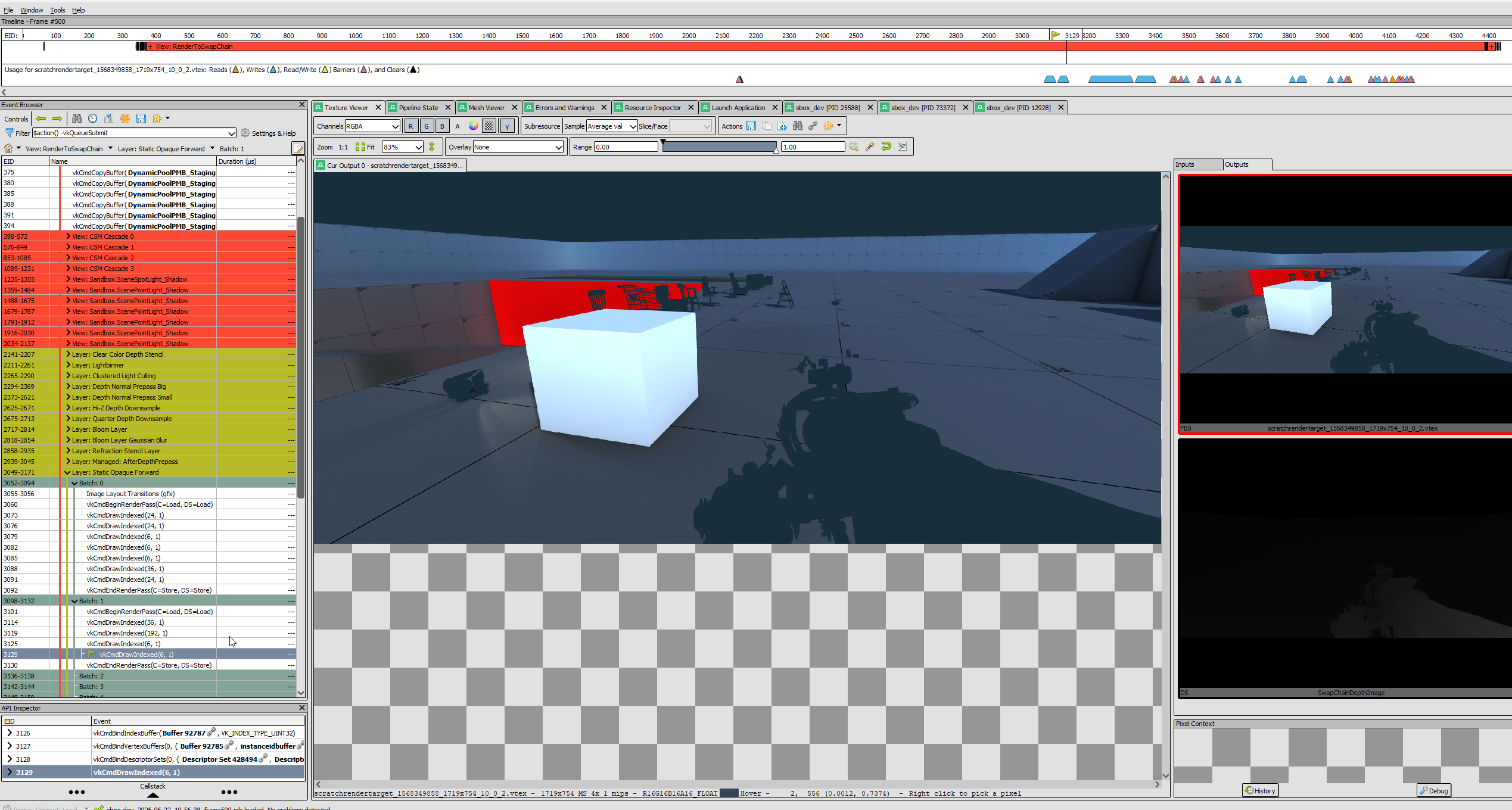
* Mark MeshComponents and ModelRenderer GameObjects that have no behavour as static and make them render under Static SceneObject layers

https://files.facepunch.com/sampavlovic/1b2211b1/wpaNd6VF6L.png

* Remove IsHierarchyStatic, just use and implement GameObject.IsStatic

* Hide tick icon since we drive the enabled state of this widget

* Static GameObjects get static physics bodies and skip transform interpolation

* Revert Static menu option for GameObject, redundant since we have a button
292 lines
7.6 KiB
C#
292 lines
7.6 KiB
C#
using Sandbox.Interpolation;
|
|
using Sandbox.Utility;
|
|
|
|
namespace Sandbox;
|
|
|
|
public partial class GameTransform
|
|
{
|
|
Transform _interpolatedLocal;
|
|
Transform _targetLocal;
|
|
// Allocated lazily — only created when interpolation is actually used.
|
|
InterpolationBuffer<TransformState> _networkTransformBuffer;
|
|
InterpolationBuffer<Vector3State> _positionBuffer;
|
|
InterpolationBuffer<RotationState> _rotationBuffer;
|
|
InterpolationBuffer<Vector3State> _scaleBuffer;
|
|
|
|
InterpolationSystem InterpolationSystem
|
|
{
|
|
get
|
|
{
|
|
field ??= GameObject.Scene.GetSystem<InterpolationSystem>();
|
|
return field;
|
|
}
|
|
}
|
|
|
|
internal bool Interpolate
|
|
{
|
|
get;
|
|
set
|
|
{
|
|
if ( field == value ) return;
|
|
field = value;
|
|
|
|
if ( field )
|
|
{
|
|
InterpolationSystem?.AddGameObject( GameObject );
|
|
}
|
|
else
|
|
{
|
|
InterpolationSystem?.RemoveGameObject( GameObject );
|
|
ClearInterpolationInternal();
|
|
}
|
|
}
|
|
}
|
|
|
|
/// <summary>
|
|
/// The desired local transform. If we are interpolating we'll use the last value in the interpolation buffer.
|
|
/// This is useful for networking because we always want to send the "real" transform.
|
|
/// </summary>
|
|
internal Transform TargetLocal
|
|
{
|
|
get
|
|
{
|
|
// If we're a proxy let's try to find the latest networked tranform to interpolate to, or our local transform.
|
|
if ( GameObject.IsProxy )
|
|
return _networkTransformBuffer?.IsEmpty == false ? _networkTransformBuffer.Last.State.Transform : _interpolatedLocal;
|
|
|
|
return _targetLocal;
|
|
}
|
|
}
|
|
|
|
/// <summary>
|
|
/// This will be true if the GameObject is enabled, we're in a Fixed Update context, and interpolation
|
|
/// is not disabled for this GameObject.
|
|
/// </summary>
|
|
bool ShouldInterpolate()
|
|
{
|
|
// If we're headless, don't interpolate. Interpolation here is for visual purposes only and we
|
|
// have no graphics.
|
|
if ( Application.IsHeadless )
|
|
return false;
|
|
|
|
var isEnabled = GameObject?.Enabled ?? false;
|
|
var isFixedUpdate = GameObject?.Scene?.IsFixedUpdate ?? false;
|
|
var isStatic = GameObject?.IsStatic ?? false;
|
|
var isInterpolationDisabled = GameObject?.Flags.Contains( GameObjectFlags.NoInterpolation ) ?? false;
|
|
|
|
return FixedUpdateInterpolation && isFixedUpdate && isEnabled && !isInterpolationDisabled && !isStatic;
|
|
}
|
|
|
|
void UpdateInterpolatedLocal( in Transform value )
|
|
{
|
|
var targetTime = Time.NowDouble + Time.Delta;
|
|
var shouldInterpolate = false;
|
|
|
|
if ( _targetLocal.Position != value.Position )
|
|
{
|
|
_positionBuffer ??= new( Vector3State.CreateInterpolator() );
|
|
if ( _positionBuffer.IsEmpty )
|
|
_positionBuffer.Add( new( _targetLocal.Position ), Time.NowDouble );
|
|
|
|
_positionBuffer.Add( new( value.Position ), targetTime );
|
|
_targetLocal.Position = value.Position;
|
|
shouldInterpolate = true;
|
|
}
|
|
|
|
if ( _targetLocal.Rotation != value.Rotation )
|
|
{
|
|
_rotationBuffer ??= new( RotationState.CreateInterpolator() );
|
|
if ( _rotationBuffer.IsEmpty )
|
|
_rotationBuffer.Add( new( _targetLocal.Rotation ), Time.NowDouble );
|
|
|
|
_rotationBuffer.Add( new( value.Rotation ), targetTime );
|
|
_targetLocal.Rotation = value.Rotation;
|
|
shouldInterpolate = true;
|
|
}
|
|
|
|
if ( _targetLocal.Scale != value.Scale )
|
|
{
|
|
_scaleBuffer ??= new( Vector3State.CreateInterpolator() );
|
|
if ( _scaleBuffer.IsEmpty )
|
|
_scaleBuffer.Add( new( _targetLocal.Scale ), Time.NowDouble );
|
|
|
|
_scaleBuffer.Add( new( value.Scale ), targetTime );
|
|
_targetLocal.Scale = value.Scale;
|
|
shouldInterpolate = true;
|
|
}
|
|
|
|
if ( shouldInterpolate )
|
|
{
|
|
Interpolate = true;
|
|
TransformChanged();
|
|
}
|
|
}
|
|
|
|
void UpdateLocal( in Transform value )
|
|
{
|
|
_hasPositionSet = true;
|
|
|
|
var didTransformChange = false;
|
|
|
|
if ( _interpolatedLocal.Position != value.Position )
|
|
{
|
|
_interpolatedLocal.Position = value.Position;
|
|
_targetLocal.Position = value.Position;
|
|
_positionBuffer?.Clear();
|
|
didTransformChange = true;
|
|
}
|
|
|
|
if ( _interpolatedLocal.Rotation != value.Rotation )
|
|
{
|
|
_interpolatedLocal.Rotation = value.Rotation;
|
|
_targetLocal.Rotation = value.Rotation;
|
|
_rotationBuffer?.Clear();
|
|
didTransformChange = true;
|
|
}
|
|
|
|
if ( _interpolatedLocal.Scale != value.Scale )
|
|
{
|
|
_interpolatedLocal.Scale = value.Scale;
|
|
_targetLocal.Scale = value.Scale;
|
|
_scaleBuffer?.Clear();
|
|
didTransformChange = true;
|
|
}
|
|
|
|
if ( didTransformChange )
|
|
TransformChanged();
|
|
}
|
|
|
|
|
|
/// <summary>
|
|
/// The interpolated world transform. For internal use only.
|
|
/// </summary>
|
|
internal Transform InterpolatedWorld
|
|
{
|
|
get
|
|
{
|
|
if ( !IsFollowingParent() ) return InterpolatedLocal;
|
|
if ( Proxy is not null ) return Proxy.GetWorldTransform();
|
|
|
|
return GameObject.Parent.Transform.InterpolatedWorld.ToWorld( InterpolatedLocal );
|
|
}
|
|
}
|
|
|
|
/// <summary>
|
|
/// Clear any interpolation and force us to reach our final destination immediately. If we own this object
|
|
/// we'll tell other clients to clear interpolation too when they receive the next network update from us.
|
|
/// </summary>
|
|
public void ClearInterpolation()
|
|
{
|
|
GameObject?._net?.ClearInterpolation();
|
|
Interpolate = false;
|
|
TransformChanged();
|
|
}
|
|
|
|
[Obsolete( "Use ClearInterpolation" )]
|
|
public void ClearLerp()
|
|
{
|
|
ClearInterpolation();
|
|
}
|
|
|
|
/// <summary>
|
|
/// Like <see cref="ClearInterpolation"/> but will not clear interpolation across the network.
|
|
/// </summary>
|
|
internal void ClearLocalInterpolation()
|
|
{
|
|
Interpolate = false;
|
|
TransformChanged();
|
|
}
|
|
|
|
void ClearInterpolationInternal()
|
|
{
|
|
_interpolatedLocal = _targetLocal;
|
|
|
|
if ( _networkTransformBuffer?.IsEmpty == false )
|
|
{
|
|
var snapshot = _networkTransformBuffer.Last;
|
|
SetLocalTransformFast( snapshot.State.Transform );
|
|
_networkTransformBuffer.Clear();
|
|
}
|
|
|
|
_positionBuffer?.Clear();
|
|
_rotationBuffer?.Clear();
|
|
_scaleBuffer?.Clear();
|
|
}
|
|
|
|
|
|
internal void Update( double now, double cullBefore )
|
|
{
|
|
if ( GameObject.IsProxy )
|
|
{
|
|
InterpolateNetwork( now );
|
|
return;
|
|
}
|
|
|
|
InterpolateFixedUpdate( now, cullBefore );
|
|
}
|
|
|
|
void InterpolateFixedUpdate( double now, double cullBefore )
|
|
{
|
|
if ( GameObject?.Flags.Contains( GameObjectFlags.NoInterpolation ) ?? false )
|
|
{
|
|
_positionBuffer?.Clear();
|
|
_rotationBuffer?.Clear();
|
|
_scaleBuffer?.Clear();
|
|
}
|
|
|
|
var tx = _interpolatedLocal;
|
|
|
|
// Use 0 window since entries are timestamped into the future
|
|
tx.Position = _positionBuffer?.IsEmpty == false ? _positionBuffer.QueryAndCull( now, cullBefore ).Value : _targetLocal.Position;
|
|
tx.Rotation = _rotationBuffer?.IsEmpty == false ? _rotationBuffer.QueryAndCull( now, cullBefore ).Rotation : _targetLocal.Rotation;
|
|
tx.Scale = _scaleBuffer?.IsEmpty == false ? _scaleBuffer.QueryAndCull( now, cullBefore ).Value : _targetLocal.Scale;
|
|
|
|
_interpolatedLocal = tx;
|
|
TransformChanged( true );
|
|
|
|
if ( (_positionBuffer?.IsEmpty ?? true) && (_rotationBuffer?.IsEmpty ?? true) && (_scaleBuffer?.IsEmpty ?? true) )
|
|
{
|
|
Interpolate = false;
|
|
}
|
|
}
|
|
|
|
void InterpolateNetwork( double now )
|
|
{
|
|
if ( GameObject?.Flags.Contains( GameObjectFlags.NoInterpolation ) ?? false )
|
|
{
|
|
_networkTransformBuffer?.Clear();
|
|
}
|
|
|
|
if ( _networkTransformBuffer?.IsEmpty == false )
|
|
{
|
|
var interpolationTime = Networking.InterpolationTime;
|
|
var state = _networkTransformBuffer.QueryAndCull( now - interpolationTime, now - (interpolationTime * 3f) );
|
|
|
|
_interpolatedLocal = state.Transform;
|
|
_targetLocal = _interpolatedLocal;
|
|
TransformChanged();
|
|
}
|
|
|
|
if ( _networkTransformBuffer?.IsEmpty ?? true )
|
|
{
|
|
Interpolate = false;
|
|
}
|
|
}
|
|
|
|
/// <summary>
|
|
/// Temporarily disable Fixed Update Interpolation.
|
|
/// </summary>
|
|
/// <returns></returns>
|
|
internal static DisposeAction<bool> DisableInterpolation()
|
|
{
|
|
var saved = FixedUpdateInterpolation;
|
|
FixedUpdateInterpolation = false;
|
|
|
|
unsafe
|
|
{
|
|
static void Restore( bool value ) => FixedUpdateInterpolation = value;
|
|
return DisposeAction<bool>.Create( &Restore, saved );
|
|
}
|
|
}
|
|
}
|